Menopause changes a lot, and most people focus on the big headlines like hot flashes or sleep problems.
What rarely gets mentioned is how much your eyes can change, sometimes in subtle ways that are easy to brush off as “just getting older.” Dryness, blurry vision, light sensitivity, even trouble wearing contact lenses can sneak up on you and make everyday tasks harder than they should be.
If your eyes have been feeling tired or strangely different lately, you’re not imagining it. Fluctuations in hormones can mess with the moisture and surface of the eye, which affects how you see and how comfortable your eyes feel through the day. The good news is that once you understand what’s going on, there are small things you can do to feel better and protect your vision.
Your eyes may feel drier than usual.
Falling oestrogen and progesterone levels affect the glands that produce tears. This means your eyes may start to feel scratchy, tired or irritated even when you’re not staring at a screen for long periods. Dry eyes can make it hard to wear contact lenses or stay comfortable in air-conditioned rooms. Lubricating drops and taking regular screen breaks can make a big difference.
You might notice blurry vision more often.
Hormonal shifts can temporarily alter the shape of your cornea, changing how light enters your eye. This leads to mild blurriness that comes and goes, often worse in the evening or when you’re tired. It’s rarely permanent, but it can be unsettling. If your glasses suddenly feel wrong, it’s worth checking with an optician rather than assuming your eyes are deteriorating.
Contact lenses can start feeling uncomfortable.
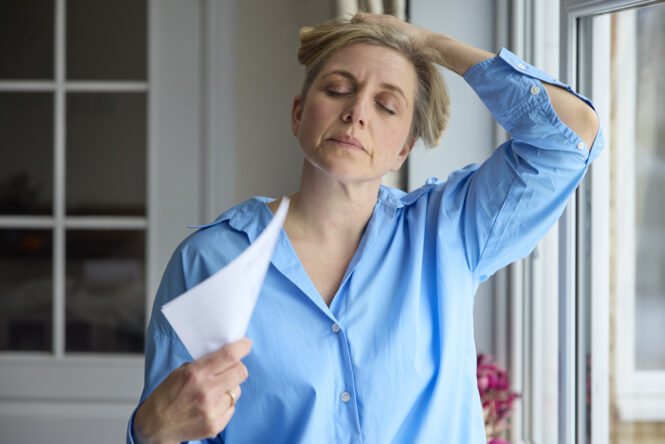
Dryness makes lenses sit differently on the eye’s surface. They may start to feel sticky, gritty or less secure, even if you’ve worn the same brand comfortably for years. Switching to daily lenses, taking lens-free days or using lubricating eye drops can restore comfort. It’s a small adjustment that often solves the problem completely.
You may become more sensitive to light.
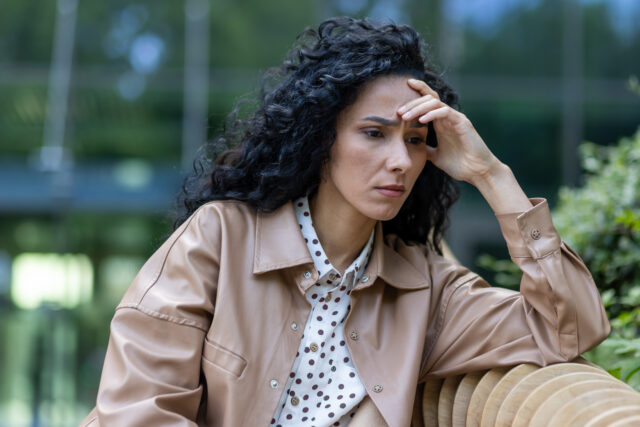
Hormonal fluctuations can make your pupils react more strongly to brightness. You might find yourself squinting in daylight or avoiding strong indoor lighting that never used to bother you. As a result, sunglasses and hats aren’t just for sunny holidays anymore. Keeping a pair handy can protect your eyes and make everyday tasks easier.
Eye fatigue hits sooner than before.
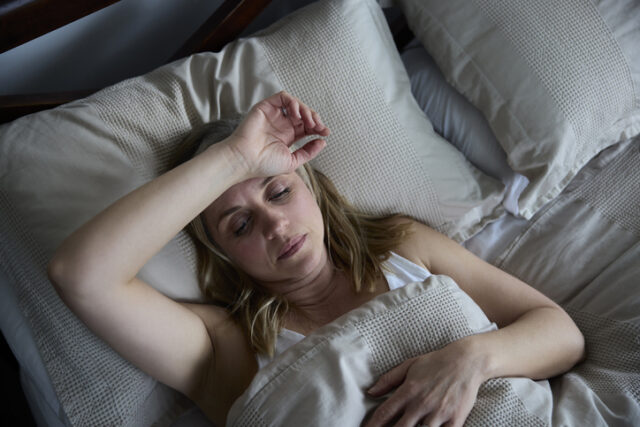
Oestrogen helps regulate circulation and muscle function, including around the eyes. When levels drop, the muscles that focus vision tire more quickly, especially after reading or working on screens. Short breaks and decent lighting can help, as can adjusting your screen height. Even small posture changes can stop that heavy, aching feeling behind your eyes.
Your risk of infections slightly increases.
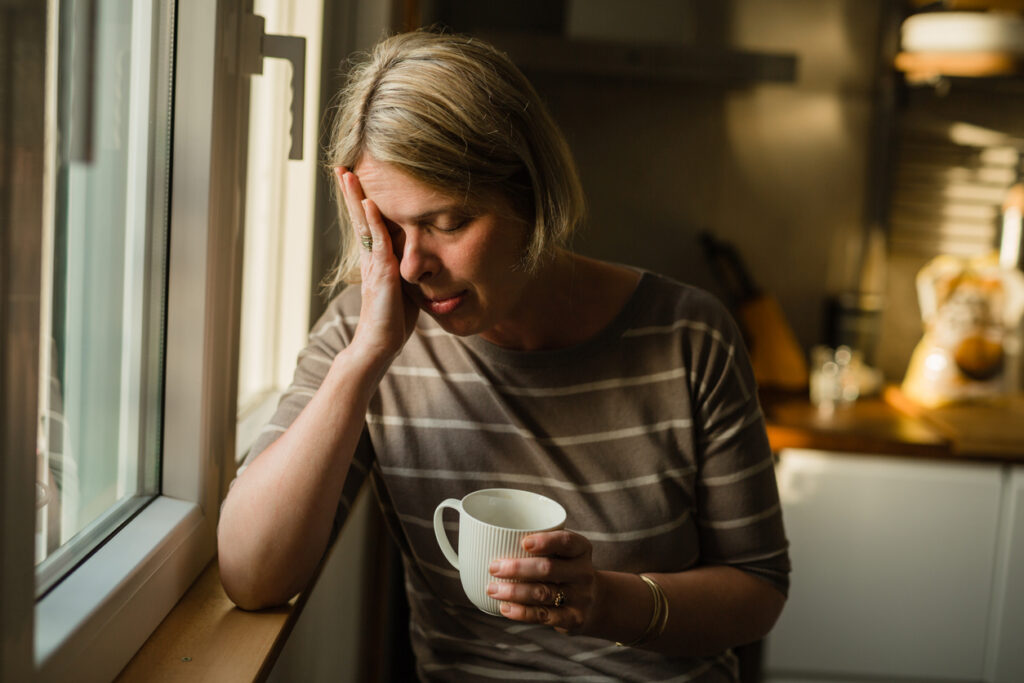
Reduced tear production also means less natural protection. Tears wash away dust and bacteria, so fewer tears can leave eyes more prone to redness, irritation or mild infections like conjunctivitis. Keep your eyes clean and don’t use old makeup for starters. Oh, and don’t share towels with anyone else, even a partner. A warm compress once a day also encourages natural tear flow.
Your night vision might change.
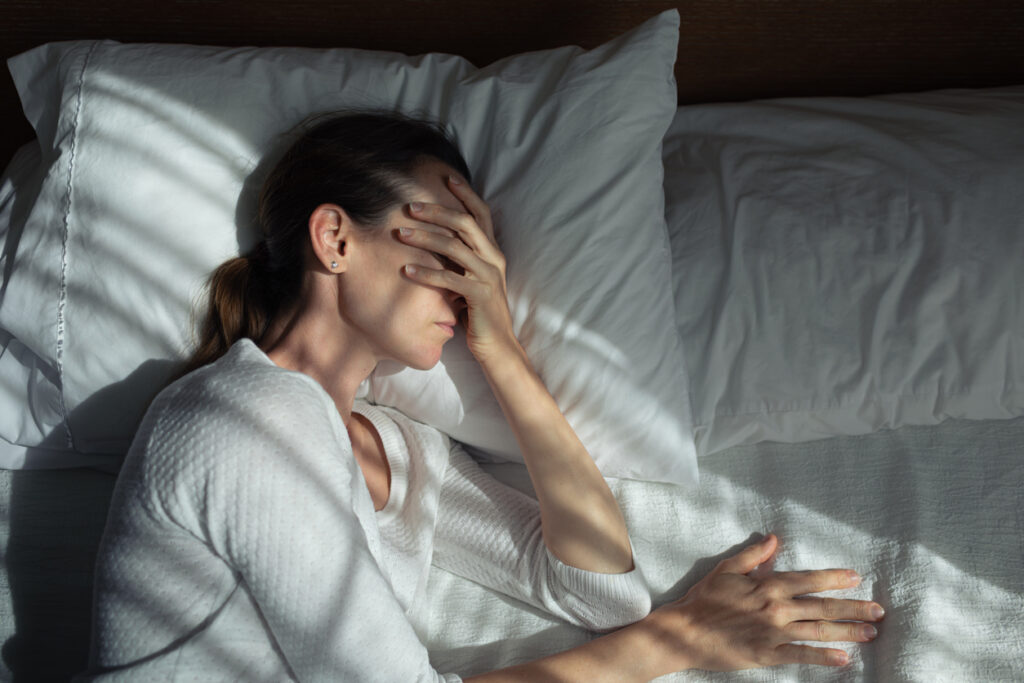
As oestrogen levels fall, the retina’s ability to adapt to darkness can slow down. Driving at night or moving from a bright room into the dark may suddenly feel harder. This can improve with rest and nutrition. Eating foods rich in vitamin A and omega-3 supports healthy vision and helps eyes adjust faster to low light.
You could experience more floaters.
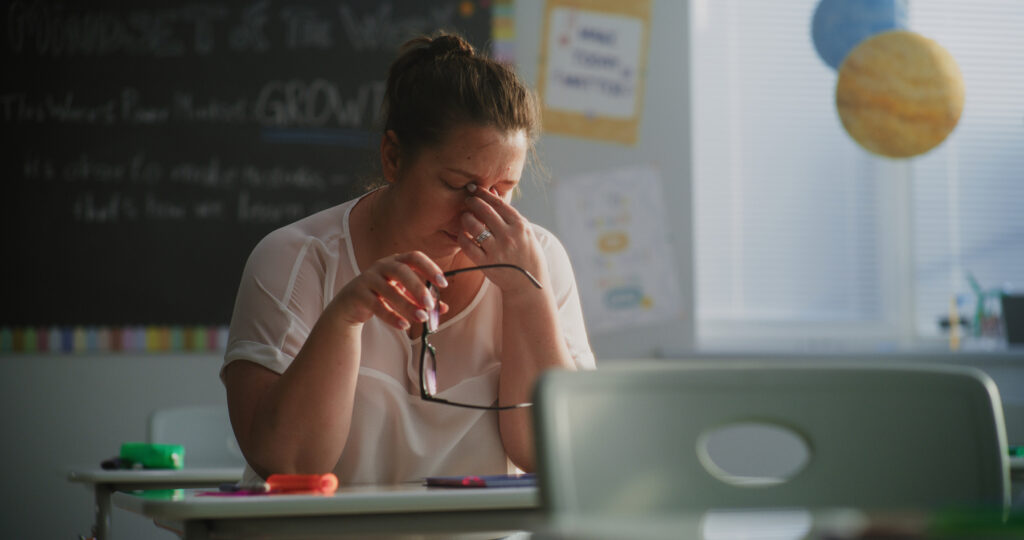
Floaters, those tiny spots that drift across your vision, often increase with age, but hormonal changes can make you more aware of them. They form as the gel inside your eye becomes thinner. Most are harmless, though a sudden burst of new floaters should always be checked. It’s usually a natural part of how eyes age, not something to panic over.
Your eyes may water excessively outdoors.

Ironically, dryness can cause eyes to water more. When the surface becomes irritated, the glands overreact and flood your eyes with tears that don’t actually hydrate properly. Wind, cold air or strong perfumes can trigger it easily. Gentle artificial tears replace the missing moisture and stop the body from trying to overcompensate.
Makeup can start causing irritation.
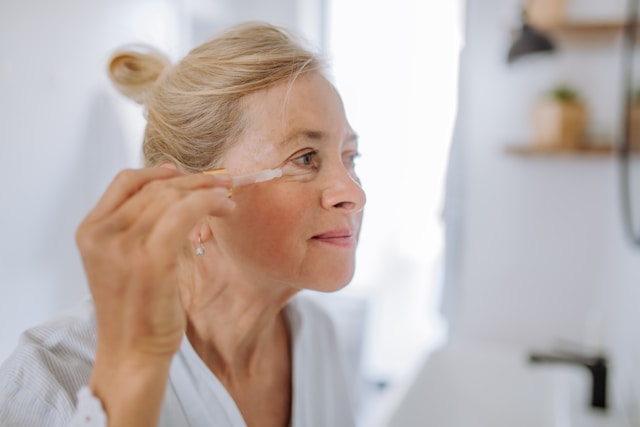
Products you’ve used for years may suddenly sting or make your eyes itch. Hormonal changes can make the skin around your eyelids thinner and more sensitive to fragrance and preservatives. Switching to hypoallergenic or ophthalmologist-tested brands often helps. Removing makeup thoroughly each night is essential to keep the lashes and tear ducts clear.
Vision changes can affect balance.
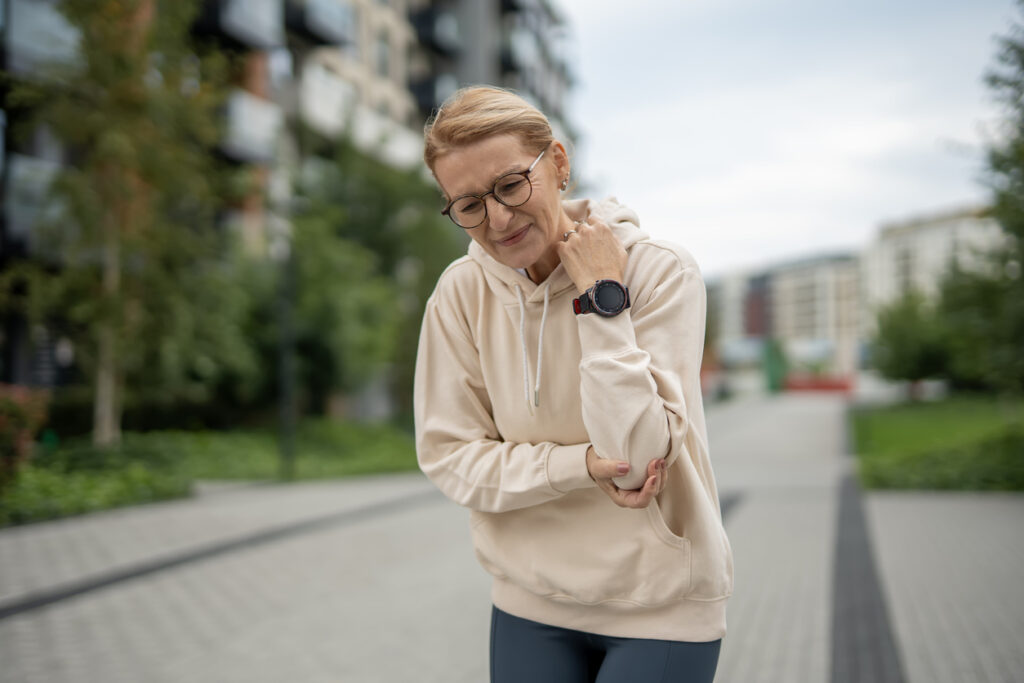
Blurry vision or slower focus can make the world feel slightly off-kilter. Some women report feeling clumsy or dizzy without realising their eyes are part of the reason. Regular eye tests during menopause are more important than most realise. They help catch subtle changes early and keep everything, from driving to walking downstairs, feeling stable.
It can all improve again with time.

Many of these changes ease as hormone levels stabilise. The body adapts, tear glands recover, and your eyes find a new normal that feels far more comfortable again. It takes patience and routine care, but most symptoms can be managed easily. Menopause might change your body, but it doesn’t have to steal clear, comfortable vision.
Eye changes during menopause rarely get much attention, yet they can impact comfort, confidence and everyday life. Understanding what’s happening helps you look after your vision properly, instead of brushing off discomfort as something you just have to live with.