Death feels like an ending, but inside the body, it’s the start of a complex and fascinating process.

The moment life stops, everything that’s been running automatically (think breathing, heartbeat, chemical balance) begins to unravel in a precise and predictable order. Scientists and forensic experts have studied these early changes for years, and what happens in that first hour is far more intricate than most people realise.
It’s a strange in-between stage where the body is no longer alive, but not yet completely gone. Every minute brings new transformations as the systems that once worked together start to break apart. Understanding what unfolds in that first hour offers a rare glimpse into how the human body works right up until its final moments.
1. Your muscles relax completely within minutes.

The moment your heart stops, every muscle in your body goes slack at once. That includes the ones you never consciously control, like the sphincters that keep your bowels and bladder closed. It’s not glamorous, but it happens to everyone.
This immediate relaxation is why morticians have to deal with what they delicately call “purging.” Your body releases whatever was being held in, and there’s no stopping it. It’s one of those things that shatters any romantic notion of what death looks like in practice.
2. Your skin starts to pale in the first 15 to 20 minutes.

Once blood stops circulating, gravity takes over completely. The blood settles into the lowest parts of your body, leaving your skin looking waxy and drained. If you’re lying on your back, your face and chest turn pale, while your back starts to darken.
This is called pallor mortis, and it’s one of the first visible signs that someone’s died. It happens fast enough that it’s often what confirms death before anyone checks for a pulse. The colour drains so quickly that people sometimes describe it as watching someone fade right in front of them.
3. Your body temperature drops by about 1.5 degrees every hour.

You’ve probably touched someone’s hand after they’ve died and noticed how cold they feel. That’s because your body stops generating heat the second your metabolism shuts down. Within the first hour, you lose nearly two degrees, and you’ll keep cooling until you match whatever temperature the room is.
This cooling process is called algor mortis, and it’s actually one of the ways forensic scientists estimate time of death. The rate varies depending on body size, clothing, and room temperature, but that first hour sees the most dramatic drop. It’s why bodies feel cold to the touch so quickly.
4. Your eyes start to cloud over within minutes.
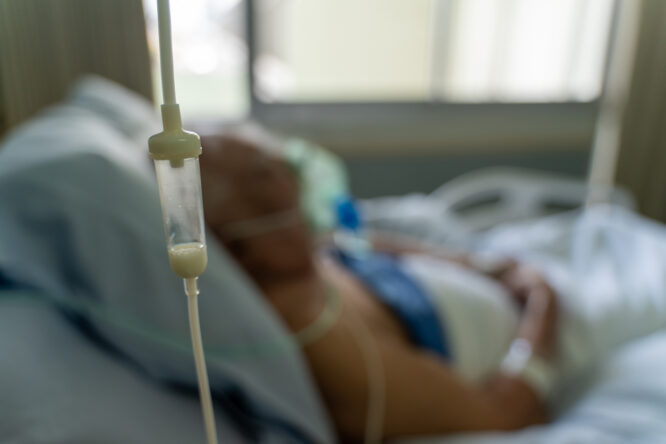
The clear surface of your eyes needs constant moisture to stay transparent. Once you stop blinking and producing tears, they start drying out almost immediately. Within 10 minutes, a thin film develops. Within an hour, they’ve gone noticeably cloudy.
If your eyes were open when you died, this happens even faster. That’s why one of the first things medical staff do is close the eyelids. It’s partly out of respect, but it’s also because the clouding is quite stark and can be distressing for family members to see.
5. Rigor mortis starts in your eyelids and jaw.

You might think rigor mortis takes hours to set in, but it actually begins in the smallest muscles within two to six hours. Your eyelids and jaw are usually first. By the end of that first hour, the chemical changes that cause stiffening have already started, even if you can’t see the effects yet.
The reason it happens is quite simple once you know. When you’re alive, your body constantly produces ATP, which keeps muscles flexible. After death, ATP runs out and calcium floods into muscle cells, causing them to contract and stay contracted. It starts subtle but becomes total.
6. Your blood settles into distinct patterns.

That blood that drained from your upper body doesn’t just disappear. It pools in your back, buttocks, and the backs of your legs if you’re lying face-up. These areas develop dark purple patches called livor mortis, though it takes about 30 minutes to become visible.
By the end of the first hour, these patches are clearly forming. They look almost like bruises, and they’re permanent after about eight hours. This pooling is another tool for determining time of death, and it also reveals whether a body’s been moved after dying.
7. Your brain cells start dying within three to seven minutes.

Your brain is incredibly demanding when it comes to oxygen. It uses about 20% of your body’s total supply, despite being only 2% of your weight. Once your heart stops pumping oxygenated blood, your brain cells start dying off rapidly, and they don’t come back.
This is why the window for successful resuscitation is so narrow. After about four minutes without oxygen, brain damage becomes likely. After 10 minutes, it’s almost certain. The cells don’t all die at once, but that first hour sees massive, irreversible loss.
8. Your digestive system keeps working briefly.

The bacteria in your gut don’t know you’ve died. They carry on breaking down whatever food was in your system, producing gas, as they always do. This can cause your abdomen to swell slightly and create sounds that are quite disconcerting if you’re not expecting them.
It’s not actual digestion anymore since your body isn’t absorbing anything, but the bacterial activity continues for a while. This is actually the beginning of decomposition, though you wouldn’t recognise it as such in just the first hour. It ramps up significantly over the following days.
9. Your cells start breaking down from the inside.

Without oxygen, your cells can’t maintain themselves. Enzymes that normally break down damaged cellular components start attacking healthy ones instead. It’s called autolysis, and it means your body literally begins digesting itself at a microscopic level within the first hour.
You can’t see this happening from the outside, but it’s occurring throughout your entire body simultaneously. Your pancreas and liver are particularly affected because they contain so many digestive enzymes. This internal breakdown accelerates everything else that follows.
10. Your heart may show electrical activity even after it stops beating.
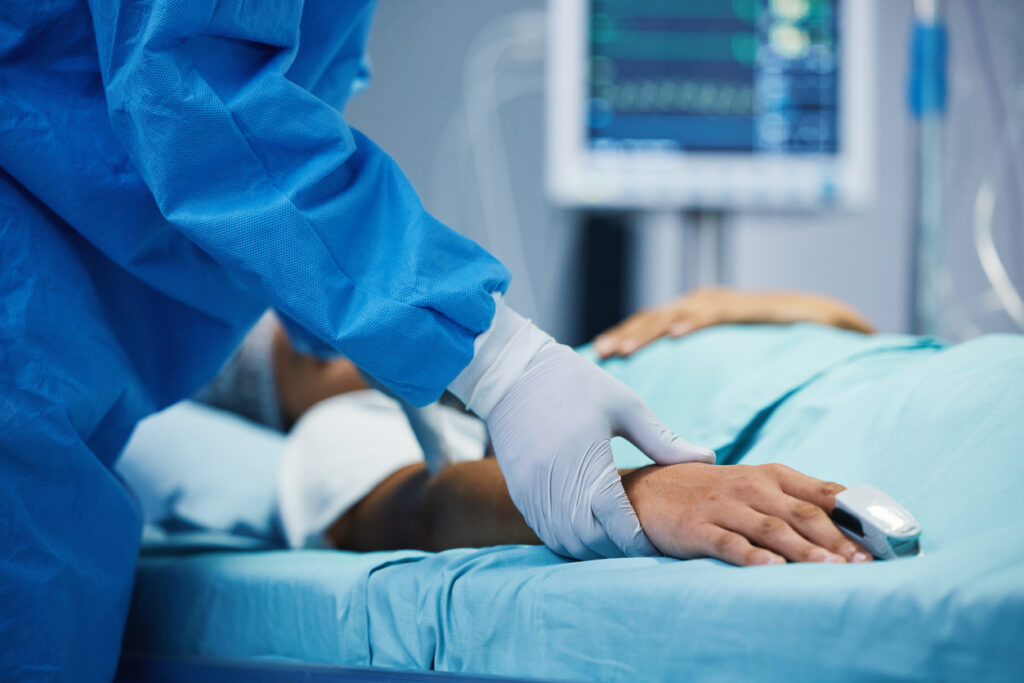
Even after your heart stops pumping blood, the cells can continue showing electrical impulses for several minutes. It’s not enough to restart the heart on its own, but monitors sometimes pick up activity that looks almost like a heartbeat when there isn’t one.
This is why medical staff don’t rely on a single method to confirm death. They check for breathing, pulse, pupil response, and brain activity because the line between life and death isn’t always as clear-cut as we imagine. That first hour is full of these strange in-between states where bits of you are still technically functioning while you’re undeniably dead.