STEM gets thrown around so often these days that it can start to sound like a buzzword.

Schools push it, employers talk about it, and parents worry their kids don’t have enough of it. However, most people never stop to figure out what STEM skills actually mean in real life beyond science labs and fancy tech companies.
Funnily enough, STEM skills show up in places you might not expect. It’s the ability to solve a problem without panicking, think logically when things go wrong, and adapt when the situation changes. These are the skills that help someone troubleshoot a broken phone, understand data at work, or build something new from scratch. Here’s how they come into play, and why they’re so worth developing.
STEM skills cover how the modern world works.
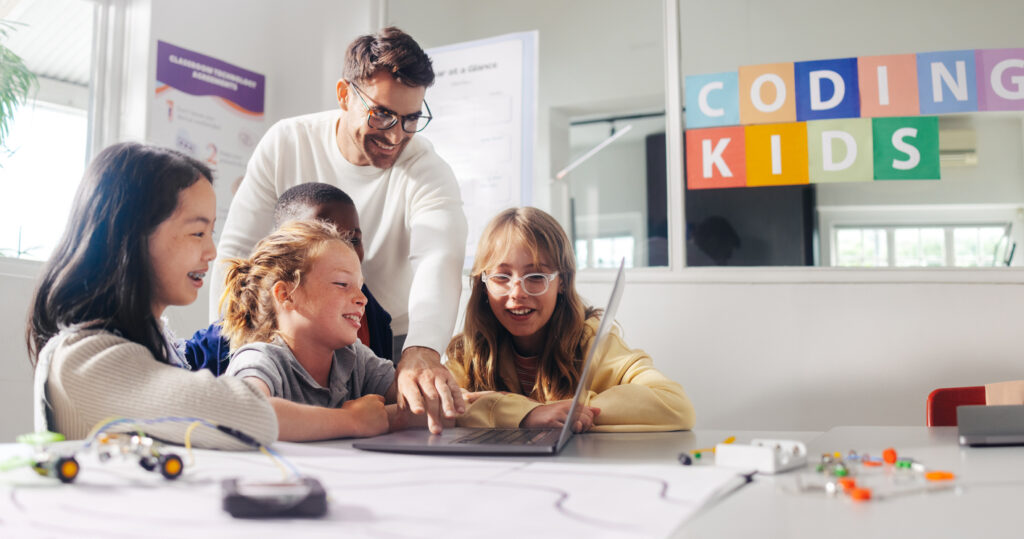
STEM isn’t just about lab coats and equations. It’s the knowledge that drives medicine, construction, computing, and energy. Understanding the basics helps people make sense of the world and take part in how it develops. Even if you don’t work in a technical role, these skills influence nearly every product and service you use. They’re the foundation of how society functions efficiently and innovatively.
They teach you to think logically.

One of the biggest benefits of STEM education is learning structured problem-solving. Whether it’s analysing data or breaking down a complex task, these fields train your brain to look for evidence before making decisions. That habit of logic applies everywhere, from budgeting at home to evaluating news stories. It makes you a more rational, confident decision-maker in daily life.
They encourage curiosity and creativity.

STEM isn’t as rigid as it sounds. It’s built on curiosity, asking questions and exploring how things work. Experimentation and creative thinking often lead to discoveries that change the way we live. Combining creativity with technical knowledge opens new possibilities. The best scientists and inventors are imaginative as well as analytical, proving that innovation depends on both sides of the brain.
They help you adapt to change.

Technology and workplaces evolve fast, and STEM knowledge keeps you adaptable. People with these skills tend to handle new systems or tools with less stress because they understand the logic behind them. Whether it’s learning new software, managing data or troubleshooting equipment, the confidence to handle change comes naturally when you’re used to thinking in technical terms.
STEM roles are in high demand.

Across industries, employers are struggling to fill technical positions. Jobs in renewable energy, data analysis, cybersecurity, and health technology all require strong STEM backgrounds and offer competitive pay. Even outside traditional tech jobs, employers look for people who can analyse information and solve problems. STEM fluency is fast becoming a universal workplace asset.
They improve digital confidence.

From online banking to smart devices, digital skills are now a must-have, not a nice to have. Understanding how technology works makes you less dependent on guesswork and more secure when managing digital tasks. It also helps protect against misinformation and scams. When you understand the basics of coding, data and online systems, you’re more confident navigating a connected world.
They build teamwork and communication.

STEM projects usually involve collaboration, where each person brings a different area of expertise. Explaining ideas clearly and listening to other people becomes as important as the technical side itself. This teamwork develops strong interpersonal skills. It shows that effective communication is a key part of innovation, no matter how advanced the technology involved.
They connect theory with real-world results.

STEM education bridges the gap between classroom ideas and tangible outcomes. You can see exactly how maths leads to building bridges,, or how biology informs healthcare design. The connection between learning and visible results keeps motivation high. It turns abstract knowledge into something practical, proving why learning these subjects matters in everyday life.
They teach resilience through trial and error.

Failure is part of every experiment and design process. STEM subjects normalise trial and error, helping people see mistakes as steps towards better solutions rather than as setbacks. The resilience that mindset builds is valuable far beyond work. It teaches persistence and patience, and those are traits that help you in every area of life.
They open doors globally.

STEM expertise is universal. Engineers, coders, and scientists can apply their knowledge anywhere, which means broader career options and the chance to work in industries that cross international borders. As economies rely more on digital and sustainable growth, global opportunities for STEM-skilled workers keep expanding. These roles help shape the future, wherever you go.
11. They strengthen environmental awareness.

Many of today’s environmental solutions rely on STEM innovation. Renewable energy, waste reduction, conservation technology and climate modelling all come from scientific and mathematical understanding.
Learning these skills helps people make smarter choices about sustainability. It connects everyday habits with the bigger picture of protecting the planet.
12. They make everyday life easier

STEM knowledge quietly improves how you handle small, practical problems. Whether it’s fixing something at home, interpreting health data or managing finances, logical and analytical thinking make tasks simpler. Understanding how systems and patterns work saves time and frustration. The more you use these skills, the more naturally they start shaping everything you do.
These skills aren’t just for scientists or tech experts. They’re life tools that strengthen reasoning and adaptability, among other things. As the world becomes more digital and complex, learning to think in STEM terms is one of the best investments anyone can make.