Looking back, it’s painfully clear that there were warnings.

Climate models, mental health statistics, rising inequality—none of it was exactly hidden. And yet, instead of acting, so many systems chose short-term profit, convenience, or denial. Now, younger generations are left to clean up a mess they didn’t make, and it’s impossible not to wonder how different things might’ve been if we’d protected them better. Here’s what we should’ve shielded them from, but didn’t bother.
An overheating planet
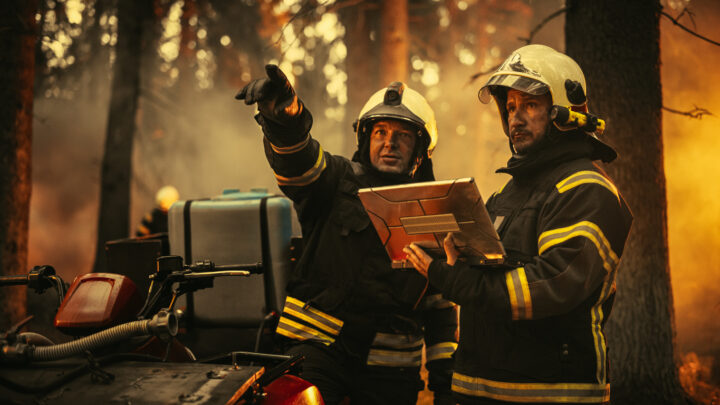
We had the science, and we certainly had the time. But somewhere between fossil fuel lobbying and collective inaction, we passed the tipping points that future generations are now forced to live with. The heatwaves, wildfires, and rising seas are no longer future hypotheticals. They’re today’s reality. Instead of preparing them for a greener, cleaner future, we handed them a climate crisis and asked them to innovate their way out of it. It’s not just unfair, it’s a massive failure of care.
A toxic relationship with work

The grind culture we normalised left younger people burnt out before they’d even begun. We taught them that productivity equals worth, that rest is lazy, and that “doing what you love” means monetising every hobby. Now, they’re trying to build healthier boundaries in a world that still values hustle over balance. We didn’t protect them from this pressure. Instead, we handed them the blueprint for burnout.
Housing insecurity

We watched house prices soar, wages stagnate, and still pretended that owning a home was just a matter of discipline. Generations before hoarded property or benefited from lucky timing, while the next wave faces sky-high rent and no path to stability. Instead of reforming the system, we told them to “just save harder,” as if avocado toast, not policy failure, was the issue. Security was something we took for granted and failed to pass on.
Social media addiction

We gave kids smartphones before we understood the effects. We let apps evolve faster than ethics. And we stood by while algorithms hijacked attention spans, self-worth, and even basic human connection. What started as a fun way to share photos became a full-blown mental health crisis. Instead of setting boundaries, we made it the new normal. Now they’re left trying to undo the damage of a life lived through screens.
A broken food system

Fast food became cheaper than fresh food. Ultra-processed snacks filled lunchboxes, and somewhere along the line, we stopped questioning what we were feeding the next generation, and why it was making them sick. We didn’t prioritise health, access, or education. We let profit dictate the menu, and now the consequences are playing out in chronic illness, anxiety, and disconnection from where food even comes from.
Constant comparison culture

We grew up comparing ourselves to classmates. They’re comparing themselves to influencers, strangers, and filtered perfection 24/7. The bar isn’t just high, it’s fake. We didn’t protect them from the pressure to be flawless. We handed them apps where likes = value and then told them to just “be confident.” That gap between real life and online life is exhausting, and we left them to bridge it alone.
Normalised burnout

We praised the all-nighters, the unpaid overtime, the people who “gave 110%.” Rest wasn’t respected. It was something you earned after proving your worth. And now, they don’t know how to stop. Burnout became part of the culture instead of a warning sign. We should’ve taught them how to pace themselves, not just push through. Instead, we modelled exhaustion like it was a badge of honour.
The myth of meritocracy

We told them that working hard would pay off. That good grades, good manners, and good effort guaranteed success. Of course, we didn’t tell them about nepotism, gatekeeping, or generational wealth quietly pulling the strings. When things didn’t work out, they blamed themselves. We should’ve told them the system wasn’t fair, and worked harder to change it, instead of selling them a dream that only worked for a few.
Debt as a rite of passage

We normalised student loans, credit card debt, and buy-now-pay-later as if it were all just part of growing up. But what we didn’t do was fight for a better, fairer financial system to support them. They’re now carrying lifelong debt for basic things like education or housing, while being told to “just budget better.” We should’ve passed on security, not a spreadsheet of survival hacks.
A lack of emotional tools

For all our progress, we still didn’t raise most kids to talk about feelings in a healthy way. Emotional literacy was an afterthought. Mental health was taboo, or worse, mocked. Now they’re left trying to name and heal things we never taught them to recognise. We handed down our unprocessed trauma and expected them to magically be fine. They deserved better tools, and better role models.
Dying public services

We watched the NHS, libraries, and schools get stripped to the bone, then told the next generation to be grateful for what’s left. Services that once gave people a chance now leave them fighting for scraps. Instead of protecting what made society fairer, we let it silently be destroyed. They’re not just growing up without support. They’re growing up knowing we stood by and let it happen.
Climate guilt
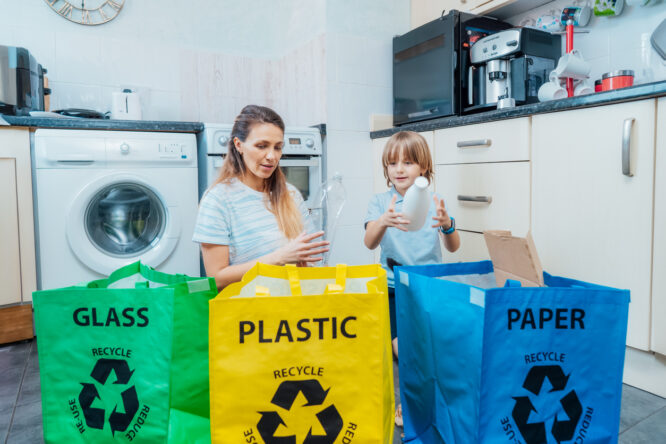
We damaged the planet, then handed them reusable straws and guilt. Instead of holding corporations accountable, we made it their job to fix everything with tote bags and recycling bins. They didn’t ask for this burden. They deserved to inherit a world where climate action wasn’t left to teenagers in protest. We should’ve done the heavy lifting, but we passed them the panic instead.
Performative politics
We taught them how to post, but not how to vote. How to call people out, but not how to create change. Somewhere along the way, activism got aesthetic, and real progress got slow-walked or shut down. They’re angry, and rightly so. We didn’t model how to hold power to account. We just passed the hashtags and hoped that was enough. It wasn’t.
The illusion of stability

We made it look like the world was more predictable than it was. Then came recessions, pandemics, wars, and climate collapse. Suddenly, their futures didn’t look like anything we promised them. We should’ve taught them how to navigate uncertainty with resilience and support. Instead, we sold them false security, and now they’re the ones having to adapt, rebuild, and carry hope in a world full of unknowns.