It might sound strange, but what you do behind the wheel says a lot about you as a person.
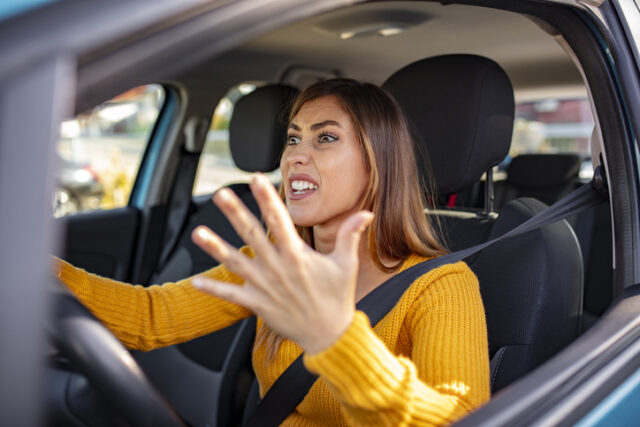
The choices you make behind the wheel can reflect how you deal with pressure, as well as how you carry yourself day to day. Whether you’re calm, impatient, cautious, or bold, those tendencies tend to show the moment you hit the road. Driving strips things back and brings out patterns you might not notice in yourself until someone else points them out.
Looking at your habits with fresh eyes can be surprisingly revealing. It’s actually worth paying attention to the behaviours that surface when you’re stressed or trying to get somewhere on time. Those small choices often shine a light on traits that shape the rest of your life, oddly enough. Here’s what your driving style may be saying about you.
You tailgate when people aren’t going fast enough.

Getting right up behind slower drivers shows impatience and poor impulse control. You’re prioritizing your urgency over safety and using intimidation to try forcing others to accommodate you, which is basically bullying with a vehicle.
Aggressive behaviour like that points to someone who struggles with things not going their way and resorts to pressure tactics rather than accepting situations they can’t control. You likely do this in other areas too, pushing people when they’re not moving at your preferred pace.
You never let people merge.
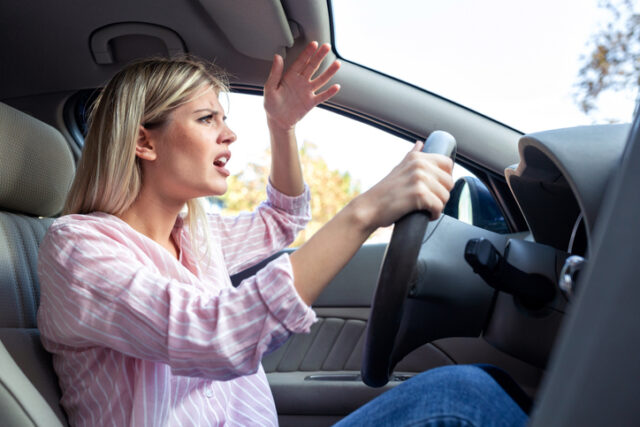
Blocking merging traffic shows a zero-sum mindset where letting someone in feels like losing. You’d rather create traffic problems and unsafe situations than allow someone to get ahead of you, revealing competitiveness taken to ridiculous extremes.
It shows someone who sees everything as a competition and struggles with basic cooperation. If you can’t handle the minor inconvenience of letting a car merge, you probably create unnecessary conflict in other situations where collaboration would benefit everyone.
You drive exactly at the speed limit in the fast lane.
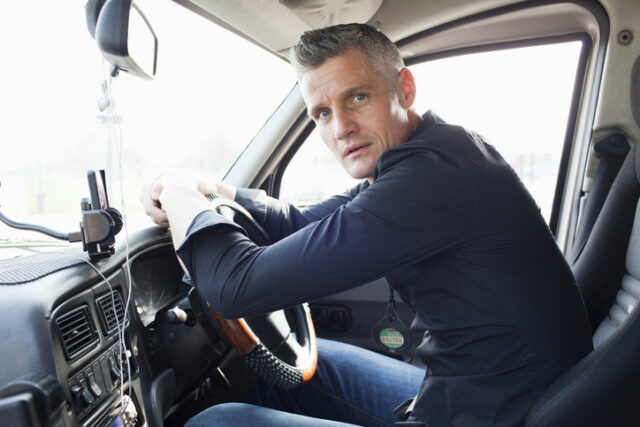
Blocking faster traffic because you’ve decided you’re going the right speed shows self-righteousness and need for control. You’re appointing yourself traffic police and forcing your standards on everyone else, regardless of how it affects them.
It’s a sign of someone who thinks their way is the correct way and everyone else should adjust to them. You probably do this in relationships and work too, insisting on your approach and getting defensive when people want to do things differently.
4. You wave everyone through, even when it’s your right of way.
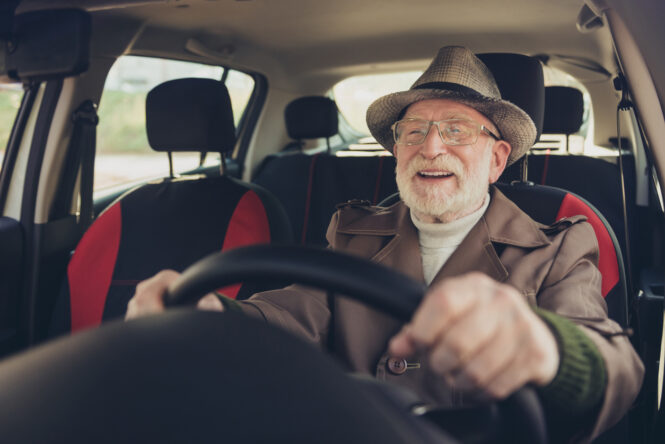
Being overly polite by waving people through when it’s your turn creates confusion and actually makes traffic less safe. You’re prioritising being seen as nice over following clear rules that keep everyone safe and moving efficiently.
People-pleasing behaviour like this shows someone who struggles with taking their turn or asserting themselves. You probably do this in life too, giving up what’s rightfully yours to avoid any possibility of seeming rude or causing conflict.
You rage at other drivers constantly.
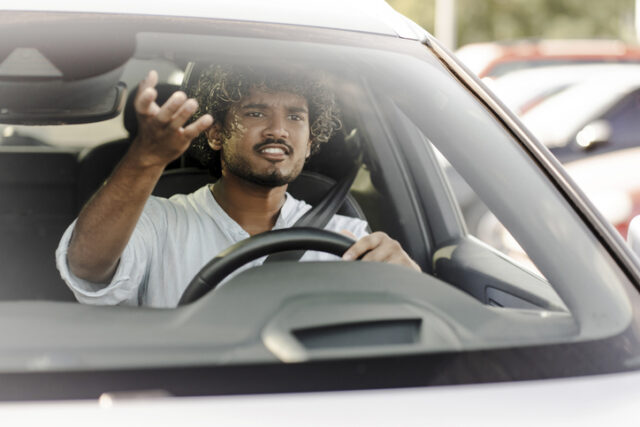
Screaming at people who can’t hear you, making aggressive gestures, getting genuinely furious over minor driving mistakes shows you have serious anger management issues that driving just brings to the surface.
If small driving infractions make you lose control emotionally, you’re unveiling someone with poor emotional regulation who likely explodes over minor issues in other areas too. The car just gives you a space where you feel safe unleashing it.
You never use your indicators.

Not signalling shows you don’t think other people need information about what you’re doing. You’re either too lazy to move your hand a few inches, or you genuinely don’t consider that other people might benefit from knowing your intentions.
That thoughtlessness reveals someone who doesn’t naturally consider how their actions affect other people. You’re probably like this in other situations too, making decisions without communicating them and leaving people to figure out what you’re doing.
You’re constantly checking your phone while driving.

Texting or scrolling at red lights or even while moving shows you value immediate gratification over safety for yourself and everyone around you. You can’t handle a few minutes without your phone, even in situations where distraction could kill someone.
The addiction to constant stimulation is a sign of someone with terrible impulse control and skewed priorities. If you can’t put your phone down when lives are at stake, you’re showing dangerous self-centredness and inability to delay gratification.
You always let people in and give way.

Being genuinely considerate, not performatively nice like number four, shows you naturally think about making things easier for others. You leave space for merging, let people turn, and generally make traffic flow better for everyone.
Showing consideration points to someone who thinks about collective good rather than just themselves. You probably approach other situations cooperatively too, looking for ways everyone can benefit rather than only focusing on your own advantage.
You park terribly and don’t fix it.

Taking up multiple spaces, parking at angles, or leaving your car in ways that inconvenience others shows carelessness or entitlement. You either don’t notice the impact or don’t care, neither of which reflects well on your consideration for others.
Such sloppiness reveals someone who doesn’t think about how their actions create problems for other people, or who thinks their time is more valuable than making effort for strangers. You probably leave messes in other shared spaces too.
You follow rules even when they seem pointless.
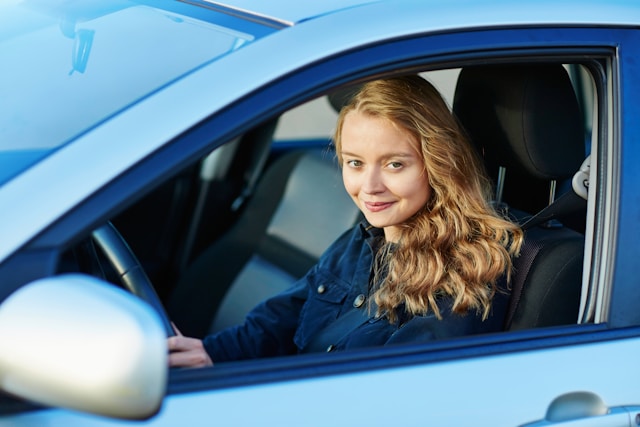
Stopping completely at stop signs on empty roads, not going even slightly over speed limits, following every rule precisely shows you value order and structure. You’re not comfortable with grey areas or making judgment calls about when rules matter.
That rigidity points to someone who needs clear guidelines and struggles with situations requiring flexibility. You probably apply rules strictly in other areas too, even when context suggests some discretion would be more appropriate.
You’re always rushing and cutting corners.

Running yellows that are basically red, cutting through car parks to avoid lights, constantly trying to shave seconds off your journey shows chronic time mismanagement and refusal to leave early enough.
Such frantic behaviour reveals someone who’s perpetually behind and compensating through risky shortcuts. You’re probably like this in other areas, creating urgency through poor planning then justifying cutting corners because now it’s an emergency.
You brake suddenly and accelerate hard constantly.
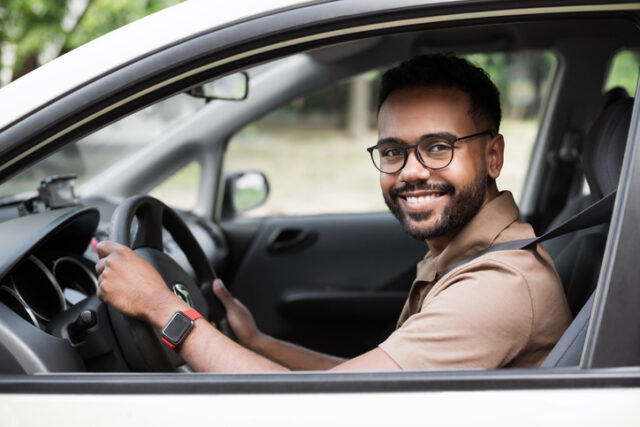
Jerky driving that throws passengers around shows you’re not thinking ahead or planning your movements. You react to immediate situations without anticipating what’s coming, making driving harder and less efficient than it needs to be.
Your lack of foresight reveals someone who doesn’t plan ahead or think more than one step forward. You probably approach other situations the same way, reacting to immediate demands without considering what’s coming next.
You’re always helping broken down cars or lost drivers.
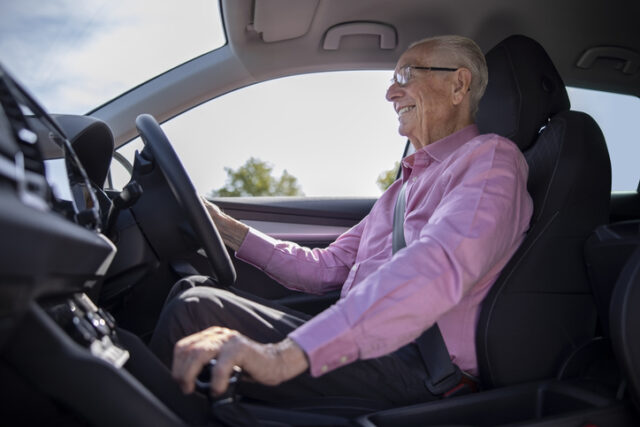
Stopping to help people genuinely in need, not just performing politeness, shows natural helpfulness and willingness to inconvenience yourself for strangers. You see someone struggling and your instinct is to assist rather than ignore it.
Cheerful helpfulness reveals someone with genuine empathy and willingness to act on it. You probably do this in other areas too, noticing when people need help and offering it without waiting to be asked.
You treat every journey like a race.
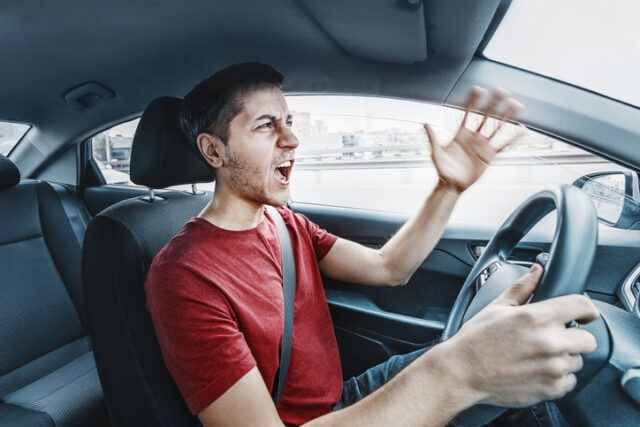
Competing with every car around you, getting annoyed when someone passes you, feeling the need to be first shows you’re turning a simple commute into a competition nobody else signed up for.
Competitiveness points to someone who can’t just exist without ranking themselves against others. You probably do this everywhere, turning neutral situations into contests and feeling threatened when others do better, even at things that don’t matter.
You’re relaxed and adapt to traffic flow.

Not getting stressed by delays, adjusting speed to conditions, generally going with the flow rather than fighting it shows emotional regulation and acceptance of things you can’t control. You’re not wasting energy on frustration over traffic.
Being adaptable is an indicator of someone with good stress management and realistic expectations. You probably handle other unpredictable situations well, too, adjusting to circumstances rather than getting upset that reality doesn’t match your preferences.
You honk at everything.
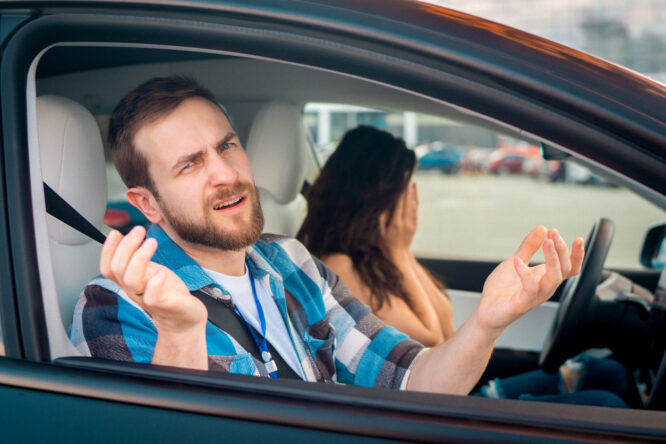
Using your horn constantly for minor infractions or just to express irritation shows you need to broadcast your emotions and make your displeasure everyone’s problem. You can’t just feel annoyed privately, you need everyone to know.
This need for expression is a sign of someone who makes their feelings everyone else’s issue. You probably do this in other situations too, unable to process emotions internally without making sure everyone around you knows exactly how you feel about everything.