Every year, usually right around Bonfire Night or New Year’s Eve, the same question pops up again.

It’s a valid one, to be fair: why doesn’t the UK government just ban fireworks for personal sale and be done with it? Plenty of people would welcome the idea, especially anyone with pets, young kids, or a nervous system that’s had enough of random bangs at 2 a.m. On the surface, it sounds like an easy win.
Of course, the reality is a bit more complicated than it looks. Fireworks sit at the intersection of tradition, regulation, money, and political caution, which means a straight ban isn’t as simple as flicking a switch. The reasons it hasn’t happened have less to do with ignorance or indifference and more to do with how government decisions actually get made once competing pressures start piling up.
The retail lobby has serious financial clout.

Supermarkets, corner shops, and specialist firework retailers make substantial profits during firework season, particularly in the weeks leading up to Bonfire Night. These businesses have established lobbying networks and trade associations that actively oppose any ban proposals.
When government consultations happen, the industry submits detailed responses highlighting job losses and economic impacts. They’ve got the resources to make their case heard at every level of government, and that kind of organised pressure makes politicians think twice before pushing through restrictions that would wipe out an entire product category.
Bonfire Night is tied to national identity.

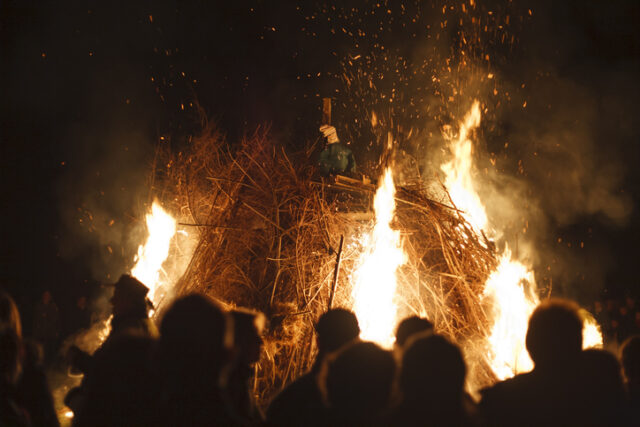
Guy Fawkes Night has been celebrated for over 400 years, and taking away the right to light your own fireworks would feel like dismantling a piece of British culture. Politicians know that voters get defensive when traditions are threatened, even if those traditions cause problems.
There’s a difference between regulating something and banning it outright, and crossing that line would spark accusations of being a nanny state. Any party that pushed through a complete ban would face backlash from people who see it as government overreach, regardless of the safety arguments behind it.
Enforcement would be practically impossible.

Police forces are already stretched thin dealing with serious crime, anti-social behaviour, and emergency callouts. Adding firework enforcement to their workload would require dedicated resources that simply don’t exist. Even if personal sales were banned in the UK, people could easily order fireworks online from EU countries or drive across the border to stock up.
Creating a black market for fireworks would actually make the problem worse because illegal fireworks are often more dangerous and there’d be no quality controls. The government would need to fund border checks, online monitoring, and prosecution systems, all for a ban that would be incredibly difficult to enforce in practice.
Organised displays aren’t accessible to everyone.
Professional firework displays cost money, require travel, and happen on specific dates that don’t suit all families. Someone working night shifts or caring for young children might not be able to attend a public event, but they can still celebrate at home with a small box of fireworks.
Rural communities often don’t have organised displays within reasonable distance, so banning personal sales would effectively end their Bonfire Night celebrations altogether. The government would face criticism for creating a two-tier system where only people with money and mobility get to participate in a national tradition.
The licensing system already exists as a compromise.
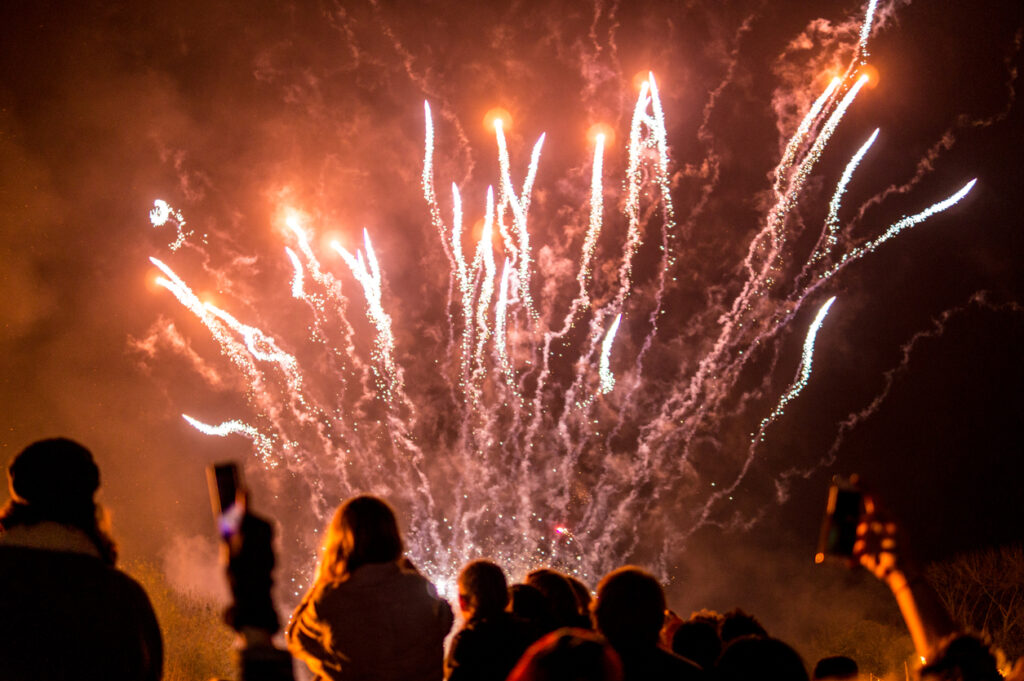
Fireworks are already regulated through age restrictions, sales periods, and noise limits, which gives the government something to point to when pressed about safety. Politicians can claim they’re taking the issue seriously without actually banning anything, and most voters don’t realise how limited these regulations actually are.
Tweaking the existing rules feels like progress while avoiding the controversy of an outright ban. It’s easier to add another restriction here or adjust a noise level there than to shut down an entire industry and deal with the fallout.
Public opinion is genuinely divided.
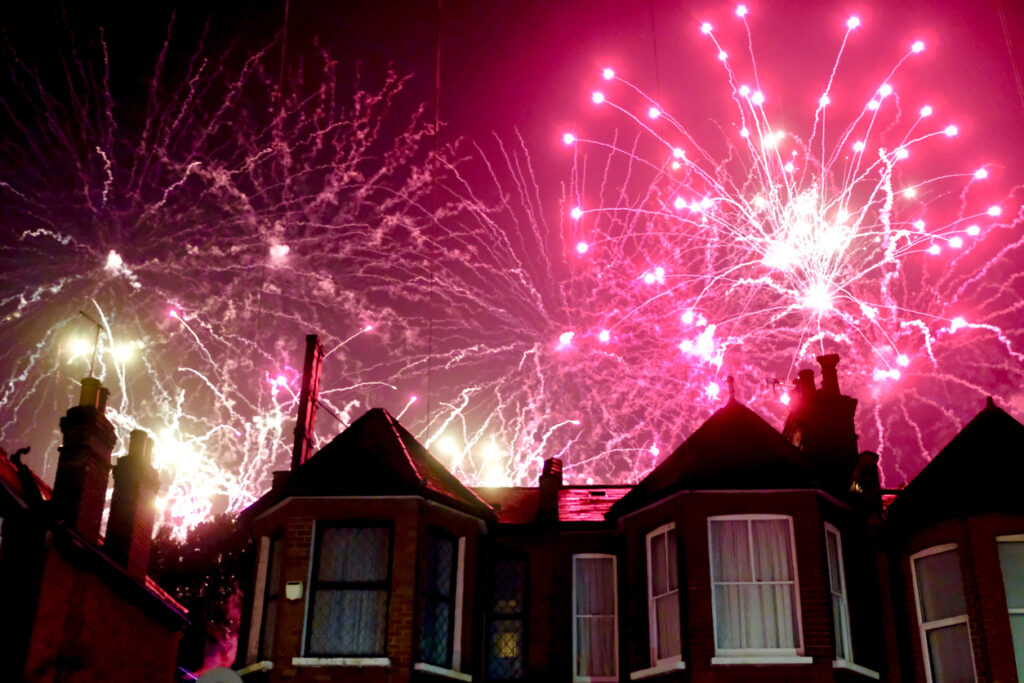
Surveys show that people are split on whether personal fireworks should be banned, with strong feelings on both sides. Some want them gone entirely because of pet distress and injuries, but others defend their right to celebrate however they choose. Politicians need clear public support before taking controversial action, and when the electorate is divided, the safest option is doing nothing.
Even people who don’t buy fireworks themselves often oppose bans on principle because they don’t want government dictating what adults can purchase. That lack of consensus makes it politically risky to push through restrictions that would anger a significant portion of voters.
The pet welfare argument hasn’t reached critical mass yet.

Animal charities and veterinary organisations have been campaigning about firework distress for years, but it hasn’t translated into enough public pressure to force government action. People care about their own pets, but that doesn’t always extend to supporting a nationwide ban that would affect everyone.
The issue gets attention during firework season and then fades from public consciousness, so it never builds the sustained momentum needed for legislative change. Politicians respond to consistent pressure, and while pet welfare concerns are valid, they’re not yet causing enough voter anger to outweigh the resistance from industry and tradition-minded constituents.
Local authorities don’t want the responsibility.

If personal sales were banned, councils would be expected to provide alternative celebration options, and most don’t have the budget for it. Organising professional displays requires insurance, trained staff, safety measures, and suitable venues, all of which cost money that councils don’t have.
Some areas already struggle to fund basic services, so adding firework displays to their responsibilities would mean cutting something else or raising council tax. Local governments would rather maintain the status quo than take on another expensive obligation, and they’ve made that clear to Westminster whenever the topic comes up.
There’s no political capital in being the party that banned fireworks.
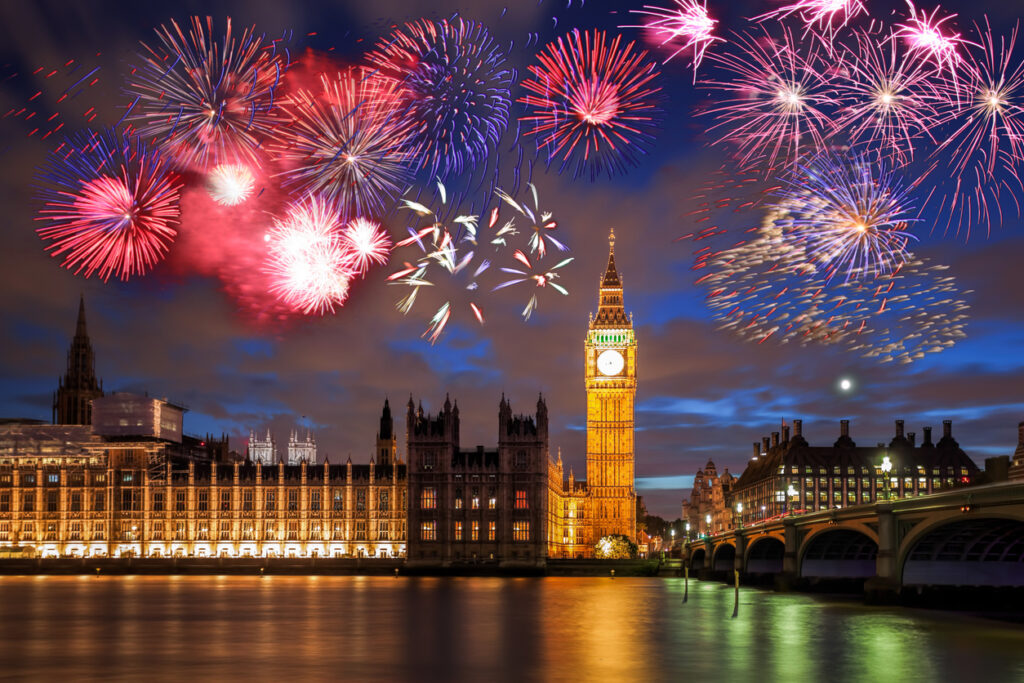
Politicians calculate whether an issue will win them votes or cost them support, and firework bans fall firmly in the latter category. The people who’d celebrate a ban are unlikely to change their voting behaviour based on it, but those who oppose restrictions would absolutely hold a grudge.
It’s a no-win situation where taking action creates enemies while doing nothing keeps everyone moderately dissatisfied but not angry enough to switch parties. MPs would rather focus on issues that might actually improve their electoral chances, instead of spending political capital on something that’ll only generate negative headlines.
The injury statistics aren’t dramatic enough to force action.

Firework-related injuries happen every year, but the numbers are relatively low compared to other preventable accidents. Thousands of people end up in A&E from falls, sports injuries, and DIY accidents, yet there’s no campaign to ban ladders or power tools.
The government has to prioritise based on scale of harm, and fireworks simply don’t cause enough serious injuries to justify the controversy and cost of a nationwide ban. Until there’s a major incident that shifts public opinion overnight, politicians can justify their inaction by pointing to the statistics and claiming the current regulations are working well enough.