There are few adverts that have ever managed to lodge themselves so deeply in the British imagination as “The Boy on the Bike.”
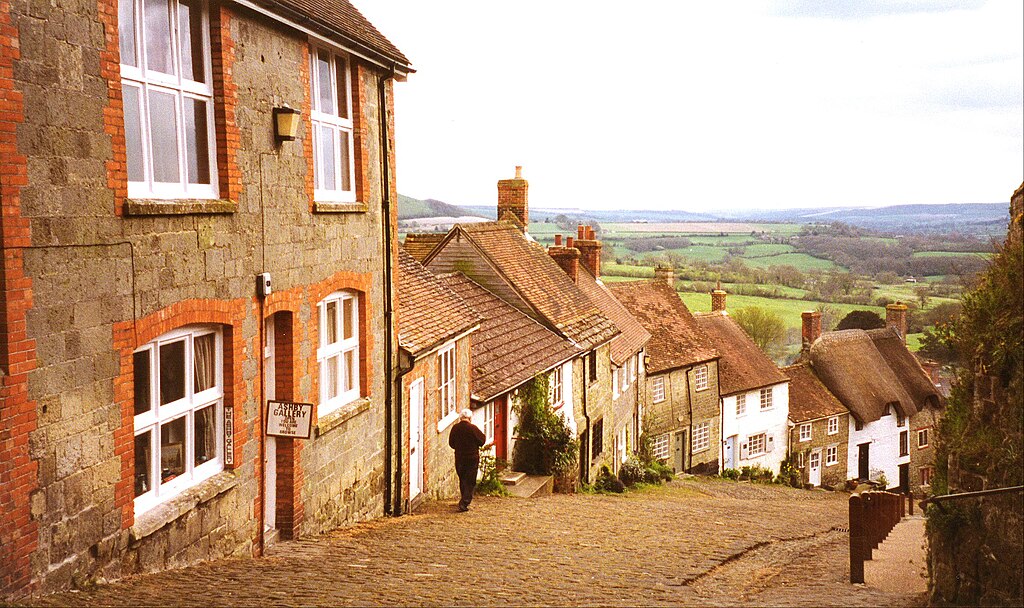
First shown in 1973, it’s that short film of a young lad pushing a bike up a steep cobbled hill, a basket full of bread wobbling on the front, before he freewheels back down as the brass music swells. For many people who grew up in the seventies, just hearing that tune or seeing that hill still stirs something: a small, almost wordless ache for a time that felt gentler, slower, and strangely familiar.
The fascinating story behind the ad
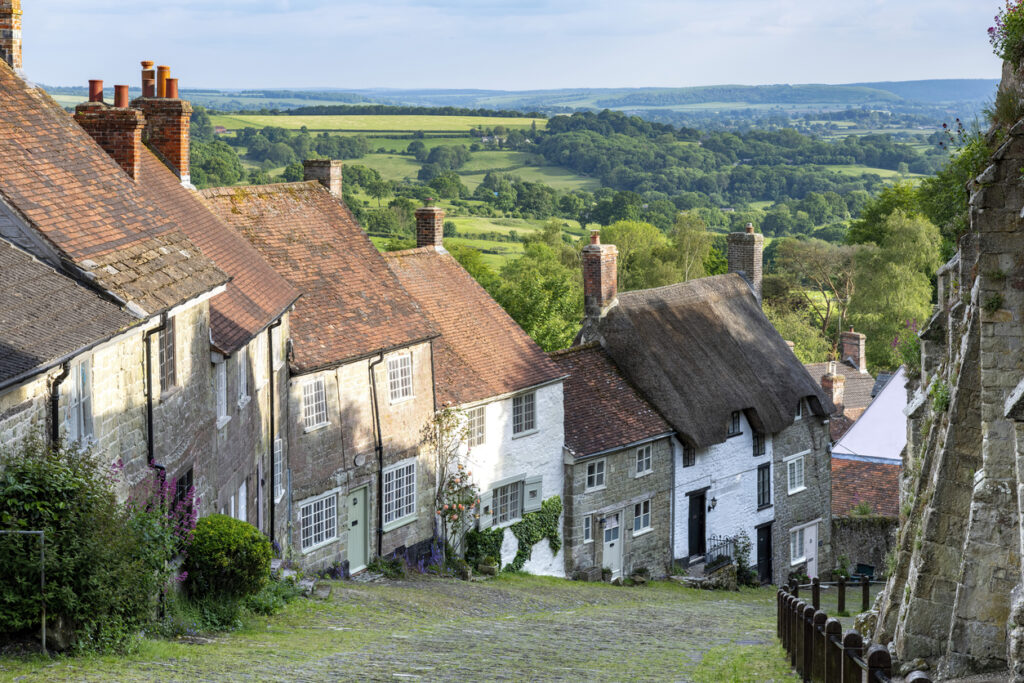
The advert was directed by a young Ridley Scott, long before Alien or Gladiator made him famous. He shot it on Gold Hill in Shaftesbury, Dorset, a street so steep and picturesque that it now feels almost mythical. The boy, played by thirteen-year-old Carl Barlow, was filmed pushing his bike up the cobbles, then sailing back down in the golden light. The narration, with its now-famous line, “T’was like taking bread to the top of the world—t’was a grand ride back though,” was recorded in a soft northern accent, giving the whole thing a sense of nostalgic regional warmth.
Interestingly, while the accent and the brass band make the ad feel rooted somewhere in Yorkshire or Lancashire, it was actually filmed in the south. That odd mix of northern charm and southern scenery somehow made it feel universal. It could have been anywhere in Britain, and that’s probably why it resonated so strongly.
The soundtrack, a brass-band version of Dvořák’s New World Symphony, ties everything together. It’s the sort of tune that rises and falls like memory itself: slow, proud, and full of feeling. Add in the image of a tired boy doing an honest job, and you’ve got something that touches people on a level that’s hard to explain.
How it became a classic
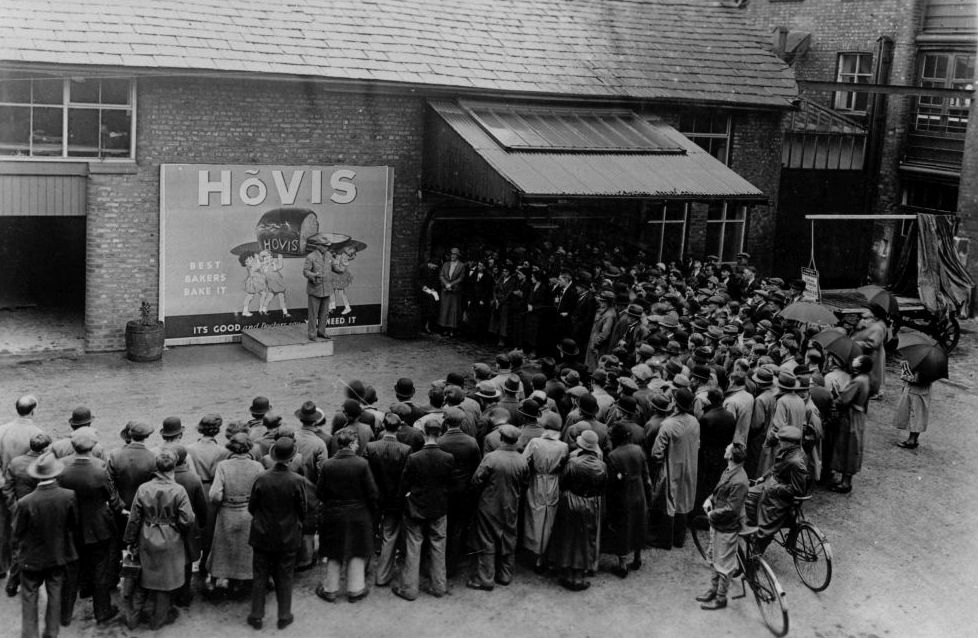
When the ad first aired, people didn’t just remember the bread. They remembered the feeling. It struck a chord because it captured something real. We’re talking the sound of the brass, the effort of the climb, the quiet pride in a job done well. In the early seventies, Britain was changing fast, but this advert offered a comforting glimpse of the kind of world people thought they might be losing: neighbours who knew each other, simple work, simple rewards.
Ridley Scott filmed it with the care of a short film rather than a commercial. Every frame looks like it could have been painted. There’s no glitz, no modern product placement, just the smell of warm bread and the sound of tyres rattling on cobblestones. For a nation that had grown up with village deliveries and corner shops, it was like watching a piece of themselves onscreen.
It was soon voted one of Britain’s most loved adverts and has been revived several times since, most recently when it was restored in stunning clarity by the British Film Institute. The restoration brought the old footage back to life, with the colours richer, the sound cleaner, but the emotion still the same. When it re-aired, people who hadn’t seen it in decades said it gave them goosebumps.
Why it’s still so effective, even more than half a century later
For anyone who grew up with that advert, it’s not really about bread. It’s about memory. The sound of the brass band and that slow climb up the hill pull you straight back to a time when life felt smaller and more grounded. You can almost smell the bread, feel the chill of the morning, and see yourself as a kid on your own street.
It also represents a kind of honesty that feels rare now. The advert doesn’t sell a fantasy life or an impossible dream. Instead, it celebrates effort, warmth, and home. The boy doesn’t just deliver bread; he earns his way back down the hill. That small triumph connects with something very human: the feeling of doing something real and being proud of it.
For many, it’s tied to their parents or grandparents, too. They remember seeing it as kids, maybe sitting with their family in the living room when there were only a few channels and everyone watched the same things. There’s a shared national memory in that, the kind that modern TV rarely creates.
The magic behind the camera
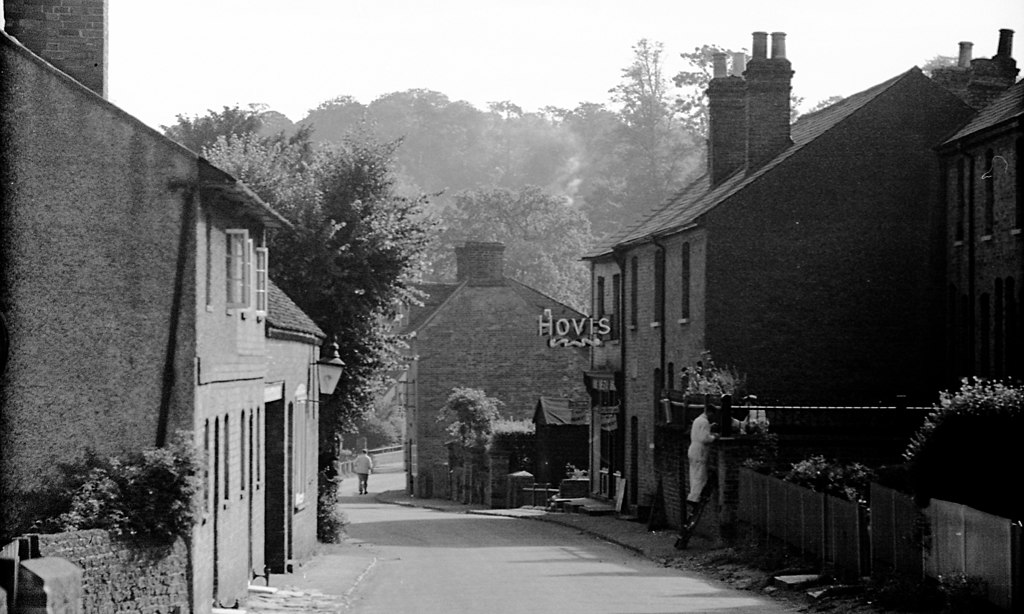
Carl Barlow, the boy in the ad, went on to become a firefighter, and decades later, when he revisited Gold Hill for interviews, he said he was still recognised as “the Hovis lad.” The advert took only a few days to film, but it defined a whole era of British advertising. The production was small, but Ridley Scott’s perfectionism showed, with every shot framed like a painting, every shadow carefully placed to catch the late-afternoon sun.
When the BFI restored the film in 2019, they spent months repairing scratches and faded colour from the original reels. Even Scott himself said seeing it again brought back memories of the early days of his career and how proud he’d been of something so simple. Watching that version now, you can see why: the glow on the cobbles, the dust rising, the long shot of the bike descending. It’s still beautiful.
How the legacy of the advert lives on
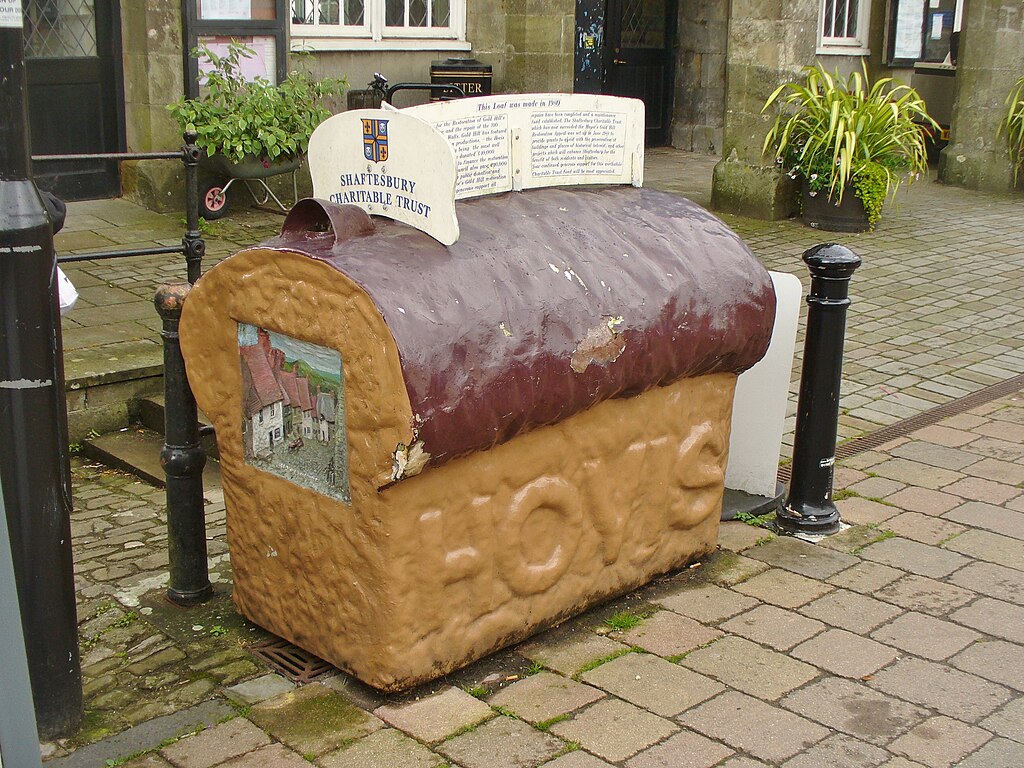
Half a century later, that boy and his bike still carry a kind of emotional weight. The ad represents the version of Britain many people wish they could step back into: one with community spirit, slower days, and honest work. And even if those memories aren’t quite accurate, they’re comforting.
It’s also proof that sometimes the smallest, quietest things last the longest. A minute-long film about a boy delivering bread somehow became one of the most enduring symbols of British nostalgia. It wasn’t flash, it wasn’t loud, and it didn’t rely on celebrities. It just felt real. That’s why, whenever it resurfaces, people still get misty-eyed. It’s not just about Hovis. It’s about who we were, and who we still want to believe we are.
If you watch it again today, try to forget the decades in between. Just watch the boy push that bike up Gold Hill. Listen to the slow brass music swell as he reaches the top. Then let the camera follow him as he glides back down, the bread safe in its basket, the world glowing around him.
That small moment, less than a minute long, is one of the most powerful pieces of British film ever made. And maybe that’s why it still moves people. Because even now, after more than 50 years, it’s not just a commercial. It’s a memory we can all share. You can relive the magic HERE.