Adult-only spaces spark fierce debates, especially when it comes to planes, restaurants, or hotels.

Many assume these rules are about disliking children, but that misses the point. In reality, they’re about choice, balance, and recognising that not every setting suits every age group. Here’s why some places might be better off without children, at least sometimes.
1. Flights highlight the tension.
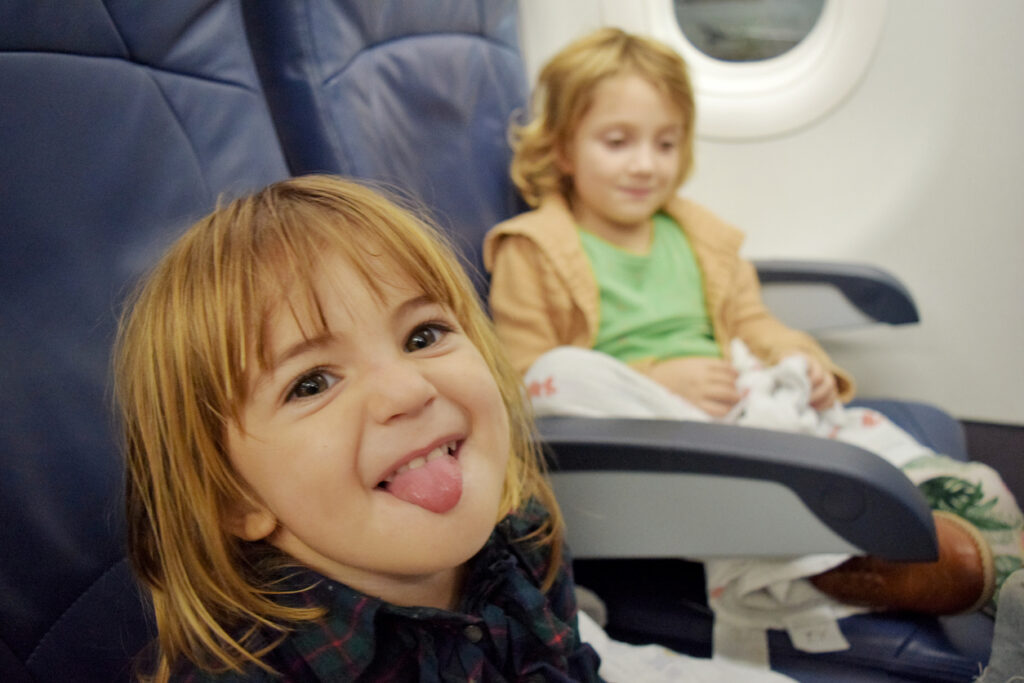
Airlines trialling child-free zones attract huge attention. For some, hours in a cramped cabin are already stressful, and the idea of guaranteed peace feels like relief rather than prejudice. It’s not about kids being bad—it’s about noise control on long journeys.
Providing optional child-free seating is a compromise that benefits both sides. Families can still travel without stigma, while those who need quiet for sleep or work have a space that respects their needs, too.
2. Fine dining relies on atmosphere.

High-end restaurants often lean on calm ambience, slow conversation, and carefully crafted menus. When a toddler tantrum breaks through, the atmosphere changes instantly—something that can frustrate diners paying for a rare experience.
Adult-only dining isn’t a judgement on parenting, it’s a business choice. It preserves the mood for those craving an uninterrupted evening while leaving plenty of family-friendly options elsewhere.
3. Hotels are creating child-free zones.

Resorts and boutique hotels offering adult-only stays are on the rise. Guests often want total relaxation, whether that’s at the pool, spa, or bar, and that environment doesn’t always mix well with kids running around.
These spaces cater to a specific audience. Families still have countless destinations built for them, while adults wanting genuine downtime without interruptions finally have a tailored option too.
4. Cinemas and theatres face the same question.

In recent years, more venues have trialled adult-only screenings. It’s not because kids aren’t welcome in entertainment—it’s about giving audiences who want to watch in silence a chance to do so without distractions.
Offering separate showings keeps choice intact. Families enjoy matinees, while adults who prefer focus get their evening free of chatter, phones, or restless kids.
5. Public transport sparks debate.

It’s not just planes—train operators and long-haul coach services have also tested child-free carriages. The idea draws strong reactions, but again it comes down to concentration, rest, and personal space during long journeys.
Dedicated carriages don’t erase children from public transport. They simply give adults the option to choose the type of journey they want, without taking travel away from anyone else.
6. Workplaces benefit from boundaries.

Post-pandemic, some offices experimented with child-friendly days, but many workers admitted they struggled to focus. Adult-only rules during core hours ensure everyone can concentrate without distraction.
This doesn’t dismiss parenting needs. It reinforces the idea that different environments serve different purposes: some are built for family time, others for professional focus.
7. Weddings are often at the centre of rows.
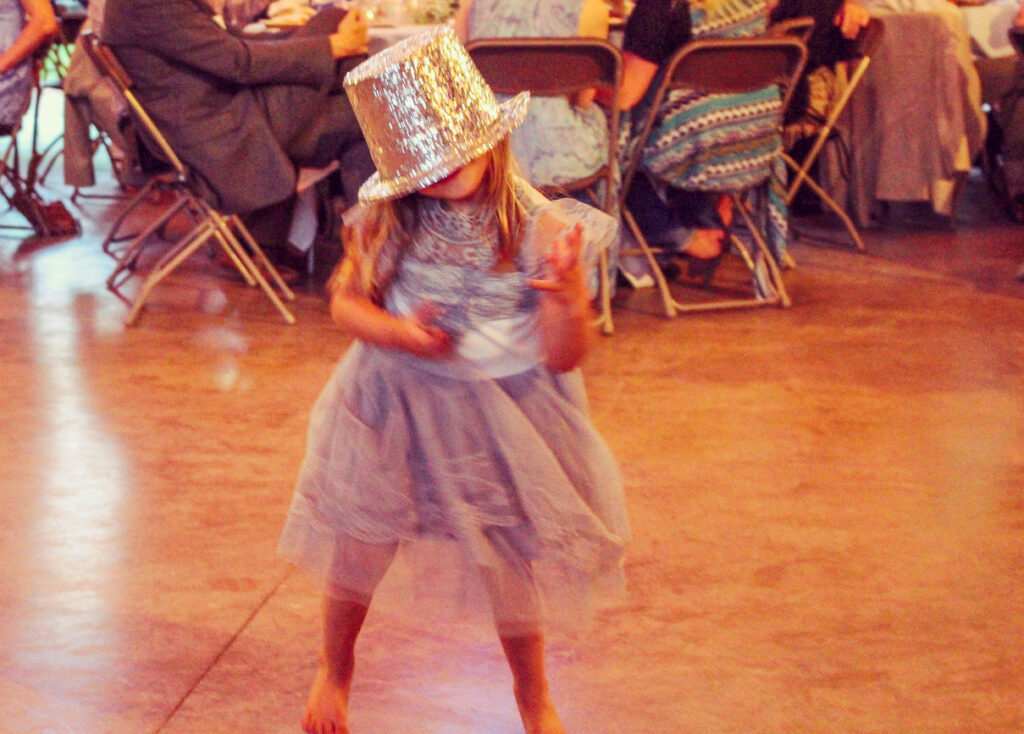
Couples increasingly choose adult-only guest lists. The reasoning isn’t malice—it’s often about budget, space, or simply wanting a party atmosphere without added responsibility for children’s safety or entertainment.
Inviting adults only allows hosts to shape the celebration they want. Families still have plenty of events together, but a wedding is one occasion where couples should have control over the mood.
8. Cafés and bars balance identity.
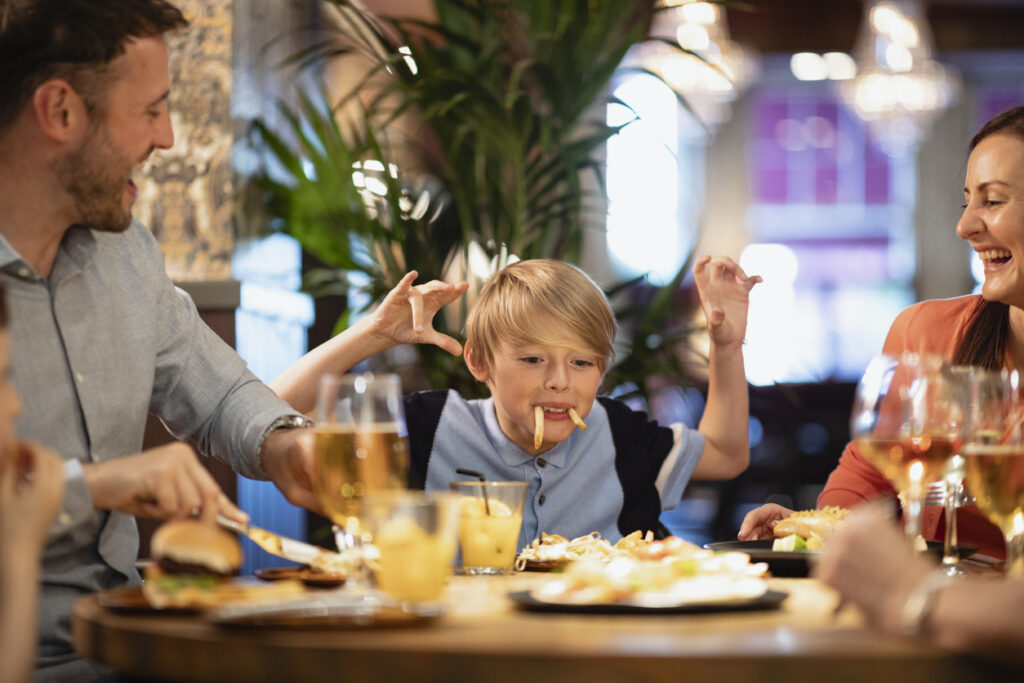
Some cafés and bars market themselves as calm working spots or evening hangouts. Constant noise from kids doesn’t match that purpose, so a “no children” policy aligns with the brand rather than targeting parents personally.
Clear boundaries help everyone know what to expect. Families choose welcoming places, while adults who want quiet or social drinks know where to find it.
9. Museums and galleries trial adult nights.
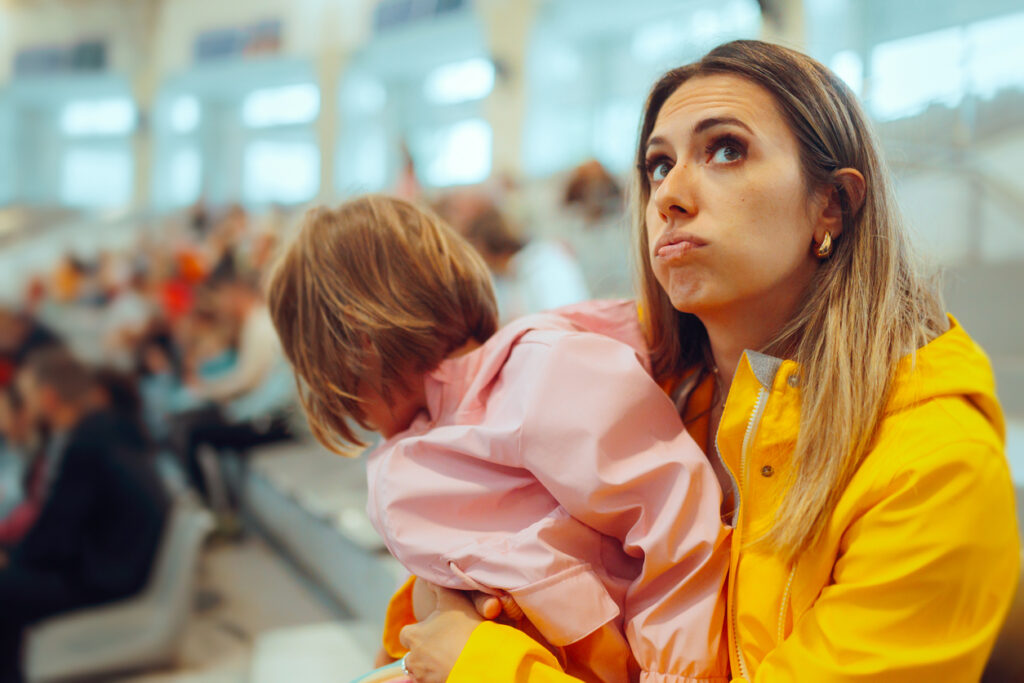
Cultural spaces often run special evening events for adults only. It’s not because children don’t belong in art or history—it’s to create a different kind of experience, with slower pacing and deeper conversations.
By alternating between family-friendly and adult-only sessions, these venues keep things inclusive. Everyone gets the type of visit they value most, without either group being pushed aside.
10. It’s about giving adults permission to rest.

The bigger picture is simple: adult-only rules don’t come from dislike, they come from recognising limits. Adults sometimes need peace, focus, or atmosphere that clashes with the natural energy of kids.
When choices exist—family zones alongside adult zones—everyone wins. Parents aren’t judged, children aren’t excluded from life, and adults aren’t denied the spaces they need to recharge or connect on their own terms.