You’d think earning a good salary and having a decent amount tucked away would mean buying a house is a no-brainer.

Unfortunately, in today’s British housing market, that’s just not the case. Even people pulling in six figures are finding themselves stuck—priced out, worn down by endless rent, and wondering how anyone manages to get on the ladder at all. Spoiler alert: it’s not because they’re bad with money. Instead, it’s down to living in a system that just doesn’t add up anymore. Here’s why even high earners can’t make it work.
1. House prices are still wildly out of reach.

Even though price growth has slowed a bit in 2025, the average house still costs over eight times the average salary. Depressing, right? That’s a massive stretch, even for people earning above average. You might have a solid income and savings, but it’s just not enough to cover the kind of deposit lenders now expect, especially in big cities or anywhere remotely desirable.
The problem isn’t just the number itself, really; it’s how fast it grew compared to wages. Property prices have shot up over the past two decades while earnings have barely kept pace. That gap hasn’t closed, and unless you’ve got help from family or a major inheritance, you’re stuck playing catch-up.
2. The deposit you need now is huge.

You might think a 10% deposit is manageable on a good salary, but when the average home price is pushing £280k, that’s still £28,000, and many lenders want closer to 15–20%. That pushes the deposit into the £40k+ range, and that’s before you even factor in legal fees, moving costs, or stamp duty.
Plus, if you’re already paying high rent each month, saving anything at all feels like a victory. Rent prices have been climbing faster than wages in many parts of the UK, so your income might be strong on paper, but your savings grow painfully slow in real life.
3. Mortgage rules are tougher than they look.

Getting a mortgage isn’t just about earning well. You also have to be able to pass stress tests, show years of clean credit, and prove you’ve got a cushion. Even with a great salary, you could find yourself blocked because of freelance income, student loans, or the way your bank statements look.
There’s also the fact that when interest rates spiked in recent years, lenders got stricter. Monthly repayments on even modest mortgages became harder to justify, and banks are still cautious. So unless everything in your financial history lines up perfectly, you’re likely to hit a wall.
4. Supply just doesn’t match demand.
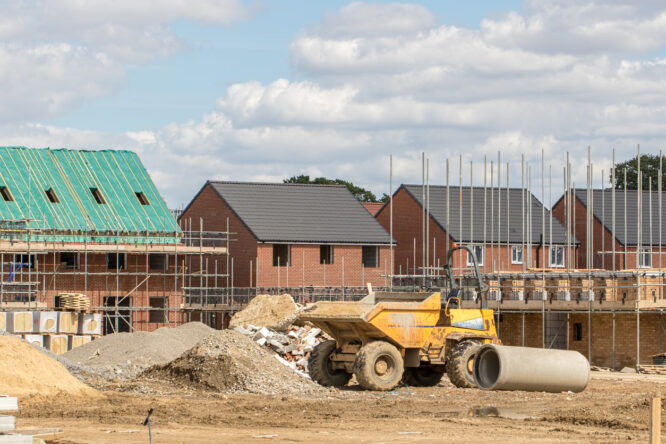
There simply aren’t enough homes to go around. Councils aren’t building fast enough, planning laws are tight, and the few homes that do come up are often snapped up by investors or people with family money. High earners are stuck competing in a market that’s already stretched beyond breaking point.
The lack of supply keeps prices artificially high, even when demand dips a little. It’s not about whether you deserve a home. It’s about whether one exists at all within your range, and increasingly, the answer is no.
5. Stamp duty can add on more than people realise.

When you finally get close to buying, stamp duty comes in and wipes out a chunk of your budget. For many buyers, that’s an extra £5–10k on top of everything else. The thresholds haven’t kept pace with house prices, so plenty of people get caught out, especially in London and the South East. It’s not just a financial hit, it’s a mental one. After saving and planning for years, getting slapped with a tax for finally making progress feels like punishment instead of progress.
6. High salaries don’t stretch as far as they used to.

What sounds like a lot of money—£60k, £80k, even £100k—doesn’t always go as far as people think, especially if you’re living in areas where the cost of living is high. Once you factor in tax, rent, bills, and commuting, there’s often not much left to throw into a deposit fund.
This isn’t a result of poor budgeting. It’s just the reality of a system that takes more from you the more you earn, without giving you better access to things like housing. Earning more helps, but it doesn’t crack the property market wide open like it once might have.
7. Policy “help” hasn’t actually helped.

Things like Help to Buy and shared ownership were supposed to make things easier. In reality, they pushed up demand without fixing the supply issue, which made prices climb even higher. Some people got in, but a lot of people found themselves stuck in weird contracts or priced out altogether.
Now that many of those schemes have been scaled back or closed entirely, the system’s even harder to navigate. There’s no clear support in place, and no sign that the market will change in favour of the everyday buyer anytime soon.
8. Renting is draining your future.
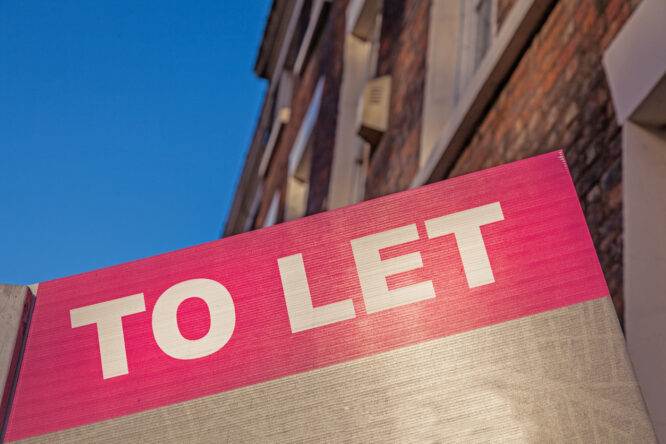
When you’re paying £1,500 a month in rent, there’s not much left over to save. Even if you’re earning well, your rent often eats the money that could’ve gone toward a deposit. It’s like treading water: paying to live, but never getting ahead.
Meanwhile, landlords are building equity, and your money is helping them do it. That gap between renters and owners keeps getting wider, and it’s not a mindset problem, it’s structural. It’s really wearing people down, no matter how financially capable they are.
9. Investors are still beating you to it.

Even now, cash buyers and investors with multiple properties can move faster and offer more than you. You might spend weeks sorting mortgage agreements, only to get gazumped at the last minute by someone who can hand over the full amount in cash.
There’s no fair play when the entire system is rigged. You might be doing everything right, and still end up priced out because someone wealthier decided to grab another asset. It’s frustrating, and it’s happening more than ever.
10. The emotional toll is heavier than people realise.

Trying to buy a house and failing, over and over, chips away at your self-esteem. It’s hard not to feel like you’re doing something wrong, even when you know the system is broken. You start questioning whether you’ll ever get there, or if homeownership just isn’t in the cards anymore.
That weight is real, and it’s affecting more than just low-income households. Even people with solid careers, decent savings, and financial discipline are hitting the same wall. It’s not about effort. It’s about access, and right now, it’s blocked for too many people.