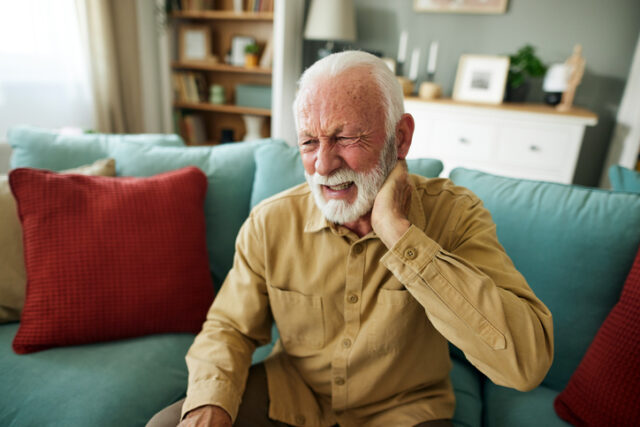
Most people aren’t exactly thrilled about getting older, but age is just a number, right?

Just because you’re 60 or 70 (or even older) doesn’t mean you’re “old”—it’s all about how you feel, and science proves it. In fact, there’s actual data behind people who say they feel younger than their birth certificate suggests. Your subjective age, how old you feel inside, can genuinely influence how long and how well you live.
Your body responds to how old you think you are.

When you feel younger than your actual age, your body often performs better in measurable ways. Studies show people with younger subjective ages have better physical function, stronger immune responses, and healthier biomarkers than those who feel their chronological age.
This isn’t just positive thinking nonsense, it’s your brain influencing physical systems. When you identify as younger, you’re more likely to move like it, engage like it, and your body follows that lead. Your mindset creates a feedback loop with your physical health.
You’re more likely to stay physically active.

People who feel younger don’t see exercise as something old people should take carefully. They’re more likely to try new activities, push themselves a bit, and generally move their bodies in ways that keep them functional and strong.
Feeling your age or older often comes with the belief that you should slow down and be careful. That protective instinct actually accelerates decline. When you feel younger, you maintain the kind of activity levels that genuinely keep you healthier for longer.
Your brain stays sharper when you feel vital.

Subjective age affects cognitive function in real ways. People who feel younger show better memory, processing speed, and overall brain health. They’re less likely to experience the cognitive decline that we assume is just inevitable with ageing.
When you think of yourself as mentally sharp and capable, you keep challenging your brain. You learn new things, stay curious, engage with complexity. That mental activity builds cognitive reserve that protects against decline as you actually age.
You take better care of yourself generally.

Feeling younger makes you more invested in your future. You’re more likely to eat well, go to the doctor, and make choices that benefit future you because you still see decades of good life ahead worth protecting.
People who feel old often stop bothering with preventive care or healthy habits because they’ve mentally checked out. When you feel vital and young, maintaining your health feels worth the effort. That ongoing care compounds into significantly better outcomes over time.
Stress affects you less dramatically.

Your subjective age influences how your body responds to stress. People who feel younger show lower inflammation markers and better stress recovery. They bounce back from difficult situations faster both mentally and physically than people who identify as their chronological age.
Feeling old makes stress feel more threatening and overwhelming. When you feel younger, you approach challenges with more resilience and optimism. That difference in stress response has huge implications for everything from heart health to immune function over the long term.
Social connections stay stronger and more active.

When you feel younger, you’re more likely to maintain diverse friendships, try new social activities, and engage with people across different ages. You’re not limiting yourself to what’s age appropriate, which keeps your social world broader and more stimulating.
Social isolation is a massive predictor of early death, potentially worse than smoking. Feeling younger keeps you socially engaged in ways that protect against loneliness and disconnection. Those relationships literally add years to your life through multiple pathways.
You’re open to new experiences and growth.
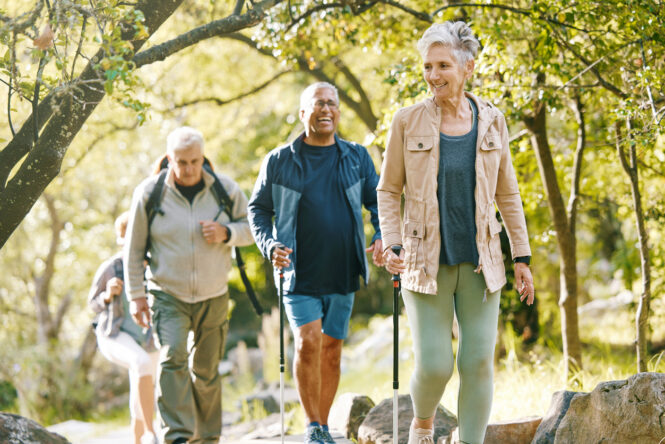
People with younger subjective ages keep learning, travelling, trying things, and evolving. They haven’t decided they’re done growing or that certain experiences are behind them now. That openness to novelty keeps both brain and body more adaptable.
When you feel old, you often stop seeking new experiences because you’ve mentally retired from life. That stagnation accelerates decline in every area. Staying curious and willing to try new things maintains the flexibility that keeps you actually younger biologically.
You recover from illness and injury faster.
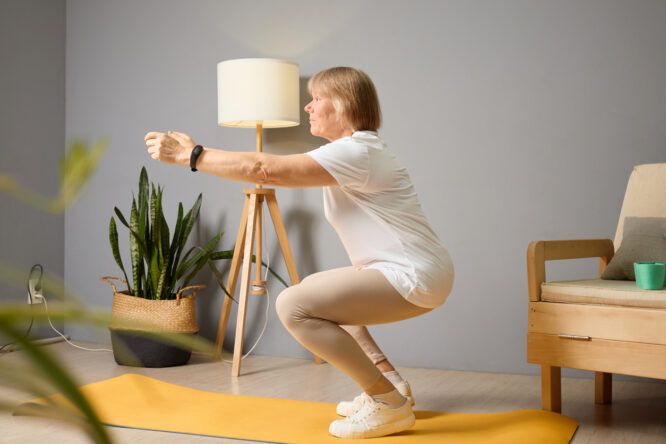
Subjective age predicts recovery rates from health setbacks. People who feel younger heal faster, regain function more completely, and experience fewer complications. Their expectations about what’s possible influence how hard their body fights to get back to baseline.
Feeling old creates acceptance of decline that becomes self-fulfilling. When you expect to bounce back because you feel vital, you push harder in recovery and your body responds. That difference in expectation and effort shows up in measurably better outcomes.
Depression and anxiety affect you less.
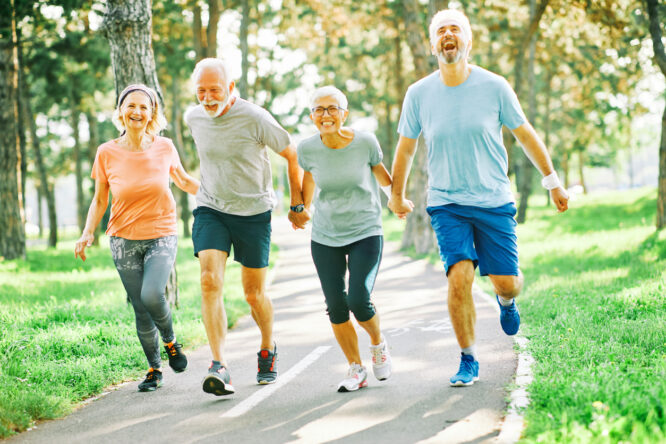
Younger subjective age is associated with better mental health overall. When you feel vital and engaged with life, you’re less likely to experience the depression and anxiety that often accompany ageing. Your mental state stays more resilient and optimistic.
Mental health directly impacts physical health and longevity. The mind body connection means that feeling younger protects your mental wellbeing, which in turn protects your physical health. It’s all connected in ways that compound over time into significant differences.
You maintain a sense of purpose and meaning.

Feeling younger keeps you engaged with goals, projects, and reasons to get up each day. You’re still building toward something rather than just managing decline. That sense of purpose is one of the strongest predictors of longevity across cultures.
People who feel old often lose that forward momentum and start just existing rather than living. When you feel younger, you maintain the drive that keeps life feeling worth engaging with fully. Purpose adds years, and feeling young maintains that sense of possibility.
Your attitude toward ageing becomes healthier.
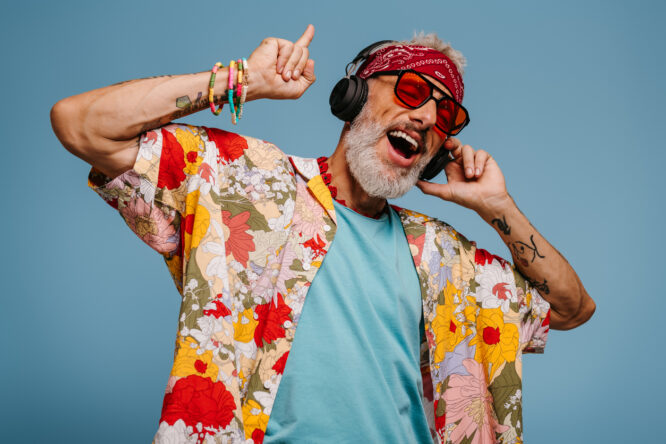
When you feel younger than your age, you’re less likely to buy into negative stereotypes about getting older. You don’t accept limitations as inevitable, and you challenge assumptions about what people your age should or shouldn’t do.
Ageism, including internalised ageism, literally shortens lives. Fighting against those limiting beliefs by maintaining a younger identity protects you from the physical effects of age-based stereotypes. Your resistance to being old keeps you functionally younger.
You’re more likely to have something to look forward to.

People with younger subjective ages plan holidays, start projects, make long-term plans. They see their future as expansive rather than contracting. That forward-looking perspective changes how you live now and how your body prepares for that future.
When you feel old, you stop planning ahead because you assume your best years are behind you. That mindset creates a self-fulfilling prophecy. Feeling younger means investing in your future, which gives you reasons to maintain health and vitality today.
Your cells might actually age more slowly.
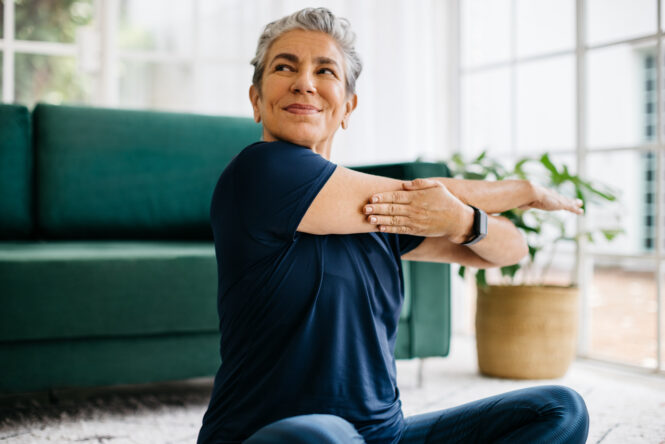
Emerging research suggests subjective age might influence biological ageing at the cellular level. People who feel younger show slower rates of cellular ageing and longer telomeres, the protective caps on chromosomes that shorten as we age.
This is perhaps the most remarkable finding, that how old you feel might literally affect how fast your cells deteriorate. The mind body connection goes deeper than anyone realised. Feeling vital and young isn’t just psychological comfort, it’s potentially rewriting your biological destiny.