The sight of rubbish dumped by roadsides, litter scattered across streets, and senseless vandalism has become depressingly normal across Britain.
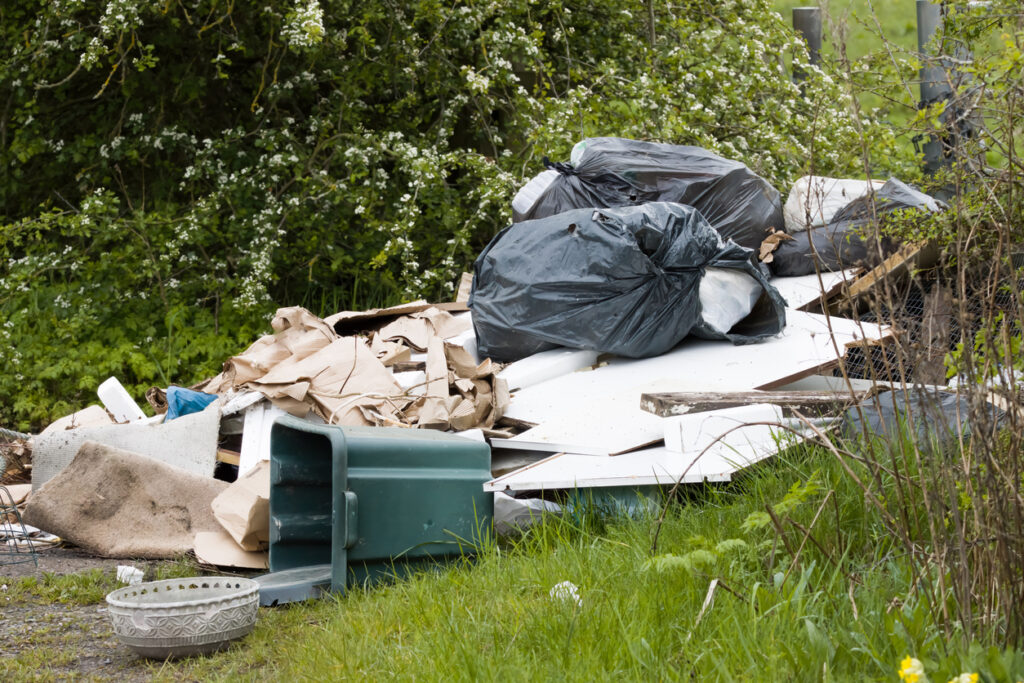
These acts of environmental destruction aren’t random, unfortunately. They’re symptoms of deeper social problems that have been building for years and exploded into plain view. Here’s what’s really going on, and what would need to change for the situation to improve.
1. People feel disconnected from their local communities.
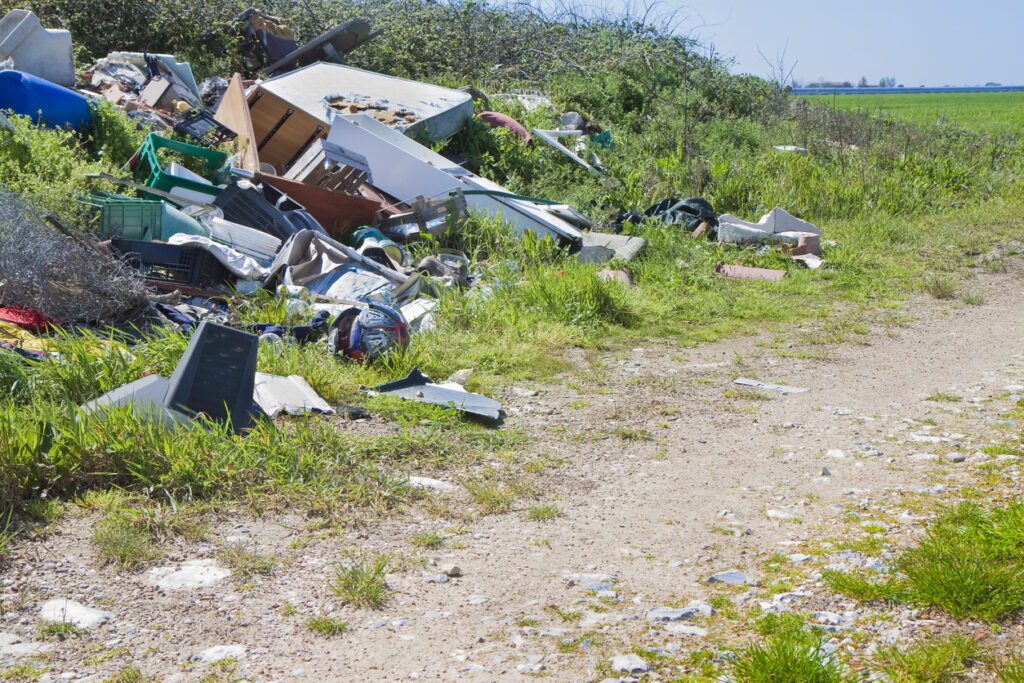
When you don’t feel ownership or pride in your neighbourhood, trashing it becomes easier to justify. Many areas have lost the social bonds that once made residents care about keeping their streets clean and pleasant.
Strong communities naturally police themselves because people know their neighbours and feel accountable to them. Without those connections, antisocial behaviour flourishes because nobody feels responsible for maintaining shared spaces or calling out destructive behaviour.
2. The cost of proper waste disposal has pushed people toward illegal dumping.
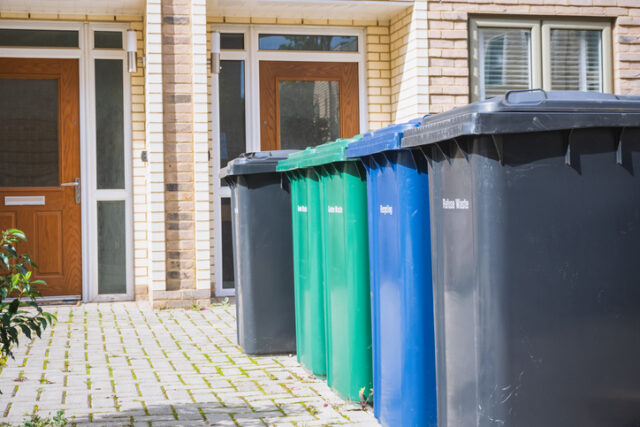
Council cuts have reduced bin collections, closed recycling centres, and introduced charges for bulky waste removal. When getting rid of a mattress costs £30 and involves waiting weeks for collection, some people choose to dump it illegally instead.
Local authorities dealt with over 1.15 million fly-tipping incidents in 2023/24, which is a 6% increase from the previous year. Much of this surge stems from making legal disposal inconvenient and expensive, while illegal dumping remains relatively consequence-free for most offenders.
3. Enforcement has become practically non-existent.

Budget cuts have decimated the number of environmental enforcement officers patrolling streets. Most people who litter or fly-tip never face any consequences, so the behaviour spreads as other people see they can get away with it.
Only 1 in 1,000 fly-tipping incidents results in prosecution, and 61% of councils didn’t prosecute anyone for illegal dumping despite dealing with thousands of incidents. When bad behaviour goes unpunished, it becomes normalised across entire communities.
4. Social media has normalised selfish behaviour.

Online culture celebrates individual gratification over community responsibility. People see influencers and celebrities acting entitled and conclude that considering anyone else is old-fashioned or naive.
The “main character” mentality promoted on platforms like TikTok and Instagram makes people feel like the world exists for their convenience. This self-centred worldview translates into real-world behaviour, where other people’s comfort and shared spaces matter less than personal convenience.
5. Economic inequality breeds resentment toward public spaces.

People struggling financially often feel that society has failed them, leading to a “why should I care?” attitude toward maintaining environments they don’t feel they truly belong in or benefit from.
Research shows that deprived communities experience almost three times as much litter as affluent areas. When people feel excluded from prosperity, trashing public spaces becomes an expression of anger and disconnection rather than simple laziness.
6. The “tragedy of the commons” has taken hold.

When everyone assumes someone else will clean up messes, nobody takes responsibility. This collective shirking of duty creates a downward spiral where deteriorating conditions justify further neglect.
Once an area reaches a certain level of mess, people stop trying to maintain standards because it feels pointless. A single piece of litter attracts more litter, and a neglected space signals that nobody cares enough to intervene.
7. Instant gratification culture clashes with civic responsibility.
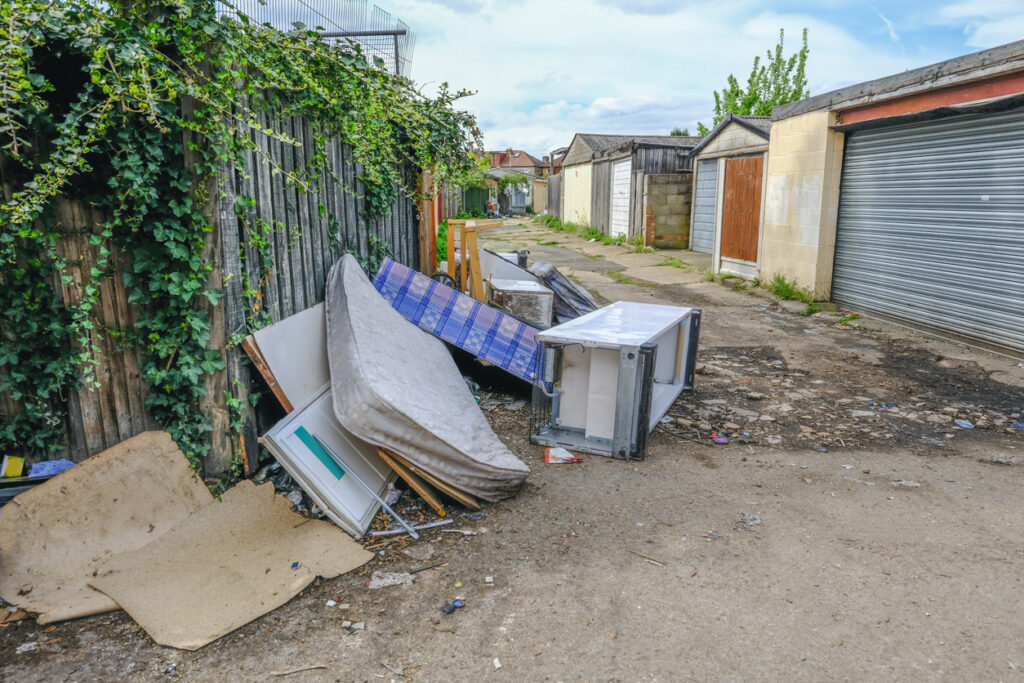
Modern life prioritises immediate convenience over long-term consequences. Dropping litter or fly-tipping solves an immediate problem without considering the broader impact on communities and environment.
People want quick fixes rather than proper solutions that require effort or patience. Throwing a cigarette butt on the ground takes zero effort, while finding a bin requires walking and thinking ahead about disposal.
8. Anti-authority attitudes have spread beyond politics.

Growing mistrust of institutions has created a general “stick it to the system” mentality. Breaking rules about waste disposal becomes a small act of rebellion against authorities people feel have let them down.
This anti-establishment feeling makes environmental laws feel like oppressive control rather than necessary community standards. People justify illegal dumping as resisting bureaucratic overreach instead of recognising it as harmful antisocial behaviour.
9. Role models and authority figures have failed to set examples.

When politicians, celebrities, and business leaders regularly flout rules without consequences, ordinary people conclude that civic responsibility is for suckers. Bad behaviour at the top trickles down through society.
High-profile cases of wealthy individuals or organisations dumping waste illegally while avoiding serious punishment send clear messages about whose rules really matter. This perceived double standard undermines respect for environmental regulations.
10. Mental health problems have increased antisocial behaviour.

Rising levels of depression, anxiety, and social isolation make people less capable of considering their impact on other people. When you’re struggling to cope with daily life, maintaining community standards feels impossible.
The pandemic significantly increased mental health challenges, and these effects continue to manifest in reduced civic engagement and care for shared spaces. People dealing with internal chaos often struggle to maintain external order.
11. Educational failures around civic responsibility.

Schools no longer teach community pride and environmental stewardship as core values. Many young people genuinely don’t understand why littering or fly-tipping matters beyond potential fines.
Without explicit education about how individual actions affect community wellbeing, people default to self-interested behaviour. The connection between personal responsibility and collective quality of life isn’t intuitive. It needs to be taught and reinforced.
12. Housing policies have created transient populations.

Frequent moving due to rising rents and housing insecurity means people don’t invest emotionally in their temporary neighbourhoods. When you might move next year, maintaining local environmental quality feels pointless.
Stable communities develop pride and ownership over time, but constant population turnover prevents these bonds from forming. Short-term residents treat areas like hotel rooms rather than permanent homes they want to preserve.
13. Consumer culture has created a throwaway mentality.

Society encourages buying new things constantly, while providing fewer options for responsible disposal of old items. A consumption-focused mindset treats waste as an inevitable byproduct rather than a problem requiring solutions.
Fast fashion, planned obsolescence, and disposable products have trained people to see throwing things away as normal and necessary. The massive increase in packaging and single-use items creates more waste than infrastructure can handle properly.
14. Success stories aren’t publicised enough.

Media coverage focuses on problems rather than solutions, making environmental destruction seem inevitable and unstoppable. People rarely hear about communities that have successfully reduced littering and fly-tipping through collective effort.
Without positive examples and proof that change is possible, people become resigned to declining environmental quality. Highlighting successful clean-up efforts and community pride initiatives could inspire similar improvements elsewhere.