The idea that only children grow up to be lonely or socially awkward is a tired myth that doesn’t hold up once you actually look at how they turn out.

In reality, growing up without siblings often gives them a massive head start because they spend so much more time engaging with adults and learning how to navigate the world on their own terms. Without the constant noise and competition of a busy house, they develop a level of independence and self-reliance that most people don’t find until they’re much older.
They’re not waiting for someone else to entertain them or validate their choices because they’ve been comfortable in their own company since they were 5 years old. These are just some of the reasons that being an only child can actually be a massive advantage, helping them become some of the most capable and well-balanced adults you’ll ever meet.
1. They get all their parents’ attention during the years that matter most.

When parents can put all their energy into one child, that kid gets proper emotional support without having to scrap for it. There’s no competing for help with homework, no shouting over the dinner table to talk about their day, and nobody else taking up the oxygen when something important happens.
That reliable presence builds a level of confidence and self-worth very early on. They grow up feeling like their thoughts and problems actually matter, rather than just being another task on a long list of things for mum and dad to deal with. This creates a solid internal foundation that makes them much more resilient when life gets difficult later on.
2. They learn to keep themselves busy and develop proper interests.

Without siblings around 24/7, only children get very comfortable being alone and figure out how to entertain themselves. They tend to read more, dive deep into specific hobbies, and don’t need someone else around every single minute just to feel okay.
As adults, they don’t need constant approval or outside distraction to be happy because they’ve mastered the art of being their own best company. They’re not the type to panic if a Friday night plan falls through; they’ll just enjoy the quiet time instead. Being able to be so self-contained is a massive advantage in a world that’s often uncomfortably loud and demanding.
3. They’re around adult conversation from a young age.

Only children spend a lot of time with grown-ups, which means they hear how adults actually talk things through and sort out problems. They pick up on how to communicate properly and handle complex emotions because they’re listening to that level of dialogue all the time.
That early exposure makes them much better at dealing with people in professional and personal settings later on. They don’t find it intimidating to speak to authority figures or navigate office politics because they’ve been doing it since they were in primary school. It gives them a maturity and a vocabulary that often puts them years ahead of their peers.
4. They don’t carry childhood resentment about sibling stuff into their adult life.

There’s no lingering bitterness about who was the favourite, no hurt from being compared to a more successful brother, and no old arguments still festering after 20 years. Only children go into adult relationships without that competitive streak that often comes from spending your entire childhood fighting for attention. T
hey don’t feel the need to “win” every interaction or prove they’re the best in the room just to feel seen. Because they never had to defend their territory or their toys from a rival, they tend to be more relaxed and secure in their own skin. The lack of baggage makes them much easier to get along with in a long-term partnership.
5. They’re actually better with people than everyone assumes.
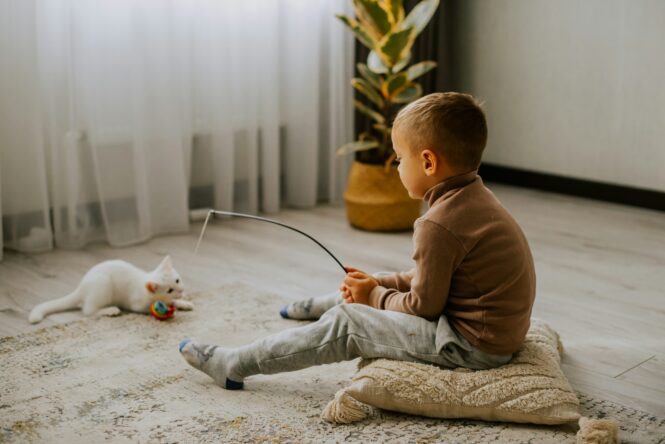
Because only children can’t just default to playing with siblings, they have to put in the work to make friends and actually keep them. They learn how to reach out, how to compromise with other kids, and how to handle different social situations entirely on their own.
These social muscles get a proper workout because they’re constantly having to build their own “village” from scratch. As a result, they often end up being more adaptable and observant than people who always had built-in playmates at home. They value their friendships deeply because they chose them, rather than just being stuck with them by blood.
6. They build proper relationships with their parents.
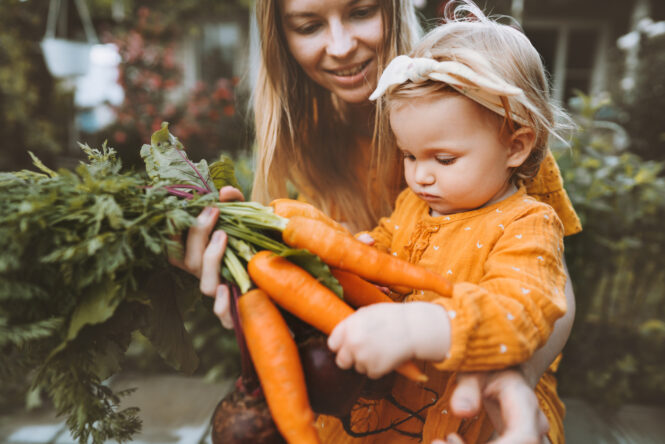
Without sibling drama complicating every family dinner, only children often become genuinely close to their parents as they get older. These relationships are based on actually liking each other as people, rather than just being a result of exhausted parenting or stretched resources.
As adults, they usually stay close to their parents without all the favouritism baggage that can cause rows in larger families. They don’t have to navigate the middle child syndrome or the golden child pressure, which allows for a much more honest and straightforward connection. Having such a strong family bond provides a safety net that helps them feel secure as they navigate their own adult lives.
7. They learn to be generous by choice, not force.
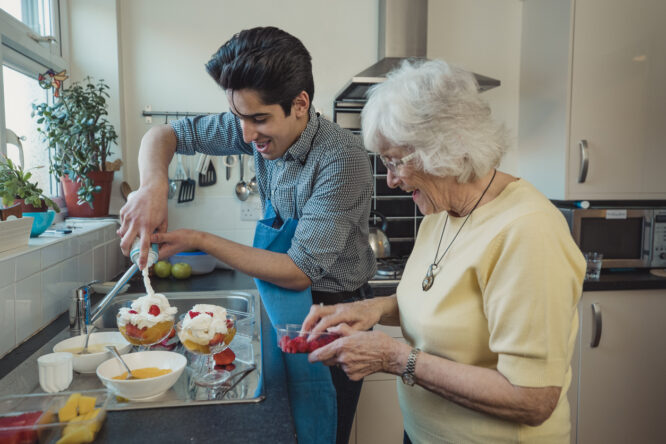
It’s a common trope that only children are selfish because they didn’t have to share, but the opposite is often true. They learn to give because they actually want to, not because a parent made them hand over their favourite toy just to stop a screaming match. That creates a much healthier understanding of generosity that isn’t tied to resentment or obligation.
They’re often the most giving people in a group because they don’t have that “scarcity” mindset where they feel they have to grab what they can before someone else takes it. Their kindness comes from a place of security, which makes it feel a lot more genuine.
8. They understand that people need space in relationships.
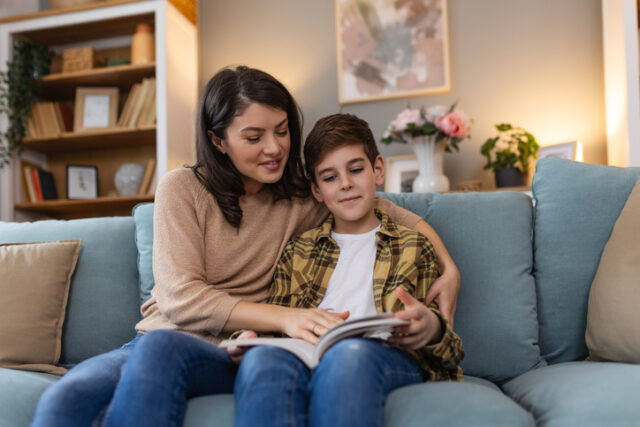
Only children don’t expect a relationship to mean being together constantly or talking every single day. They get that people need space, that you can love someone without being glued to them, and that independence is a normal part of life.
This makes for very balanced adult relationships where nobody feels smothered or trapped. They’re perfectly happy to let their partner go off and do their own thing because they value their own “me time” just as much. It’s a level of emotional intelligence that prevents a lot of the clinginess and insecurity that can ruin a good thing.
9. Being alone doesn’t freak them out.
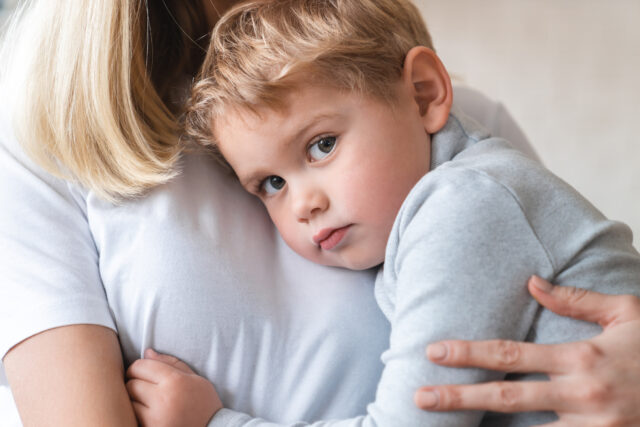
For only children, being alone just isn’t the same thing as being lonely. They’ve spent their whole lives enjoying time by themselves and don’t start to panic the moment there’s nobody else in the house. This means they go into relationships because they actually want to be with that person, not because they’re desperate for any kind of company.
They’re less likely to settle for a rubbish partner just to avoid an empty flat, which saves them a lot of heartache in the long run. Their ability to be content in silence is a bit of a superpower in a world that’s constantly trying to keep us distracted.
10. They get more chances education-wise and experience-wise.
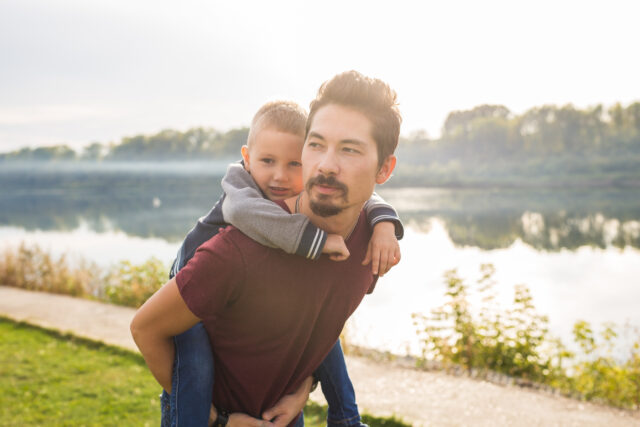
It’s a simple fact of life that parents can put more money and time towards 1 child’s education and hobbies without spreading the budget thin. This usually means better schooling, more diverse travel experiences, and a lot less money stress for the whole family unit.
Only children often get to try out more niche activities or get extra help with their studies that wouldn’t have been possible if there were three other kids to pay for. This isn’t about being “spoiled”; it’s about having a concentrated level of investment that helps them find their talents early. It gives them a massive leg up when they eventually start their own careers.
11. They sort out disagreements through talking, not fighting.
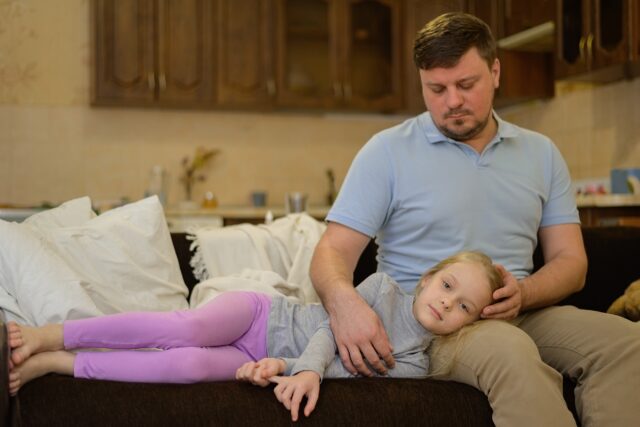
Without a brother or sister to have a proper scrap with, only children learn to handle arguments through actual conversation and negotiation. When they fall out with friends, they’re pushed to work it out properly because they can’t just go and play with someone else in the next room.
As adults, they tend to handle conflict with a lot more logic and a lot less shouting. They’re more interested in finding a solution than “winning” a fight, which makes them great colleagues and partners. They’ve spent a lifetime learning that you have to use your words if you want to get what you want.
12. They get to be themselves without family role pressure.

Only children aren’t stuck being the “responsible oldest,” the “difficult middle one,” or the “babied youngest.” They just get to be exactly who they are without having to fit into some pre-decided family slot that was chosen for them before they could even talk.
That freedom lets them develop their real personality without the limiting labels that people often carry for their entire lives. They don’t have to perform a specific role to get noticed or to keep the peace between siblings. This leads to a much more authentic sense of self and a clearer idea of what they actually want out of life.
13. They’re often more driven and want to achieve things.

With their parents’ focus entirely on them, only children usually develop a strong personal drive and high standards for themselves. They’re not trying to beat a sibling at everything; they’re just trying to reach their own potential and make the most of the opportunities they’ve been given.
That inner push tends to follow them right into their careers and their personal lives, making them very effective at getting things done. They’ve grown up seeing themselves as an individual rather than part of a pack, so they’re much more comfortable taking the lead. Having such a strong sense of independence makes them natural leaders who aren’t afraid to stand out from the crowd.
14. They get proper individual time with extended family.
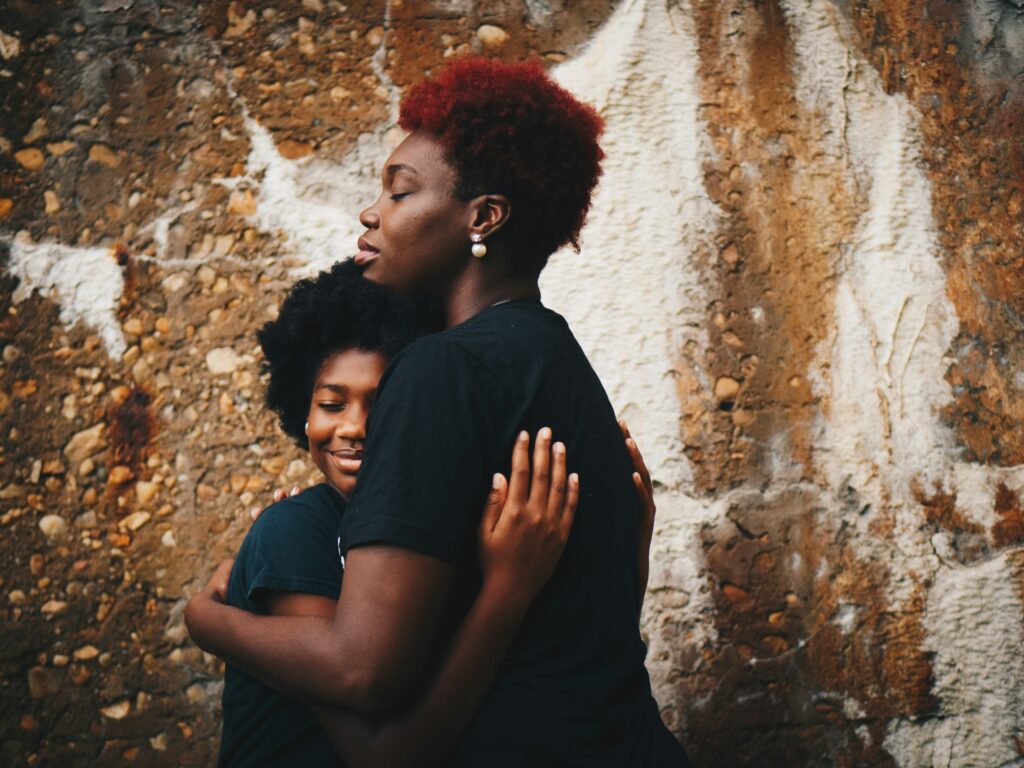
Grandparents, aunts, and uncles can build much deeper relationships with an only child because they aren’t splitting their attention between a dozen different grandkids. These connections give only children a huge amount of extra support and a range of different perspectives from various adults, which helps them feel secure.
They grow up feeling like they’re part of a larger, meaningful network where people actually know them as an individual. This extra layer of “adult” friendship helps them feel more grounded and connected to their roots. It’s another way their upbringing prepares them to navigate the adult world with confidence and a sense of belonging.