There’s no magic serum or secret diet that can freeze time, but strength training might just be the next best thing.

The focus here isn’t on bulking up or becoming a gym rat. It’s all about protecting your body, brain, and overall quality of life as you age. Whether you’re in your 30s or 70s, picking up a few weights could do more for your long-term health than most people realise. Here are just some of the reasons to incorporate strength training into your daily routine.
1. It slows down muscle loss.
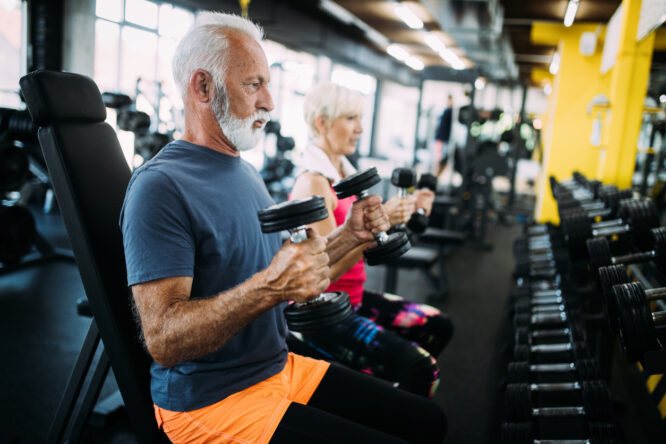
One of the natural side effects of ageing is muscle loss, also known as sarcopenia. Starting as early as your 30s, your muscle mass can slowly decline unless you actively do something about it. That decline isn’t just about looks, either. It affects strength, mobility, and even how well you bounce back from illness.
Strength training is the single most effective way to combat it. Even a couple of sessions a week can help maintain or rebuild muscle mass. Given that keeping your muscles strong is one of the biggest predictors of staying active and independent as you age, this is reason enough.
2. It boosts metabolism.
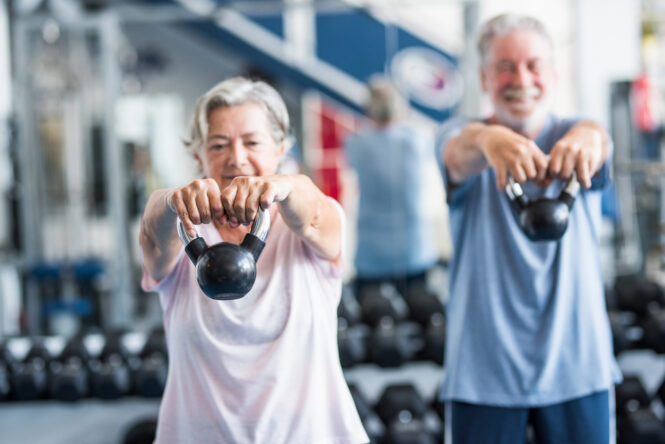
Muscle is metabolically active tissue, which means the more of it you have, the more calories your body burns even at rest. This becomes a big deal as your metabolism naturally slows down with age, making weight maintenance trickier than it used to be.
By building and maintaining muscle, strength training helps keep your metabolism ticking over. That means fewer sudden weight gains and a bit more wiggle room with food. You don’t need to be obsessed with calories. The point is to offer your body a bit more energy efficiency long term.
3. It protects your bones.
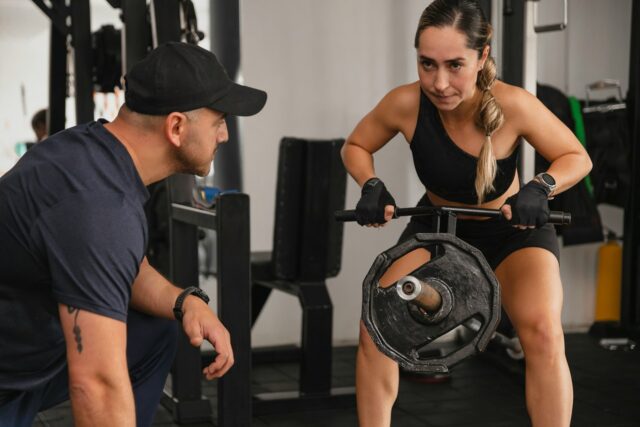
Bone density starts to decline with age, especially for women after the menopause. This makes bones more fragile and increases the risk of fractures. However, strength training, especially weight-bearing exercises, actually signals the body to build stronger bones.
You don’t need to lift massive weights to see a benefit. Regular resistance work using dumbbells, resistance bands, or even bodyweight can help build bone strength over time. That’s a huge bonus when it comes to reducing fall risk and protecting mobility later in life.
4. It keeps your joints working better.

Joint pain isn’t just down to wear and tear. It can sometimes be linked to weak muscles that aren’t doing their job to support the joint. When the muscles around your knees, hips, or shoulders are stronger, those joints are better protected during movement.
Consistent strength training can actually reduce pain and stiffness in many cases, especially when paired with good form and mobility work. It’s not a cure-all, but for many people, it’s the difference between “this hurts” and “I can manage this.”
5. It improves balance and coordination.
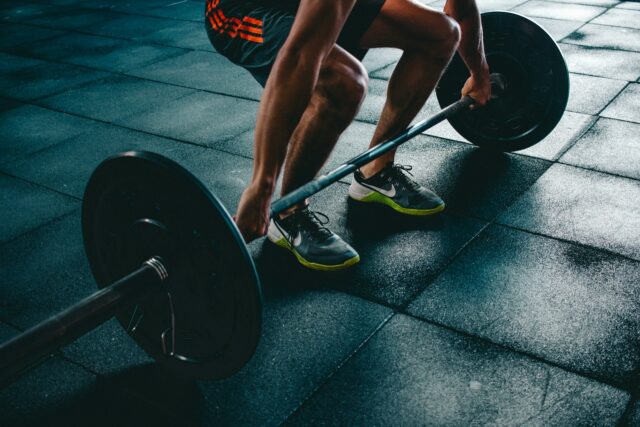
Falls are one of the leading causes of injury in older adults, but they’re not just “bad luck.” They often come down to poor balance, slow reflexes, and weak muscles, especially in the lower body. Strength training directly helps with all three. By targeting glutes, hamstrings, core, and stabiliser muscles, you improve the body’s ability to stay upright and react quickly. That translates to more confidence walking, climbing stairs, or even just moving through everyday life.
6. It helps fight chronic inflammation.

Low-level inflammation plays a big role in many age-related diseases, including heart disease, diabetes, and even some cancers. However, regular strength training has been shown to help reduce that inflammation, partly through hormonal changes and partly through improved muscle health.
It’s a less flashy benefit, but a powerful one. Keeping inflammation down doesn’t just help you feel better, it helps your body age more slowly on a cellular level. And it’s another reason to prioritise movement over medication when possible.
7. It supports better insulin sensitivity.
As you get older, your body becomes more prone to insulin resistance, which can lead to type 2 diabetes. But muscle tissue plays a huge role in regulating blood sugar, because it stores and uses glucose efficiently, especially after strength-based workouts. Even short lifting sessions help improve how your body processes carbs. Over time, that can lead to more stable energy levels, fewer blood sugar spikes, and better long-term health, even if you never get diagnosed with diabetes.
8. It strengthens your heart.

Cardio gets all the attention when it comes to heart health, but strength training plays a major supporting role. Studies show it can help reduce blood pressure, improve circulation, and lower LDL (bad) cholesterol, all of which are important for heart function as you age.
Combined with walking or light aerobic activity, lifting weights becomes part of a more well-rounded heart health plan. It’s about building resilience in your whole body, not just burning calories or chasing numbers on a treadmill.
9. It sharpens your brain.

There’s growing evidence that strength training helps maintain cognitive function. People who lift regularly tend to have better memory, sharper thinking, and lower risk of age-related cognitive decline, including dementia and Alzheimer’s disease.
The mechanisms aren’t fully understood yet, but they likely involve blood flow, hormone balance, and reduced inflammation. Either way, protecting your brain starts with protecting your body, and lifting a few weights might be one of the easiest ways to start.
10. It helps you sleep better.

Sleep tends to get more disrupted with age, whether it’s difficulty falling asleep or waking up frequently. Strength training has been shown to help people fall asleep faster and stay asleep longer, especially when it becomes part of a regular routine. This effect is likely linked to reduced stress hormones and more balanced circadian rhythms. Sleep is where the body repairs itself, and if you’re lifting regularly, you give it more to work with during that recovery window.
11. It boosts your mood and reduces anxiety.

Lifting weights doesn’t just build muscle. It builds mental strength too. People who do resistance training consistently report lower levels of anxiety and depression, partly due to the endorphin release and partly because of the confidence that comes from feeling physically capable.
It’s a subtle change that makes a difference in the long run as you start to feel more in control, more present, and less stuck in your head. In midlife or later, when many people are dealing with emotional transitions, that kind of grounding is invaluable.
12. It helps posture and mobility.
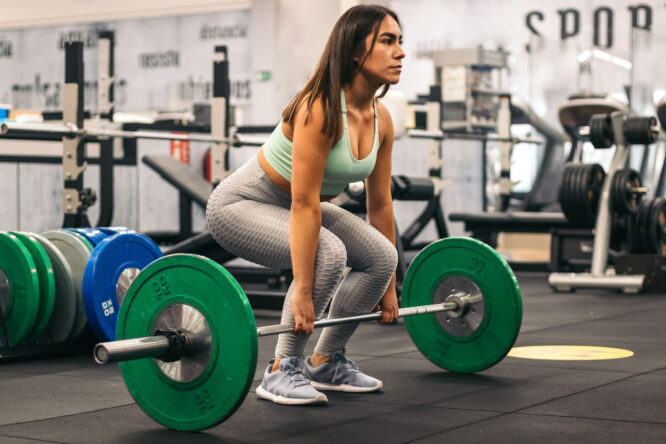
Sitting all day, and not doing anything to counterbalance it, can cause your posture to slowly collapse. Rounded shoulders, tight hips, weak glutes—it all adds up to stiffness, aches, and looking older than you feel. Strength training, especially when it includes rows, deadlifts, and core work, helps pull everything back into alignment. Over time, you stand taller, move more fluidly, and carry yourself with more ease, which makes you feel better and look more youthful too.
13. It improves hormone balance.

Testosterone, estrogen, and growth hormone all decline with age, and that affects everything from energy levels to body composition. Strength training helps stimulate natural hormone production in both men and women, which supports metabolism, recovery, and mood. It’s not a total fix, but it helps slow the drop. Plus, unlike supplements or hormone therapy, it comes with no dodgy side effects, just the long-term benefits of being stronger, leaner, and more energised.
14. It gives you back a sense of control.
One of the hardest parts of ageing is feeling like your body is changing without your permission. Strength training flips that script. It’s a way to actively build something instead of watching things slip away. You’re no longer just reacting; you’re choosing to fight for your wellness. That kind of agency matters. When you feel strong, you make better choices elsewhere. You eat better, carry yourself differently, and start expecting more from your body again, in a good way.
15. It’s a long-term investment with short-term wins.
Yes, the long-term benefits of lifting are huge, but strength training also gives you quick wins. You notice small changes in energy, strength, or posture within weeks. Those little wins add up and keep you going, even when life gets busy. In a world full of overcomplicated health advice, lifting weights is simple, affordable, and ridiculously effective. It’s not fancy, but it works. And for something that might just help you age better in every possible way, that’s a pretty good deal.