If you’ve spent any time on social media lately, you might have come across “LooksmaxxingGPT,” an AI chatbot claiming to help people become more attractive.
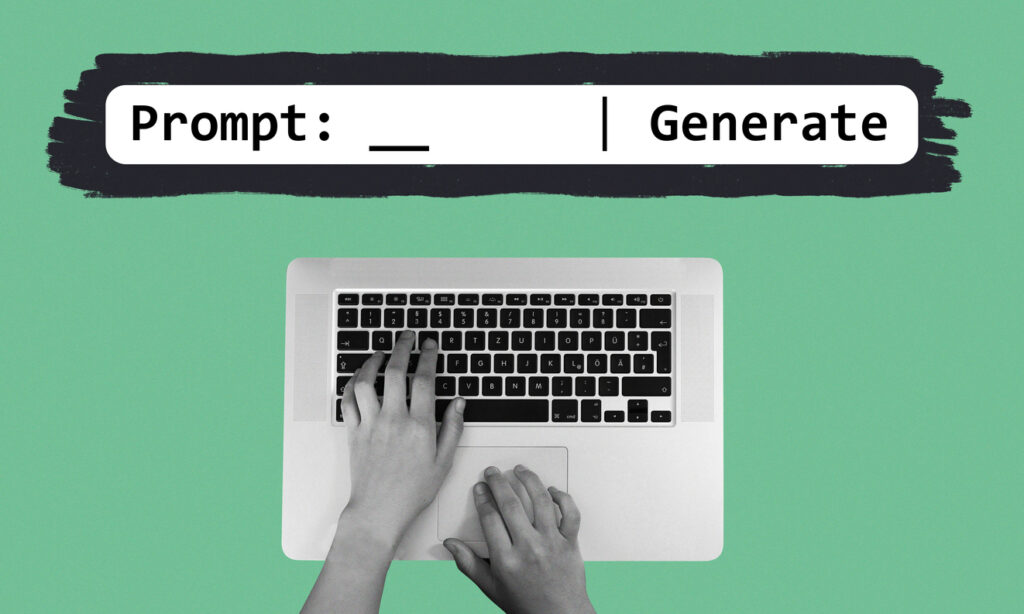
It dishes out advice on skincare, grooming, posture, and even facial structure, all under the promise of helping users “maximise” their looks. On the surface, it sounds harmless, maybe even helpful. However, if you actually look into it, it’s easy to see why this trend is worrying experts.
Looksmaxxing culture has already fuelled unrealistic beauty standards and obsessive self-comparison, especially among young men. Turning that into an AI-driven tool takes those insecurities and gives them constant reinforcement, dressed up as self-improvement. Instead of helping people build confidence, bots like LooksmaxxingGPT risk feeding body dysmorphia, low self-esteem, and a warped idea of what attractiveness even means. Here’s why this new wave of “appearance optimisation” chatbots may be doing far more harm than good.
It reinforces unrealistic standards.

By scoring people’s faces and suggesting ways to “fix” them, the bot treats beauty like a maths problem that can be solved through numbers. It gives the illusion that attractiveness has clear, measurable rules. This creates a world where people constantly compare themselves to a false standard. Instead of feeling inspired to grow, they end up trapped in a cycle of chasing perfection that doesn’t actually exist.
It’s built on toxic online ideas.
The word “looksmaxxing” came from corners of the internet that glorify physical perfection and shame anyone who doesn’t fit that mould. When a bot uses that term, it brings that same energy into the mainstream. It quietly spreads the belief that your worth is tied to your appearance. Over time, this way of thinking chips away at self-respect and creates a silent sense of not being enough.
It feeds insecurity rather than confidence.

While it claims to help people look better, the bot often makes users feel worse. When your features are rated by a machine, it turns natural human variety into a competition you can’t win. Instead of encouraging self-care, it pushes self-criticism. The more you use it, the more you start noticing flaws that never bothered you before, which makes confidence harder to hold onto.
It gives careless and generic advice.
The tips these bots share usually sound confident, but are rarely personal. They ignore unique traits, skin types, and health factors, offering one-size-fits-all answers that sound scientific but mean very little. It gives people the impression that improvement is simple and mechanical, when real self-care depends on context, balance, and individuality. It’s advice without understanding.
It risks worsening body image issues.

People who already feel unsure about their looks often turn to tools like this for reassurance. Instead, they leave feeling worse because no algorithm can deliver the validation they’re truly looking for. As time goes on, this constant evaluation can deepen anxiety and make people hyper-aware of every flaw. The result is not motivation but mental exhaustion.
It ignores every other kind of value.
Looksmaxxing bots only measure what they can see, and that means personality, humour, kindness, and intelligence never get a look in. It reduces human worth to one narrow slice of life. The more people focus on how they look, the less attention they give to how they feel or how they treat other people. It’s a subtle trade-off that leads to emptiness rather than growth.
It treats beauty like a medical condition.

Because it often suggests cosmetic tweaks, treatments, or surgery, it blurs the line between helpful advice and dangerous influence. It encourages people to fix what isn’t broken. These suggestions might sound harmless, but they plant ideas that lead to obsession. Once someone starts seeing themselves as a project, they lose touch with self-acceptance.
It carries hidden bias.

The data that trains AI models often reflects a narrow view of beauty. That means features, skin tones, and face shapes that don’t fit certain standards are unfairly scored lower. Without meaning to, it teaches users that certain races or traits are less beautiful, which quietly reinforces old prejudices under the mask of technology. It’s a modern face for an ancient bias.
It encourages surface-level thinking.

The focus on looks makes people chase instant fixes. Instead of working on emotional strength or self-respect, they end up endlessly analysing angles, skin tone, and bone structure. It teaches people to polish the surface while neglecting the foundation. The problem is that external change rarely heals the deeper need for self-approval.
It builds dependency on external validation.

When a bot gives you a score, it trains your brain to crave feedback. You start checking for updates and rerunning photos just to feel okay again. That habit makes confidence fragile. Instead of coming from within, it becomes dependent on approval from something that doesn’t even know who you are.
It preys on vulnerability.

These tools often attract people who already feel uncertain about their identity. Because they sound confident and data-driven, they appear trustworthy, even when the advice is shallow or harmful. It’s an easy trap to fall into. People searching for comfort end up feeding a system that profits from their insecurity, and that’s what makes it quietly dangerous.
It pushes people towards unhealthy extremes.
Once someone starts seeing themselves as flawed through a bot’s eyes, they might spiral into endless changes or even consider harmful actions just to feel worthy again. Instead of promoting self-improvement, it encourages self-rejection. What starts as curiosity can quickly turn into obsession, and that’s where the real harm begins.
LooksmaxxingGPT presents itself as a helpful tool for self-betterment, but its core message is hollow. It tells people to chase perfection, depend on external judgement, and see flaws where none existed. Real confidence comes from acceptance, not algorithms, and that’s something no AI can ever teach.