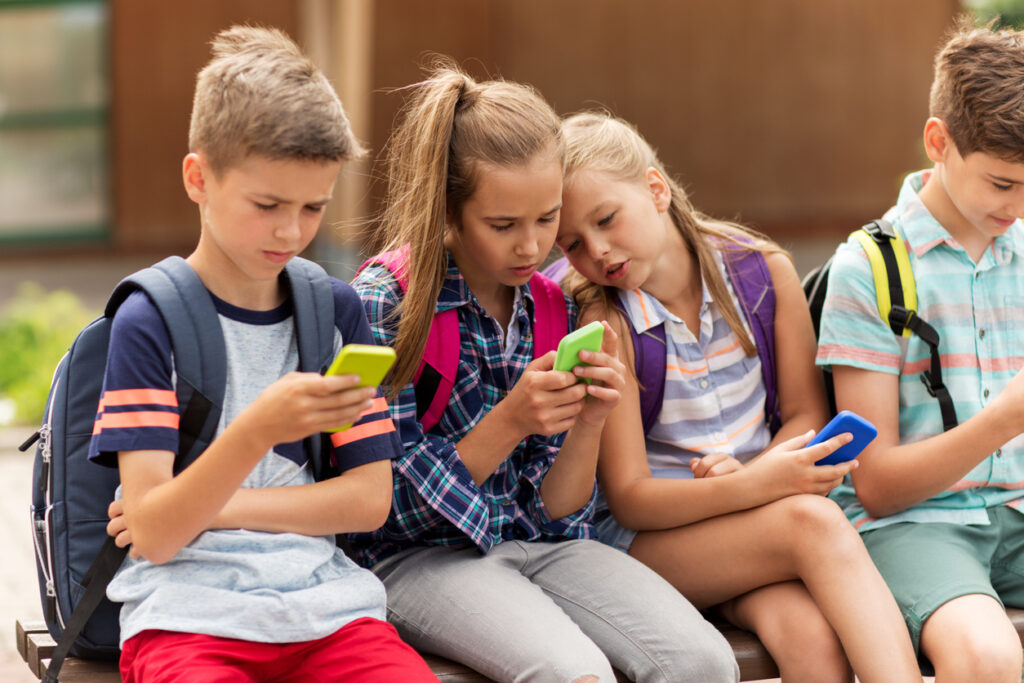
Social media didn’t make its way into children’s lives with a big announcement. It wormed its way in one app at a time, one group chat at a time, until it became odd for a child not to have some kind of online presence before secondary school. Somewhere along the way, that started to feel normal, even though nothing about it really is.
Australia deciding to ban under-16s from social media didn’t come from pearl-clutching or tech panic. It came from years of watching the knock-on effects pile up. Parents exhausted from constant battles, teachers dealing with issues that started at midnight on a phone, and health services stretched thin by problems showing up younger than ever. The UK is seeing the same patterns. We’re just slower to admit that maybe access doesn’t need to start so early.
Kids are ending up in adult spaces without real protection.
Social media isn’t neutral ground. It’s shaped by adult humour, adult arguments, adult insecurities, and adult ideas about success and desirability. Even when content isn’t explicitly sexual or violent, it still carries a tone that children aren’t ready to process properly. Sarcasm, cruelty, outrage, bragging, public pile-ons. That becomes the background noise.
Ofcom’s ongoing research into how children use media shows just how easily under-16s encounter material that’s unsuitable, even when platforms insist their safety tools are working. What tends to happen is children learn to normalise what they see rather than question it. A ban would restore a clear boundary that social media quietly erased, instead of expecting kids to cope in spaces that weren’t built for them in the first place.
Bullying now follows children home and settles in.
@bbcnews The ban, which targets children under 16 and takes effect on 10 December, is aimed at protecting them from cyberbullying, online predators, and harmful content. #Australia #SocialMedia #SocialMediaBan #Influencer #BBCNews ♬ original sound – BBC News
There was a time when the end of the school day meant at least some relief. That separation barely exists now. Social media allows insults, rumours, screenshots, and group humiliation to continue well into the evening, often escalating while adults are asleep or unaware.
The NSPCC has been clear about how cyberbullying differs from what came before. It’s harder to escape, harder to prove, and harder to stop once it gains momentum. Children don’t just deal with a single comment. They deal with replays, shares, and the knowledge that something can resurface at any moment. Removing social media from under-16s wouldn’t stop unkind behaviour entirely, but it would close one of the most relentless channels it currently uses.
Self-worth is being shaped by machines before kids can push back.
Social media teaches children to measure themselves early. Likes, views, followers, streaks. All neat, visible numbers that quietly suggest what counts and what doesn’t. When something performs well, it feels validating. When it doesn’t, it feels personal, even if the reason is nothing more than timing or an algorithm tweak.
It doesn’t take science to see the connection between rising anxiety and body image struggles in young people. What gets missed in casual discussions is how young this learning starts. Children don’t have the emotional distance adults sometimes develop. They tend to take feedback at face value. A ban would delay that constant scoring system until they’ve had more time to develop confidence that isn’t tied to an app’s approval.
Mental health services are dealing with the fallout, not the cause.
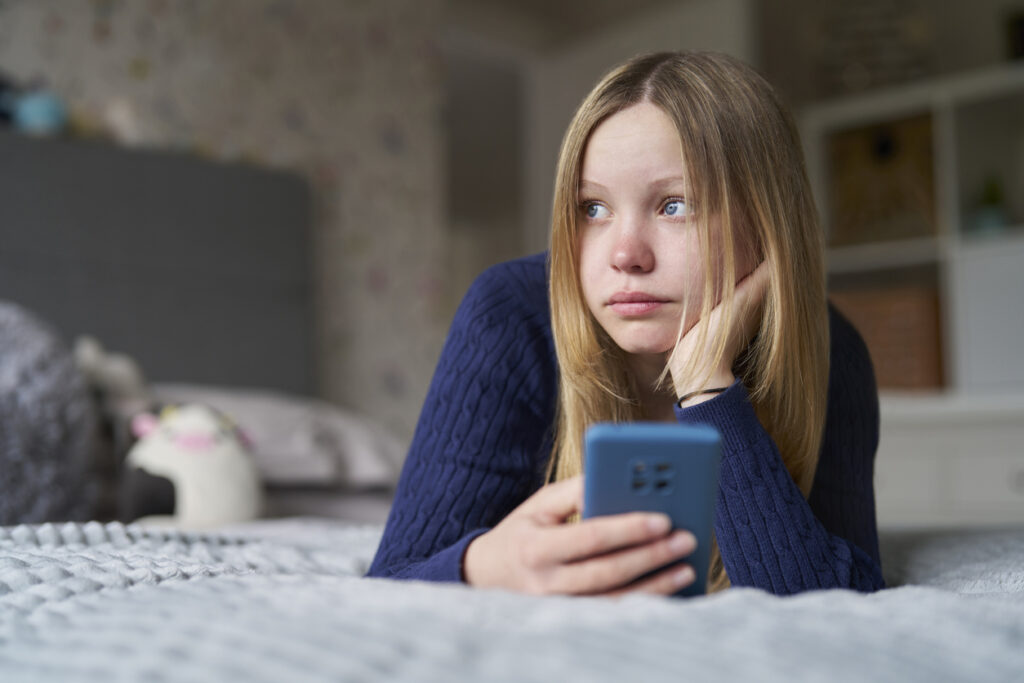
Child and adolescent mental health services are under pressure that’s been building for years. Referrals are rising, waiting lists are long, and staff are stretched thin. Social media isn’t the sole reason children struggle, but it appears again and again in conversations around anxiety, low mood, sleep problems, and self-harm.
NHS Digital’s reports on children’s mental health show a clear upward trend in emotional distress over the last decade. When the same factor keeps cropping up alongside worsening outcomes, it deserves more than hand-wringing. Australia’s move wasn’t about blaming apps for everything. It was about reducing exposure during years when children are especially vulnerable, instead of waiting until they need clinical support.
Sleep has quietly become collateral damage.
Many children now fall asleep with their phone nearby. Not always because they’re actively scrolling, but because the possibility of a notification is enough to keep their brain half-alert. Group chats don’t respect bedtime. Neither do trending videos nor disappearing messages that create pressure to check in.
Screen use has repeatedly been linked with disrupted sleep in children and teenagers, particularly when social media is involved. Lack of rest doesn’t just mean tired mornings. It affects mood, memory, concentration, and emotional regulation. Parents can try to enforce rules, but they’re up against platforms designed to keep people coming back. A legal age limit would support healthier routines without turning every evening into a negotiation.
Social skills are changing in ways we don’t fully understand yet.
A lot of childhood used to be about trial and error. Saying the wrong thing, dealing with awkward pauses, falling out and making up again. Social media smooths over those moments in ways that feel easier at the time, but don’t always help in the long run. Messages can be edited, reactions hidden, silence used as a weapon without explanation.
When so much interaction happens through a screen, it changes how children learn to read tone, body language, and emotional cues. Some kids become anxious about face-to-face situations because they’ve had less practice with them. Keeping under-16s off social media doesn’t remove communication. It just means more of it happens in real time, where learning how to cope with discomfort is part of growing up.
Parents are being worn down by a fight they can’t fairly win.
Many parents don’t want their children on social media early. They worry about safety, self-esteem, and constant distraction. The problem is that individual decisions don’t hold much weight when access is widespread. Children see friends online and feel left out. Parents end up looking unreasonable for saying no.
That pressure adds tension to family life in ways that feel unnecessary. A national rule changes the dynamic completely. It takes the argument out of the living room and replaces it with a shared standard. Parents stop being the obstacle and start being the support, which is how it should be.
Children’s personal data is being gathered far too casually.
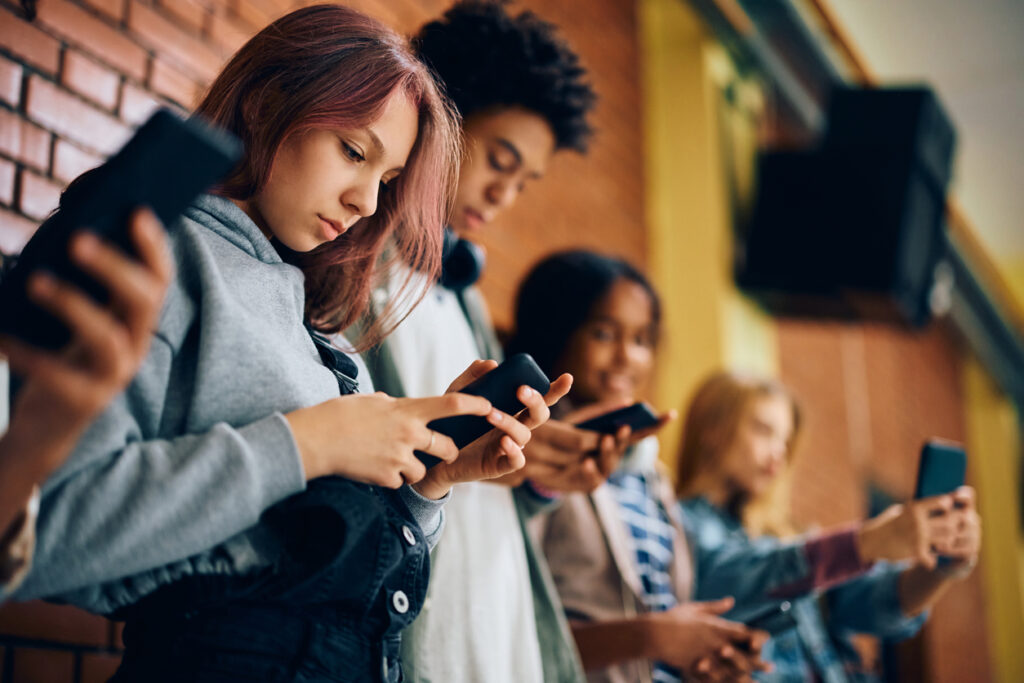
Social media companies collect detailed information about what people watch, like, share, and linger on. When those users are children, the stakes are different. Kids don’t really understand what they’re agreeing to, even if they tick a box saying they do.
That data doesn’t disappear when childhood ends. It feeds long-term profiles that shape advertising, content recommendations, and who knows what else down the line. A ban would reduce how much of a child’s early life gets logged and analysed before they’re old enough to give informed consent. That feels like basic protection rather than an extreme stance.
Schools are left dealing with problems they didn’t create.
Teachers are now managing the consequences of online disputes that spill straight into classrooms. Something said late at night can derail an entire day of learning. Viral trends pull attention away from lessons. Group conflicts simmer because they never really stop outside school hours.
Schools can restrict phone use during the day, but that only addresses part of the picture. When social media access is limited across the board, it supports what schools are already trying to do, rather than leaving them to manage issues that begin elsewhere. It also allows children to focus during school hours without carrying the weight of online drama into every lesson.
Childhood is slowly being turned into a performance.
@bbcnews From 10 December, under-16s in Australia will not be able to set up new social media accounts, and existing profiles must be deactivated. #Australia #SocialMedia #SocialMediaBan #BBCNews ♬ original sound – BBC News
Social media encourages documentation. Photos, videos, updates, reactions. For children, that can turn everyday moments into something to be judged. Fun becomes content. Experiences become things to post. Even mistakes can feel permanent once they’ve been shared.
There’s something uncomfortable about children growing up feeling watched, even if that attention comes from peers rather than strangers. A ban would give them more space to exist without an audience, to mess up privately, and to enjoy moments without thinking about how they’ll play online. That kind of freedom is hard to put a price on.
Australia’s decision to draw a line didn’t come from pretending the internet doesn’t exist.
It came from recognising that timing matters. Access at thirteen is very different from access at seventeen. Development doesn’t happen all at once, and expecting children to manage adult platforms with adult consequences is unrealistic.
The UK doesn’t need to rush or copy blindly, but it does need to stop pretending that early social media use is harmless simply because it’s common. A ban on under-16s wouldn’t solve every problem, but it would send a clear message about priorities. Childhood deserves more protection than it’s currently getting, and waiting longer hasn’t made things better.