You can tell times have changed by how few teenagers are rushing to get behind the wheel.
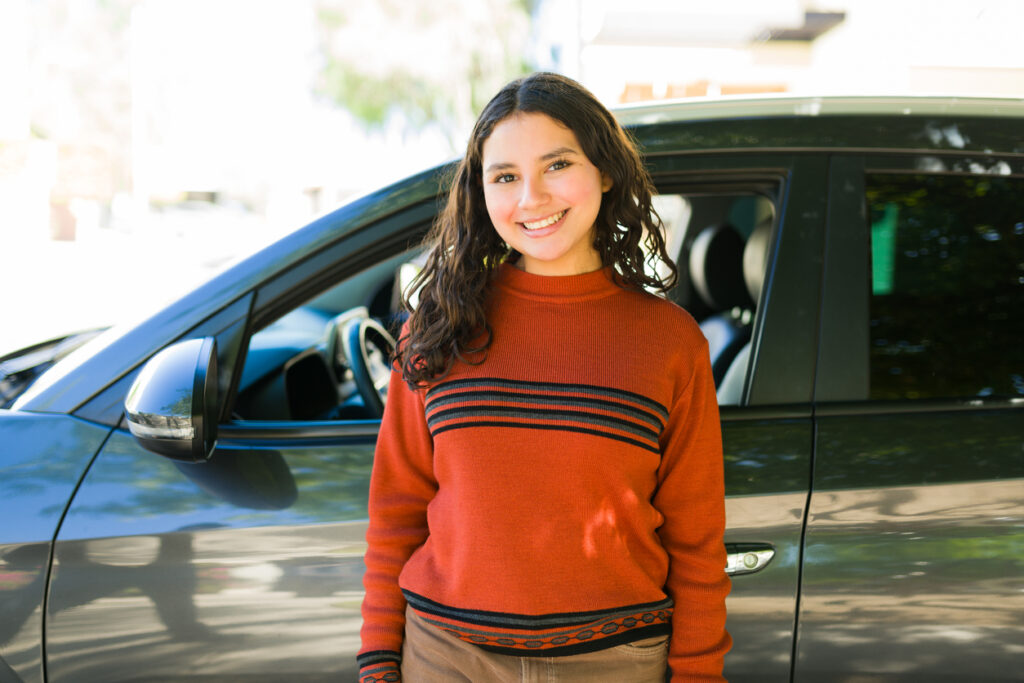
For their parents and grandparents, a driving licence was a golden ticket to independence. For many of today’s teens, it feels more like a hassle than a milestone. Between the costs, lifestyle changes, and changing priorities, the idea of driving has lost its urgency. Here’s what’s really going on.
Driving costs have become massive.
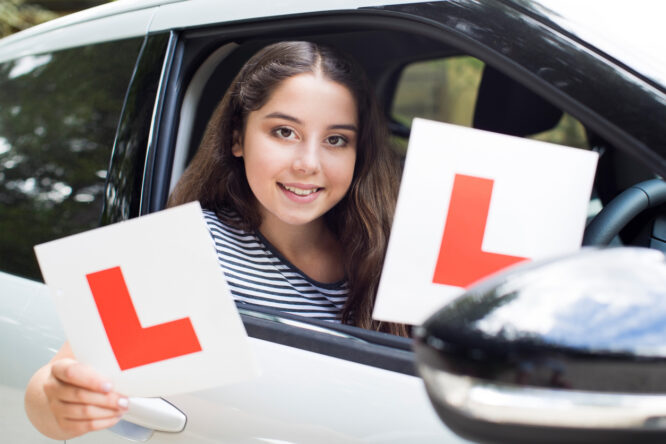
Owning and running a car is more expensive than ever. Insurance for young drivers can cost thousands each year, and that’s before lessons, tests, maintenance, and fuel. For many families, those numbers are out of reach.
When you add up the expenses, driving doesn’t look like freedom anymore. It looks like debt. In cities and towns where public transport works well, paying all that money for something you barely use just doesn’t make sense.
Teens simply don’t need cars as much anymore.

Urban living has changed how people get around. Many teenagers live in areas with good buses, trams, or trains, so learning to drive feels optional. Even in smaller towns, shared transport and cycling routes mean they can still get everywhere they need to go.
Previous generations saw a car as independence. Today, independence means flexibility. If a teenager can use their phone to book a ride or find a route, that feels just as empowering as owning a car once did.
Getting a licence has become more complicated.
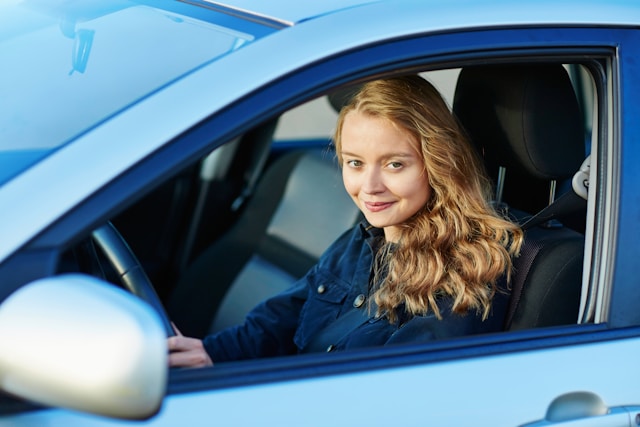
Passing a driving test isn’t as simple as it used to be. There are more required lessons, stricter exams, and longer waiting times. The cost of professional lessons can also make the whole process drag out for months.
That combination of effort, cost, and delay puts a lot of teens off. When something feels like a chore before it even begins, it’s easier to decide it can wait. Many just postpone until adulthood when they have more money and less pressure.
They have less money to spend.

Part-time jobs used to help teenagers pay for lessons and cars, but those jobs are harder to come by now. Competition is tougher, and wages haven’t kept up with the cost of living. Without steady income, driving becomes a low priority.
Most young people would rather spend what they earn on things they use every day — their phone, social life, or saving for education. Driving feels like a luxury purchase, not an essential skill.
Parents are driving them everywhere.

Many parents have simply taken over the role of chauffeur. Whether it’s school, work, or weekend plans, mum and dad are often behind the wheel. This convenience removes the motivation for teens to learn.
It’s easy to stay comfortable when someone else is doing the driving. For some families, it’s safer and cheaper than adding a young driver to the insurance policy. The downside is that teens don’t build that sense of independence as early as their parents did.
Technology has replaced real-world travel.

Social life no longer depends on meeting up in person. Teenagers talk, study, and play online. Shopping, friendship, entertainment, and even dating can all happen without leaving home. The car no longer feels like a gateway to freedom.
Because so much of life happens on screens, physical distance doesn’t feel like a barrier anymore. If you can reach your friends instantly, you don’t need to drive across town to feel connected.
Environmental awareness has changed attitudes.

Many young people are growing up with strong views on climate change. They see cars as a major source of pollution and would rather use public transport or travel on foot. For some, skipping driving feels like an act of responsibility.
Not everyone stops learning for this reason, but the attitude change is noticeable. The conversation around sustainability has made car ownership look less desirable and more like something to avoid when possible.
Safety fears are stronger.

Today’s teens have grown up surrounded by awareness campaigns and viral videos about road safety. They’ve seen the impact of accidents and distracted driving up close. As a result, driving feels risky instead of exciting.
Caution replaces curiosity. They understand that driving isn’t just about skill, it’s about discipline and awareness, and that makes many hesitant to take on the responsibility too soon.
Access isn’t equal everywhere.
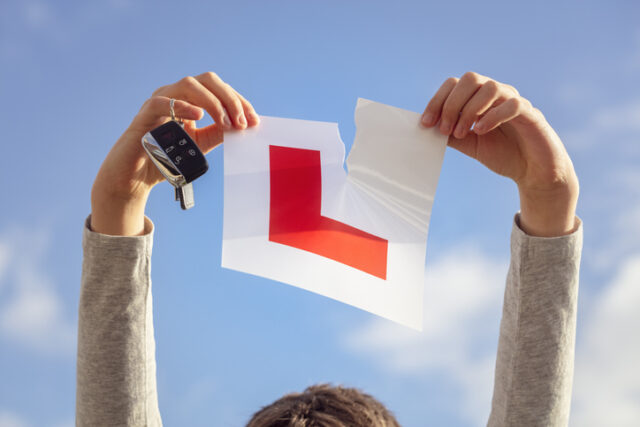
In rural areas, it can be hard to find instructors or test centres nearby. In cities, waiting lists can stretch for months. Not every community makes learning to drive easy, so teens delay simply because logistics get in the way.
Even motivated learners can hit roadblocks if the system isn’t accessible. Unequal access means the decision to delay isn’t always about choice — sometimes it’s about circumstance.
The meaning of independence has changed.

Getting a licence used to mean you’d officially entered adulthood. Now, that symbolism has faded. Many young people see financial independence, travel, or creative freedom as more meaningful markers of growing up.
A car no longer feels like a status symbol. For Gen Z, freedom isn’t tied to a vehicle, it’s tied to time, money, and connection. They want flexibility more than horsepower.
Ride-hailing has replaced ownership.

Apps like Uber and Bolt give teenagers an alternative that’s cheaper and easier. They can get anywhere without worrying about fuel, parking, or maintenance. For many, that convenience is worth more than independence behind the wheel.
Parents also see it as safer. Knowing their teenager can be tracked through an app gives peace of mind. With so many options, driving lessons fall down the list of priorities.
Rules encourage waiting.
Graduated licensing systems make the process stricter for younger drivers, sometimes limiting when or with whom they can drive. That makes getting licensed later a better option for many.
When the rules are easier past a certain age, waiting becomes a logical decision. Teens figure they can just get licensed when they’re ready to meet fewer restrictions.
Adulthood itself is delayed.

Young people today tend to hit milestones later. They’re studying longer, living at home longer, and starting families later. Driving fits the same pattern. It’s not rebellion, it’s just how this generation is pacing life.
Driving no longer marks the start of adulthood, it’s something that happens when they need it. For many, that might not be until their twenties. The licence isn’t forgotten, it’s just waiting its turn.
Cars don’t carry the same excitement anymore.

Previous generations grew up dreaming about their first car. Today’s teens dream about experiences, travel, and digital freedom. Cars feel like a practical tool rather than something to love.
Cultural focus has moved away from car culture. Fewer films, songs, and social icons glorify driving. Without that romantic pull, learning to drive feels more like ticking a box than a rite of passage.
The idea of freedom has been redefined.

For young people today, freedom isn’t found in owning things, it’s found in flexibility. They value choice, access, and time more than possessions. A licence doesn’t feel like liberation; having options does.
Whether it’s remote work, online learning, or digital connection, teens already feel independent in ways that don’t involve cars. Driving might still matter, but it’s no longer the first step toward adulthood.