There are certain habits you only notice once you’ve lived in the UK long enough for them to become second nature.

You catch yourself doing something small, almost automatic, and realise it’s completely normal to you but slightly baffling to anyone from outside the UK. It’s not the big stereotypes people repeat over and over. It’s the tiny behaviours, the everyday choices and the small preferences that slip into your routine without any fuss.
These are the things that reveal you’ve absorbed the culture properly, even if you never set out to. They show up in conversations, in how you handle awkward moments, in the things you find comforting and in the social rules you follow without thinking. Here are the habits that tend to give it away.
1. You overanalyse whether your sunglasses should come off indoors.

Most Brits treat sunglasses indoors like a moral decision rather than a simple choice. You take them off, put them back on and wonder if you look rude, confused or slightly pretentious. The whole moment becomes a personal debate even though nobody cares.
This habit makes perfect sense because British politeness is built on tiny judgements you make without speaking. You worry about appearing unaware of your surroundings, which makes sunglasses feel like a larger social commitment than they should. It becomes a small test of your ability to read the room.
2. You apologise when your bus is late, even though you’re a passenger.

Brits feel responsible for delays they had nothing to do with, which is why you apologise when you arrive late after a bus drama. You say sorry the moment you show up because it feels polite, even though everyone knows public transport is unpredictable.
This reaction confuses people from other places because your apology comes from instinct rather than guilt. You want to keep the atmosphere calm, so you accept responsibility to smooth the moment. It becomes part of your social toolkit, even though it makes no logical sense.
3. You create a mental checklist every time you fill the kettle.
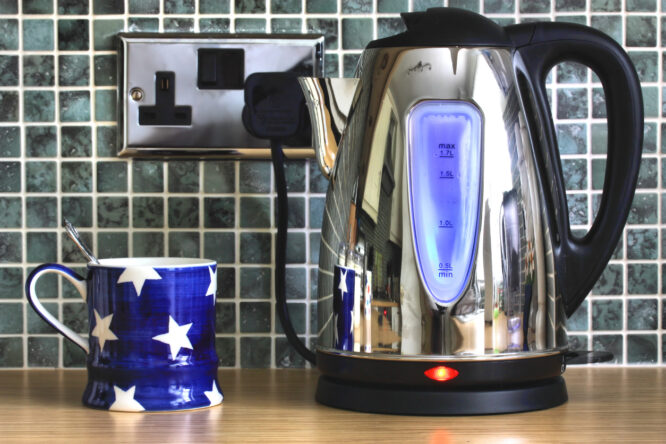
Filling the kettle becomes a ritual rather than a task. You check the water level, rinse the cup and glance at the limescale because it feels wrong not to. You do these steps automatically because making tea involves a sense of order that feels comforting.
Visitors may not understand why you take this process so seriously, yet the kettle has become part of your routine rhythm. You treat each step like a quiet moment of control in a busy day. The checklist becomes part of the comfort the drink provides.
4. You silently judge people who ignore the unspoken rules of library aisles.

British people treat library aisles as narrow lanes with their own flow. If someone blocks the space or walks the wrong way, you feel a spark of irritation that nobody else seems to notice. You move politely, yet you judge them for breaking the peaceful system.
This quiet judgement comes from a deep respect for shared spaces. You value calm, gentle interactions and the quiet order libraries offer. When someone disrupts that rhythm, you pick up on it instantly because those moments feel louder than they should.
5. You keep small receipts for low-value purchases because it feels safer.
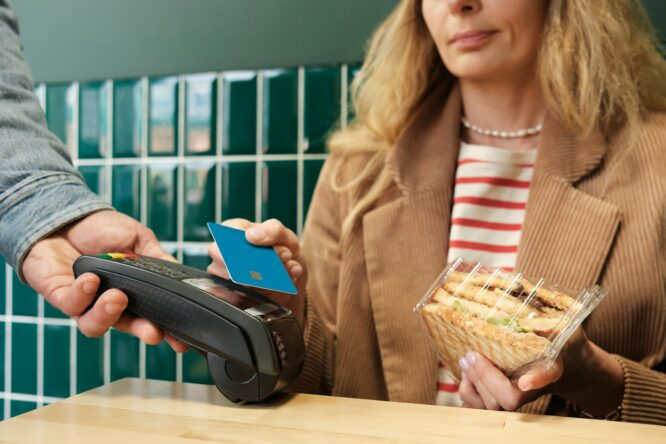
Most Brits hold onto receipts for tiny items because you never fully trust that the transaction went smoothly. You fold the slip neatly into your pocket and carry it around for longer than necessary because you fear being challenged later.
This habit reflects the British preference for preparation. You like knowing you have proof, even when the purchase was simple. It’s really not about the money; it’s about feeling in control of a moment that could go wrong, even though it rarely does.
6. You ask someone if they’re alright, then walk off before they answer.

Brits use greetings as polite noises rather than real questions. When you say, “You alright?” you don’t expect a story. You keep walking because the phrase is more of a social handshake than an invitation to share personal emotions.
Visitors misread this as disinterest, but it’s a common part of British social code. You check in without expecting anything in return. The comfort comes from the rhythm of the exchange, not the details. It’s a friendly nod disguised as a question.
7. You judge cafés by how seriously they treat decaf.

British café culture has grown picky, which is why you develop strong opinions about places that treat decaf like an afterthought. You notice immediately if the café uses decent beans or hands you something that tastes like warm water in a cup.
That silent judgement shows how much you value small details in your everyday routine. You want the drink to feel purposeful, even when it has no caffeine. The quality tells you how carefully the place treats its customers, which shapes your loyalty.
8. You feel strangely validated when someone says sorry for no reason.

The British “sorry!” has little to do with fault and everything to do with shared politeness. When a stranger apologises for nothing, you feel comforted because it signals shared understanding. It shows you both prefer kindness over conflict.
People from other cultures may find this confusing, yet Brits treat these apologies as warm gestures. They smooth small interactions and reassure you that everyone wants the encounter to run gently. The shared sorry becomes a tiny moment of community.
9. You scan a restaurant’s noise level and accept that mild annoyance is inevitable.

Before you sit down, you take a mental reading of how loud the place is. You know if it’s slightly too noisy, you’ll be irritated for half the meal, yet you commit anyway because you’re already there. The simmering frustration becomes part of the experience.
Visitors might ask for quieter seating, but Brits rarely do. You accept that a bit of background noise is part of dining out and choose calm resignation instead. This acceptance shapes the mood of the evening in a strangely predictable way.
10. You avoid that one hallway tile because someone always trips there.

British people develop loyalty to certain parts of their home layout. You learn which tile squeaks, which board dips and which corner collects dust. When you walk through the hall, you avoid the troublesome tile without thinking because you know it causes chaos.
This habit becomes part of your relationship with your home. You adjust without complaint and treat the flaw like a familiar quirk. Visitors may not notice the problem, yet you navigate the space like someone who knows its secrets well.
11. You treat small talk as a subtle strategy rather than casual conversation.

Most Brits use small talk to manage social energy. You keep the conversation light, polite and comfortable while planning your exit in the back of your mind. You want the exchange to feel natural, yet you’re already thinking about where to drift next.
This approach helps you maintain balance in a group setting. You show interest without committing to long discussions. Visitors may see this as distance, but it’s simply British social pacing. You protect your energy while staying friendly.
12. You feel suspicious of all-you-can-eat deals, even when the food is good.

British people often distrust unlimited food offers because they associate them with pressure. You imagine feeling overstuffed, regretful, and slightly embarrassed by the end of the meal. The idea of trying to get your money’s worth feels uncomfortable.
This reaction comes from the British dislike of excess. You prefer enjoyable portions without pressure to perform. Visitors embrace the deal with excitement, yet Brits hesitate because they value comfort over quantity and fear the regret that often follows.
13. You carry a rain soaked plastic bag around as if it’s essential survival equipment.

British weather changes quickly, which is why many people rely on spare bags tucked into pockets or handled like precious supplies. Even when the bag is slightly damp or crumpled, you keep it because it might be useful later.
This habit shows how deeply unpredictable weather shapes everyday life. You value anything that helps you adapt quickly, even if it looks unprepared to other people. The bag becomes a simple tool that reflects years of living in a place where forecasts are suggestions rather than facts.
14. You break awkward meeting silence with biscuit talk because everyone accepts it instantly.

When meetings feel stiff, Brits use biscuits as a gentle reset. Mentioning shortbread or asking if anyone wants a biscuit round cuts through tension without calling attention to the awkwardness itself. It’s a polite social rescue move.
This trick works because biscuits sit at the centre of casual British bonding. They’re neutral, familiar, and comforting. Shifting conversation toward them relaxes the room and gives people something harmless to agree on. It becomes a shared escape from discomfort.