
The way you were raised makes a big difference to who you become as an adult. If you had a happy, supportive childhood, you’ll likely be a happy, well-adjusted grown-up. However, if you grew up in a dysfunctional family, it’s possible that you’ve been left with these negative qualities.
1. People-Pleasing Tendencies

Growing up in a dysfunctional family often means constantly walking on eggshells, trying to keep the peace. This can turn you into a chronic people-pleaser, always putting others’ needs before your own to avoid conflict. It’s not being kind; it’s a survival tactic.
2. Difficulty Trusting People

If your family betrayed your trust repeatedly, it’s no wonder you struggle to trust others. You’ve been conditioned to expect disappointment, making it hard to let people in and form deep, trusting connections.
3. Strong Independence

When you couldn’t rely on your family, you learned to rely on yourself. This can lead to extreme independence. It’s not that you don’t need anyone; it’s that you’ve been taught not to depend on anyone.
4. Hyper-Sensitivity to Criticism

Growing up in a critical environment makes you overly sensitive to criticism as an adult. It’s not about wanting to be perfect; it’s about an ingrained fear of being judged or not being good enough.
5. Conflict Avoidance

If conflict in your family meant drama or danger, you likely avoid conflict at all costs now. This isn’t about being peaceful; it’s about a deep-rooted fear of conflict escalating into something worse.
6. Anxiety and Overthinking

Living in a chaotic, unpredictable family environment can lead to chronic anxiety and overthinking. You’re always waiting for the other shoe to drop, always planning for the worst-case scenario.
7. Strong Empathy for Others

On the flip side, growing up in dysfunction can make you highly empathetic. You understand pain and struggle, making you deeply compassionate towards others’ hardships.
8. Difficulty Expressing Emotions
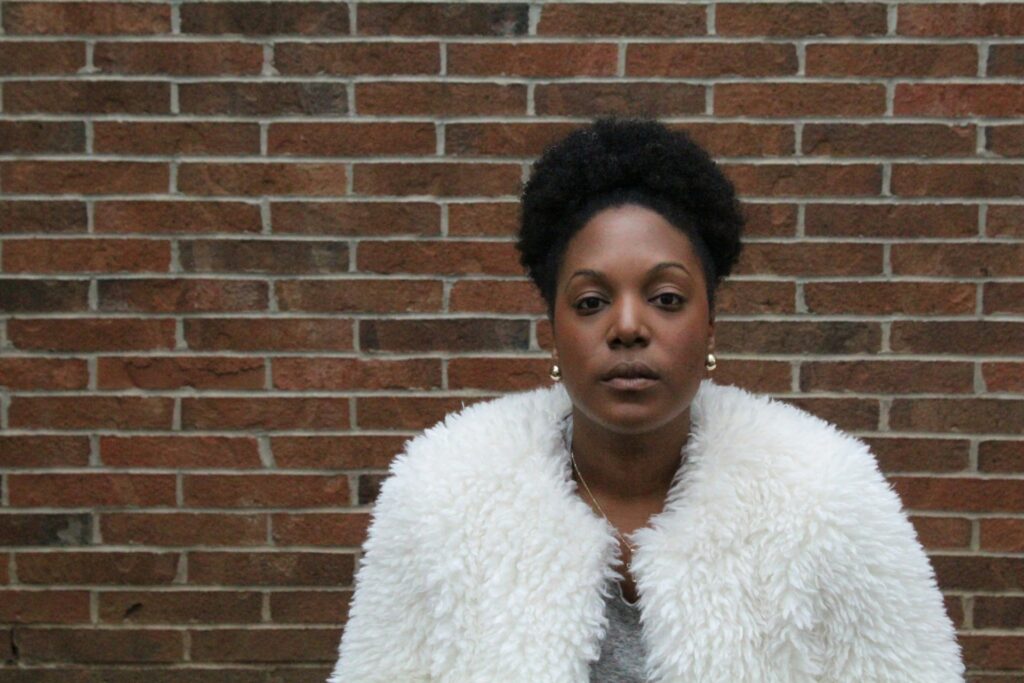
If expressing emotions was discouraged or punished in your family, you might struggle with this as an adult. It’s not about not feeling; it’s about fear and uncertainty in how to express those feelings.
9. Low Self-Esteem

Constant criticism or neglect from family can lead to chronic low self-esteem. You’ve internalized those negative messages and now struggle to see your true worth.
10. Perfectionism

Perfectionism often stems from a dysfunctional upbringing where love and acceptance were conditional on performance. You strive for perfection as a way to earn love and approval.
11. Fear of Abandonment

If you experienced abandonment in your family, it could lead to a deep-seated fear of being left again. This might manifest in clinginess in relationships or an overarching fear of being alone.
12. Resilience

It’s not all bad. Growing up in a dysfunctional family can breed resilience. You’ve weathered storms and learned to survive in tough conditions, making you stronger than you realize.
13. Control Issues

When your family life felt out of control, you might have developed a need to control everything else. It’s a way to compensate for the chaos and unpredictability you experienced growing up.
14. Skewed View of Love and Relationships

Your perception of love and relationships is likely influenced by your dysfunctional family. You might confuse love with control, sacrifice, or conflict, leading to unhealthy relationship patterns.
15. Boundary Issues

Either you have rigid boundaries as a protective measure, or you struggle to set any boundaries because you were never taught how. Getting a handle on healthy boundary setting can be a challenge when your family didn’t model it.