People often assume cats are too independent or aloof to really grieve, but anyone who’s lived with one knows that’s not quite true.
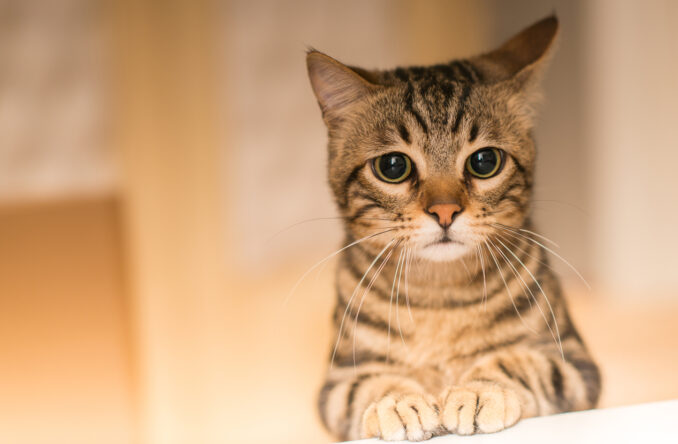
While cats might not show sadness the way humans do, they absolutely notice when a companion, whether it’s another pet or a person, goes missing from their world. Their behaviour might change in subtle or surprising ways, and it’s not just coincidence. These changes hint at something deeper: that cats feel loss in a way that’s more emotionally complex than we often give them credit for.
1. They search for the missing person or animal.
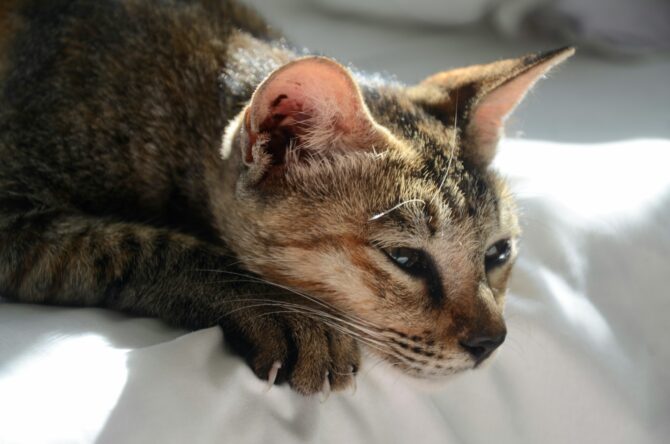
One of the clearest signs that a cat is experiencing loss is when they start looking for whoever is gone. They might wander around the house, check the usual nap spots, or wait near the door at certain times of day. This searching behaviour shows that they remember routines, locations, and connections. It’s not random; it’s an active sign they’ve noticed a presence is missing and are trying to make sense of it in their own quiet way.
2. Their appetite changes dramatically.
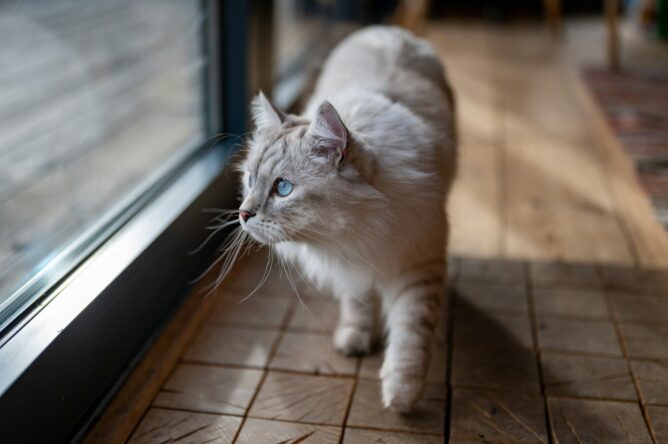
Grieving cats may stop eating or start eating far less than usual. In some cases, they might overeat or show signs of comfort-seeking with food, but most commonly, loss leads to a drop in appetite. It’s not just sadness, it’s a disruption to their emotional and environmental stability. Just like humans might lose their appetite during grief, cats’ internal rhythms can get thrown off when they’re feeling unsettled.
3. They become unusually clingy or distant.
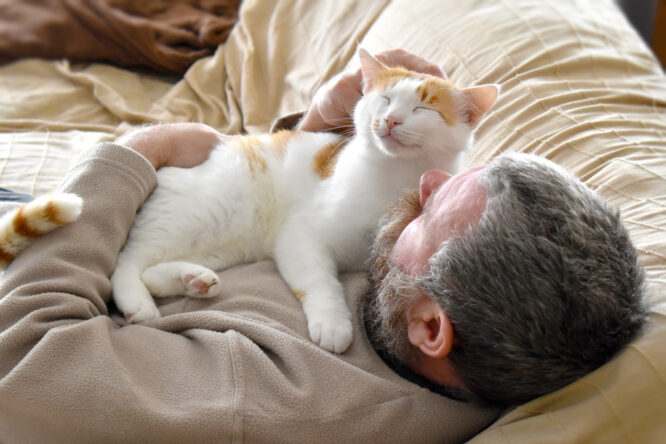
After a loss, a cat might suddenly follow their owner everywhere or constantly seek touch and reassurance. On the flip side, some withdraw and become noticeably harder to reach, even if they were affectionate before. Both of these changes can be signs of grief. Just like people respond to loss in different ways, cats might either crave comfort or isolate to process what’s happened. Either way, the change is a clue something emotional is going on.
4. Their sleep habits change.
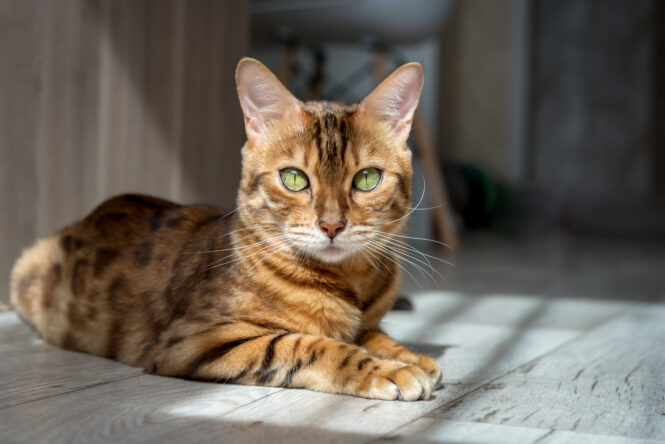
Some grieving cats sleep more, curling up in unusual places or spending most of the day hiding. Others might become restless, waking more often or avoiding sleep altogether. These sleep changes suggest emotional stress. When something’s off in their world, cats may struggle to settle into their usual routines, especially if they used to nap beside whoever is now gone.
5. They vocalise more often, and more intensely.
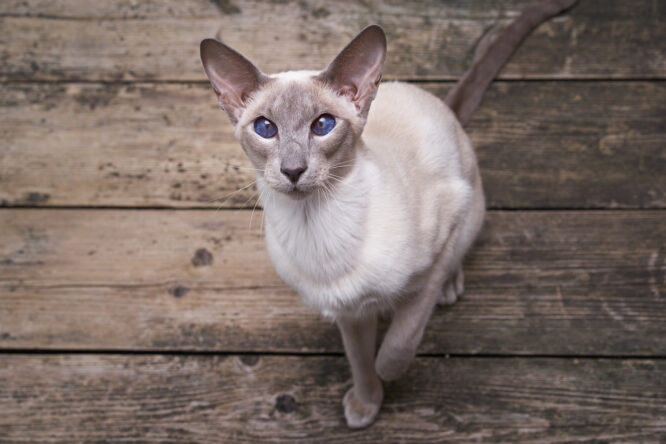
Increased meowing, yowling, or unusual vocal tones can sometimes be a cat’s way of expressing confusion or seeking someone who’s missing. The sounds might seem out of place or come more frequently than usual. Some cats vocalise near doorways, windows, or rooms where their companion used to spend time. It’s easy to dismiss this as random noise, but it often lines up with a strong emotional reaction to the absence.
6. They seem disoriented or unfocused.
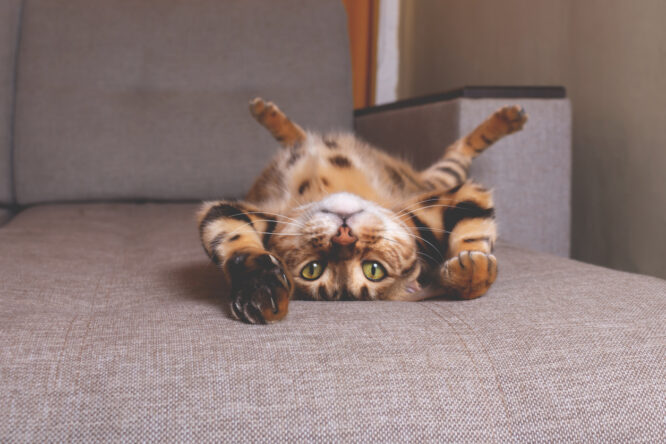
Grieving cats might appear confused or detached. They may walk into rooms and just stand there, stare into space, or circle places they previously shared with the pet or person who’s no longer there. This dazed behaviour often mimics how humans can feel foggy or disconnected during grief. It’s a sign the cat is trying to adjust to a changed world, and struggling a bit to make sense of it.
7. They return to old kitten-like behaviours.
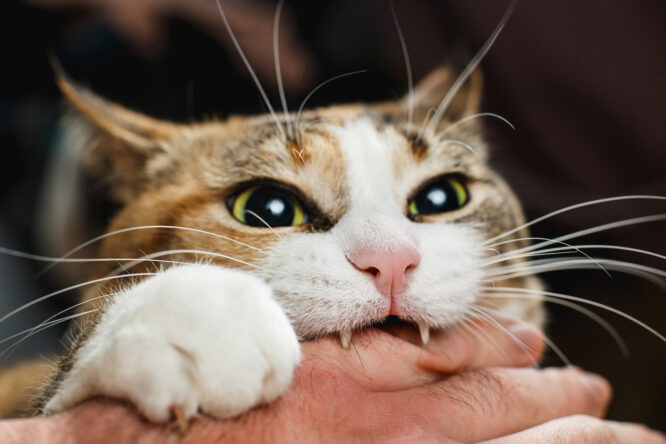
In some cases, a grieving cat might start acting like they did when they were younger, such as kneading blankets, suckling on fabric, or being more vocal at night. These regression behaviours often signal emotional neediness. It’s a bit like emotional self-soothing. When they’re unsure or upset, they may lean on comforting behaviours that helped them feel safe when they were young. It’s not weird, it’s a subtle cry for security.
8. They avoid certain areas of the house.

Just as they might search familiar spots, some cats do the opposite. They completely avoid places tied to the one who’s gone. If they used to share a bed or perch with a companion, they might steer clear of that area altogether. That avoidance isn’t just routine disruption, it’s emotional. Cats are sensitive to energy and memory, and their grief can look like discomfort or unease in the places that used to feel safe and shared.
9. They act out or misbehave in unusual ways.
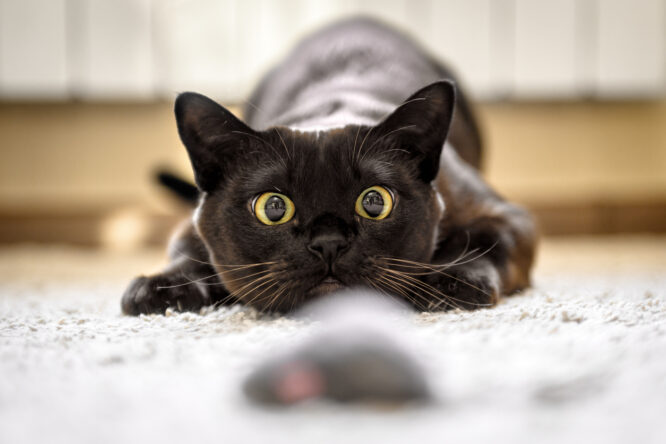
Some cats respond to loss with more obvious behavioural changes, like scratching furniture they’ve always ignored, refusing the litter box, or knocking things over. It’s not about being “naughty.” These changes can be stress responses or ways to regain control over a world that suddenly feels different. Acting out isn’t always openly mischievous. It’s often emotional confusion being expressed the only way they know how.
10. Their personality seems muted or different.
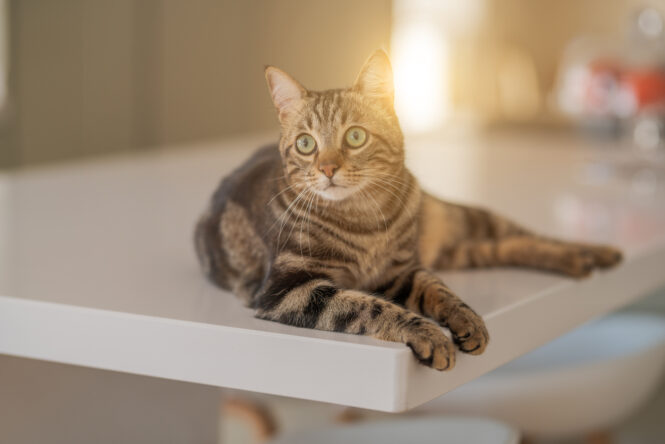
If your cat normally greets you at the door, plays at certain times, or interacts in a familiar rhythm, and then suddenly stops, something’s up. Grief can make a cat quieter, less curious, or less engaged. This sort of personality change may last days or even weeks. It’s one of the clearest signs that something emotional is happening under the surface. And just like with people, a little patience and gentleness can go a long way while they work through it.