Britain is a small island, but the social rules can change completely the moment you cross a county line.

What passes for a bit of “friendly banter” or a standard Saturday night tradition in one city might be seen as a total breach of the peace just 50 miles down the road. We’ve got these deeply ingrained regional quirks, from the way we handle a disagreement to how we express our excitement, that feel perfectly normal on our home turf but can seem like a proper public order offence to an outsider.
It’s not just about different slang; it’s about a fundamental difference in what people consider acceptable public behaviour. These 10 regional antics are the sort of thing that’ll get you a cheeky nod in your hometown, but could have people in other parts of the country calling for you to be put in handcuffs. (And no, we’re not saying you’d seriously be arrested here, but locals might wish you were!)
1. Talking to strangers at the bus stop in London

Try this in the North, and you’re just being friendly, making small talk about the weather or complaining about the bus being late. But attempt it in London and people will assume you’re either lost, drunk, or about to ask for money. The unspoken rule in the capital is that you acknowledge other humans as little as possible during your commute.
Londoners have perfected the art of standing three inches from someone while pretending they don’t exist, and your cheerful “cold one today, isn’t it?” will be met with panic. Up North, not chatting to people waiting with you marks you as rude, but down South it’s considered an invasion of personal space.
2. Not buying a round when it’s clearly your turn

In Scotland and Northern England, this is basically theft, and you’ll be remembered for it forever. Everyone keeps a mental tally of whose round it is, and skipping yours brands you as tight-fisted. The round system is sacred law in most pubs up there, and trying to just buy your own drinks all night will confuse and offend people.
Down South, particularly in London, some people genuinely don’t know the round system exists and will happily buy their own drinks all evening without realising they’ve committed a social crime. You’ll find men in their thirties who’ve never participated in a proper round because they’ve only ever been to bars where everyone gets their own.
3. Queue-jumping in any form whatsoever

This one’s universal across Britain technically, but Londoners have elevated queue rage to an art form. They’ve dealt with so many tourists that their tolerance is completely gone, and pushing in will get you verbally destroyed. Even accidentally getting the order wrong will mark you as an enemy. Some rural areas operate on a more relaxed “we’ll sort ourselves out” basis, where the queue is more of a loose concept.
Try bringing London queue standards to a village post office, and you’ll look like you’re making a fuss over nothing, but bring village casualness to a London bus stop and you’re starting a war.
4. Asking for a cup of tea without milk

In most of Britain, this is sacrilege that’ll get you looked at like you’ve asked for ketchup on your Sunday roast. Tea comes with milk, that’s just how it is, and requesting otherwise suggests you don’t understand basic British culture. Some parts of London have finally accepted that other tea traditions exist because enough people from different cultures live there. But venture into traditional cafés in Yorkshire or Lancashire and ask for tea without milk, and you’ll get a confused look followed by quiet judgement. They’ll make it for you, but they won’t be happy about it.
5. Speaking Welsh in an English-only pub in Wales

Wales is complicated because language politics vary wildly depending on exactly where you are. Some Welsh communities couldn’t care less what language you speak, but in others you’ll get side-eye from locals who think you’re being deliberately exclusive or showing off.
These are often areas where Welsh isn’t commonly spoken, so hearing it feels like you’re making a point. Meanwhile, in heavily Welsh-speaking areas like parts of Gwynedd, speaking only English marks you as an outsider immediately. You’re expected to at least try or acknowledge the language, and acting like English should be enough everywhere makes you look ignorant.
6. Calling dinner “tea” and tea “dinner” in the wrong region

The North says tea for the evening meal, the South says dinner, and getting it wrong signals you’re not from around here in a way that makes people trust you slightly less. If you’re up North and call your evening meal dinner, you sound posh or Southern. Down South, calling it tea makes you sound working class or Northern, and some people will immediately recalibrate how they see you.
Then there’s the whole “lunch versus dinner” debate for the midday meal. Get the terminology wrong at a new job or when meeting your partner’s family, and you’ve accidentally revealed more about your background than you meant to.
7. Walking slowly on a London pavement during rush hour

Tourists do this daily and survive because they’re obviously tourists. But if you’re clearly British and ambling along, blocking the entire path while checking your phone, you’ll hear tutting that could strip paint. Londoners operate on a completely different speed setting during commute hours, and the pavement has fast lanes and slow lanes that everyone except you seems to understand instinctively.
Stand still at the top of an escalator, and you’ll cause a pile-up of furious people who are already late. In other parts of the UK, walking at a relaxed pace is just normal human behaviour. London’s turned the simple act of walking into a competitive sport.
8. Being genuinely friendly to your neighbours in London
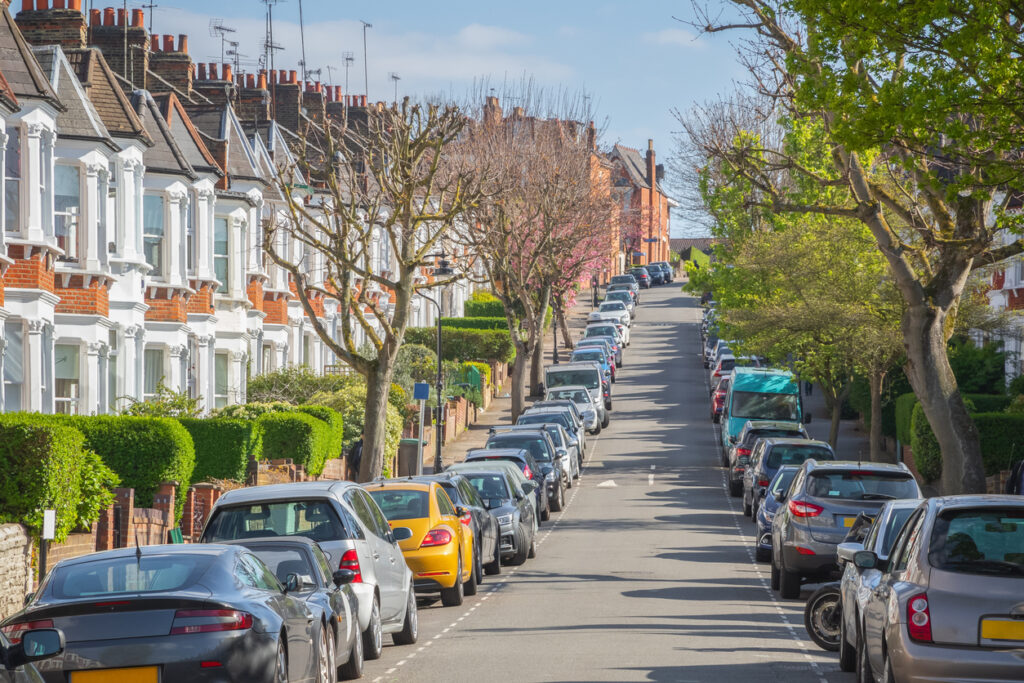
In most of Britain, knowing your neighbours is standard behaviour and not doing it marks you as antisocial. You’re expected to at least nod hello, maybe chat about the bins or the weather. In parts of London, acting too friendly makes people wonder what you’re after. The baseline assumption is that everyone wants to be left alone unless they indicate otherwise.
You can live next to someone for five years and never know their name, and that’s considered perfectly normal. Try importing small-town friendliness where you knock on doors to introduce yourself, and you’ll confuse people who’ve specifically moved to London to escape that kind of community obligation.
9. Complaining that someone’s tea is too strong or too weak

Tea strength is regional warfare, and commenting on someone’s brew in the wrong tone can genuinely cause offence that lasts years. What counts as a proper cup varies wildly, and people take it incredibly personally. Yorkshire folk want it strong enough to stand a spoon up in, while some Southern areas prefer it weaker and milkier.
Criticising someone’s tea is basically criticising their entire upbringing. You’re meant to drink whatever you’re given and be grateful. In Yorkshire, where tea opinions are basically religious doctrine, suggesting someone’s brew is too weak is fighting talk.
10. Talking about money openly

Some working-class Northern areas are pretty straightforward about wages and costs, and asking someone what they earn isn’t seen as invasive. It’s just information, and people generally don’t hide it. Try this in certain Southern middle-class circles, and you’ve committed a social crime that’ll have you uninvited from dinner parties.
Money talk is vulgar, and you’re supposed to pretend that nobody thinks about it, even though everyone obviously does. People will dance around the subject with vague references to things being “comfortable” rather than stating actual numbers. The same conversation that’s perfectly normal in a pub in Bradford would cause horrified silence at a dinner party in Surrey.