Huffing and puffing after a couple of flights of stairs is usually the moment most people decide it’s time to finally bin the takeaway habit and actually use that gym membership.

While it’s easy to just blame a lack of fitness or getting a bit long in the tooth, the way your body handles that short burst of exertion is actually a fairly solid indicator of how your ticker is coping under pressure. It’s not just about your lungs burning; it’s about how efficiently your heart is pumping oxygen-rich blood to your muscles when they suddenly demand it. If you’re finding that a simple climb leaves you feeling like you’ve just finished a marathon, it might be a sign that your cardiovascular system is struggling to keep up with the basic mechanics of moving your weight around.
The heart is essentially a pump that needs to be responsive, and if it’s lost its “snap,” the stairs are where you’re going to notice it first. There’s a massive difference between being a bit out of breath and experiencing the kind of exhaustion that suggests your heart health isn’t where it needs to be. Understanding these physical cues is vital because they can be the early warning signs of underlying issues like high blood pressure or even the start of heart disease. We’re looking at what that heavy breathing actually means for your long-term health and why you shouldn’t just ignore it as a simple case of being “out of shape.”
It’s a proper workout for your cardiovascular system.

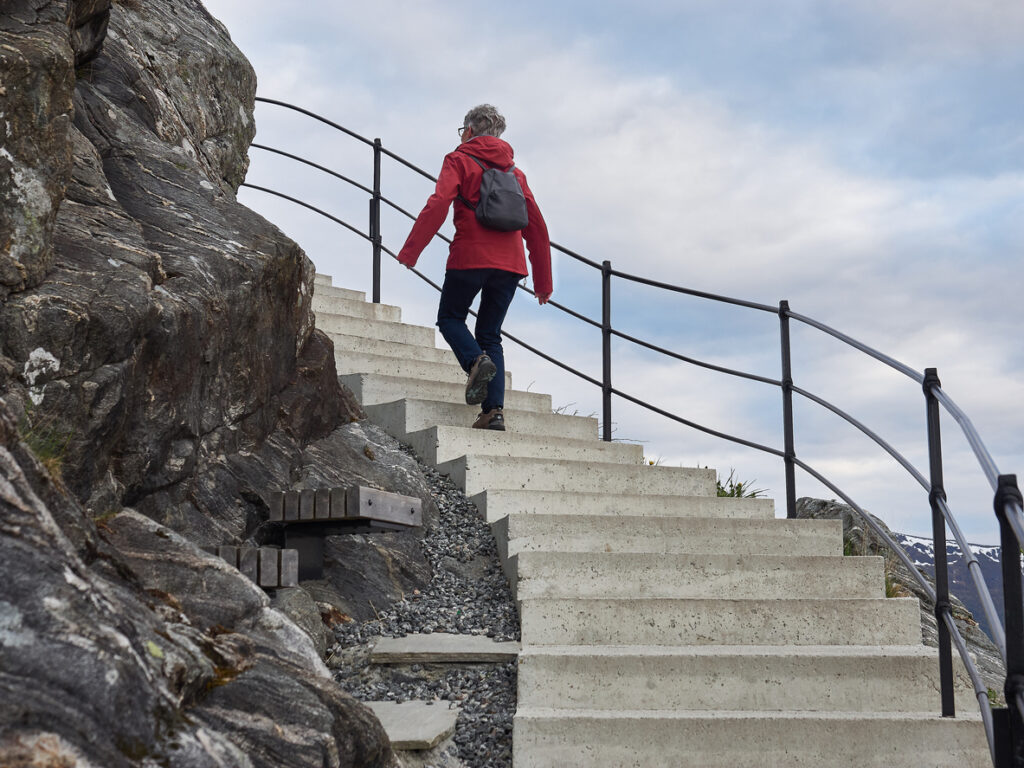
Climbing stairs forces your heart to work significantly harder than walking on flat ground because you’re lifting your entire body weight against gravity with every step. Your muscles need up to 200% more oxygen compared to level walking, so your heart has to pump faster and more forcefully to meet that demand. If your heart and lungs are working efficiently, they can handle this extra demand without leaving you gasping. When they’re not, you notice it within seconds.
Timing yourself gives you concrete health data.

There’s actually a simple test cardiologists use to assess heart health using stairs. If you can climb four flights (about 60 steps) in under 40 to 45 seconds, your cardiovascular system is working well and your risk of heart problems is relatively low. Taking between 45 seconds and a minute is still decent but suggests room for improvement. However, if it takes you longer than 90 seconds to get up those four flights, your heart health isn’t where it should be, and you’d benefit from seeing a doctor.
Breathlessness on stairs often appears before other symptoms.

For many people with developing heart conditions, struggling on stairs is the first sign something’s off. You might not have chest pain or any obvious symptoms at rest, but the moment you start climbing, your compromised cardiovascular system can’t keep up. This happens because your heart isn’t pumping enough oxygen-rich blood to your muscles, so your body tries to compensate by making you breathe faster. Early stage heart failure, coronary artery disease, and various other cardiac conditions often show up this way first.
Being out of shape makes everything harder.

Sometimes breathlessness on stairs has nothing to do with heart disease and everything to do with simply being deconditioned. If you don’t exercise regularly, your cardiovascular system isn’t efficient at delivering oxygen, your leg muscles are weak, and your body hasn’t adapted to handle physical demands well. The good news is this type of breathlessness improves fairly quickly with regular activity. Even just 30 minutes of stair climbing per week, broken into short sessions, can significantly boost your cardiovascular fitness within about six weeks.
Your lungs might be the problem instead.

Heart conditions aren’t the only reason stairs leave you gasping. Asthma, chronic obstructive pulmonary disease, and other respiratory issues can make it difficult to get enough oxygen into your bloodstream no matter how hard your heart’s working. If you also notice wheezing, a persistent cough, or tightness in your chest, your lungs are more likely the culprit than your heart. The difference is that lung-related breathlessness often comes with audible breathing difficulties, while heart-related issues usually don’t produce wheezing sounds.
Anaemia forces your heart to overcompensate.

When you’re anaemic, you don’t have enough healthy red blood cells to carry oxygen efficiently around your body. This means your heart has to pump faster and work harder to deliver the same amount of oxygen your muscles need, which is why stairs become exhausting. You might also notice fatigue, weakness, pale skin, and feeling dizzy when you stand up quickly. A simple blood test can diagnose it, and treatment often involves supplements or addressing whatever’s causing the low blood cell count.
Dehydration makes your heart pump less efficiently.
When you’re dehydrated, your blood volume decreases, which means your heart has to work harder to circulate what’s left around your body. This makes physical activities like climbing stairs feel more difficult and can leave you breathless faster than normal. You might not even realise you’re dehydrated because thirst isn’t always an obvious indicator. Other signs include dark urine, dry mouth, headaches, and feeling unusually tired. Drinking enough water throughout the day helps maintain proper blood volume and makes it easier for your heart to do its job.
Certain medications can affect your stair performance.

Beta blockers, which are commonly prescribed for high blood pressure and heart conditions, deliberately slow your heart rate. While this is helpful for managing certain conditions, it also means your heart can’t speed up as much during sudden exertion like climbing stairs. This can make you feel more breathless than you otherwise would, even though the medication is actually protecting your heart. If you’ve recently started a new medication and noticed stairs have become harder, mention it to your doctor.
Stress and anxiety can trigger breathlessness too.

When you’re stressed or anxious, your body goes into a heightened state that affects your breathing patterns and heart rate even before you start climbing. Add the physical demand of stairs on top of that, and you can end up feeling severely breathless. Anxiety can also make you hyperventilate without realising it, which throws off the balance of oxygen and carbon dioxide in your blood. If your breathlessness is accompanied by panic, racing thoughts, or a sense of dread, anxiety might be playing a bigger role than physical fitness.
Extra weight means extra work for your heart.

Carrying excess body weight makes stairs significantly harder because you’re essentially lifting more mass against gravity with every step. Your heart has to work harder to pump blood to more tissue, and your leg muscles have to generate more force to move your body upward. Even losing a relatively small amount of weight can make stairs feel noticeably easier because you’re reducing the workload on both your heart and your muscles.
Age affects how efficiently your heart responds.

As you get older, your heart naturally becomes less flexible and doesn’t fill with blood as efficiently between beats. This means it can’t pump as much blood with each contraction, so it has to beat faster to meet your body’s oxygen demands during activities like stair climbing. Your maximum heart rate also decreases with age, which limits how much your heart can speed up when needed. This is normal ageing, not necessarily disease, but it does mean stairs might feel harder in your 50s and 60s than they did in your 20s.
When you actually need to see a doctor
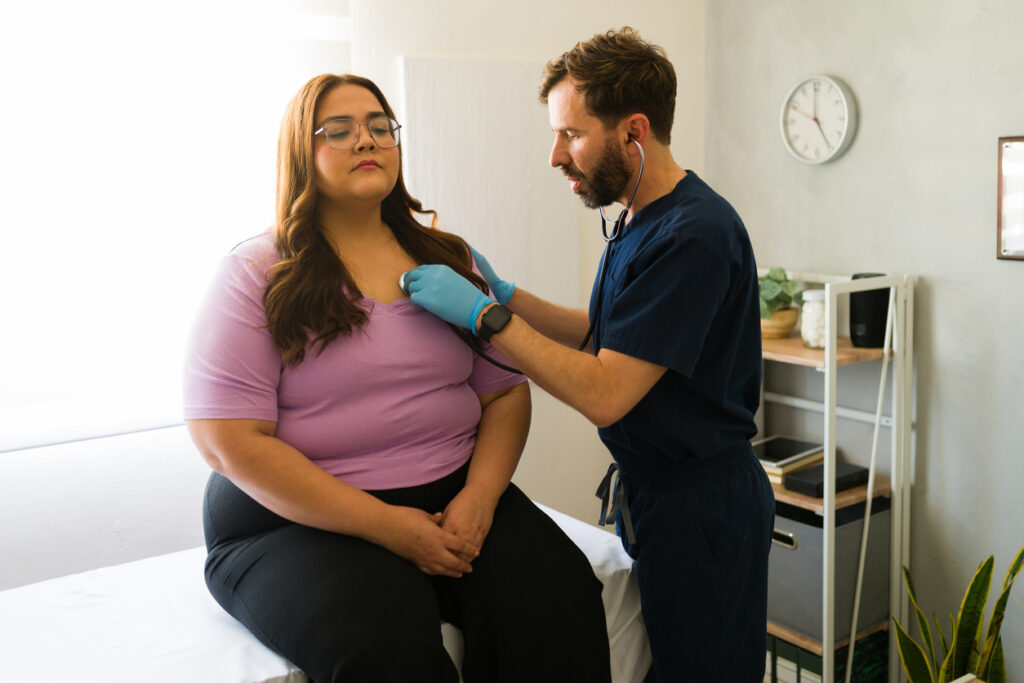
Getting a bit breathless on stairs isn’t automatically cause for panic, but certain signs mean you should get checked out. See a doctor if your ability to handle stairs has suddenly changed, if you’re experiencing breathlessness alongside chest pain or dizziness, or if you feel like you can’t get enough air, no matter how deeply you breathe. Also pay attention if you’re waking up short of breath at night, if your ankles are swelling, or if breathlessness is accompanied by a rapid or irregular heartbeat. These symptoms can indicate heart failure, coronary artery disease, or other conditions that need proper diagnosis and treatment.