Both hot tubs and saunas have their die-hard fans, but when it comes to pure comfort and sneaky health benefits, hot tubs might just take the win.

Science says soaking in warm, bubbling water does more for your body and mind than you’d expect, and it doesn’t leave you sitting in a wooden box sweating into your eyebrows. If you’re trying to pick between the steam box and the bubbly bath, here are 10 reasons to go full hot tub mode instead.
1. It’s easier on your breathing.

Hot tubs are humid, but they don’t leave you gasping in a dense cloud of steam. Unlike saunas, which can feel like breathing through a hot sponge, hot tubs let you soak without roasting your lungs. That makes them a better option if you’ve got asthma or just prefer breathing without a struggle.
In fact, research shows that excessive heat and dry air can irritate the airways, especially in people with respiratory conditions. A warm soak keeps things relaxed without turning your lungs into sandpaper.
2. Your body cools down more naturally afterward.

That post-hot tub glow is real, and it’s a lot gentler than the sharp cooldown you get after leaving a sauna. With hot tubs, your body adjusts more slowly to temperature changes, helping you stay relaxed instead of shocking your system. Sudden heat-to-cold changes (like stepping out of a sauna into the real world) can trigger blood pressure drops or dizziness. Hot tubs warm you up without leaving you dizzy in a towel wondering what year it is.
3. It mimics light cardio (without breaking a sweat).

Sitting in a hot tub can actually raise your heart rate in a similar way to mild aerobic exercise. Your blood vessels expand, your circulation improves, and your heart pumps just a bit harder, all without you lifting a finger. One study found that a 30-minute soak raised heart rates comparably to a brisk walk. So if you skipped leg day, no judgement—just slide into the jets and call it “hydro-cardio.”
4. It soothes your muscles better with buoyancy.

In a sauna, you’re still sitting on a hard bench with gravity doing its usual thing. However, in a hot tub, buoyancy kicks in. That upward force reduces pressure on joints and muscles, giving your whole body a chance to properly relax. People with arthritis or chronic pain often find warm water therapy more helpful than dry heat because it provides support, reduces impact, and allows for gentle movement if needed.
5. You can stay in longer without cooking.
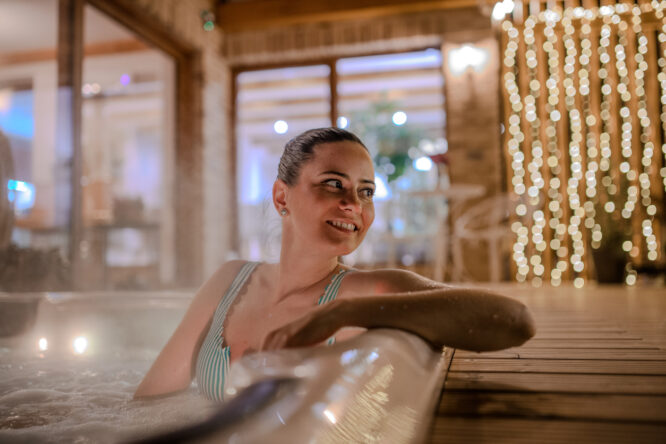
Let’s be honest, most people can only handle about 10 minutes in a sauna before feeling like a microwaved burrito. Hot tubs, on the other hand, let you linger. You can stay in for 20 to 30 minutes without feeling like you’re about to combust. The extended soak time gives your body more opportunity to benefit from improved circulation, reduced muscle tension, and stress relief. Plus, you’re not constantly wiping sweat out of your eyes.
6. It may help lower blood sugar.
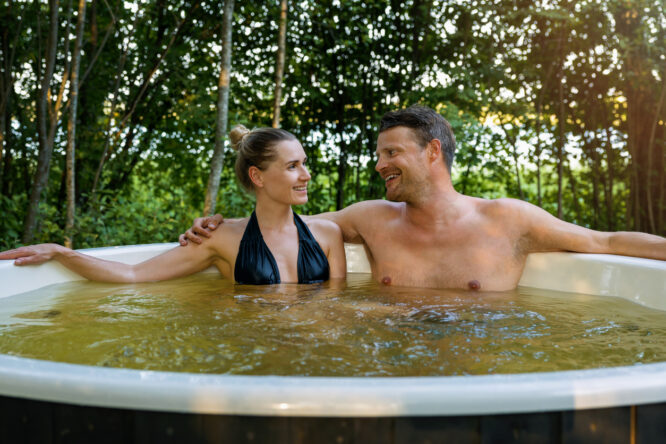
Studies have shown that regular hot tub use can help lower blood glucose levels in people with type 2 diabetes. The heat helps improve insulin sensitivity and circulation—benefits that don’t seem as strongly tied to sauna use. While it’s not a replacement for medication or exercise, adding hot tub sessions into your routine might give your blood sugar levels a gentle nudge in the right direction. That’s a pretty relaxing bonus.
7. You’re less likely to feel lightheaded.
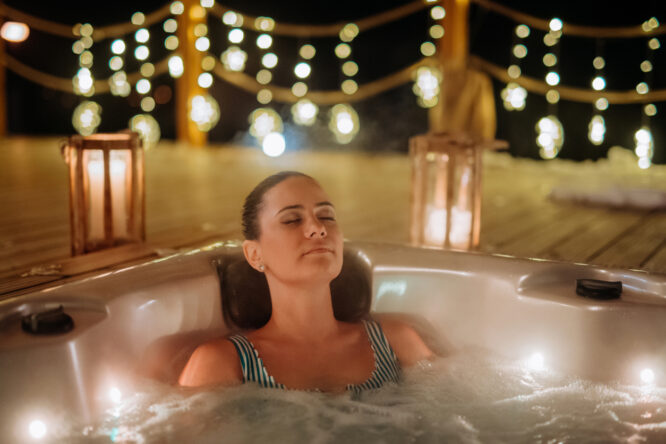
Saunas can be intense, and the dry heat combined with sweating buckets can cause dizziness, especially if you’re dehydrated or have low blood pressure. Hot tubs, while still warm, tend to feel gentler and more manageable for longer periods. You’re also not losing quite as much fluid through sweating, so your electrolyte balance stays steadier. Basically, it’s less likely to turn into a “whoops, I need to lie down” moment.
8. It actually improves your sleep.

That warm, sleepy feeling you get after a bath? Hot tubs do that too, only better. Soaking for 20 minutes in the evening can help you fall asleep faster and sleep more deeply, especially if you’re someone who tends to toss and turn. The gentle drop in body temperature after getting out of the tub helps cue your brain that it’s time to wind down. Saunas may help some people too, but they tend to overstimulate more than relax.
9. You can stretch or move while you’re in it.
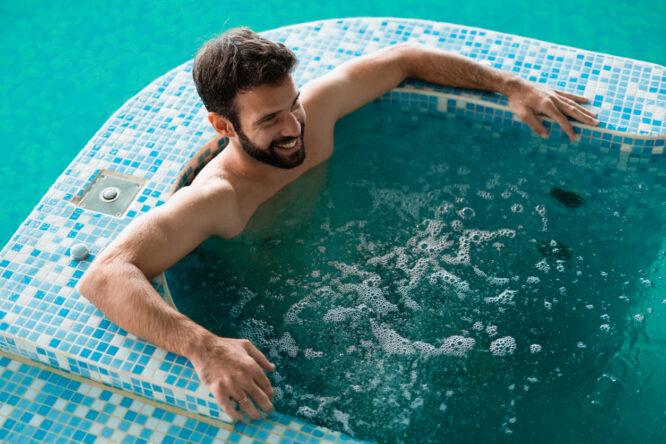
Try stretching in a sauna, and you’ll likely bonk your head on the ceiling or slip off the bench. Hot tubs, though? Total freedom. You can roll your shoulders, stretch your back, even do some gentle water-based exercises if you’re feeling ambitious. The warm water makes your muscles more pliable, which reduces stiffness and increases range of motion. It’s like yoga, but in bubbles, and with zero effort required.
10. Let’s face it, it’s just more fun.

No offence to saunas, but they don’t come with jets, bubbles, or space to sip a drink while chatting with friends. Hot tubs have a social element saunas can’t touch, and sometimes, that joy factor matters just as much as the science. Whether you’re using it solo or making it a hangout spot, hot tubs deliver the health perks and the good vibes. If wellness can include laughter and warm feet, we say count us in.