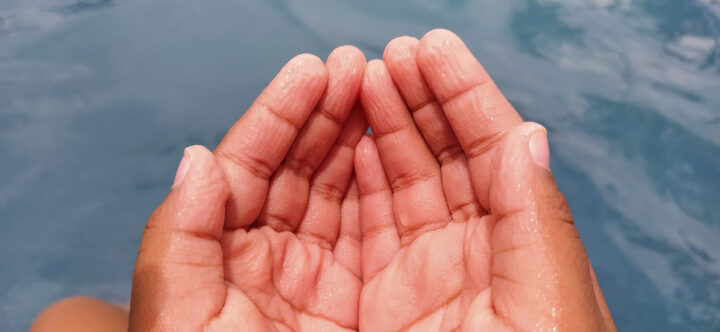
Spend enough time in the bath or pool and suddenly, your fingers look like they’ve aged 100 years. However, those shrively little wrinkles that show up when you’re waterlogged aren’t just some random quirk. Science has a pretty fascinating explanation for why they happen, and it’s not what most people think. Here are some cool facts about the wrinkly skin mystery you’ve probably never questioned, but now absolutely need to know about.
They’re not caused by water soaking into your skin.
Despite what it looks like, your skin isn’t puffing up from absorbing water like a sponge. The wrinkles are actually controlled by your nervous system, not just moisture. Your body decides to wrinkle your fingers, and there’s a reason. This process is triggered automatically when your skin’s been wet for a while, but it’s more of a biological reaction than a soggy accident. It’s like your nerves go, “Ah, water? Time to crinkle up.”
It’s all about grip.
The leading theory is that these wrinkles help you grip wet or submerged objects better, kind of like the treads on tyres. When your fingers get pruney, you’re actually gaining traction in slippery conditions. Some researchers even tested this by having people pick up wet marbles with wrinkled versus non-wrinkled fingers, and yes, pruney fingers won. You’ve basically got built-in bath-time grip tech.
It only happens on hairless skin.
Ever noticed your arms or legs don’t really wrinkle up the same way your fingers and toes do? That’s because this phenomenon only occurs on areas of skin without hair, like your palms, soles, and fingertips. These are the parts of your body most likely to interact with surfaces and tools, which supports the whole “grip enhancement” theory. Hairy skin just isn’t invited to the wrinkle party.
The reaction is controlled by your brain.
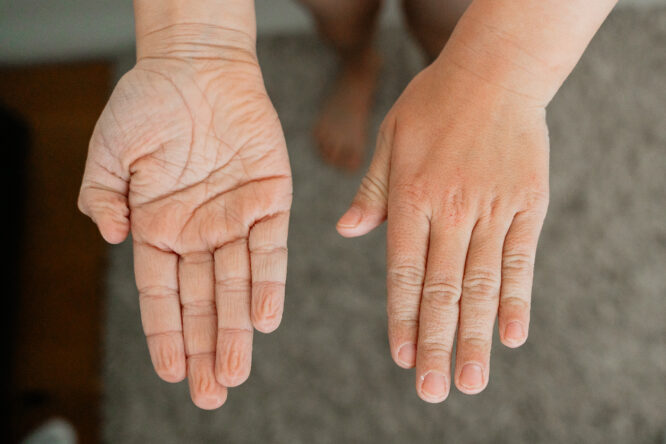
It’s your autonomic nervous system (the same one that handles stuff like heartbeat and digestion) that triggers the wrinkling response. That’s why people with certain nerve or circulatory issues sometimes don’t wrinkle up the same way. It’s a reminder that even your weird bath hands are being managed behind the scenes by your brain, just quietly running the wrinkle program like, “Don’t worry, we’ve got this.”
It might be an evolutionary throwback.
Some scientists believe this whole wrinkling mechanism is an ancient adaptation. Picture early humans needing to forage, climb, or hunt in wet environments. Wrinkled fingers may have helped them keep a firm grip on whatever they were hauling around. Basically, your post-bath fingertips are flashing back to your hunter-gatherer roots. Who knew soaking in a hot tub connected you to your prehistoric ancestors?
The wrinkles fade pretty fast.
Once you’re out of the water, your fingers smooth back out again within about 10–20 minutes. That’s because your nervous system stops the constriction of blood vessels that was causing the skin to fold in the first place. It’s a temporary setup, like your fingers pulling on rain boots for a storm, then kicking them off once the sun comes back out.
Not all animals do it.
This wrinkling reflex seems to be a human thing. Most animals don’t get pruney from swimming or soaking. We’re still not 100% sure why humans specifically evolved it, but our tool-using, object-grabbing tendencies probably played a role. So next time you’re sitting in the tub staring at your weird raisin hands, know that you’re part of a very niche biological club.
It can be used to test nerve function.
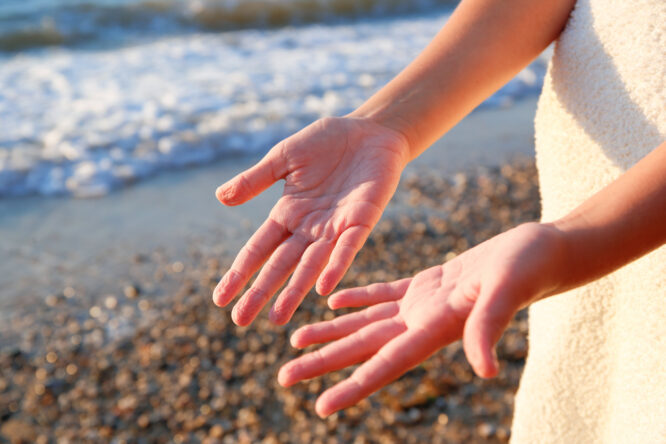
Doctors sometimes check finger-wrinkling as a basic test of autonomic nervous system health. If one hand wrinkles less than the other, or not at all, it might signal a problem with nerve signals or blood flow. It’s one of those surprisingly useful quirks the body gives us, like a built-in status update on your nervous system, courtesy of your bath.
Toes do it too, for the same reason.
Your toes aren’t just tagging along for fun; they wrinkle for grip, too. It helps with balance and traction, especially when walking on slippery surfaces like wet rocks or pool tiles. So, if you’ve ever wondered why your feet go full raisin after a beach day, it’s your body’s way of saying, “Don’t slip. I’ve got you.”
It’s not harmful at all.
While the wrinkles might look dramatic, they’re totally harmless. Your skin isn’t breaking down, drying out, or about to fall off. It’s just going through a temporary change, and will bounce right back. So go ahead and stay in the bath a little longer. Your fingers may look like prunes, but they’re actually doing their job. Weirdly impressive, right?