Scientific exploration is a vital part of our society, helping us advance and learn new things that fundamentally change life as we know it.
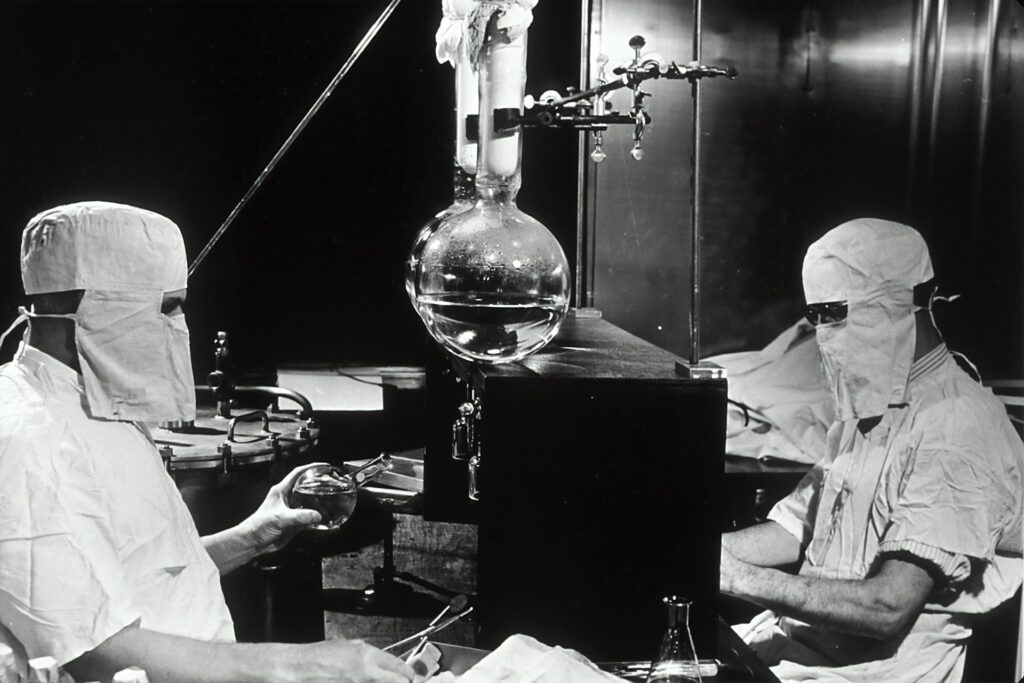
However, not every experiment that’s been performed throughout history has been successful or even very smart. Sometimes the most intelligent scientists in the world make decisions that go spectacularly wrong, teaching us valuable lessons about the dangers of rushing ahead without proper safeguards. These are some of the biggest disasters that could have (and ultimately should have) been avoided.
1. Franz Reichelt’s parachute suit test from the Eiffel Tower
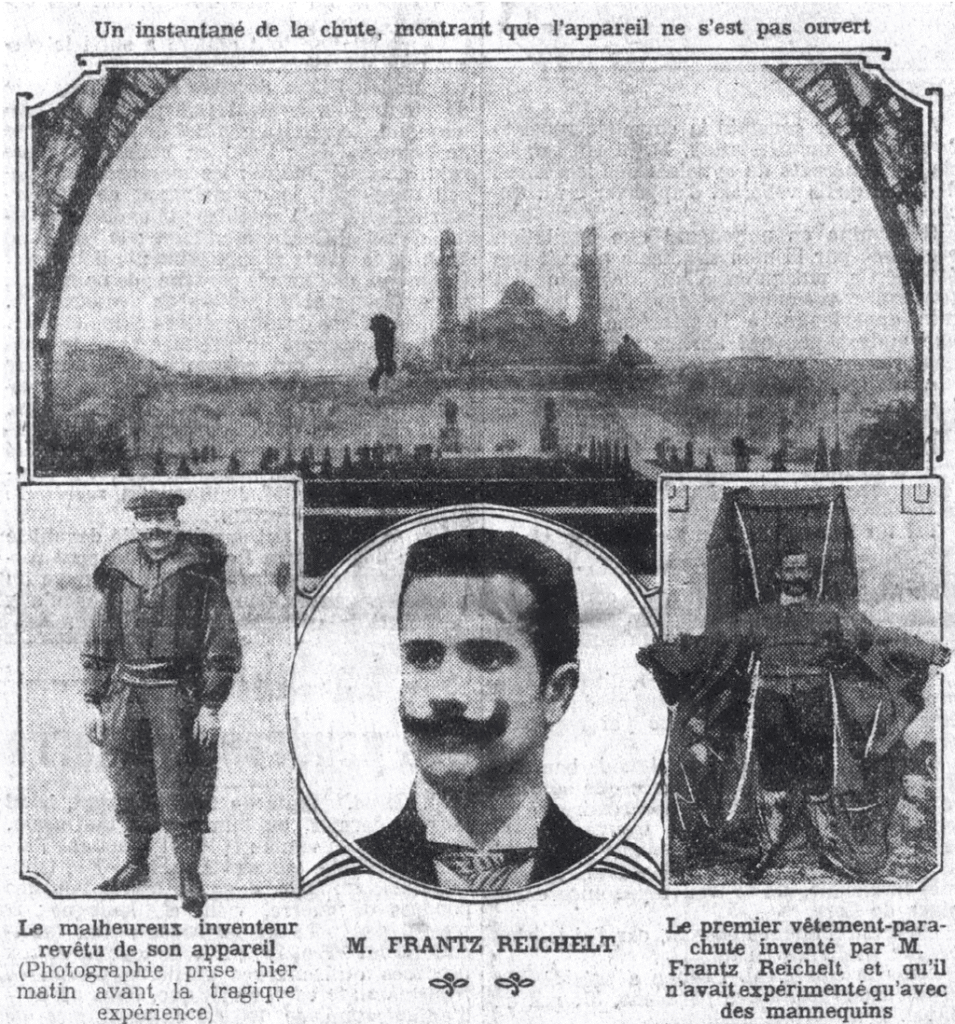
Franz Reichelt was a French tailor who became obsessed with creating a wearable parachute suit for pilots. He tested his designs by throwing dummies from his apartment building, but when they kept crashing, he convinced himself the problem was height, not his design.
In February 1912, he got permission to test from the Eiffel Tower using a dummy, but shocked everyone by jumping himself instead. The parachute failed to open properly, and he plummeted 187 feet to his death in front of cameras and a horrified crowd.
2. The thalidomide tragedy that caused thousands of birth defects
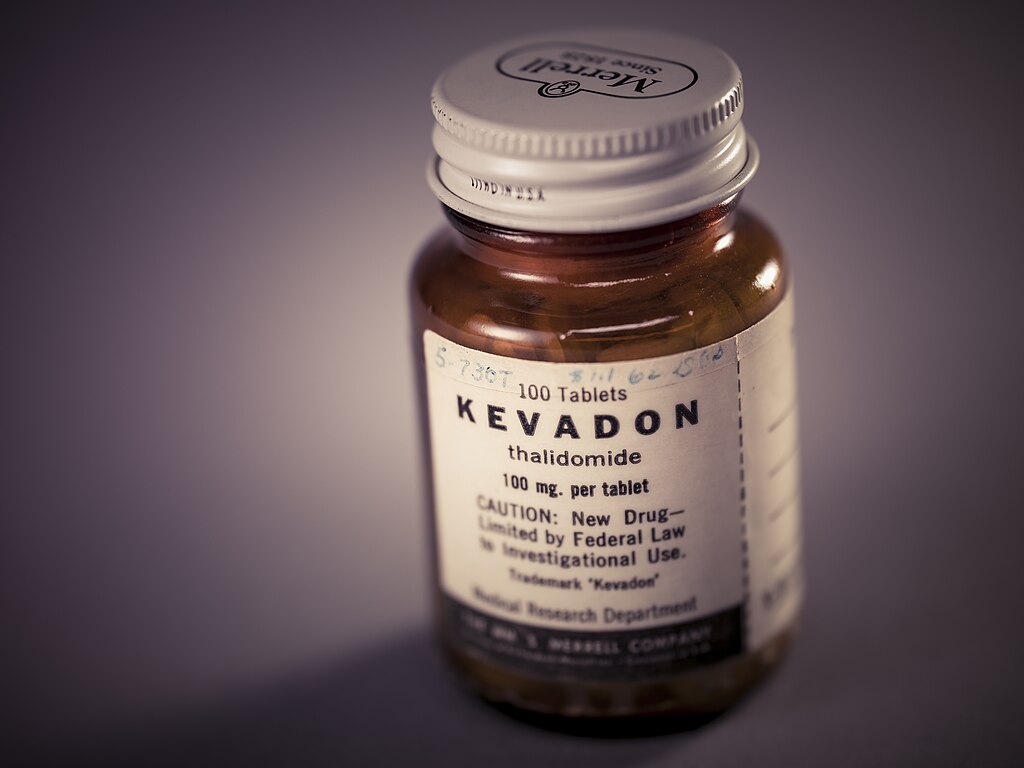
In the 1950s, thalidomide was marketed as a safe sedative and morning sickness treatment for pregnant women. The drug company claimed it was so safe that it was virtually impossible to give test animals a lethal dose, so it must be harmless to humans.
By the early 1960s, it became clear that thalidomide was causing severe birth defects in babies, including missing or malformed limbs, heart problems, and other disabilities. Over 10,000 babies worldwide were affected, with about 40% dying around birth.
3. The Stanford Prison Experiment that went completely out of control

In 1971, psychologist Philip Zimbardo set up a fake prison in Stanford’s basement to study how people behave in prison roles. Students were randomly assigned to be guards or prisoners for what was supposed to be a two-week experiment.
The “guards” became increasingly cruel and the “prisoners” suffered psychological breakdowns so severe that the experiment had to be stopped after just six days. The psychological harm was so intense that some participants experienced lasting trauma from the experience.
4. MKUltra mind control experiments by the CIA
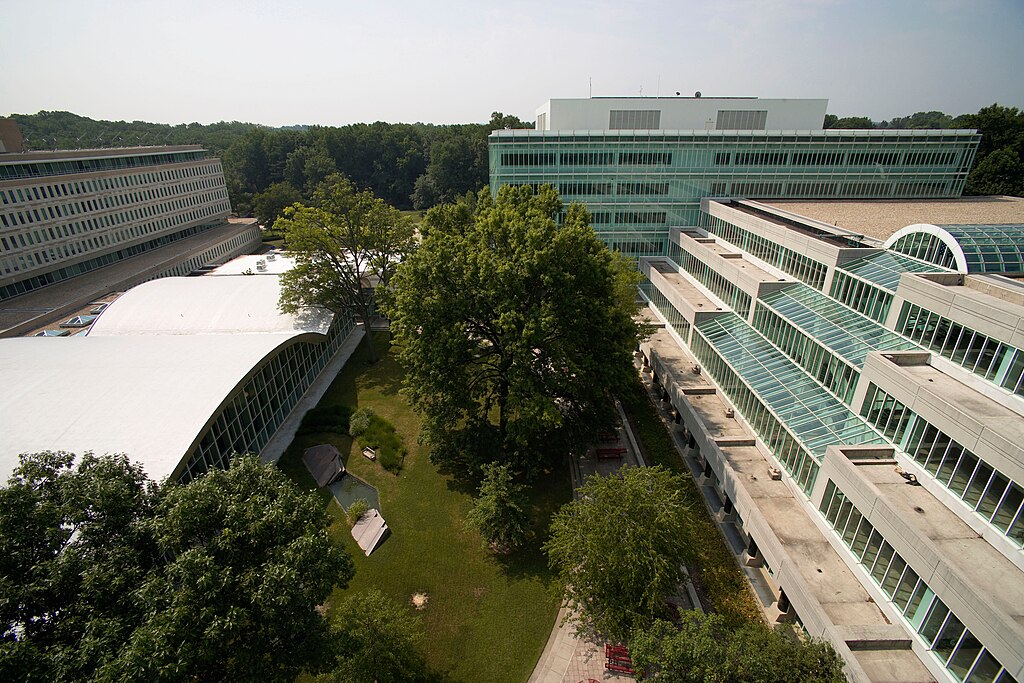
Between 1953 and 1973, the CIA conducted secret experiments on thousands of unwitting American and Canadian citizens, trying to develop mind control techniques. They used LSD, other drugs, hypnosis, torture, and psychological abuse without people’s knowledge or consent.
Many subjects suffered severe psychological trauma, and some died as a result of these experiments. The CIA destroyed most of the records in 1973, so we’ll never know the full extent of the damage caused to innocent people.
5. The Tuskegee syphilis study that denied treatment to black men
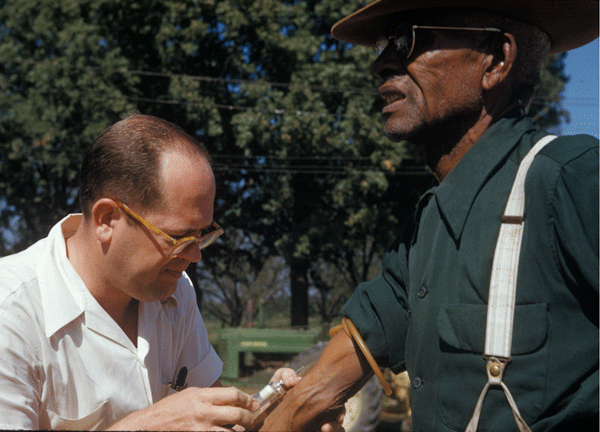
From 1932 to 1972, the US Public Health Service studied untreated syphilis in rural black men in Alabama. The 600 men weren’t told they had syphilis and were told they were being treated for “bad blood” whilst receiving ineffective treatments.
Even after penicillin was discovered as an effective treatment for syphilis, researchers deliberately withheld it from the men to continue studying the disease’s progression. Two-thirds of the men died by the end of the 40-year experiment.
6. Milgram’s shock experiments that pushed people to torture others
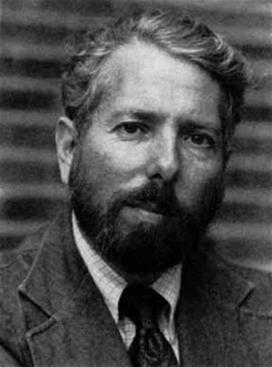
In the 1960s, psychologist Stanley Milgram recruited people for what they thought was a memory study at Yale. Participants were told to give electric shocks to “learners” every time they made mistakes on word tests, with voltages supposedly increasing up to dangerous levels.
About two-thirds of participants continued giving shocks up to the maximum voltage when ordered to do so by the experimenter, even when they heard screams and pleas to stop. The “learners” were actually actors, but the participants didn’t know this and believed they were causing real pain.
7. The Monster Study that created speech problems in children
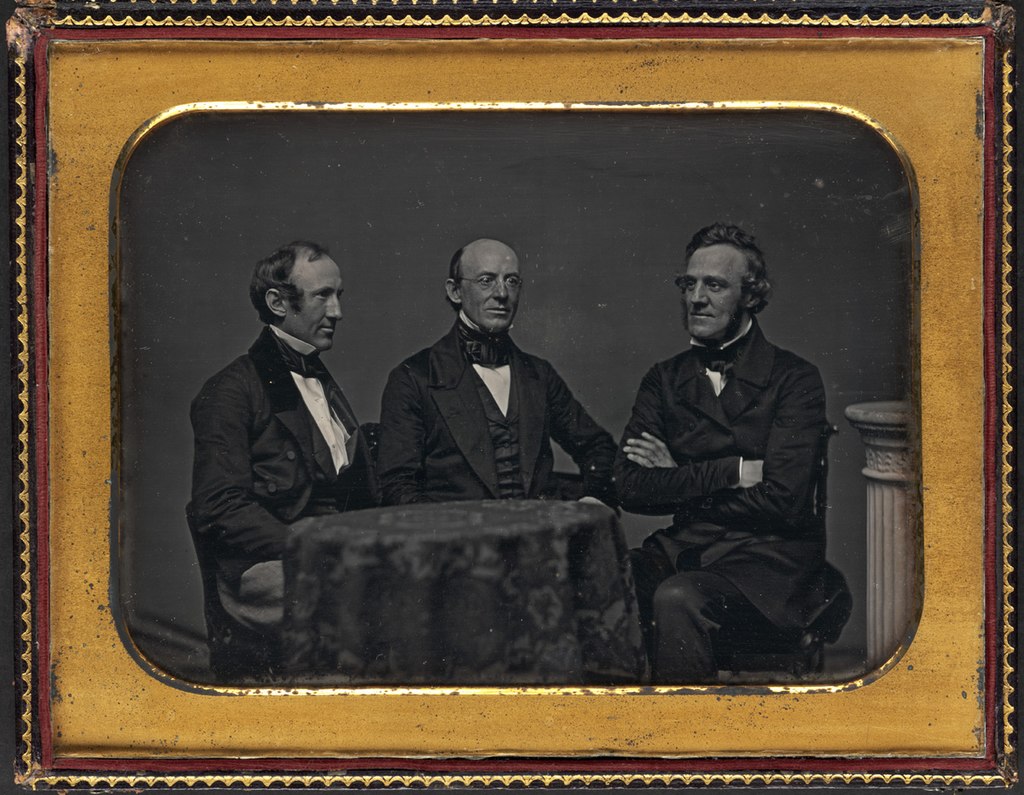
In 1939, researcher Wendell Johnson conducted an experiment on 22 orphaned children in Iowa to test whether stuttering could be caused by negative feedback. Half the children received positive speech therapy, while the other half were constantly criticised and told they were developing speech problems.
The children who received negative feedback developed lasting speech and psychological problems, whilst those given positive feedback improved. The study was kept secret for decades because of the obvious ethical violations, and the orphans never knew they were part of an experiment.
8. Unit 731’s biological warfare experiments in Japan
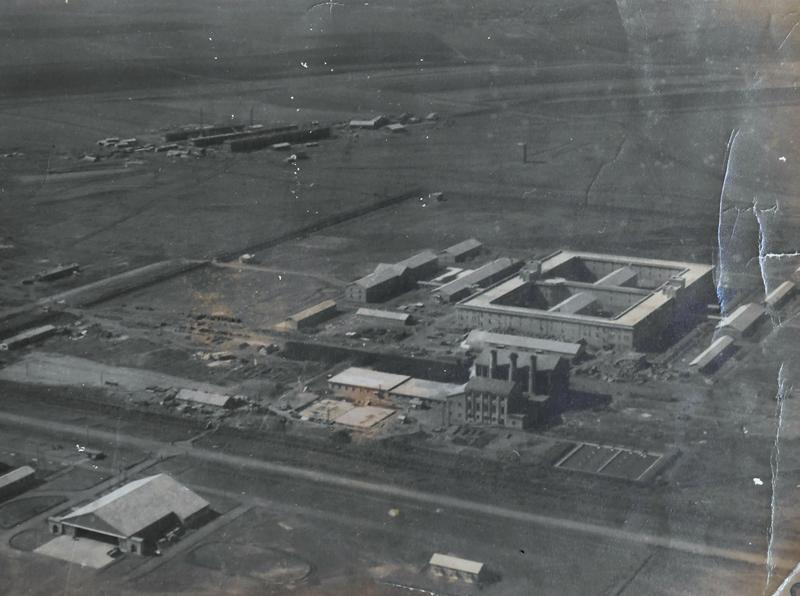
Throughout the 1930s and 1940s, Japan’s Unit 731 conducted biological warfare experiments on prisoners, mostly Chinese civilians. Led by General Shiro Ishii, they tested diseases like plague, cholera, and anthrax on living human subjects without anaesthesia.
The death toll is unknown, but estimates suggest as many as 200,000 people died from these brutal experiments. Prisoners were subjected to vivisection, frostbite experiments, and deliberate infection with deadly diseases, all in the name of developing biological weapons.
9. Nazi medical experiments in concentration camps
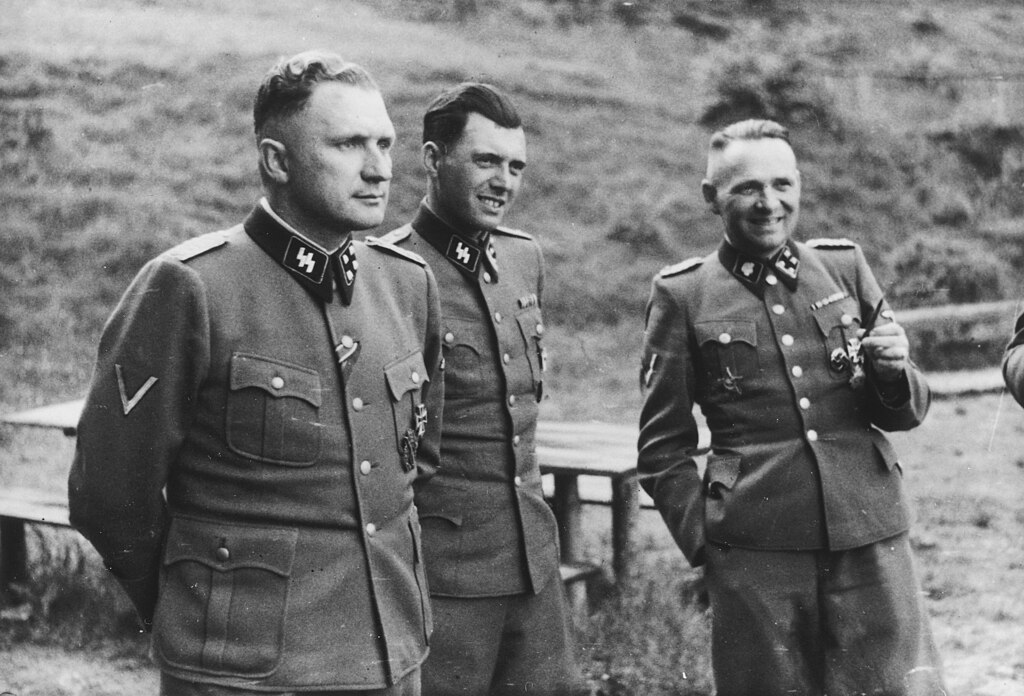
During World War II, Nazi doctors conducted horrific medical experiments on prisoners in concentration camps. Dr Josef Mengele and others performed surgeries without anaesthesia, deliberately infected people with diseases, and conducted genetic experiments on twins.
Prisoners were subjected to freezing experiments, sterilisation procedures, and other torture disguised as medical research. One woman had her breasts tied with string, so doctors could watch her baby starve to death, leading her to eventually inject the child with morphine to end its suffering.
10. The Guatemala syphilis experiments
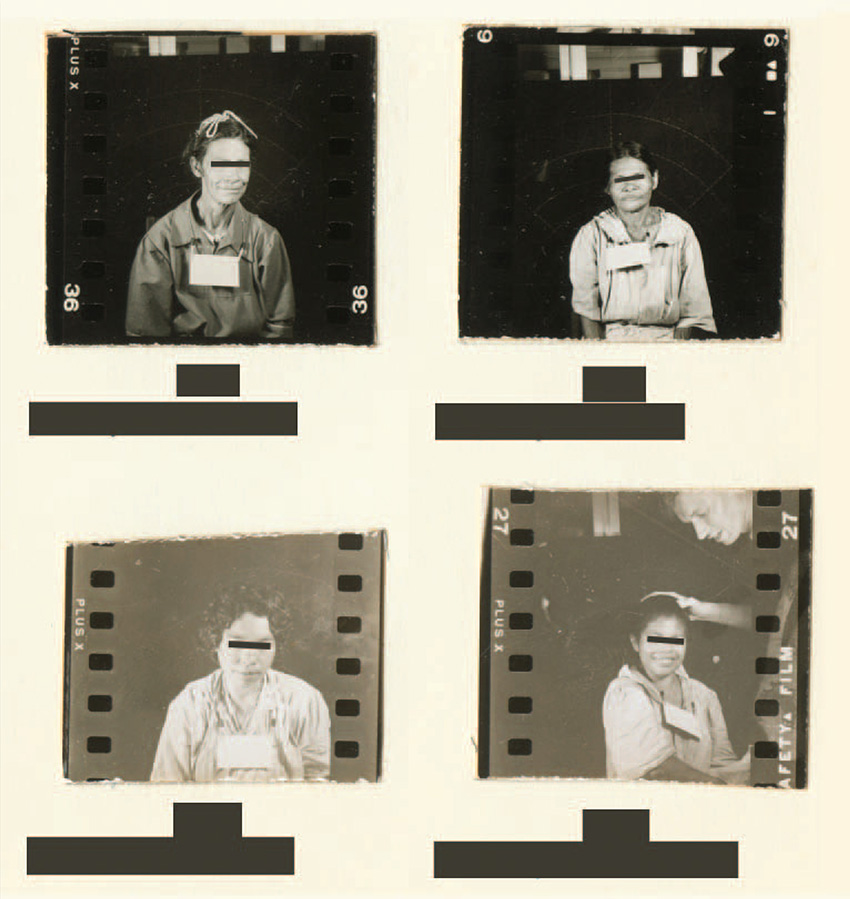
Between 1946 and 1948, US researchers infected 1,300 Guatemalans with syphilis, chancroid, and gonorrhoea without their knowledge or consent. Subjects included prisoners, mental patients, and soldiers who were infected through sex workers, direct inoculation, or bacteria poured on open wounds.
Only about 700 of the infected people received any treatment with penicillin, leaving hundreds to suffer the full effects of these diseases. The experiments were kept secret for decades until documents were discovered in 2010.
11. The TGN1412 drug trial disaster

In 2006, eight healthy volunteers in London took part in the first human trial of TGN1412, an experimental drug being developed to treat leukaemia and autoimmune diseases. The drug had been tested successfully in animals, but something went horribly wrong in humans.
Within hours of taking the drug, six of the men experienced massive organ failure and nearly died. They suffered swelling so severe that one man’s head became twice its normal size, and they required intensive care for weeks. The drug was clearly not ready for human testing.
12. The Chernobyl reactor experiment that caused a nuclear disaster

On April 26, 1986, Soviet nuclear engineers decided to test what would happen if they turned off Chernobyl’s backup cooling systems and used only eight control rods instead of the required 15. They thought they could safely test the reactor’s limits during a routine shutdown.
The experiment triggered a runaway nuclear reaction that blew the reactor’s lid off and created a massive fireball, releasing 100 times more radiation than the Hiroshima and Nagasaki bombs combined. About 4,300 people eventually died, and over 70,000 were permanently disabled.