The gym can be a great place to get healthier, but it also brings out behaviours people don’t realise reveal more about their insecurities than their fitness.

If you’ve noticed these habits in yourself or other people, they often point to what’s going on inside. However, in addition to being dead giveaways for things you don’t particularly like about yourself, they also annoy everyone around you and in certain cases, show a serious lack of respect for your fellow gym-goers.
1. Hogging equipment

Taking over a machine for long stretches or leaving your towel there while wandering around looks like confidence, but often it comes from fear of losing control. People who feel insecure about their strength or routine sometimes cling to equipment as a way of claiming space.
If you catch yourself doing this, try sharing instead. Letting other people work in while you rest makes the gym feel friendlier and shows you’re not worried about being judged. That small act of openness helps reduce the need to protect your space so tightly.
2. Grunting loudly on every rep

There’s a difference between natural effort sounds and exaggerated noise. When grunts are constant and over the top, it often comes from wanting attention or proving toughness. The noise masks insecurity about whether their strength is noticeable without drawing eyes.
Focus on your form instead of volume. If you train with good technique, people will respect you without theatrics. You’ll also conserve energy and feel more comfortable knowing your progress doesn’t rely on who’s listening, only on how you’re improving.
3. Staring in the mirror constantly

Mirrors are useful for checking technique, but some people barely look away from their reflection. Obsessively watching themselves often signals self-doubt rather than pride. It’s a way of looking for reassurance that they look strong enough or fit in with everyone around them.
Limit mirror checks to form corrections. The more you focus on how your body feels during exercises, the less anxious you’ll be about appearances. Building confidence in your ability rather than your reflection makes your time in the gym more rewarding.
4. Avoiding certain areas

Beginners often stick to cardio or machines, avoiding free weights because they fear looking weak or making mistakes. This avoidance highlights insecurity about not belonging, even though most people are too focused on themselves to notice. Staying in one corner doesn’t fix the nerves.
Ease into new areas gradually. Start with lighter weights or simple movements until you feel more at home. Each small step expands your confidence, and soon the free weight section feels as natural as any other part of the gym.
5. Overloading weights to impress

Stacking more plates than you can handle is a common way people cover insecurity. Struggling through sloppy reps may look like effort, but it usually comes from trying to prove something. Instead of showing strength, it shows fear of looking weak.
Choose weights that challenge you while keeping form intact. Progression comes from consistency, not theatrics. Training smart builds strength faster than forcing heavy lifts, and you’ll feel more secure knowing your gains are real and sustainable rather than for show.
6. Competing with strangers

Glancing around and trying to outdo whoever’s nearby reveals more insecurity than strength. It shows you’re focused on other people rather than your own progress. This comparison game not only fuels stress but also risks injury when you push harder than your body can manage.
Shift the focus back to your personal goals. Track your improvements week by week instead of comparing yourself to strangers. Progress feels more satisfying when measured against your own starting point, and that shift helps reduce the need for silent competition.
7. Taking endless selfies

Capturing the occasional progress photo makes sense, but spending half your session posing shows insecurity about whether progress is real. Constant selfies suggest you need external approval, which takes focus away from the workout itself. It often comes from seeking validation more than documenting effort.
Set a limit on photos and dedicate most of your time to training. When you focus more on the session than on posting, you’ll notice greater improvements. The validation you’re looking for comes naturally when results show, not when likes add up.
8. Avoiding eye contact

Some people move through the gym without ever lifting their gaze. It may seem like focus, but often, it’s insecurity about being judged. By avoiding eye contact altogether, they try to stay invisible, which ironically draws more attention to their discomfort.
Practise small, relaxed interactions like a quick nod or smile. Acknowledging the people around you makes the environment feel friendlier and reminds you that most people aren’t paying harsh attention. Confidence builds through these little gestures, helping you feel like you belong there.
9. Copying other people without proper guidance

Watching someone else’s workout and trying to imitate it without knowledge often stems from insecurity about not knowing what to do. Instead of asking for help, copying feels safer, but it can lead to poor form or even injury while hiding the fear of standing out as a beginner.
It’s better to ask for advice or follow a simple plan. Trainers and experienced gym-goers are usually happy to help, and a basic routine gives you structure. Once you’re confident in your form, you’ll feel less pressure to imitate anyone else.
10. Talking too loudly about routines

Some people announce every detail of their workout to anyone nearby. It often comes from a need to prove knowledge, masking insecurity about whether they’re doing enough. The loudness is less about sharing tips and more about seeking validation through volume.
Confidence grows by focusing inward. Keep conversations friendly but don’t rely on explaining yourself constantly. The more energy you put into your own routine, the less you’ll need to perform for other people, and the calmer and more secure you’ll feel.
11. Refusing to rest properly
Pacing around or rushing between sets instead of pausing often reflects anxiety about looking lazy. Insecure lifters worry other people will judge their breaks, so they keep moving to prove effort, even though rest is essential for progress and recovery.
Shift your mindset to see rest as part of training. Use the pause to breathe, hydrate, and prepare for the next set. Embracing rest shows maturity, and you’ll notice better results once you stop performing for appearances and start training smartly.
12. Sticking rigidly to one routine

Doing the exact same workout every time can come from fear of trying something new. Insecurity about being seen as inexperienced makes people cling to what they know. While routine brings comfort, it can also limit progress and keep insecurities hidden rather than resolved.
Start by adding small variations. Swap one machine, try a new class, or change the order of exercises. Gradual variety builds confidence and growth, helping you realise no one is watching as closely as you fear, and your skills expand naturally.
13. Correcting people unnecessarily
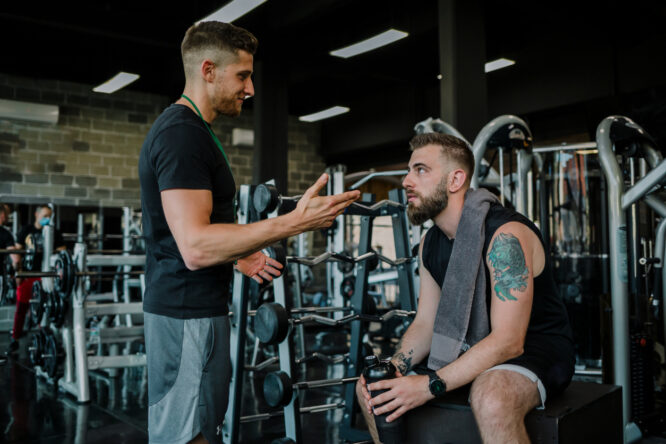
Giving advice without being asked often hides insecurity. People may feel unsure of their own progress, so pointing out flaws in other people makes them feel more capable. Instead of boosting confidence, it often creates tension and shows they’re desperate for validation.
Resist the urge to correct unless someone could get hurt. Respecting other people’s space helps you focus on your own journey. When you let go of proving knowledge, you build quieter confidence, which feels stronger than constantly needing to show authority.
14. Obsessing over appearance

Spending more time adjusting clothes, flexing, or checking how you look than actually exercising suggests deep self-consciousness. Instead of enjoying the workout, focus stays on image, which fuels insecurity. The gym becomes about proving appearance rather than building strength or health.
Shift attention to how your body feels, not how it looks. Celebrate progress in stamina, strength, or flexibility. By valuing performance over appearance, you reduce pressure and enjoy the gym for what it should be — a space to feel good in yourself.