There’s no shortage of opinions when it comes to parenting, especially from people who aren’t doing it.

Friends without kids often mean well, but sometimes, the gap in understanding is bigger than it looks. Parenthood changes everything: your priorities, your time, your sleep, your relationship with the world. And while no one’s asking for pity, most parents wouldn’t mind a little more understanding. Here are the things they wish non-parents realised, without having to spell it out every time.
1. We’re not ignoring you, we’re exhausted.

If a friend with kids takes hours (or days) to reply, it’s rarely personal. Between nappies, mealtimes, school runs, and trying to remember their own name, messaging back just doesn’t always make the cut. The mental load is constant, and by the time they get five minutes to themselves, the idea of picking up the phone feels like one more task.
It doesn’t mean they don’t care. It doesn’t mean they’ve drifted. It just means their bandwidth is maxed out. A little patience goes a long way, and those friends will often circle back when life lets them breathe again.
2. “Just get a babysitter” is not that simple.

It sounds like a quick fix, but getting a babysitter involves trust, availability, cost, and timing, and that’s before you even leave the house. It’s not just about finding someone to watch the kids. It’s about making sure the child is safe, comfortable, and won’t end up having a meltdown that undoes all your plans.
For many parents, especially with young kids or tight budgets, babysitting isn’t spontaneous or stress-free. That’s why they sometimes say no to things last-minute: logistics rather than flakiness. Also, just know that guilt often comes baked in with the “no.”
3. Our plans revolve around naps, snacks, and moods.

When you’ve got little kids, your day is built around their needs. If a toddler doesn’t nap, the rest of the day goes sideways. If lunch is delayed, chaos erupts. That’s why parents often say no to certain time slots, restaurants, or long drives. They’re trying to prevent a total breakdown.
It doesn’t mean they’re rigid or boring. It means they’re trying to avoid tears, tantrums, or a car journey that feels like an emotional hostage situation. Working around kid rhythms isn’t easy, but it’s often the only way to make things work for everyone.
4. We miss our old selves, too.
Parents aren’t offended by your freedom. They often miss theirs too. Nights out, lazy mornings, last-minute weekends away—they remember those days fondly. And sometimes, they wish they could still join in without needing a week’s notice and a logistical spreadsheet to make it happen.
It’s not jealousy. It’s just that becoming a parent can feel like a full identity change. They still want to laugh, unwind, and feel like themselves again. It’s just that they just need a bit more notice and understanding to do it now.
5. We’re doing our best, not aiming to be perfect.

Parents are already swimming in advice, judgement, and pressure. Whether it’s sleep schedules, screen time, or school choices, someone always has an opinion. What they really need is empathy, not side-eyes when the toddler has a meltdown in the café or the baby won’t stop crying in the queue.
Parenting is often about getting through each day without burning out or breaking down. If you see a parent struggling, don’t assume they’re doing it wrong. Chances are, they’re already beating themselves up more than you realise.
6. We’re not “lucky” to be tired; it’s bone-deep fatigue.

There’s a running joke that people without kids are “tired” while parents are “tired-tired.” It’s true that parent exhaustion is on another level. It’s not just lack of sleep that does it, either. It’s the constant vigilance, the decisions, the worries, the negotiations, the multitasking from dawn to night.
It’s not a competition, but when someone says they’re tired from a night out and a parent hasn’t had an uninterrupted sleep in two years, the comparison can feel a bit… off. Parents aren’t asking for trophies. They just want the fatigue to be acknowledged as real and valid.
7. We genuinely can’t “just bring the kids.”

Some events just aren’t kid-friendly: think loud venues, late nights, adult conversations. Bringing kids often means one parent won’t actually enjoy the outing because they’ll be in full-on supervision mode the whole time. That’s not relaxing. That’s crowd control in nice clothes.
If you want to see your parent friends, suggesting child-free time is lovely, but also understand if they say no. It doesn’t mean they don’t want to see you. It just means the logistics, cost, or energy level makes it hard that day. Flexibility is key.
8. We love our kids, and still need breaks from them.
Wanting time away from your kids doesn’t mean you don’t love them. It means you’re human. Parents carry so much pressure to be endlessly grateful, endlessly present, endlessly patient. But the truth is, you can adore your children and still crave silence, space, or adult conversation.
When non-parents say, “But you chose this,” it can sting. Yes, they did. But that doesn’t mean they don’t get tired. Breaks aren’t selfish; they’re how you recharge enough to keep showing up as the parent your kids deserve.
9. Your help, or patience, means more than you think.

Holding a baby while someone eats their food hot, picking up dropped toys, or simply not looking annoyed when a toddler shouts in public are little things can mean everything to a parent. Sometimes just saying, “You’re doing great,” makes their whole week. Parenting can feel invisible. However, when someone shows kindness instead of judgement, it cuts through the noise. You don’t need to fix anything. Just being decent makes more of a difference than you realise.
10. Our priorities have changed, and that’s okay.

Parenthood can change everything, sometimes overnight. Things that once felt urgent now take a back seat. Social scenes, hobbies, even personal goals can pause or slow down. It’s not because parents have stopped caring; it’s just that their world has reoriented around something much bigger than themselves.
It can be hard for non-parents to relate, especially when the friendship dynamic changes. However, giving parents room to evolve, and accepting that their life looks different now, means they’re far more likely to stay connected long term, not drift away completely.
11. We feel guilty more than you know.

Parenting comes with a constant hum of guilt. Guilt for working, guilt for not working, guilt for too much screen time, too little patience, missing a school play, missing their old friends. It doesn’t matter how hard they try. There’s always something they think they could be doing better. So when someone adds judgement on top of that, it hits deep. What parents need is support, not commentary. A bit of “You’re doing enough” goes a lot further than a casual “Why don’t you just…?”
12. We’re still us, we just don’t always feel like it.

Becoming a parent doesn’t erase your personality. But it can make it harder to access. The interests, humour, curiosity, and identity are still there, just sometimes buried under laundry, tantrums, and trying to remember who needs a packed lunch tomorrow.
If you want to help a parent feel seen, talk to them like a person, not just a mum or dad. Ask what they’re reading, watching, dreaming about. It’s a small thing, but it reminds them they’re not just here to keep other people alive.
13. We still need connection, just on different terms.
Spontaneous nights out might be rare now, but that doesn’t mean parents don’t want to connect. They still want to talk, laugh, feel close to their friends. They just need more notice, more understanding, and a bit more grace when life pulls them in ten directions at once. If you keep the door open, even when they go quiet, they’ll walk through it when they can. Parenthood is consuming, but it doesn’t erase the value of friendship. It just changes the rhythm of it.
14. One day, you might understand, and we’ll be here for it.
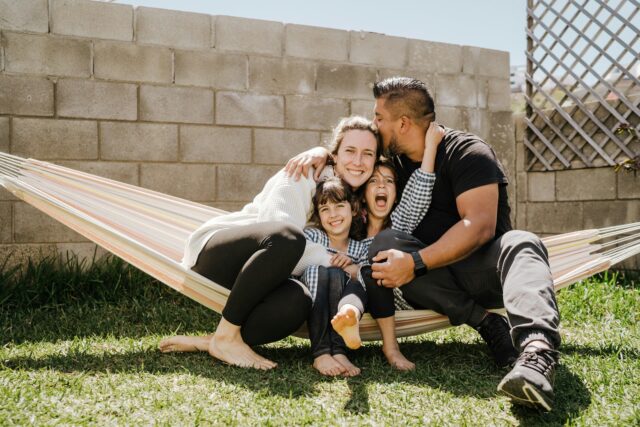
Plenty of non-parents will eventually experience this change firsthand, and when they do, they’ll suddenly get why certain things used to confuse them: why their parent friends vanished sometimes, or said no to plans, or looked so bone-deep tired for years.
When that day comes, most parents won’t say, “I told you so.” They’ll just show up with nappies, meals, or reassurance. Because no one really gets it until they’re in it, and once you are, you never forget the people who gave you grace when you needed it most.