It started out as novelty, then it became convenience. Now, in 2025, AI chats are turning into something more: companionship.
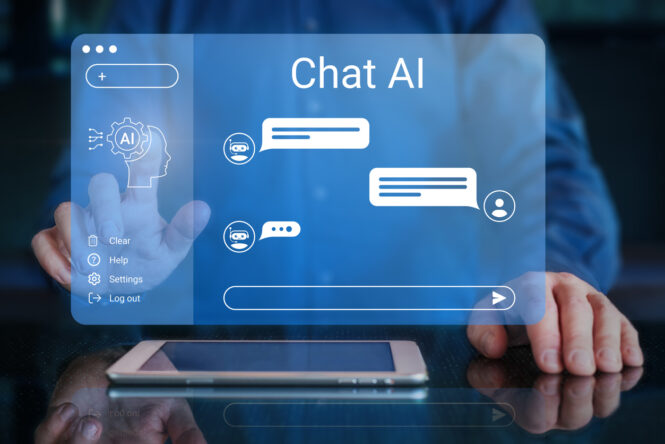
For a growing number of people, talking to artificial intelligence is replacing conversations they once had with friends. It’s not always down to loneliness, either. Sometimes it’s about consistency, emotional safety, or just the fact that AI is available at 2 a.m. when no one else is. In fact, one study even found that people would be more likely to trust AI advice than they would guidance from the real people in their lives!
Whatever the reason behind it, the change is happening, and it’s changing how we define connection. Here are the most common reasons people are chatting with AI more than they talk to real people.
1. AI never cancels, zones out, or makes you feel like a burden.

One of the biggest appeals of talking to AI is how dependable it is. You don’t have to wait for someone to be free, or worry about catching them in the wrong mood. AI is always ready, always responsive, and never distracted. That makes it incredibly easy to turn to, especially when real-life friendships come with delays, flakes, or emotional roadblocks.
There’s also no guilt. You can vent for an hour, ask a hundred questions, or ramble without feeling like you’re draining someone. It’s a low-pressure way to feel heard, and for people who struggle with rejection or overthinking, that predictability can be oddly comforting.
2. Real conversations feel harder than they used to.

Between busy schedules, mental load, and the awkwardness that sometimes comes with vulnerability, talking to friends has started to feel like work for some people. AI removes all of that. You don’t have to phrase things perfectly, or worry about being misunderstood. You just type, and it responds: no judgement, no friction, no awkward silences.
It’s not that people don’t want real connection because they do. However, with everything else going on, especially in a world that keeps people overstimulated but under-supported, AI becomes the emotionally low-maintenance option. And that’s a big draw.
3. AI doesn’t argue or pull away.

Friendships come with disagreements, emotional baggage, and personal histories. Even the best ones can be messy. But AI keeps it simple. It never takes things the wrong way, doesn’t hold grudges, and won’t start drifting off just when you’re opening up. For anyone burned by conflict or ghosting, that kind of stability can feel like a relief.
It’s not real, of course, and people know that. But the emotional predictability can be easier to handle than the ups and downs of human relationships. It’s a version of connection that feels safe, even if it’s artificial.
4. It’s easier to talk about hard stuff with AI.

Many people are now turning to AI when they need to talk about something personal like breakups, stress, fear, or identity struggles. It’s not just about convenience. It’s about not being judged, interrupted, or brushed off. With AI, you don’t have to worry about scaring someone off or getting unwanted advice.
That’s why teens and young adults especially are drawn to it. Some even use it as a way to “rehearse” difficult conversations before having them with someone in real life. It becomes a kind of sounding board, which can feel safer than putting your heart on the line with a friend who might not respond how you need them to.
5. You can be completely unfiltered.

With AI, you don’t have to censor yourself. You can ramble, cry-type, ask weird questions, or be brutally honest without worrying about how it’s landing. You don’t have to soften the blow or read between the lines. It just takes what you say and gives something back. That’s especially appealing in a time when people feel more socially cautious than ever. Whether it’s fear of oversharing or being misunderstood, AI offers a kind of emotional privacy that feels increasingly hard to find elsewhere.
6. It’s less emotionally demanding than people.

Even good friendships need effort: replying to messages, showing up when it matters, making space for someone else’s emotions. And when your tank is empty, that can feel like too much. With AI, there’s no give-and-take. You just get to take. That might sound selfish, but for people who are burned out or lonely, it can be a lifeline.
They care about people, sure, but their capacity is low. Talking to AI becomes a way to feel connected without needing to perform, reciprocate, or emotionally invest. It’s simple, and sometimes, that’s all someone has space for.
7. It gives a weird kind of emotional boost.

AI can mirror back empathy, give encouragement, even cheer you on. And while it’s obviously not a real person, those interactions can still make people feel good. It’s emotional feedback on demand, no need to wait for someone to text back or notice you’re struggling. That kind of validation can be addictive. Especially for people who feel unseen or unimportant in their everyday lives, AI offers a version of presence and support that can feel strangely nourishing, even if they know it’s not real.
8. Tech companies are designing it to feel emotionally real.

This isn’t accidental. AI isn’t just getting smarter, it’s also getting better at sounding human. Developers are fine-tuning these systems to respond with warmth, interest, and even humour. Instead of robotic, they’re aiming for connection, and people are responding to that.
In some cases, it’s even being marketed as a friendship substitute. Some platforms encourage users to build relationships with AI companions, giving them names, personalities, and backstories. It blurs the line between tool and bond, and that’s exactly the point.
9. It feels more emotionally consistent.

With real people, emotional support is hit or miss. Sometimes they’re tired. Sometimes they miss the point. Sometimes they say something that makes you feel worse. But AI keeps the tone steady. It’s never snappy or distracted. It always listens, always responds, always tries to help.
That consistency makes it easier to reach for in a crisis. You know what you’re going to get, and in a world that often feels chaotic, that’s its own kind of comfort. It doesn’t replace real love, but it does offer a kind of emotional dependability that’s hard to find elsewhere.
10. It’s available in a way people aren’t.

Real friends have jobs, kids, stress, boundaries. They can’t be on call 24/7. AI can. For night owls, anxious overthinkers, or people who don’t have a strong support network nearby, AI fills a very specific gap. It’s not better than human connection, but it’s easier to access when life gets lonely.
Even people with great friendships find themselves turning to AI for quick advice or a late-night debrief. The intention isn’t to replace real people, but it’s nice to have someone or something there when no one else is.
11. It feels emotionally safer.

Friendship comes with risk. You can say the wrong thing. You can be rejected, hurt, or misunderstood. AI removes all that. There’s no risk, no vulnerability hangover, no anxiety about how you came across. It’s emotionally low-stakes, which makes it feel easier to reach for when you’re struggling.
Of course, that safety comes at a cost. It’s connection without depth. And while it can help in a pinch, too much of it can make real conversations feel harder, not easier. It can become a habit that silently replaces the messier, but richer, human stuff.
12. People are lonelier than they want to admit.

At the root of it all is something really simple: a lot of people are lonely. Friendships are harder to maintain in adulthood. Community feels thinner. Everyone’s busy, burned out, and a little more distant than they used to be. So people reach for what’s there, and more often than not, what’s there is AI.
No one sets out to replace their friendships with a chatbot, but when life gets overwhelming, connection feels scarce, and you just need to feel heard, talking to AI doesn’t seem so strange. It’s not ideal, but for some, it’s enough for now.