Renting in the UK comes with far more rules than most people realise, and plenty of tenants break them without meaning to.

You move in, start making the place feel like home and assume a few small tweaks won’t cause any trouble. Then you find out your tenancy agreement is stricter than you thought, and some of the things you’ve already done could technically land you in hot water with your landlord.
Knowing the limits makes life a lot easier. It saves you from surprise charges, deposit disputes and awkward conversations you’d rather avoid. Once you understand what you can and can’t do, you can enjoy the space without worrying you’re stepping outside the rules. Here are the things tenants are often surprised to learn are no-gos.
1. Make major alterations to the property

You can hang pictures or move furniture, but knocking through walls, replacing flooring, or installing new fixtures without permission is a clear breach of most tenancy agreements. These changes could count as damage or unauthorised renovation. If you’d like to improve something, always ask in writing first. Some landlords might agree to upgrades if they add value, but others will expect the property returned to its original state when you leave.
2. Paint or decorate without approval

Even a quick paint job can get you into trouble. Landlords often have specific colour schemes or use paint that’s easy to match for future tenants. Changing it might mean you have to repaint it back before moving out. If you want to decorate, get written permission first. A friendly landlord may allow neutral tones, removable wallpaper, or small personal touches, but always check before you pick up a brush.
3. Sublet or list your place online

Many tenancy agreements specifically forbid subletting or hosting through platforms like Airbnb. Doing so can breach your contract and even void your tenancy completely. If you need to leave temporarily, talk to your landlord about a formal sublet or assignment of tenancy. It’s much safer than risking eviction or legal disputes later.
4. Keep pets without permission

While the law has started to shift towards making it easier for renters to have pets, most landlords still require approval. Many fear damage or allergies for future tenants. If you want a pet, check your tenancy terms first and offer to pay for professional cleaning when you move out. Responsible pet ownership can sometimes win landlords over.
5. Smoke indoors

Smoking inside is banned in most rental contracts, and for good reason. The smell lingers, paint discolours, and carpets absorb smoke residue that’s hard to remove. If you do smoke, do it outside and away from open doors or windows. Indoor smoking can lead to deductions from your deposit for cleaning or repainting.
6. Block ventilation or cover fire alarms

It might seem harmless to tape over an alarm that beeps or block a vent to stop draughts, but it’s considered tampering with safety features. That can breach both your tenancy agreement and fire safety laws. If alarms or vents are causing issues, report them. The landlord is responsible for making sure they work properly and safely.
7. Refuse entry for essential checks
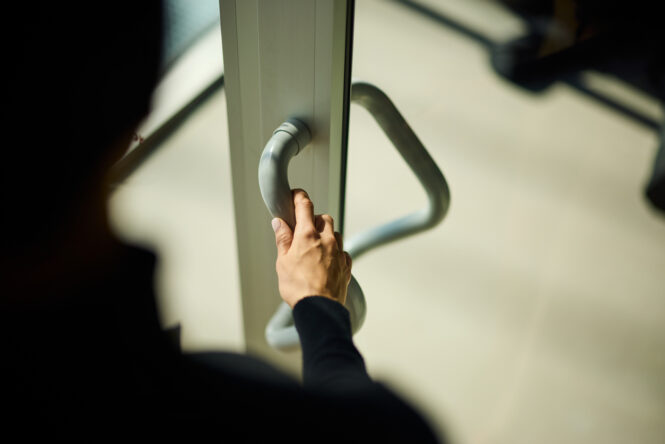
Landlords must give 24 hours’ notice before entering, but you can’t refuse access for legal inspections or repairs. This includes gas safety checks, electrical inspections, and fire alarm maintenance. These visits are for your safety and usually quick. Ignoring them can create liability issues if something goes wrong later on.
8. Ignore garden or outdoor maintenance
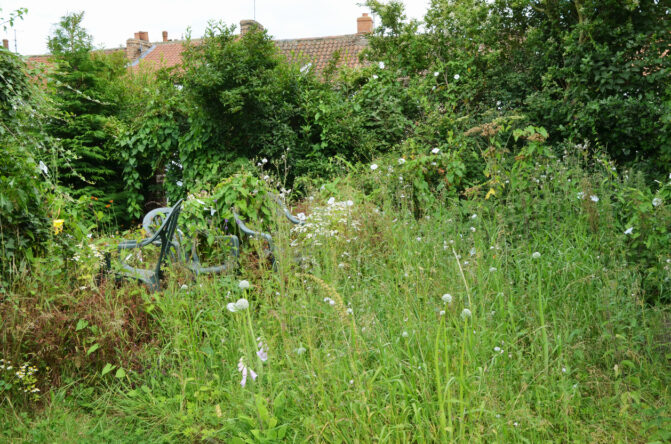
If your property includes a garden or yard, you’re usually responsible for keeping it tidy. Letting grass grow wild or leaving rubbish piles could breach your tenancy agreement. Routine tasks like mowing or weeding help avoid disputes when your tenancy ends. Serious landscaping, though, should only be done with permission.
9. Install fixtures or shelves without consent

Putting up heavy shelving, curtain poles, or TV mounts can leave damage behind. Unless your landlord agrees, they can charge for repairs when you move out. Removable hooks or stands are a safer option. If you really need something installed, ask if the landlord’s handyman can do it properly to avoid later costs.
10. Run a business from home without approval

Turning a rented home into a business space, like a salon, workshop, or online warehouse, usually breaches tenancy rules. It can also affect insurance and council tax classifications. If your work simply involves using a laptop or phone from home, that’s fine. However, if clients visit or goods are stored, you’ll need written permission to stay within legal boundaries.
11. Replace locks or keys without informing the landlord

Changing locks for privacy might seem harmless, but landlords have a legal right to access the property for emergencies. If you do it without telling them, it could be seen as a serious breach. If security is a concern, discuss it first. Landlords will usually agree to a lock change as long as they receive a spare key.
12. Let the property fall into disrepair

You’re not responsible for structural issues, but you are expected to keep the place clean and report problems early. Ignoring leaks, mould, or pest infestations can cause bigger damage that you may be charged for later. Landlords are legally required to maintain the property, but they can’t fix what they don’t know about. Reporting problems quickly protects both you and your deposit.
13. Have too many people living there

Every tenancy has a maximum occupancy limit. Taking in extra people without approval can violate housing laws and invalidate your tenancy insurance. Even temporary guests can cause issues if they stay long-term. Always check what your contract allows to avoid fines or eviction notices.
14. Ignore noise and neighbour complaints

Renters can be evicted for repeated noise complaints. Playing loud music late at night or hosting large gatherings often breaches “nuisance” clauses in contracts. It’s fine to socialise, but be respectful of shared walls and quiet hours. A calm approach keeps neighbours happy and avoids trouble with your landlord.