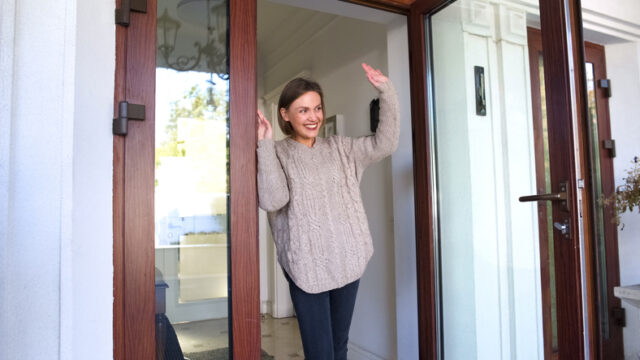
No one really prepares you for the weird emotional cocktail that hits when your kids leave home. You spend years raising them, juggling chaos, and fantasising about having the house to yourself—and then suddenly, it’s quiet. A bit too quiet, actually. Whether they’ve left for uni, their first flat, or just to start their own thing, you’re bound to feel a mix of pride, panic, and a touch of identity crisis. Here’s what tends to show up when the nest starts feeling a bit… emptier than expected.
1. You’ll suddenly have way too much food in the fridge.
You’re still cooking like they’re going to walk through the door any second. Only now, there’s no one there to demolish the leftovers. You’ll start wondering who’s going to eat all that pasta, and then realise it’s just you. Again. It takes a while to adjust your food shop, and even longer to stop reflexively buying their favourite snacks. You might still catch yourself calling out, “Dinner’s ready!” before remembering it’s just you and the dog tonight.
2. Their empty room will stare at you.
At first, it’s a bit of a gut punch. You walk past their room and everything’s still in place, but they’re not. The silence is loud. It’s like the house is trying to get your attention, but you’re not sure what it’s saying. Eventually, the room starts to change. Maybe you turn it into a guest room, or a hobby space, or you leave it exactly how it was for a while. Either way, it becomes a little monument to everything that’s changed, and everything you did right to help them grow up.

3. You’ll have weird pockets of free time.
All of a sudden, you’re not ferrying them around or helping with late-night coursework or dealing with the constant background hum of teenage life. That space in your day? It’s disorienting at first, but also kind of freeing. It’s like rediscovering your own life after years of background noise. At first you might feel a bit lost, but soon enough, you’ll start filling that time with things you forgot you enjoyed, or finally trying things you never had the energy for.
4. You’ll randomly burst into tears for no reason.
It could be a song, a smell, or just spotting their old trainers by the back door. The emotions hit at weird times, like grief mixed with pride, nostalgia, and a sprinkle of hormonal confusion. This is completely normal. You’re not losing it; you’re just processing a massive change. You’re allowed to miss them and celebrate their independence at the same time. And yes, crying at cereal adverts is absolutely part of the deal.
5. You’ll feel proud in a way that catches you off guard.
One day, you’ll hear something they said, or see how they’ve handled something grown-up, and it’ll hit you: you helped raise this capable, decent human being. That sense of pride isn’t loud, but it’s deeply satisfying. It’s also weird to realise they don’t need you in the same way anymore. But then they’ll ring you about laundry or taxes or how to unclog a sink, and you’ll get a little glimpse of how the relationship is evolving—not gone, just different.

6. You’ll question who you are now.
When you’ve been in full-time parent mode for decades, it’s easy to forget who you were before all of it. Once the daily tasks drop away, you’re left with space, and that can feel a bit like standing in front of a mirror thinking, “So… now what?” This isn’t a crisis, it’s a reset. It’s your chance to reconnect with the parts of yourself that got sidelined. You might even find out you’ve changed more than you realised, and that you like who you’ve become.
7. You’ll get random bursts of guilt.
Even if you know you did your best, it’s easy to start second-guessing things. Should you have taught them more life skills? Should you have had more family dinners? Why didn’t you go on that one holiday? This is just your brain doing a weird post-project debrief. Most of the time, it’s not even about what you did. It’s about missing them and not knowing what to do with all that feeling. Give yourself grace. You raised someone who could leave—and that’s kind of the whole point.
8. The house will feel too clean (and too quiet).
No more cups left in odd places, no wet towels on the floor, no blaring music from two rooms at once. At first, it feels like bliss. And then, oddly… a little dull. You start missing the mess you used to complain about. It’s a definite change. That noise and chaos were signs of life—signs that your home was full. Now it’s a different kind of full. You’ll adjust to the new rhythm, but it’s okay to admit the silence feels a bit hollow at first.
9. You’ll wonder if you were too hard, or too soft.
Parenting doesn’t come with a scoreboard, so once they’re gone, you might start wondering about the balance you struck. Did you push them too much? Not enough? Did you give them the tools they need? The truth is, if they’re out there figuring life out, even if they’re making mistakes, you’ve done your job. Self-doubt shows you cared. But give yourself credit too: they wouldn’t be this independent if you hadn’t laid the groundwork.
10. You’ll notice things you’d ignored for years.
The wallpaper needs updating. That drawer’s been broken forever. The garden could use a bit of love. With fewer daily distractions, your attention starts landing on the little things you’ve been too busy to see. This can be weirdly refreshing. Instead of everything revolving around your kids’ routines, your home becomes a place you’re allowed to change, decorate, and enjoy for yourself. The space is yours again, and you get to decide what to do with it.

11. Your routines will change in small but meaningful ways.
No more school runs or making packed lunches in a rush. Your mornings and evenings open up in ways that feel strange at first, but eventually start to feel like freedom. It’s like getting reacquainted with your own pace. You might start having longer breakfasts, earlier nights, or random late-night TV binges just because you can. The structure changes, but that doesn’t have to be a bad thing. It’s just a new season.
12. You’ll have more emotional space than you expected.
Once the initial sadness softens, you might be surprised by how much headspace you have. You’re not constantly checking in on homework, friendships, or who borrowed your charger. That mental load eases up, and it feels strange, but also kind of… lighter. It opens the door for your own stuff again. Maybe you pick up a hobby, revisit an old dream, or just enjoy the luxury of doing nothing for a bit. That calm headspace is where something new starts growing.
13. You’ll become their safe place, not their supervisor.
The dynamic changes. You’re no longer the schedule-enforcer or curfew-setter. Now, you get to be the person they call when things go wrong, or when something great happens, and they want to share it first with you. This stage is less hectic, but more meaningful in its own way. You’re not in charge anymore, but you are still needed. The trust they show by coming to you as adults is its own kind of parenting win.
14. You’ll find new joy in the freedom.
Yes, you’ll miss them. A lot. But you’ll also start enjoying parts of your life that had been on pause for years. You can plan trips, have long phone chats without interruptions, eat what you want, or just be gloriously selfish now and then. This chapter isn’t the end of anything;it’s just a change. And while there will be hard days, there’ll also be really, really good ones. The kind where you realise you raised someone strong and kind, and you finally get to meet yourself again, too.