Lowering the voting age to 16 in the UK isn’t just a headline to scroll past, it’s a major change that reflects how society is changing.
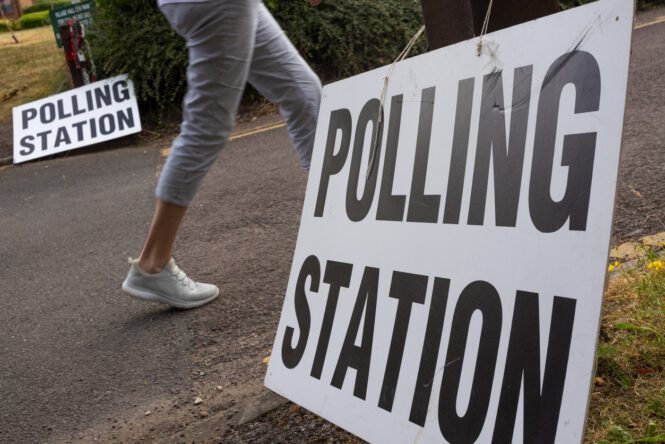
More young people are working, paying tax, and living through political decisions just like everyone else, so the idea that they shouldn’t have a say in shaping those decisions has started to feel a bit outdated. Here’s why the change is not only fair, but a long-overdue step toward a more inclusive democracy.
They’re already part of the system.

At 16, people can start working full-time, pay National Insurance, and even join the armed forces. So if you’re contributing to the country financially and socially, it makes sense to have a say in where that money goes or how services are run. It’s hard to argue that someone’s too young to vote when they’re old enough to be taxed or trained for military service.
This move recognises that civic responsibility doesn’t suddenly switch on at 18. It starts earlier for a lot of young people, and if they’re trusted to handle those responsibilities, they should be trusted with the ballot box too.
It brings England in line with Scotland and Wales.
Scotland and Wales already let 16- and 17-year-olds vote in local and devolved elections, and they’ve been doing it for years without chaos. So this isn’t some wild experiment. It’s just catching up with what’s already working elsewhere in the UK. It also avoids the strange situation where your rights depend entirely on where you live. A teenager in Cardiff can vote for their future, but a teenager in Carlisle couldn’t. That inconsistency never made much sense, and this new law clears that up.
It builds voting habits early.

There’s plenty of research showing that if someone votes in their first eligible election, they’re more likely to keep voting throughout life. It becomes a habit, and habits formed early tend to stick. By giving people a chance to start engaging politically at 16 or 17, we’re increasing the odds that they’ll stay involved for decades to come. It’s not just about one election; it’s about building a culture of participation.
It improves trust in the system.

Countries that lowered the voting age, like Austria, often see a boost in political trust and satisfaction. When young people feel included, they’re more likely to believe that their voice matters and that the system is worth investing in. In a time when public confidence in politics is shaky at best, small changes like this can help close that gap. It tells young people they’re not just being talked about—they’re being listened to.
Young people care about real issues.
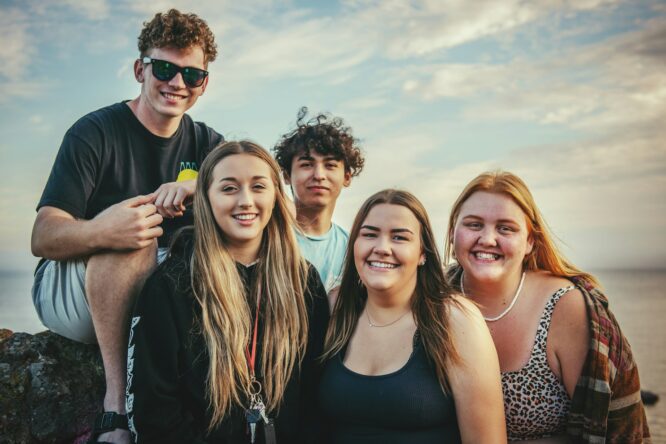
From climate change and tuition fees to housing and mental health, younger voters are already fired up about the decisions being made in Parliament. Many of them are better informed than adults give them credit for. They’ve grown up with more access to information than any generation before them, and most know exactly what kind of future they want. This move simply gives them the opportunity to help shape it.
Automatic registration makes things easier.

Part of the problem in getting young people to vote has always been the hassle of getting registered. The new plan includes automatic registration for 16- and 17-year-olds, removing that friction entirely. That one change could make a massive difference to turnout. When registration is the default instead of a chore, more people, especially younger ones, are likely to show up on election day.
ID rules are becoming more fair.

Expanding acceptable forms of voter ID like student cards or railcards will make it easier for young people to actually use their vote. In the past, the strict ID rules have made it tougher for younger and marginalised groups to participate. This change helps level the playing field. No one should be turned away from the polling station just because their ID doesn’t fit into a narrow list that suits older voters more than younger ones.
It aligns rights and responsibilities.

Sixteen-year-olds can already do a lot—get married with consent, leave school, start work, and make key life choices. Voting just brings those rights in line with the responsibilities they already carry. It’s about treating young people as full citizens. If society trusts them to make adult decisions in other areas, it’s only consistent to let them take part in democratic decisions too.
It makes politics more representative.
Young voters bring different experiences and priorities to the table like education funding, climate policy, or access to mental health support. Including their voices means parties have to think beyond the usual middle-aged talking points. That could lead to a healthier political mix, where a broader range of views actually get considered. It nudges politics closer to being something everyone can relate to, not just older voters with the loudest voices.
It puts pressure on parties to listen.

If younger people are voting in bigger numbers, politicians can’t afford to ignore them. That means more attention paid to youth-focused issues, and maybe even more young candidates getting elected in the future. This could also help break the habit of political messaging being shaped entirely around the concerns of swing voters in their 40s and 50s. It encourages a more forward-looking, inclusive conversation.
The maturity argument doesn’t hold up.

People often assume 16-year-olds aren’t mature enough to vote, but studies don’t really back that up. In fact, 16- and 17-year-olds who’ve had civic education tend to take voting seriously, and sometimes even more so than 18- or 19-year-olds. Immaturity isn’t limited to any one age group. Plenty of older voters admit to picking whoever their parents did or skipping entire manifestos. The idea that young people can’t make thoughtful decisions doesn’t reflect reality.
It’s part of broader election reform.

This isn’t a one-off change; it’s part of a wider effort to modernise how elections work. From more accessible registration to better support for digital participation, there’s a push to bring the whole system up to date. Lowering the voting age fits neatly into that. It reflects a recognition that democracy has to evolve with society, not just cling to what worked in decades past.
They’re not as predictable as people think.
There’s a myth that young voters all lean left or that they’re easy to predict. In reality, 16- and 17-year-olds vote across the spectrum, from Greens and Labour to Reform and independents. They’re not a guaranteed win for any party. That means politicians will actually have to do the work to earn their vote. And that’s exactly how it should be—no party should take anyone’s support for granted, no matter their age.