There’s something almost jarring about walking through the towns we grew up in and realising they don’t quite look or feel the same anymore.
Some of it is natural change, but much of it feels like slow decline. What was once familiar and dependable now feels more unstable, less connected, and harder to navigate. If you’ve caught yourself wondering when Britain stopped feeling like Britain, you’re far from alone. Here are some brutally honest reasons the UK is nearly unrecognisable to so many of us.
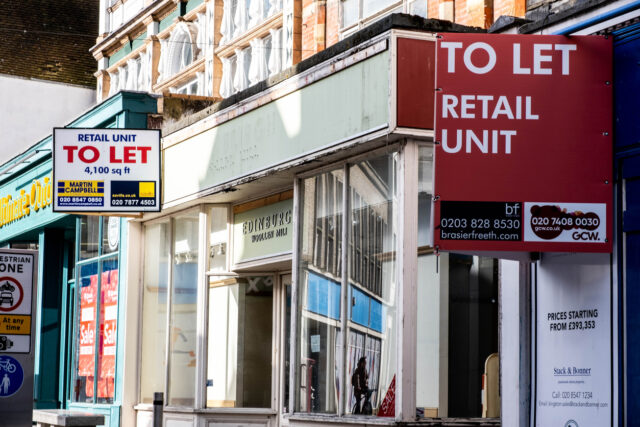
1. High streets full of vape shops, betting shops, and boarded-up storefronts
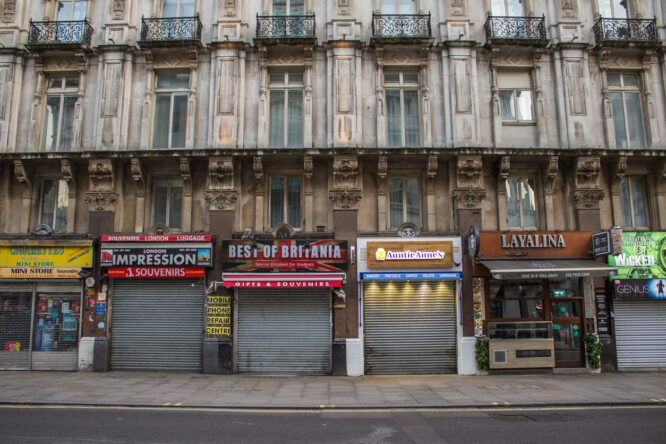
The British high street used to be where you’d run into neighbours, browse independent shops, and grab a sausage roll that wasn’t part of a chain. Now, it’s vape stores, charity shops, and “To Let” signs. That sense of variety and life has been quietly replaced by repetition and decline.
Sure, we’re all a bit nostalgic sometimes, but it’s more than that. These changes point to something deeper—how many small businesses have been priced out, how online shopping has overtaken in-person connection, and how economic strain has reshaped our everyday spaces.
2. Entire generations priced out of homeownership, even with full-time jobs

Once upon a time, getting a decent job meant you could aim for a mortgage and a small home within a few years. Now, entire generations are stuck in endless renting cycles, despite working hard and saving what they can. Homeownership feels like a fading dream to many under 40. Younger people aren’t lazy. We just live in an economy that simply doesn’t reward effort the way it used to. That alone changes the way people plan, settle, or even imagine their future in the UK.
3. The NHS stretched so thin, people avoid going unless it’s truly dire

The NHS used to be a source of pride—something Brits could count on, no matter their background. But today, it’s often understaffed, overbooked, and deeply overwhelmed. Routine appointments now take months, and A&E feels like a last resort. People are just learning to live with pain, put off care, or turn to private options they can barely afford. That change, which is major, speaks to a country whose safety net is fraying under pressure.
4. More people self-diagnosing online than trusting actual GPs

Thanks to long wait times and rushed appointments, more people now turn to Google, TikTok, and forums to make sense of their symptoms. It’s become easier to scroll for answers than to navigate the health system meant to support you. While online communities offer solidarity, they’ve also blurred the line between information and misinformation. It reflects a deeper issue that when trust in systems goes down, DIY coping mechanisms rise up in its place.
5. A rise in “pay-as-you-go” everything, from dental care to heating

The UK is no stranger to budgeting, but the rise of prepayment meters, subscription-based heating services, and pay-as-you-go dental clinics marks a real change. People are now being charged just to keep the basics running. It’s not just inconvenient, it’s degrading. Essential services have been turned into luxury options, and daily life now comes with hidden fees and hurdles that never used to be there. That takes its toll, mentally and financially.
6. University degrees now coming with lifelong debt and no job security

For years, young people were told that a degree was the safest path to stability. Now, they’re walking into adulthood with £50k in debt and job markets that barely recognise their qualifications. The result is a deep sense of disillusionment. Education used to open doors. Now it feels like a very expensive gamble. That’s not progress. It’s a warning sign that something has seriously broken down.
7. Pubs closing faster than they can be replaced, especially in rural towns

Once the unofficial town hall of Britain, pubs are vanishing. Rising costs, declining footfall, and chain competition have made it impossible for many to survive, especially outside cities. These weren’t just places to drink. They were social hubs, places where communities gathered, laughed, argued, and mourned. When they disappear, so does part of the social glue that once held towns together.
8. Working-class communities being pushed out of their own postcodes

Gentrification has transformed once-affordable neighbourhoods into glossy investment zones. Long-time residents are priced out by landlords, developers, and ever-increasing living costs. It’s not just about who lives there now. It’s about who can’t afford to. When people feel like strangers in the place they grew up in, that sense of loss goes deeper than bricks and mortar.
9. London feeling more like a brand than a place where average people can live
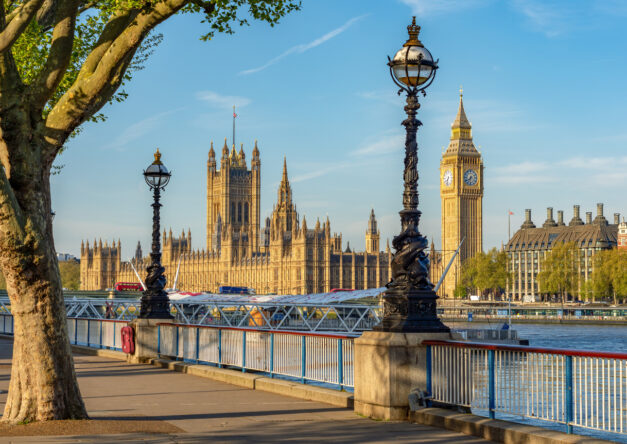
The capital used to be a place where people of all backgrounds built lives side by side. Now, it’s increasingly become a playground for the wealthy and a showroom for global investors. Living there on a modest wage feels impossible. And for many, visiting London feels less like coming home and more like being priced out of your own capital city. It’s hard to feel proud of a place that no longer makes space for you.
10. School children more familiar with American slang than regional British dialects

From TikTok to YouTube, young people are being raised on American content more than ever before. “Sidewalk,” “closet,” and “math” are creeping into everyday speech, and local dialects are fading fast. This isn’t just linguistic. It’s cultural. British kids are absorbing an entirely different worldview, shaped more by Los Angeles than Leeds. It’s changing how they see themselves, and how they connect to where they’re from.
11. Neighbourhoods that once felt like communities now full of Airbnbs and HMOs
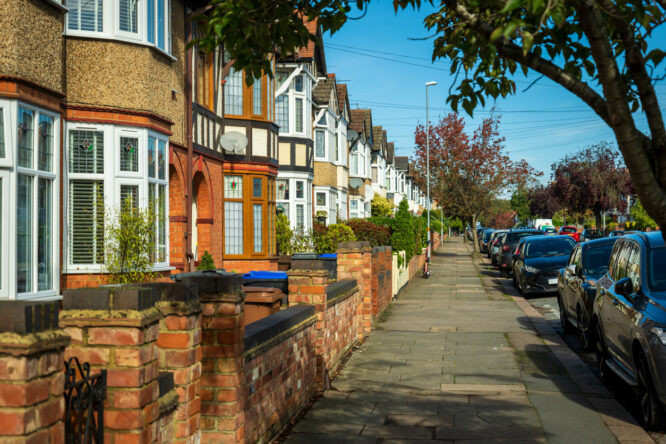
Short-term lets and houses of multiple occupants (HMOs) are transforming neighbourhoods into transitory spaces. The people next door might change weekly, and no one really knows who anyone is anymore. That lack of continuity weakens community ties. No one borrows sugar, chats over fences, or feels rooted when the street changes faces every few days. It eats away at the everyday familiarity we used to take for granted.
12. Every interaction starting with “sorry, we’re short-staffed today”
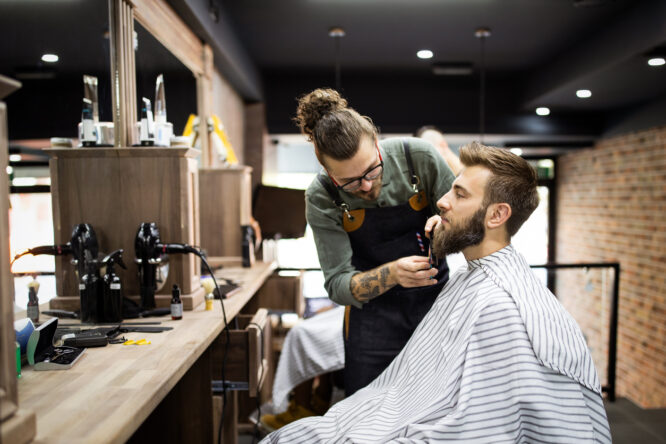
Whether it’s a café, a doctor’s surgery, or a supermarket, it feels like everything is running on skeleton crews. Staff are overworked, customers are frustrated, and standards keep slipping, not out of laziness, but burnout. The cost-of-living crisis, Brexit, and a stretched public sector have all played a part. However, what’s noticeable is how we’ve quietly adjusted to lower expectations across the board, and how exhausted everyone seems.
13. Young people romanticising the past, not because it was perfect, but because it wasn’t so exhausting
There’s been a rise in nostalgia for simpler times—think ’90s rave culture, early 2000s weekends without social media, or even landlines and corner shops. It’s not that people want to go back. It’s that they miss having space to breathe. Modern Britain feels relentless. Always online, always working, always coping. Looking back isn’t always about rose-tinted memories. Sometimes it’s just longing for a pace that didn’t feel so permanently overwhelming.
14. Public transport now feeling like a gamble instead of a service

Delayed trains, cancelled buses, strike uncertainty, and skyrocketing fares have made public transport less of a convenience and more of a stress test. People are showing up late, rearranging their lives, or just giving up altogether. Transport used to be a public right, but now it feels like a fragile luxury. For those without a car or other options, it’s making daily life increasingly unpredictable and unfair.
15. Supermarkets replacing humans with self-checkouts and security guards

Self-checkout aisles now outnumber staffed ones. “Unexpected item in the bagging area” has replaced small talk. And in many places, there’s more visible security than there are actual employees. Shopping used to be a social, even friendly task. Now, it often feels clinical, impersonal, and oddly tense. It’s a small change that reflects a much larger pattern of human connection being quietly phased out in favour of speed and surveillance.
16. Politics becoming a rotating circus of blame, with no actual fixes

Many people feel like they’ve watched government after government come and go, without seeing their daily struggles change. There’s a growing disconnect between Westminster and the rest of the country, and it shows. What used to be political debate now feels like constant noise. Scandal, blame, backpedalling, while the core issues like housing, pay, and the NHS remain stuck. It’s hard to feel hopeful when no one seems to be driving the ship.
17. Social mobility stalling—where you’re born is now more defining than ever

The idea that anyone could improve their circumstances through hard work is starting to feel like an outdated fairy tale. Your postcode, family income, and connections now seem to matter more than ever before. That change has reshaped the national mood. When young people stop believing they can “make it” no matter where they come from, ambition gives way to quiet frustration. That’s not just economic decline; it’s a cultural loss.
18. Mental health issues normalised, but rarely supported in any meaningful way
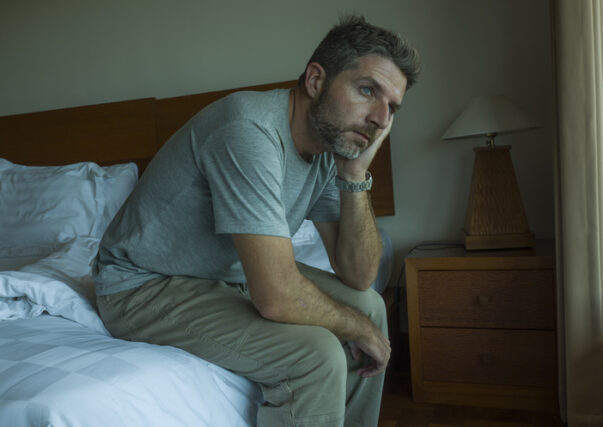
We’ve come a long way in talking about mental health, but we haven’t matched that progress with action. Waiting lists are long, support is patchy, and most people are still left to manage on their own. It’s now common to hear people openly talk about anxiety, burnout, or depression—yet feel completely alone when it actually comes to getting help. Awareness without access just ends up feeling hollow.
19. A growing feeling that “British identity” means something different to everyone

In a world of culture wars, divided politics, and rapid change, the idea of what it means to be “British” has become fuzzier than ever. Some cling to tradition, others push for redefinition, and many just feel stuck in the middle. That uncertainty seeps into everything, from football chants to school curriculums. When a shared identity breaks down, so does the sense of national cohesion. That makes daily life feel that little bit more disconnected.
20. Even the weather doesn’t feel British anymore with 30 °C heatwaves and flash floods
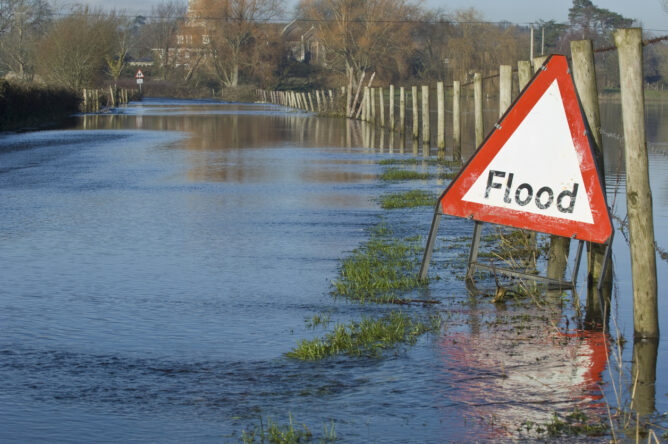
It sounds minor, but it’s not. The UK used to be known for drizzle, not drought. Now, heatwaves are common, flooding feels frequent, and water shortages aren’t a joke. The climate crisis is showing up right on our doorsteps. That change adds to the bigger feeling that we’re in unfamiliar territory. When even the seasons stop behaving how they used to, the feeling that Britain has changed beyond recognition becomes impossible to ignore.