Strangely enough, animals tend to be pretty good judges of character when it comes to humans, and dogs may be the best at it of all.
Our canine friends have this uncanny ability to sniff out good people from sketchy ones within seconds of meeting them, and science is finally catching up to what dog owners have always known about their pets’ supernatural people-reading skills. Here’s why they’re so good at figuring out who’s worth warming up to and who they should avoid.
1. They can literally smell your emotions.

Dogs have around 300 million scent receptors compared to our measly 6 million, which means they can detect the chemical changes that happen in your body when you’re feeling different emotions. When you’re genuinely kind and calm, your body produces different hormones and pheromones than when you’re stressed, angry, or faking niceness.
Your dog is basically getting a detailed chemical report about your emotional state every time you’re near them, picking up on cortisol levels, adrenaline, and other stress hormones that spike when people are being deceptive or aggressive. They can smell fear, anxiety, and hostility before these emotions even register on your face, which is why they seem to know things about people that humans miss entirely.
2. They read micro-expressions faster than you blink.
Dogs are incredibly skilled at reading facial expressions and can pick up on tiny changes in muscle tension around your eyes, mouth, and forehead that indicate your true feelings. They notice when someone’s smile doesn’t reach their eyes or when there’s tension in facial muscles that suggests someone is pretending to be nice.
These micro-expressions happen in fractions of a second and most humans miss them completely, but dogs have evolved to read body language as a survival skill. They can tell the difference between genuine happiness and forced politeness, which is why some dogs immediately warm up to certain people, while remaining suspicious of those who seem perfectly pleasant to you.
3. Their hearing picks up vocal stress patterns.
Dogs can hear frequencies and subtle changes in voice tone that are completely invisible to human ears, so they pick up on stress, deception, and genuine emotion in people’s voices even when they’re trying to hide it. A person might sound normal to you, but your dog hears the slight tension, pitch changes, or vocal tremors that indicate dishonesty or hostility.
When someone talks to dogs in a genuinely warm, relaxed voice, dogs can hear the authenticity in those vocal patterns. But when someone is putting on a fake-sweet voice or speaking with hidden irritation, dogs pick up on those incongruities immediately and respond accordingly by either approaching or backing away.
4. They notice how people treat everyone around them when they think no one’s watching.
Dogs are constantly observing human interactions, and they pay attention to how people behave toward other people, especially when those people think they’re unobserved. If someone is rude to a server, dismissive of children, or impatient with other people, dogs notice and file that information away.
This observational learning helps dogs build a profile of each person’s character based on consistent patterns of behaviour, rather than just how that person acts directly toward the dog. They’re like little social scientists gathering data on everyone’s true personality, which is why they might be wary of someone who seems perfectly nice to you but treats others poorly.
5. They can sense your energy and intentions.
While “energy” might sound woo-woo, dogs are incredibly sensitive to subtle changes in body language, posture, and movement patterns that reflect a person’s intentions and emotional state. Someone who approaches with genuine kindness moves differently than someone who’s faking it or harbouring negative feelings.
Kind people tend to have more relaxed, open body language and move in ways that signal safety and friendliness, while people with bad intentions often display subtle signs of tension, aggression, or deception in their posture and movements. Dogs read these physical cues like an open book and respond based on what that body language is telling them about the person’s true nature.
6. They remember how people have treated them and other people.
Dogs have excellent memories for social interactions, and they build long-term impressions of people based on accumulated experiences over time. If someone has been consistently kind, patient, and gentle, dogs remember that pattern and respond with trust and affection in future encounters.
Conversely, if someone has been harsh, impatient, or unpredictable, even just once, dogs file that information away and remain cautious around that person going forward. This social memory system helps dogs make quick decisions about who to trust based on historical evidence rather than just immediate impressions.
7. They pick up on how their owners react to different people.
Dogs are incredibly attuned to their owner’s emotional response, and they use that information to inform their own reactions to new people. If you tense up around someone, even slightly, your dog notices that change in your body language and energy and becomes more alert or suspicious of that person too.
This isn’t just mimicking your behaviour; dogs are using your emotional response as additional data to help them assess potential threats or friends. They trust your judgement about people and incorporate your reactions into their own decision-making process about who deserves their trust and affection.
8. They notice consistency between words and actions.
Dogs are excellent at spotting people whose actions don’t match their words, and they trust actions over verbal promises every single time. Someone might talk sweetly to a dog while simultaneously displaying body language that suggests impatience, fear, or aggression, and dogs always believe the body language over the words.
This ability to detect incongruence between verbal and non-verbal communication helps dogs identify people who might be manipulative or dishonest. Kind people tend to have alignment between what they say and how they act, while people with bad intentions often display contradictions that dogs pick up on immediately.
9. They can tell when someone genuinely likes animals.
There’s a noticeable difference in how genuine animal lovers interact with dogs compared to people who are just being polite or trying to impress someone. True animal lovers have a natural ease and comfort around dogs that comes from genuine affection and understanding of animal behaviour.
Dogs can sense this authentic appreciation through everything from how someone approaches them to the tone of voice they use when talking to them. People who genuinely love animals tend to give dogs appropriate space, use calming body language, and interact in ways that respect the dog’s comfort level, while people who are faking it often make mistakes that dogs immediately notice.
10. They respond to patience versus impatience.
Kind people tend to be naturally patient with animals, giving dogs time to warm up, sniff, and decide whether they want interaction, while impatient or self-centred people often try to force interactions or get frustrated when dogs don’t immediately respond the way they want. Dogs can sense this difference in approach and respond accordingly.
Patient people move slowly, speak softly, and let dogs set the pace of interaction, which signals safety and respect to the animal. Impatient people often make sudden movements, speak loudly, or try to grab or force affection, which triggers dogs’ defensive instincts and makes them wary of future interactions.
11. They detect protective versus predatory energy.
Dogs have an instinctive ability to distinguish between people who have protective, nurturing energy and those who might pose a threat, even when that threat isn’t directed at the dog specifically. This comes from thousands of years of evolution alongside humans, where dogs learned to identify which humans were safe pack members and which might be dangerous.
People with genuinely kind hearts tend to project an energy that feels safe and protective to dogs, while people with selfish or aggressive tendencies give off subtle signals that trigger dogs’ wariness. It has nothing to do with the person’s size or appearance; it’s about deeper personality traits that dogs can somehow sense and respond to instinctively.
12. They notice how people handle conflict and stress.
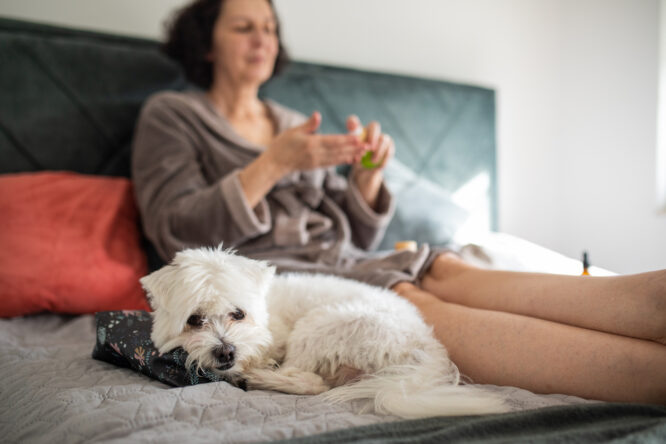
Dogs observe how different people react under pressure, during arguments, or when things don’t go their way, and they use this information to assess character. Kind people tend to remain relatively calm and controlled even when stressed, while people with poor character often become aggressive, blame everyone else, or lose their temper in ways that make dogs uncomfortable.
This stress-testing helps dogs identify which humans are likely to be safe and stable companions versus those who might become unpredictable or dangerous when circumstances get difficult. Dogs prefer people who can regulate their emotions and handle challenges without taking it out on anyone else, including the dog.
13. They trust their gut instincts about human character.
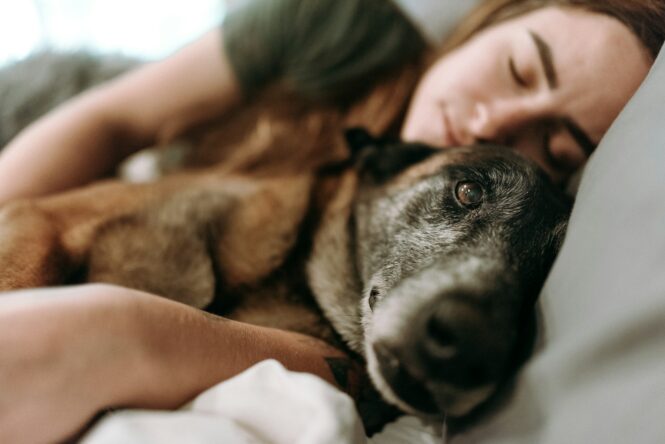
Dogs don’t second-guess their initial impressions of people the way humans do; if something feels off about a person, they trust that feeling and maintain their guard regardless of what logic might suggest. This instinctual response to human character has been honed by thousands of years of evolution and survival alongside humans.
While humans can talk themselves into trusting people who give them bad feelings, dogs stick with their gut reactions because those instincts have literally kept their species alive. When your dog consistently avoids or seems uncomfortable around someone who appears perfectly normal to you, it might be worth paying attention to what they’re picking up on that you’re missing.