The stories behind familiar foods are often stranger than fiction. What we eat today has been shaped by accidents, wars, marketing schemes, and bizarre cultural beliefs that reveal how random our culinary traditions actually are. While what’s tasty and what’s barely edible varies by culture, region, and personal preference, it’s fascinating to consider the background of these common foods.
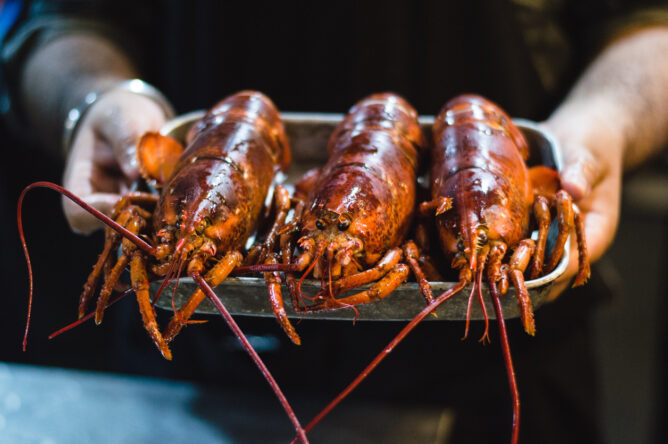
1. Lobster was once considered prisoner food.
Before becoming a luxury delicacy, lobster was so abundant and cheap that feeding it to prisoners more than three times a week was considered cruel and unusual punishment. These “sea bugs” were ground up shells and all, creating a mushy paste that bore little resemblance to today’s elegant preparation.
The transformation from garbage food to gourmet status happened during the mid-1800s, when clever marketing campaigns rebranded lobster as an exotic delicacy. Railway companies served it to wealthy passengers, and the association with luxury dining completely reversed its reputation within a few decades.
2. Coca-Cola originally contained actual cocaine.
When pharmacist John Pemberton created Coca-Cola in 1886, it was marketed as a medicinal tonic containing cocaine from coca leaves and caffeine from kola nuts. The drink was sold as a cure for headaches, nervous disorders, and morphine addiction.
The cocaine was removed in 1903 after public concern about the drug’s effects, but the company still uses coca leaves in production today. They’re processed by a specially licensed facility that removes all psychoactive compounds while maintaining the distinctive flavour.
3. Carrots weren’t orange until political propaganda made them so.
Wild carrots were originally purple, white, or yellow. Orange carrots were developed by Dutch farmers in the 17th century as a tribute to William of Orange during their fight for independence from Spain.
The orange variety became so popular that it completely replaced other colours in most markets. The idea that carrots improve night vision also comes from World War II British propaganda designed to hide their development of radar technology from enemy forces.
4. Margarine was once illegal and heavily taxed in the U.S.
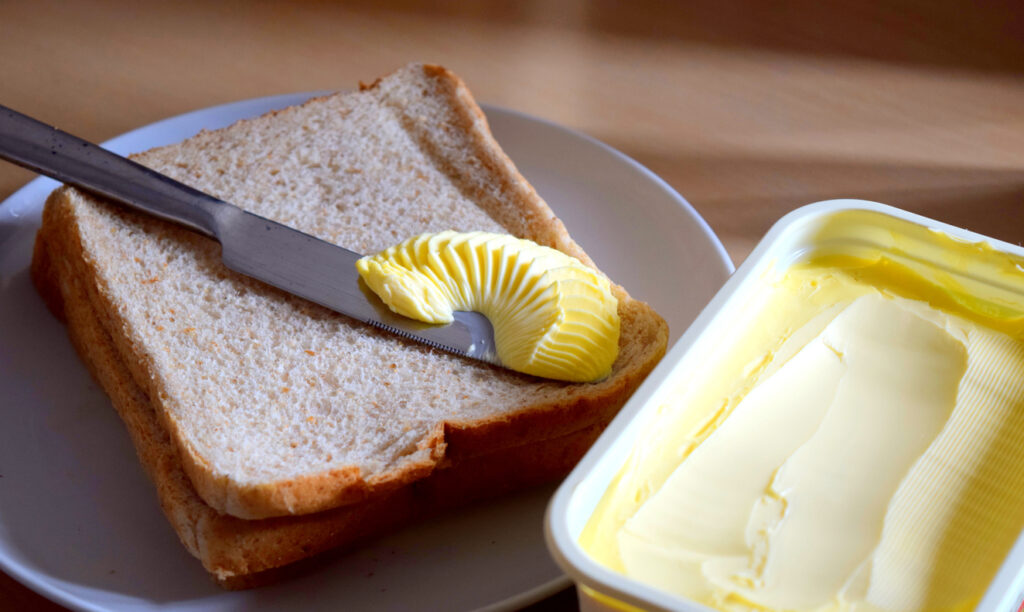
Created in 1869 as a cheap butter substitute, margarine faced fierce opposition from dairy farmers, who lobbied for laws requiring it to be dyed pink to make it obviously artificial. Some states banned margarine entirely, while others imposed heavy taxes.
The butter lobby was so powerful that margarine remained illegal in Wisconsin until 1967. Restaurants couldn’t serve it, and people had to travel to neighbouring states to buy the forbidden spread, creating a bizarre black market for fake butter.
5. Ketchup was sold as medicine for decades.
In the 1830s, Dr. John Cook Bennett claimed that tomatoes could cure various ailments and began selling concentrated tomato pills as medicine. This led to ketchup being marketed as a health tonic rather than a condiment.
The medicinal ketchup craze lasted until the 1850s when it was debunked as quackery. However, the association with tomatoes’ health benefits wasn’t entirely wrong—they do contain beneficial compounds, just not in the concentrated magical doses early marketers claimed.
6. Fortune cookies are completely American despite seeming Chinese.
Fortune cookies were invented in California by Japanese immigrants in the early 1900s, but became associated with Chinese restaurants through a historical accident. During World War II, Japanese Americans were sent to internment camps, and Chinese restaurants adopted the cookies.
The cookies are virtually unknown in China, where they’re considered a bizarre American invention. When Wonton Food attempted to introduce them to China in the 1990s, customers found them too sweet and complained about the strange paper inside.
7. Breakfast cereal was created to stop a very particular type of pleasure.
Dr John Harvey Kellogg invented corn flakes as part of his anti-masturbation crusade, believing that bland, unseasoned foods would reduce desire. His sanitarium promoted plain cereals alongside cold baths and yogurt enemas as cures for “self-abuse.”
His brother Will added sugar to make the cereal more palatable and founded the Kellogg Company, much to John’s horror. The medical establishment’s obsession with preventing masturbation through diet created an entire industry built on making breakfast boring.
8. Ice cream cones were invented by accident at a World’s Fair.

At the 1904 St. Louis World’s Fair, an ice cream vendor ran out of bowls, while the waffle stand next door had slow business. The waffle maker shaped his product into cones to help his neighbour serve ice cream, accidentally creating one of the most iconic food combinations.
Multiple vendors at the fair later claimed credit for the invention, leading to decades of legal disputes over who really created the ice cream cone. The accident became so popular that cone production became a major industry within just a few years.
9. Spam got its name from a Monty Python sketch (sort of).
The canned meat was originally called “Spiced Ham” but was renamed Spam in 1937. However, the term “spam” for unwanted email comes from a 1970 Monty Python sketch where the word is repeated obsessively, drowning out normal conversation.
The sketch perfectly captured how unwanted digital messages flood communication channels, making the connection between annoying repetition and the meat product stick in internet culture. Hormel Foods initially tried to stop this usage, but eventually embraced the association.
10. Chocolate was once currency more valuable than gold.
The Aztecs used cacao beans as money, with elaborate exchange rates for different goods. A turkey was worth 100 beans, while a tomato cost just one bean. Spanish conquistadors initially dismissed the beans as worthless until they discovered their monetary value.
Cacao beans remained legal currency in parts of Mexico until 1887, nearly 400 years after the Spanish conquest. The value was so stable that some remote areas continued using chocolate money well into the 20th century, making it one of the longest-lasting currencies in human history.