The UK often gets a bad rap for its food culture, but there’s actually loads the country’s doing brilliantly when it comes to what we eat here.
The idea that it’s all bland and stodgy is an outdated and inaccurate stereotype that completely ignores some of the incredibly vibrant flavours that have made their way into British culture thanks to influence from all around the world. Here are some of the things we get right, even if people who aren’t from here don’t want to admit it. They’re missing out, that’s for sure.
1. Fish and chips that actually work as comfort food

Fish and chips isn’t just the UK’s national dish because of tradition. It’s because the combination genuinely works. Crispy battered fish with thick-cut chips, salt, and vinegar creates this perfect balance of textures and flavours that’s hard to beat. There are still 10,500 fish and chip shops across the UK, which is eight times more than McDonald’s outlets.
The genius is in the simplicity and the fact that it was designed as affordable, filling food for working people. When you’re cold and hungry, fish and chips hits differently than fancy restaurant food, and that’s exactly what it was meant to do.
2. Sunday roast as the ultimate family meal
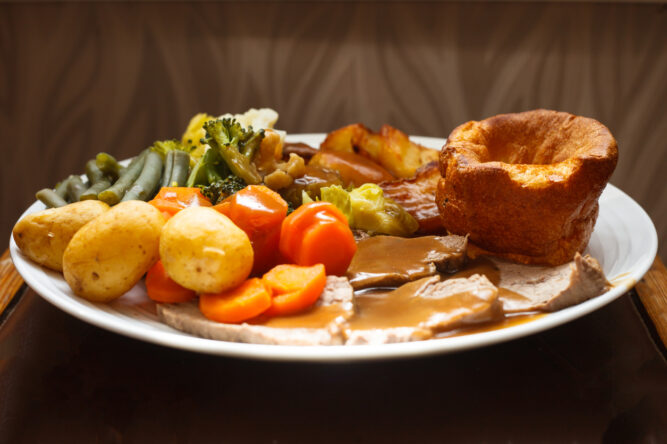
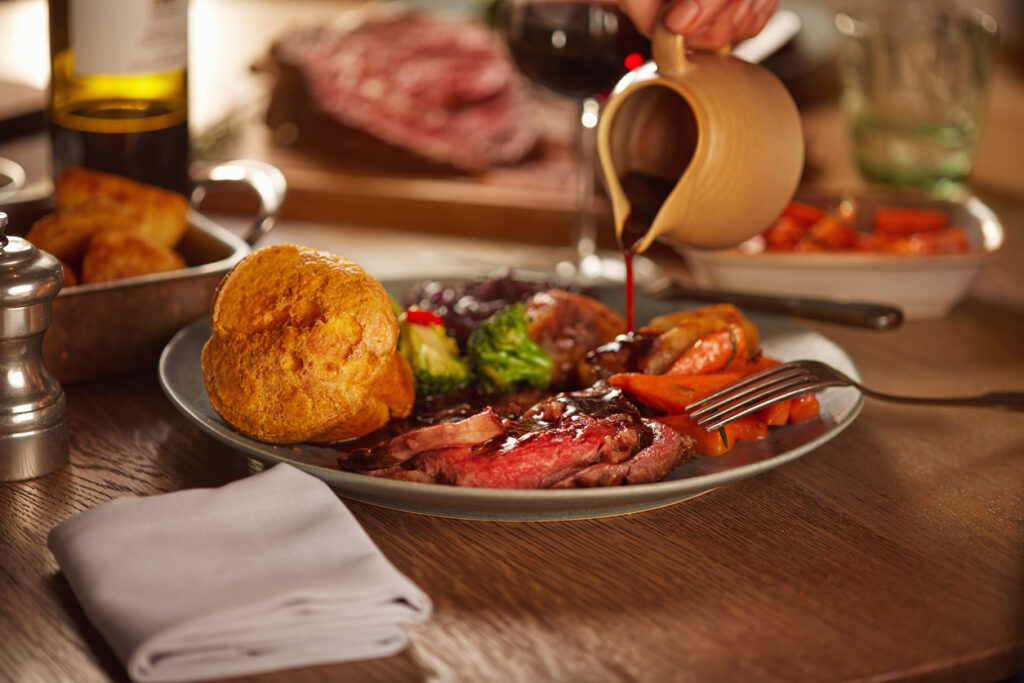
The British Sunday roast is probably one of the best examples of how to do a proper family meal. You’ve got your roasted meat, crispy potatoes, Yorkshire puddings, vegetables, and gravy all coming together on one plate. It’s hearty, it takes time to prepare, and it forces everyone to sit down together and actually eat at the same time.
What makes it brilliant is that it’s designed around gathering people together. You can’t rush a Sunday roast, and that’s the point. It’s comfort food that brings families together every week, and in a poll of Britons it ranked second in things people love about the country.
3. Full English breakfast that doesn’t pretend to be healthy
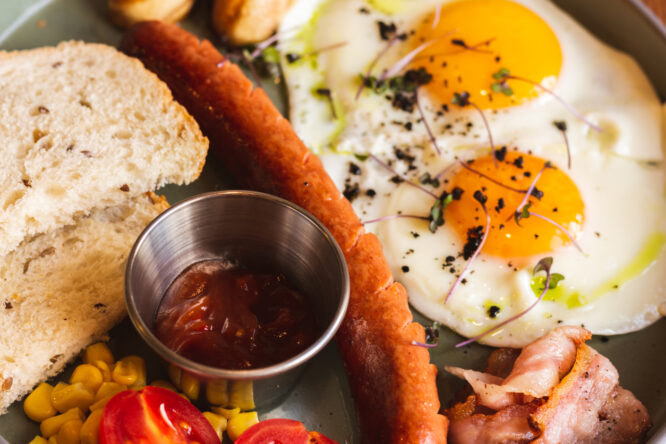
The Full English breakfast is honest about what it is: a massive, indulgent meal that’ll keep you going for hours. Bacon, eggs, sausages, beans, tomatoes, mushrooms, black pudding, and toast all fried up together. It’s not trying to be anything other than pure comfort food.
The beauty is that everyone knows exactly what they’re getting. You have a full English when you want to feel properly fed, usually at weekends or on holiday. It’s become such an institution that many places serve it all day as an “all-day breakfast.”
4. Proper pub culture that’s about more than just drinking

British pubs have evolved into places where you can get genuinely good food alongside your drink. The gastropub movement has shown how traditional establishments can serve quality meals and still keep their essential pub character. Places like The Sportsman in Kent have earned Michelin stars but still feel like proper pubs.
The elevated pub food trend means you can get venison pies, locally sourced fish, and seasonal vegetables in a relaxed setting. It’s brought quality food to everyday spaces where people actually want to spend time.
5. Seasonal eating that connects to the landscape

The UK’s seasonal food culture actually works because the country has four proper seasons with distinct produce. Spring brings asparagus and lamb, summer gives you strawberries and new potatoes, autumn has apples and game, winter brings root vegetables and hearty stews.
British Food Fortnight and similar campaigns help people understand why certain foods taste better at certain times. When you eat British strawberries in June versus imported ones in January, the difference is obvious, and it makes people appreciate seasonality.
6. Multicultural food integration that’s become genuinely British

Britain’s absorbed international cuisines and made them part of the national food culture in a way that feels natural rather than forced. Chicken tikka masala is as British as fish and chips now, and curry houses are woven into British life. There’s even National Curry Week to celebrate it.
The fusion approach means you get things like curry sauce on chips, which sounds weird but actually works. It’s not about authenticity, but about creating new combinations that suit British tastes and become part of the culture.
7. Comfort food that’s designed for the climate

British comfort food makes sense for the British weather. When it’s cold and wet outside, dishes like shepherd’s pie, bangers and mash, and steak and kidney pie provide the kind of warming, filling food you actually want. These aren’t light Mediterranean dishes. They’re designed for a country where you need substantial food to keep warm.
The hearty, carb-heavy approach works when you’re dealing with long, dark winters. British comfort food embraces being heavy and warming rather than trying to be something it’s not.
8. Local sourcing that’s becoming mainstream

The farm-to-table movement in the UK has moved beyond just posh restaurants and into everyday eating. Local sourcing schemes and farmers’ markets are making British produce more accessible, and restaurants are building real relationships with local suppliers.
The focus on provenance means people can actually taste the difference between local and imported food. When restaurants like Our Farm in Cumbria source ingredients from metres away, you’re getting food that’s genuinely fresher and tastes better.
9. Traditional preservation methods that add flavour
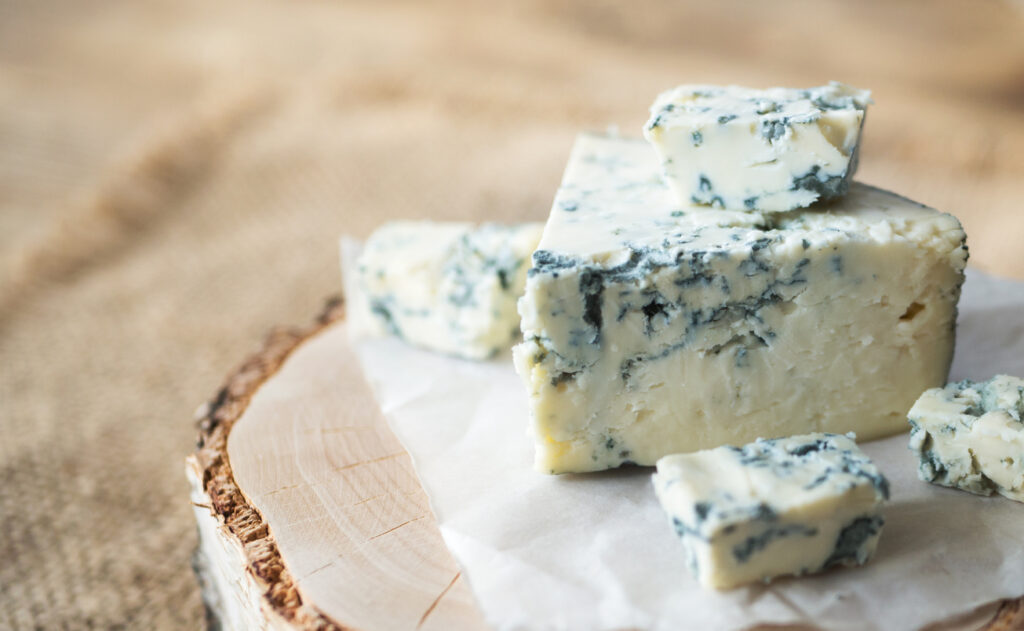
British food culture includes proper preservation techniques that create distinct flavours rather than just extending shelf life. Things like proper aged cheeses, smoked fish, cured meats, and pickled vegetables add depth to the cuisine. British bacon tastes different from American bacon because of how it’s cured.
The UK produces world-class sea salt and uses traditional salt-curing methods that enhance flavour. These techniques have been perfected over centuries and create tastes you can’t get from mass-produced alternatives.
10. Tea culture that pairs food and drink properly

British tea culture isn’t just about the drink, but about how food and tea work together. Afternoon tea with scones, sandwiches, and cakes creates this perfect balance where the tea cuts through rich foods and the food complements the tea’s flavours. The timing of tea breaks also makes sense, as having a proper afternoon tea with food bridges the gap between lunch and dinner. It’s social eating that brings people together over something lighter than a full meal.
11. Desserts that don’t try to be fancy
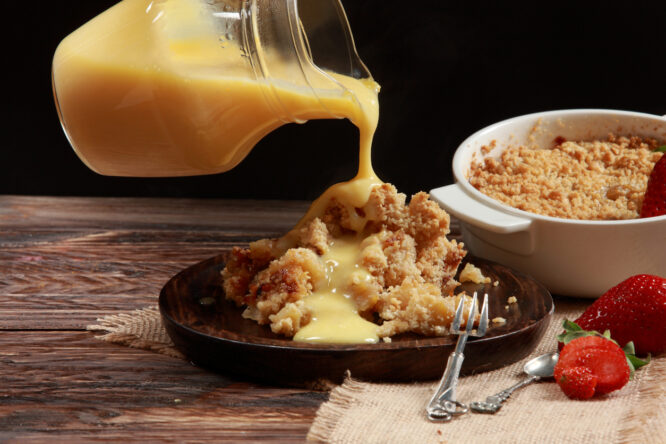
British desserts like sticky toffee pudding, apple crumble, and treacle tart are honest comfort foods that prioritise flavour over presentation. They’re warm, sweet, and filling, which is perfect for cold weather and designed to make you feel satisfied rather than impressed. The approach of serving puddings with custard or cream adds richness and makes them proper indulgent treats. These aren’t delicate pastries, but substantial desserts that work as comfort food.
12. Regional specialties that reflect local ingredients
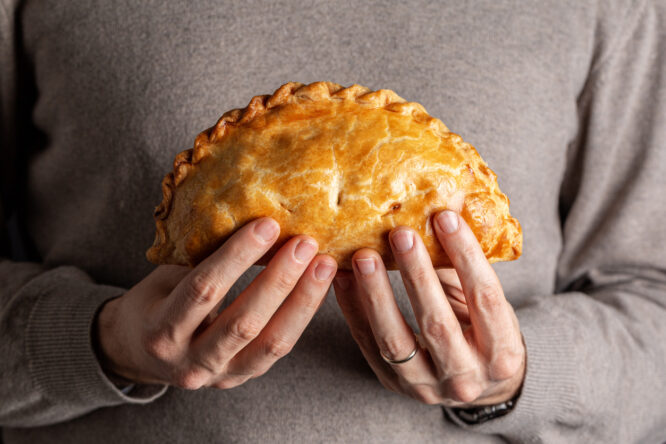
Different parts of the UK have developed foods that make sense for their local ingredients and conditions. Yorkshire pudding comes from Yorkshire, Cornish pasties from Cornwall, haggis from Scotland. These aren’t just marketing gimmicks, but foods that developed naturally from what was available locally.
Regional variations in the same dishes also show how food adapts to local tastes. A Cornish pasty is different from a steak and kidney pie because they developed in different places with different needs.
13. Food traditions that bring communities together

British food culture includes loads of traditions that get people together around food. Sunday roasts bring families together weekly, harvest festivals celebrate local produce, and events like pancake day create shared experiences around specific foods.
These traditions work because they’re about more than just eating. They’re about creating regular occasions where food becomes the excuse for community and family time. The social aspect is built into the food culture rather than being an afterthought.