These days, getting a face-to-face GP appointment in the UK often seems less likely than winning the EuroMillions.

Phone lines are busy even at 8 a.m. on the dot, slots are limited, and you’re often asked to explain yourself to reception staff, who want to know the intimate details of what’s going on with you so that they can make a decision on whether or not your problem is worthy of treatment. Knowing the right things to say makes the process less stressful and much more likely to be effective. These aren’t a guarantee of success, but you’ll definitely up your chances considerably.
1. “I need an in-person examination.”

Receptionists are trained to decide whether a phone appointment is enough, but they can’t ignore clear requests for physical checks. Saying you need an in-person examination makes it harder to push you onto a phone call. It shows your concern requires more than just a chat.
If you’re worried about being brushed off, repeat that phrase calmly and firmly. You don’t need to overshare your symptoms in detail. Just highlight that a physical examination is necessary. Making such a clear request proves you’re asking for the right level of care.
2. “I’m worried this needs to be looked at physically.”

Sometimes it helps to frame your concern in a way that stresses visibility. Saying something needs to be looked at physically highlights that a phone conversation won’t provide reassurance. That makes it harder for staff to argue against a face-to-face slot.
Use this phrasing when describing rashes, lumps, or joint problems. You’re not exaggerating; you’re giving a practical reason why remote advice isn’t enough. Stating your worry plainly makes it clear why being seen in person is important for peace of mind.
3. “The symptoms are getting worse.”

GPs prioritise cases where symptoms are progressing, so pointing out worsening signs gets attention. If you simply say you’re unwell, they may push you toward a phone call, but if you explain that your issue is developing, it highlights urgency and the need to check properly.
Don’t feel you’re being dramatic by mentioning changes. Receptionists are trained to escalate situations that sound like they could deteriorate. By saying symptoms are worsening, you make it clear waiting longer or relying on a call isn’t safe or fair for you.
4. “I need to show the doctor what’s happening.”
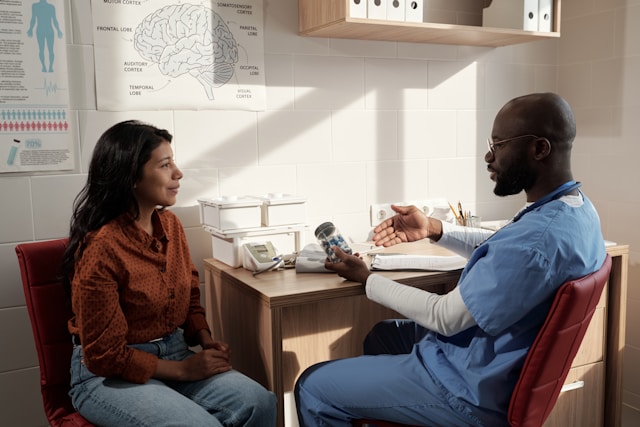
Some health issues can’t be explained properly over the phone. If you need to show swelling, a rash, or something physical, say so directly. Saying this reinforces that a conversation won’t provide clarity and that the GP needs to see it in person.
Say this when words alone don’t capture what’s wrong. It reassures staff that you’ve thought it through and know the limits of a phone call. By asking to show the issue, you highlight why only a face-to-face appointment will work.
5. “I’m struggling with daily tasks because of this.”

When a health problem affects your ability to function, it counts as a priority. Saying your symptoms are interfering with work, sleep, or everyday activities signals the seriousness of the issue. It helps reception staff understand that a call won’t be enough support.
Don’t hold back on how much it’s impacting you. Receptionists note key phrases to share with the GP, and showing disruption to daily life often helps secure in-person care. You’re not complaining, you’re explaining why it’s becoming unmanageable without proper attention.
6. “I’m worried this might get worse if I’m not seen.”

This highlights risk, and risk is something GP practices must take seriously. Suggesting the problem could escalate makes it harder to justify leaving you without a face-to-face check. It encourages staff to think about prevention, not just current symptoms.
Use this wording, especially if you’re unsure of what’s going on. You don’t need a diagnosis right now, just express your concern clearly. It shows you’re being proactive, and practices often act more quickly when you present a risk of complications.
7. “I’ve already tried phone advice, and it hasn’t helped.”

If you’ve had a phone consultation before and the problem is still happening, it’s perfectly reasonable to push for more. Explaining that phone advice hasn’t solved the issue makes it clear another call would be pointless. It demonstrates that escalation is the next logical step.
When using this one, keep it factual and polite. Staff are more likely to book you in if you show persistence without frustration. By pointing out what hasn’t worked, you guide them toward the only option left: a proper in-person appointment.
8. “I’m worried this could be something serious.”

This wording points to red flags without you needing to list symptoms in detail. Reception staff know they can’t ignore potential seriousness, and flagging it this way encourages them to book you in rather than risk missing something important.
Don’t feel guilty for saying this. You’re not exaggerating; you’re expressing genuine concern. Being upfront about seriousness means you’re taken more seriously, and it often results in quicker access to the type of care you need.
9. “The pain is stopping me from sleeping.”

Pain that interferes with sleep is considered major, and highlighting this can make a difference. Lack of sleep affects overall health and recovery, so staff understand this means more than just discomfort. It shows the problem is affecting your well-being around the clock.
Use this line honestly when pain is ongoing. It adds weight to your request and makes staff see it as more urgent. Sleep disruption is a clear marker of severity, and saying it out loud often tips the balance toward an in-person slot.
10. “I’ve had these symptoms for several weeks now.”
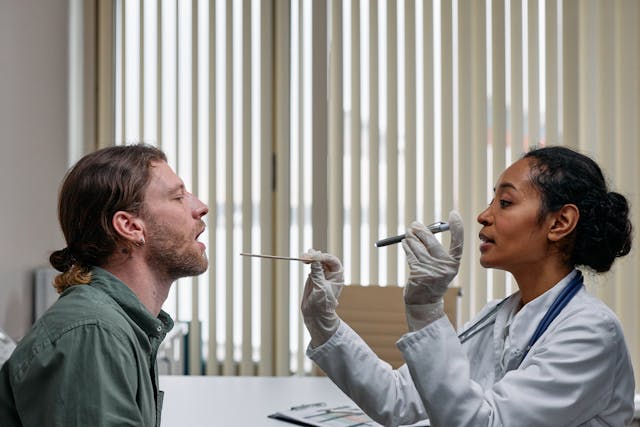
Duration matters, and long-lasting symptoms need proper checks. If you simply say you’ve been unwell, staff may assume it’s temporary. By pointing out that it’s been going on for weeks, you highlight that it’s persistent and requires more than a quick phone call.
Be specific with timeframes if you can. Saying “it’s been three weeks” is more effective than “a while.” Reception staff use these details to prioritise cases, and showing persistence often helps secure the appointment you need.
11. “I need help managing this medication issue.”

Medication problems are often considered unsuitable for phone-only appointments. If you’re experiencing side effects or confusion about dosage, say clearly that it needs reviewing in person. This phrasing makes it harder for staff to suggest a remote fix.
Don’t feel embarrassed about raising it. GPs are expected to handle medication concerns face to face when needed. By mentioning it directly, you’re not being difficult. Really, you’re ensuring your safety and getting the proper support you’re entitled to.
12. “I’m worried it’s affecting my mental health.”

Physical symptoms often spill into mental health, and practices are encouraged to take this seriously. Saying your condition is impacting mood, anxiety, or general wellness makes it clear that you need fuller support, and that a quick phone chat isn’t enough.
Use this one if stress, anxiety, or low mood are linked to your health issue. It encourages staff to treat your case with greater care. By being open, you highlight the bigger picture and push for the right kind of appointment.
13. “I’ve been advised that I need to be seen.”

If another professional, such as a pharmacist or NHS 111, has told you to book in, mention it directly. Reception staff know these recommendations carry weight, and it makes it much harder to deny you a face-to-face slot. It shows this isn’t just your opinion.
When you use this phrase, be clear about who gave the advice. Linking it back to another health professional strengthens your case. It shows you’ve followed the proper steps and makes the request more difficult to refuse.