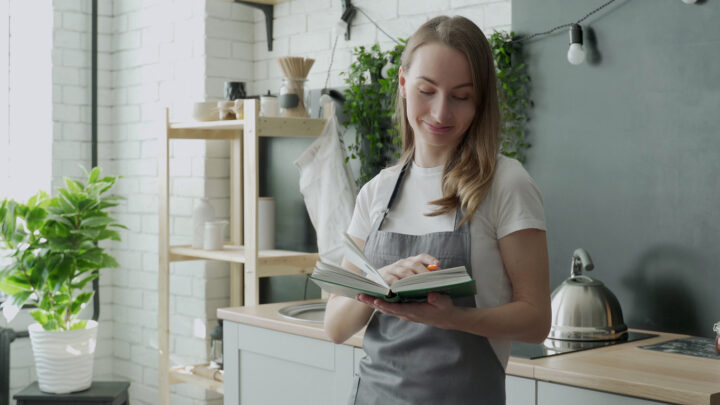
Eating alone often gets painted as dull or unhealthy, but it doesn’t have to feel that way at all. With the right mindset and a few simple tricks, meals for one can become something you actually look forward to every day. These are some of the simplest ways to actually enjoy preparing food for yourself (and of course eating the tasty results).
Keep your kitchen stocked with basics.
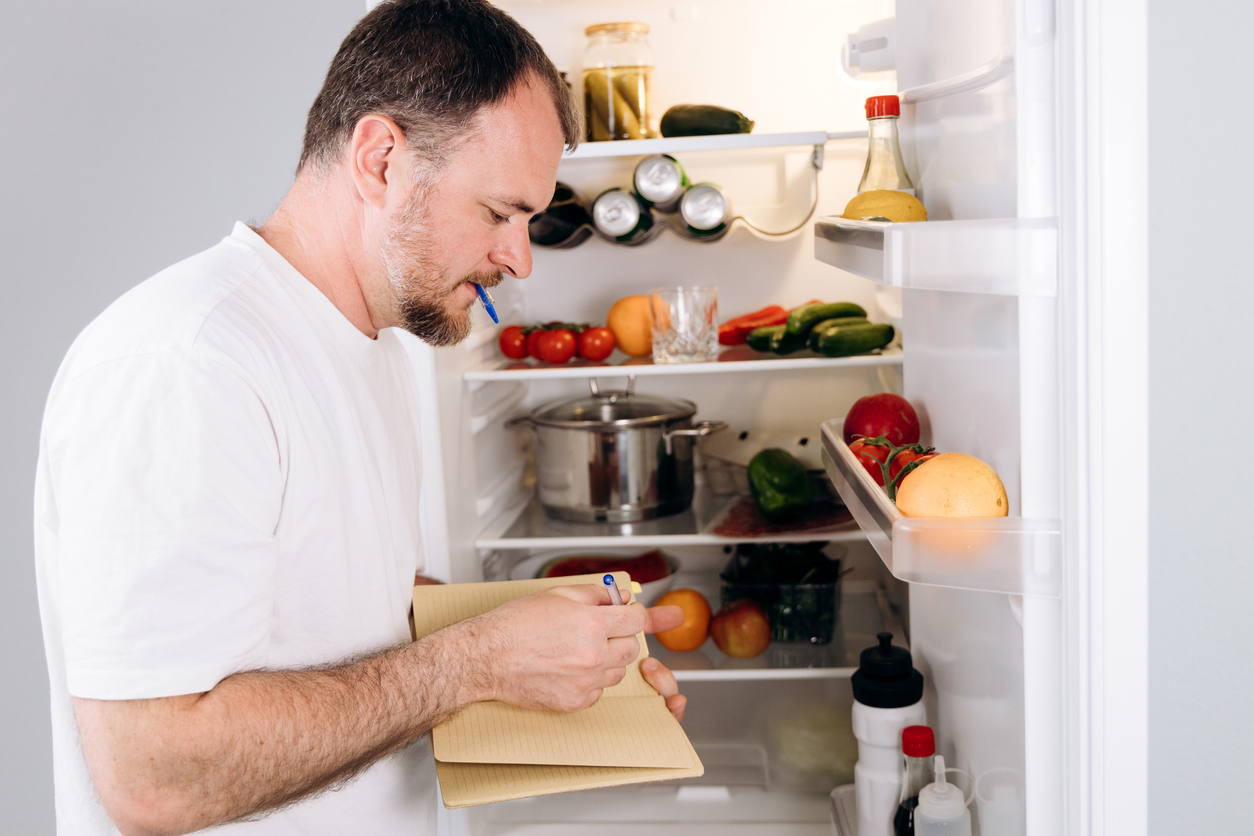
It’s easy to skip meals or fall into unhealthy habits when your cupboards are bare. If you’re only shopping for yourself, the effort of buying loads of ingredients can feel like too much, which leads to quick but less healthy options.
You’ll find it easier if you keep go-to staples like pasta, rice, beans, eggs and frozen veg on hand. Having a small set of basics means you can throw something together quickly without needing a big shop every time.
Cook once, eat twice.
Cooking for one can feel like hard work if you’re making something different every night. The temptation to order takeaway rises when the effort doesn’t seem worth it, leaving you spending more money and eating food that doesn’t feel great.
It helps to cook double and save half for the next day’s lunch or dinner. Leftovers give you a ready-made meal without extra effort. You’ll feel rewarded knowing yesterday’s work saves you time and money today.
Try out single-portion recipes.
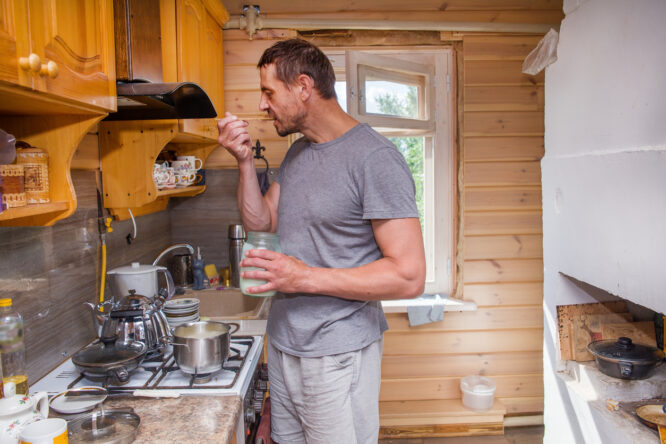
Most cookbooks and websites assume you’re feeding at least two people. That means constant maths and waste, which makes cooking less fun. When you’re just cooking for yourself, it can feel like the recipes aren’t written with you in mind.
Looking up single-serve recipes changes that. You can find ideas online designed for one portion, which cuts waste and fuss. It feels more satisfying when the recipe matches your life, not when you’re forced to adapt everything yourself.
Play with presentation.
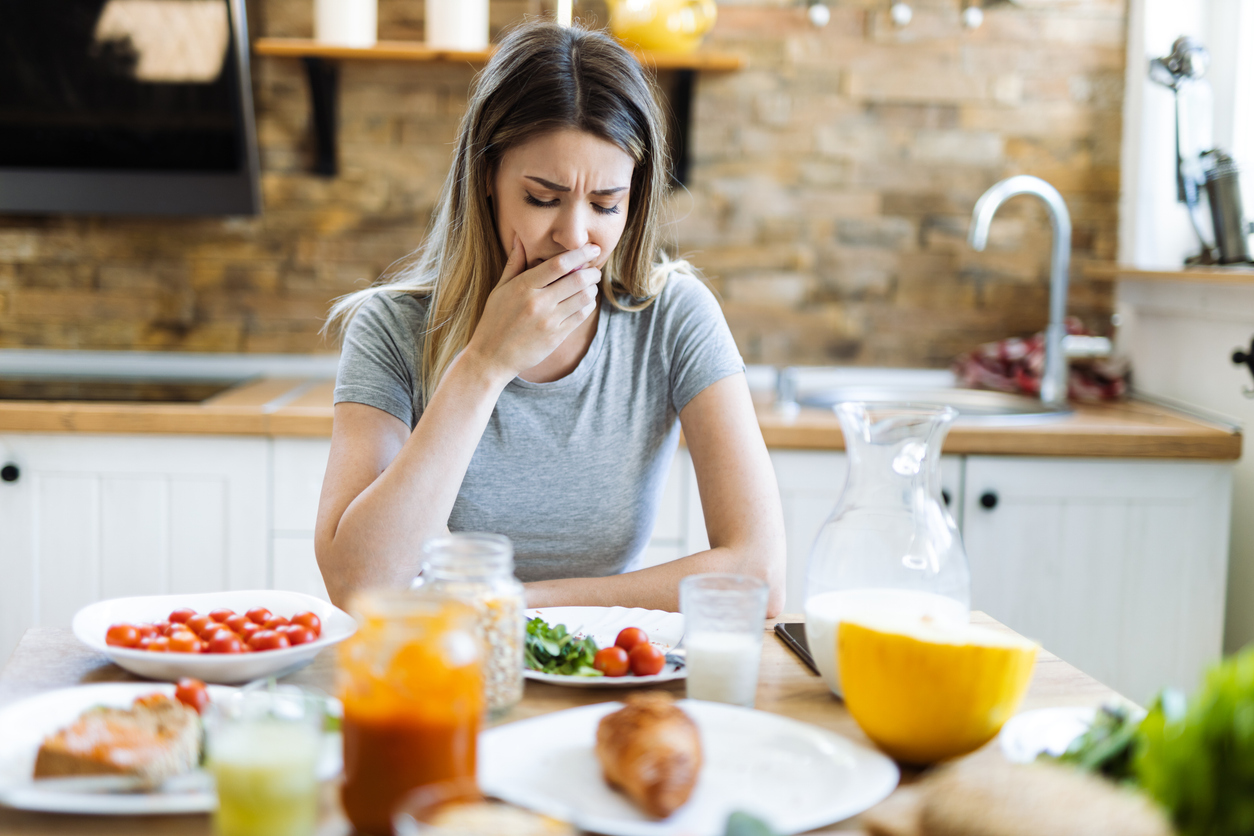
Eating alone can slide into grabbing food straight from the pan or plate without much thought. That makes meals feel unimportant, which takes away from the enjoyment. When you don’t treat the food like something to savour, it becomes less appealing.
You’ll enjoy eating more if you plate your food nicely, even when nobody else sees it. Using a favourite bowl or adding a garnish makes it feel like a treat. The effort signals to your brain that you deserve something enjoyable.
Add colour to your meals.
A plate full of beige food can taste fine but won’t feel exciting. That lack of variety often puts people off cooking properly. When meals look dull, they feel like a chore rather than something worth the effort.
Adding colourful vegetables, herbs, or fruit instantly lifts a plate. A handful of spinach, cherry tomatoes or roasted peppers makes a big difference. It not only looks more inviting but boosts nutrition too, so you get both fun and health in one.
Make it a moment, not a task.
Many people eat quickly while scrolling their phone or working at their desk. Eating feels like something to tick off instead of something to enjoy, which makes it harder to see food as rewarding when you’re eating on your own.
You’ll feel more satisfied if you treat meals as a proper break. Sitting at a table, putting on music or lighting a candle can make it feel like your time. When it feels like an event, food becomes more enjoyable.
Experiment with new flavours.
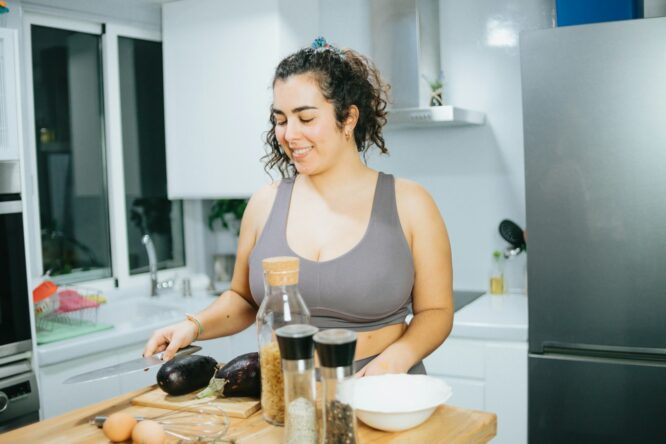
Sticking to the same meals makes cooking boring fast. When you’re the only one eating, it’s easy to default to the familiar. That leaves you feeling uninspired and more likely to grab quick, processed foods instead of something nourishing.
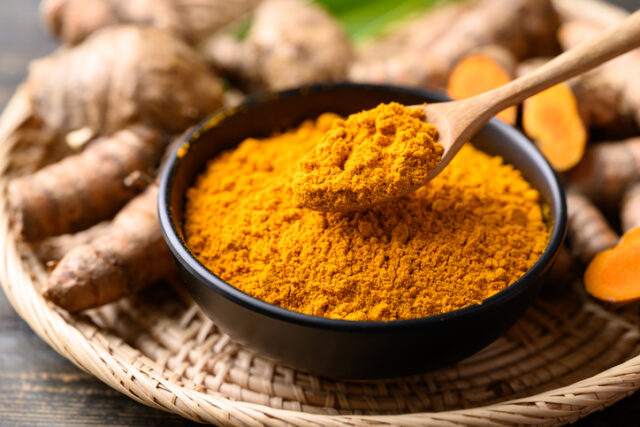
It helps to pick up one new spice or ingredient each week. Experimenting keeps things fresh and gives you something to look forward to. Even small swaps, like trying curry powder in soup, can make meals exciting without extra effort.
Portion snacks sensibly.

One of the hardest parts of eating for one is not overeating snacks straight from the packet. It feels easier to graze when nobody else is around, but it quickly becomes unhealthy and leaves you feeling sluggish instead of energised.
Pouring snacks into a small bowl or setting aside a portion makes them more enjoyable. It gives you control without cutting them out completely. This way, you can enjoy crisps or chocolate without letting it replace your main meals.
Freeze smartly for variety.
Cooking for one often leads to waste because ingredients go off before you’ve used them. That frustration makes you avoid fresh food altogether, which pushes you towards packaged options. Freezers help, but only if you use them wisely.
You’ll find it easier if you portion meals or ingredients into freezer bags and label them. Having a small stash of ready meals or chopped veg means variety on busy days. It makes eating healthy feel convenient, not like extra work.
Mix quick meals with special ones.
If every meal feels like work, cooking won’t seem worth it. On the other hand, if you only rely on quick fixes, eating feels repetitive. Striking a balance between convenience and special effort keeps things fun instead of draining.
You could have a simple omelette midweek and then try something more adventurous at the weekend. This balance makes cooking feel like both comfort and creativity. It stops meals becoming boring while keeping effort realistic when time is tight.
Treat yourself with small extras.
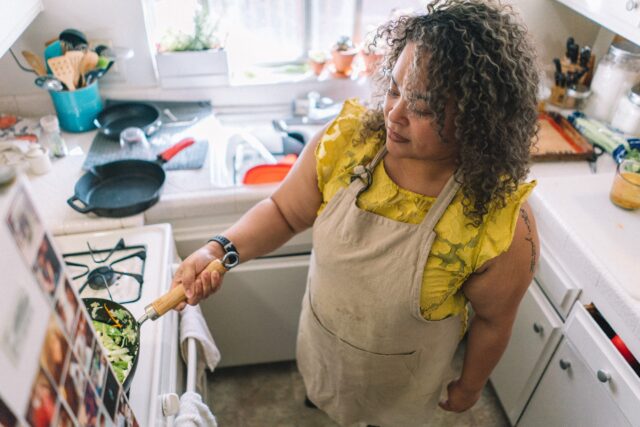
When you’re only feeding yourself, you might feel guilty spending money on extras. That mindset makes meals practical but joyless. Food should feel enjoyable, not just fuel, and denying yourself small pleasures makes it harder to stay consistent with cooking.
Adding extras like fresh bread, nice cheese, or a favourite drink makes meals feel rewarding. It doesn’t have to be expensive or daily, but a small touch can lift your mood. Those treats turn eating alone into something positive.
Celebrate the freedom of choice.
Cooking for one is often seen as lonely, but it can also mean total freedom. You don’t need to compromise or cook dishes you don’t enjoy. Seeing it as a burden makes it draining, while reframing it makes it empowering.
You’ll feel more upbeat when you focus on that freedom. Cook what you like, eat when you’re hungry, and enjoy foods other people might not. Celebrating the independence transforms eating alone from obligation to opportunity, making it fun rather than frustrating.