Buying a house is a massive decision, not just because you’re buying a property—you’re also buying into a neighbourhood.

Think about how terrible it would be to find your dream house, only to move in and discover that the people who live next door are total nightmares that turn your life into a living hell. It doesn’t have to be that way, though. Here’s how to suss out who you’ll be living next to before you commit.
Visit at different times of day and week.

You’ve seen the house during a Tuesday viewing when everyone’s at work. But you haven’t got a clue what it’s like on Friday night or Sunday morning when people are actually around.
That’s when you’ll see the real vibe of the street. Drive or walk past at weekends, evenings, and school run times to see what you’re actually getting into before you sign anything.
Check the local Facebook groups and Nextdoor.

Every area’s got community Facebook groups where locals post about everything from lost cats to complaints about parking. You can see what people are moaning about and how they talk to each other.
That gives you a proper sense of the neighbourhood drama. If every other post is people rowing about bins or noise, you’ll know what you’re walking into before you move in.
Chat to people on the street casually.

When you’re viewing or visiting the area, just strike up conversations with people you see. Dog walkers are brilliant for this because they know everyone and they’re usually happy to chat.
You’ll get honest opinions about the area that estate agents would never tell you. People will mention the noisy house, the lovely couple who help everyone, or the street parties they have at Christmas.
Look at the front gardens and general upkeep.
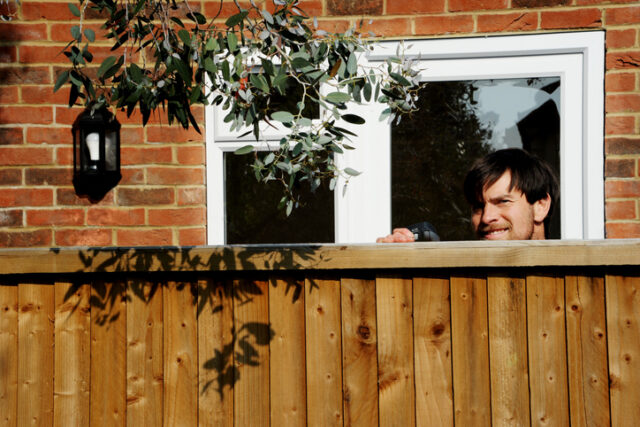
Have a proper look at how people maintain their properties. Are gardens neat or full of rubbish? Are there loads of cars on blocks or dumped furniture hanging about?
What you see tells you about the general pride in the street and what standards are like. If your future neighbours don’t care about their gardens, they probably won’t care about noise or parking on your drive either.
Check planning applications on the council website.

You can search your local council’s planning portal to see if neighbours have got any extensions, loft conversions, or developments in the works. It’s all public information you can access online.
This way, you’ll know if you’re about to have six months of building work next door or if someone’s planning something that’ll block your light or overlook your garden completely.
Visit the local pub if there is one.

Pop into the nearest pub and have a pint or a coffee if they do food. The regulars and bar staff know everything about the area, and they’re usually happy to chat about it.
You’ll get the unfiltered version of what the area’s really like. They’ll tell you which streets are sound, which ones to avoid, and what the community’s actually like beyond the estate agent spiel.
Check crime statistics on police.uk.

The police website lets you search crime data by postcode for free. You can see what’s been reported in the area over the past year, from antisocial behaviour to burglaries.
Finding this out gives you proper context about safety. Every area has some crime, but you’ll see if there’s a pattern of issues or if it’s generally quiet compared to surrounding areas.
Look for signs of community spirit.

See if there are neighbourhood watch signs, well-maintained communal areas, or evidence of street parties. Check if there’s bunting up for events or if people have clearly coordinated Christmas lights.
It shows whether people actually know and look out for each other. A street with community spirit is usually safer, friendlier, and just nicer to live on than one where everyone keeps to themselves.
Check if it’s a rental-heavy street.
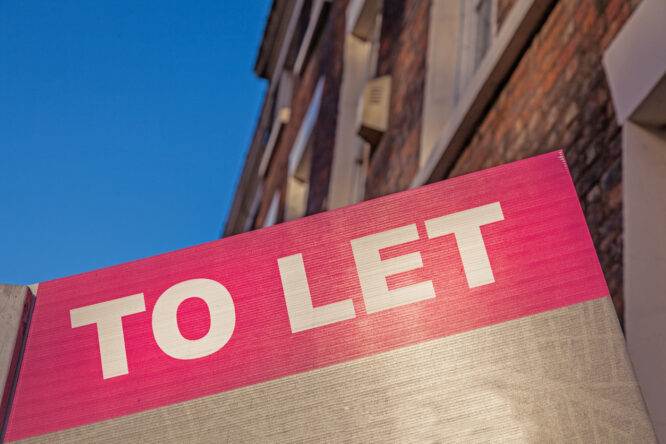
Nothing wrong with renters, but streets with loads of short-term lets or student housing have different vibes. You can often tell by the state of properties and whether there are multiple bins for one house.
High turnover means you might not get that settled community feel. If you’re looking for long-term neighbours who’ll be around for years, a street full of six-month tenancies might not be it.
Visit during school holidays if there are families.

If you see signs of kids on the street, visit when they’re off school. You’ll see exactly how noisy it gets and whether it’s the kind of family vibe you’re after or if it’s chaos.
This matters if you work from home or value peace and quiet. Some people love a street full of kids playing out, others would find it a nightmare, so check what you’re getting.
Check for any registered HMOs nearby.

Your council keeps a register of licensed Houses in Multiple Occupation. These are properties with multiple unrelated tenants, and they can sometimes mean more noise, parking issues, or bin problems.
Knowing where they are helps you understand the street dynamic. A few HMOs mixed in might be fine, but if you’re surrounded by them, expect a different atmosphere than a street of families.
Look at Google Street View history.

Google Street View lets you scroll back through years of images. You can see how the street’s changed over time and whether properties have been maintained or gone downhill.
This shows you the trajectory of the area. If gardens that were tidy five years ago are now dumping grounds, that tells you something about where the neighbourhood’s heading.
Trust your gut when you visit.

After all the research, pay attention to how you actually feel when you’re there. Do you feel comfortable? Do people acknowledge you or ignore you? Does something just feel off, even if you can’t explain it?
Your instinct picks up on things your brain hasn’t consciously clocked. If somewhere gives you weird vibes despite looking perfect on paper, that’s worth listening to before you commit to a massive mortgage.