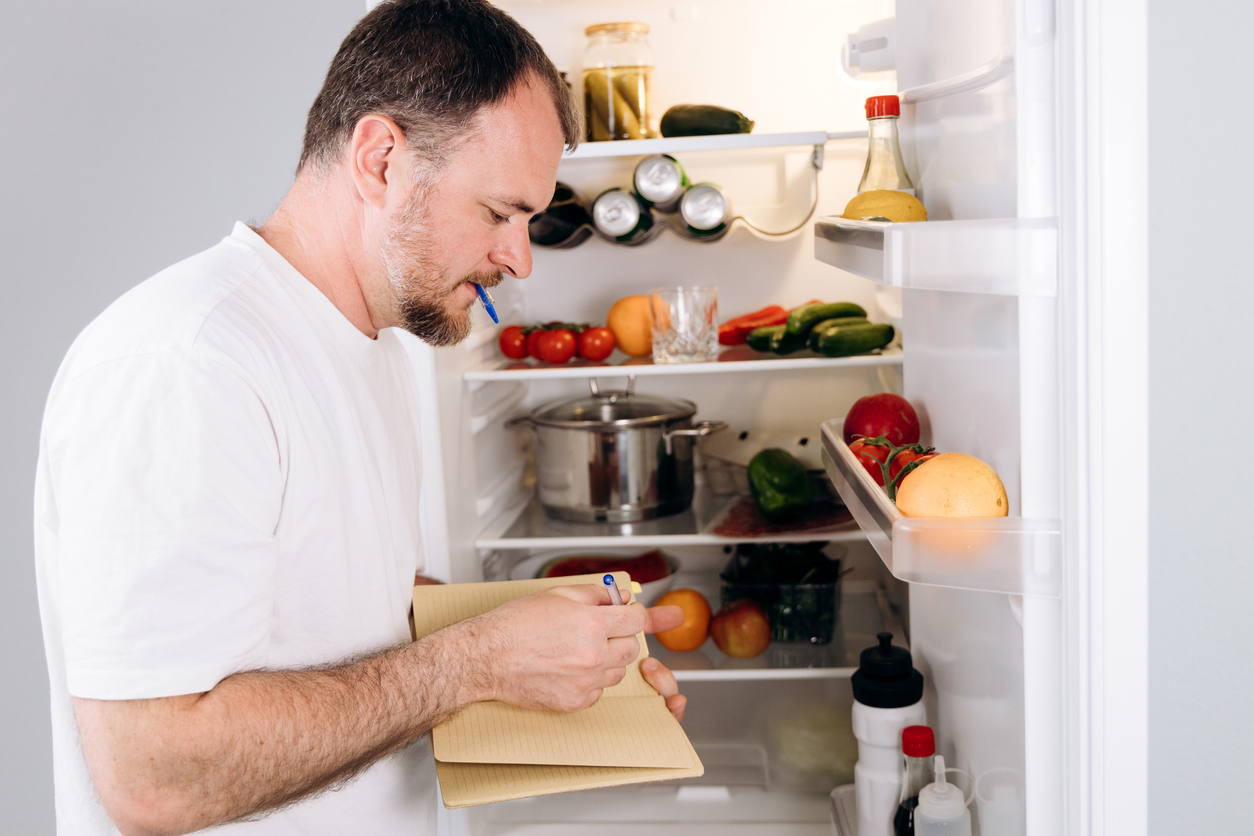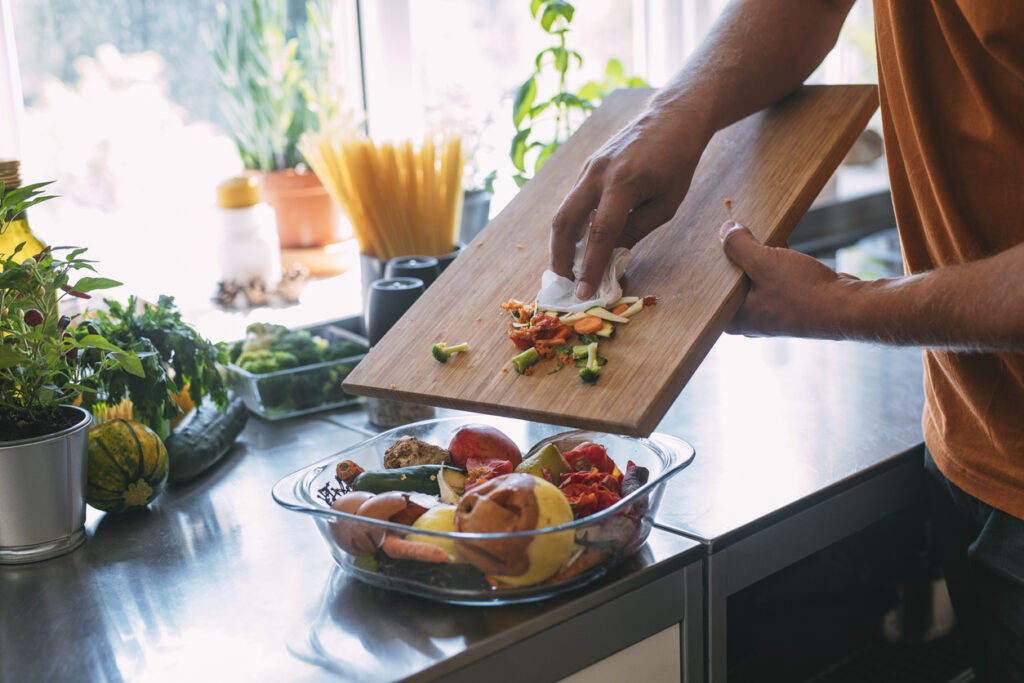
A cutting board seems like one of the safest tools in the kitchen, but experts say it can easily become one of the dirtiest. Small habits you barely think about, like skipping a wash or using the same board for everything, can lead to serious contamination. Food safety professionals warn that the wrong board habits are behind more cases of food poisoning than people realise, especially when raw meat and produce share space.
Here are the biggest cutting board mistakes that could be putting your health at risk and how to avoid them.
1. Using one board for everything
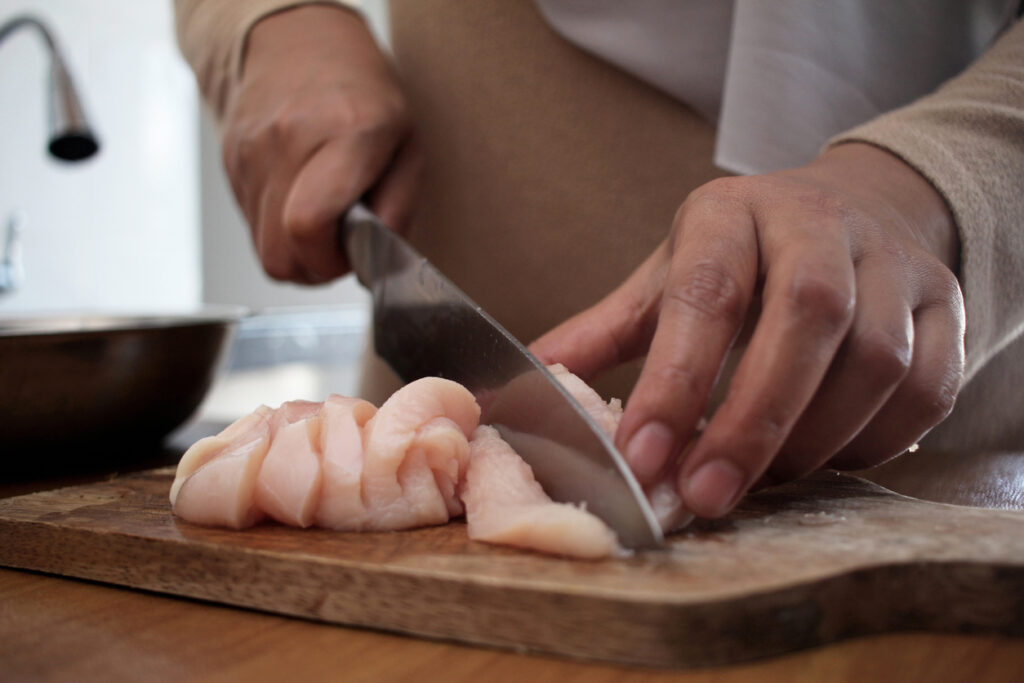
Most people reach for the same board whether they’re cutting chicken or chopping vegetables. It feels efficient, but that mix of foods can transfer harmful bacteria from raw meat to ingredients that won’t be cooked again.
The safest approach is to have at least two boards: one strictly for raw meat, fish, and poultry, and another for fruits, vegetables, and cooked foods. Keeping them colour-coded or labelled makes it easier to stay consistent during busy meal prep.
2. Skipping the soap after rinsing
Running a board under the tap might look like cleaning, but water alone won’t remove grease, proteins, or germs. Bacteria stick to microscopic grooves that plain rinsing can’t reach.
Scrubbing with hot, soapy water after every use is essential. For a deeper clean, sanitise your boards weekly using a diluted bleach or vinegar solution, then rinse and air-dry completely before putting them away.
3. Ignoring deep knife grooves
Every slice leaves a tiny mark that eventually turns into a trench where food and moisture collect. Those narrow spaces trap bacteria, which multiply quickly in warm kitchens.
When your board starts looking uneven or rough to the touch, it’s past its safe lifespan. No amount of scrubbing can reach inside those cuts, which means replacing the board is the only guaranteed fix.
4. Using wooden boards for raw meat
Wooden boards look beautiful and are great for bread or fruit, but they’re not ideal for raw meat. Wood absorbs liquid easily, which means meat juices soak into the grain and stay trapped.
That moisture becomes a perfect environment for bacteria. Use plastic or composite boards for raw meat instead because they’re non-porous, easier to clean thoroughly, and safe for dishwashers.
5. Forgetting to disinfect after cutting poultry
Chicken and turkey carry higher bacterial loads than most meats, so they need extra care. A quick rinse won’t remove all the residue that spreads across your worktop.
After cutting raw poultry, disinfect your board with boiling water or an antibacterial cleaner made for food surfaces. Wiping afterward with clean paper towels ensures you’re starting fresh before the next ingredient.
6. Letting boards stay damp
Moisture is the perfect breeding ground for bacteria. When boards are stacked while wet or stored flat, that trapped humidity helps mould and odours grow.
Always dry boards upright in a rack or stand, so air can circulate on both sides. Even a small amount of lingering moisture can lead to a musty smell within days.
7. Using glass or marble boards
Glass and marble might look elegant, but they’re bad news for knives and safety. Their slick surface makes food slide easily, which increases the risk of accidents during chopping.
They also dull blades quickly, forcing you to press harder and making slips more likely. Choose wooden, bamboo, or sturdy plastic boards instead. They grip food naturally and are easier to work on.
8. Not cleaning both sides properly
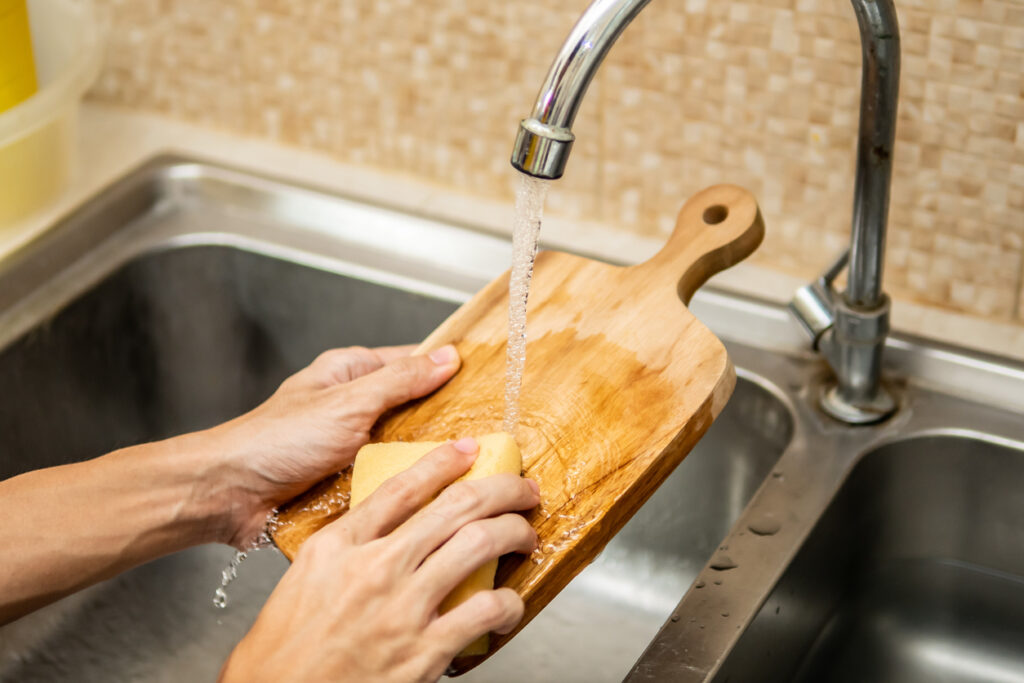
Even if you only use one side, the bottom of a cutting board picks up moisture and bacteria from the worktop. If you clean one side but leave the other damp, contamination spreads right back.
Wash both sides every time with soap and hot water, then dry upright. It takes only a few seconds and makes a big difference to kitchen hygiene.
9. Overusing cloths for wiping
Many people grab the same dishcloth they use for counters to wipe boards, but that habit moves germs around instead of removing them. Those cloths often contain bacteria from raw food or dirty hands.
Experts recommend using disposable paper towels or freshly laundered cloths only once per clean. It might seem small, but avoiding reused cloths can cut the risk of cross-contamination dramatically.
10. Keeping old boards far too long
Most home cooks keep their favourite board for years, even after it’s deeply stained or scarred. Over time, those cuts absorb odours and hide bacteria that never fully wash away.
If a board smells bad even after scrubbing, or if it feels rough and uneven, it’s time to retire it. Replacing a board costs far less than recovering from a bout of food poisoning, and fresh ones last longer when cared for properly.
11. Forgetting to sanitise after raw fish
Fish often leaves invisible residue that contains natural enzymes and bacteria. Even brief contact between fish and fresh produce can taint a meal before it reaches the table.
After cutting fish, wash the board in hot soapy water, rinse, then wipe with vinegar or diluted bleach. That neutralises both odours and bacteria in one go without damaging the board.
12. Leaving boards out near cooked food
It’s easy to set down a raw board while plating up something finished, but doing so transfers bacteria to clean surfaces instantly. Even a few droplets of raw juice can spoil an entire dish.
Always designate a clear zone for raw food prep and keep finished dishes separate. A simple change in kitchen layout can make cross-contamination nearly impossible.
13. Using dull knives on your board
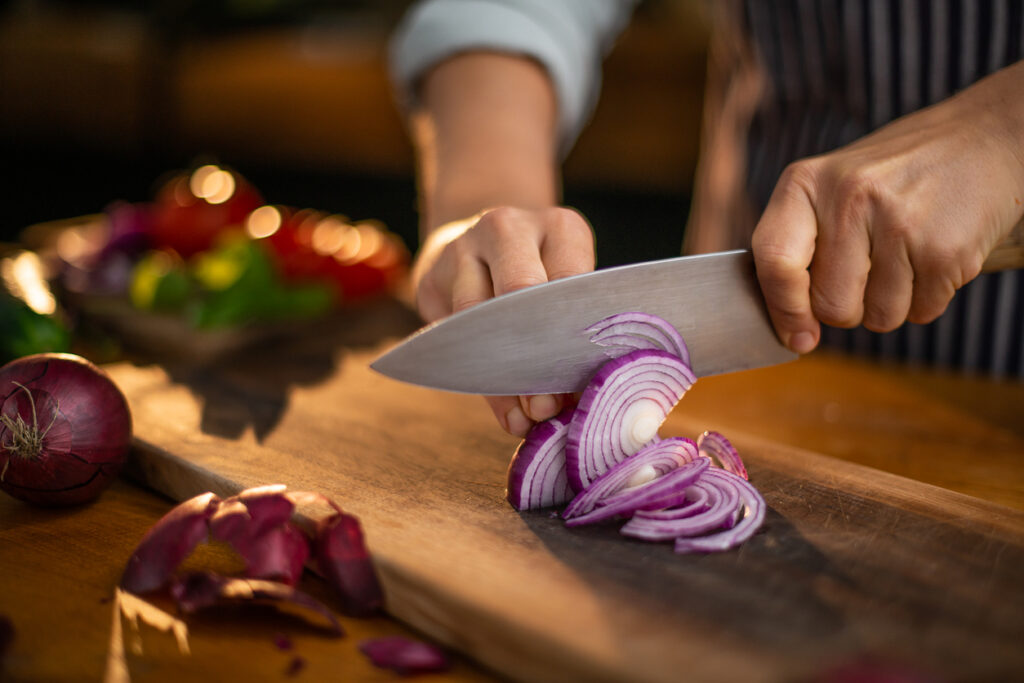
A dull knife doesn’t just slow you down, it actually damages your board faster. You press harder to cut, which digs deeper grooves and shortens the board’s lifespan.
Sharp knives slice cleanly and evenly, leaving smoother surfaces that stay sanitary longer. Regularly honing your knives helps both your tools and your boards last much longer.
14. Forgetting to replace plastic boards once worn
Plastic doesn’t last forever. Over time, heat and repeated cutting make it brittle and harder to clean. Faded or cloudy surfaces are signs the plastic has started to break down.
Replace plastic boards every year or two, depending on use. Investing in two or three affordable replacements keeps your kitchen safer and your food preparation genuinely hygienic.
15. Storing boards too close together
Stacking several boards tight against each other prevents airflow and traps moisture, especially after washing. The result is a perfect breeding spot for mould between surfaces.
Use a rack or simple divider to keep them slightly apart. Even a few centimetres of space helps air reach both sides, so the boards stay dry and safe.
16. Using decorative boards for serving food
Some boards designed for display contain varnishes or dyes that aren’t safe for direct food contact. Serving cheese or bread on them introduces chemicals and potential toxins to the meal.
Stick to boards labelled food-safe. If you want something stylish for serving, choose an untreated wood surface sealed with natural oil rather than decorative coatings.
17. Not washing new boards before first use
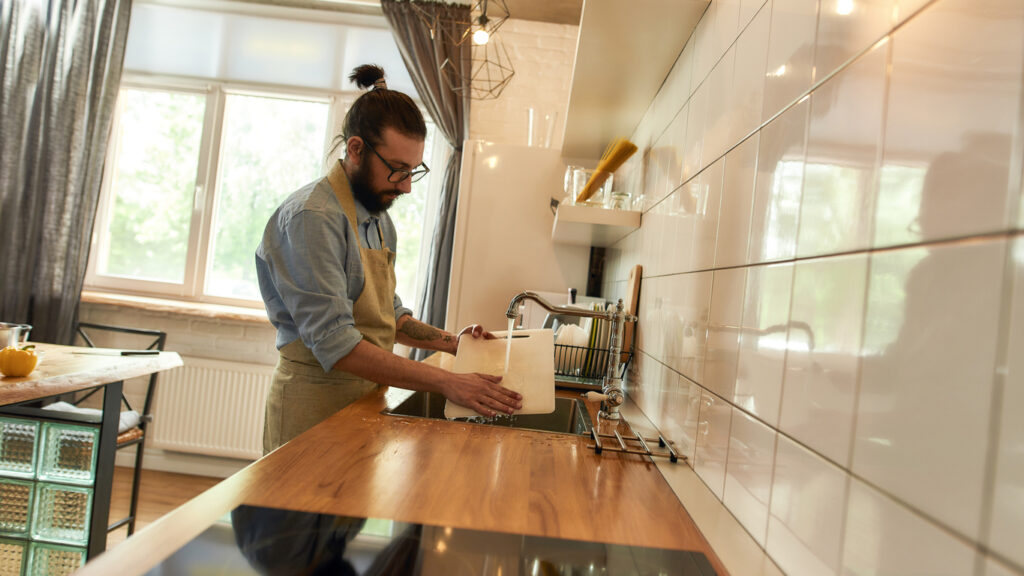
Brand-new boards might look clean, but they often carry dust or residue from manufacturing and packaging. Starting to cook without washing them spreads that residue to your food.
Give new boards a quick clean with warm soapy water, rinse thoroughly, and dry upright. It’s a simple first step that keeps your kitchen safer from day one.
18. Storing boards next to rubbish bins
Many people keep boards near bins for easy access, but that placement exposes them to airborne bacteria from decomposing food. It’s one of the most overlooked contamination sources in home kitchens.
Keep boards stored in dry cupboards or hanging on wall hooks instead. The cleaner and drier the environment, the longer your boards stay safe and odour-free.
19. Forgetting to oil wooden boards
Wooden boards need maintenance to stay safe. Without oiling, the grain cracks and allows food particles to seep inside. Those cracks then collect bacteria that are nearly impossible to remove.
Rubbing food-grade mineral oil into the surface once a month keeps the wood sealed and water-resistant. It also stops the board from warping or drying out over time.
20. Thinking cutting boards last forever
Every cutting board, no matter how expensive, has an expiry date. Continuous exposure to knives, heat, and water slowly breaks down the material and reduces hygiene.
Knowing when to let go is part of good kitchen safety. When your board looks tired, warped, or smells, no matter how often you clean it, replacing it is the most responsible choice.