Most of us pull into a petrol station without giving much thought to the rules, assuming common sense will carry us through.
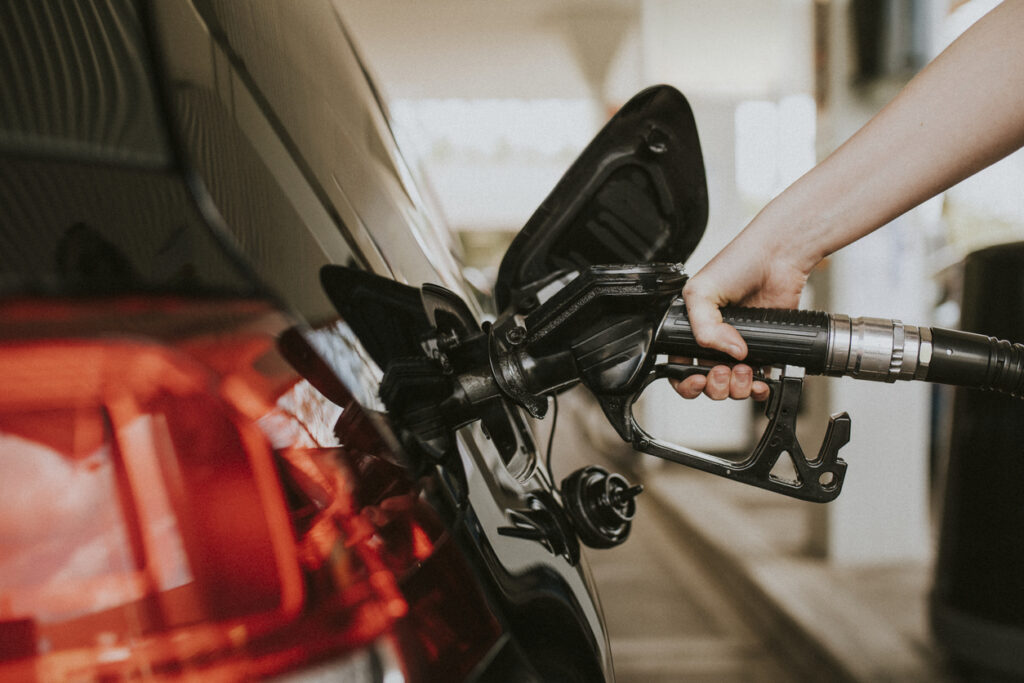
However, across the UK, there are several surprising laws and regulations in place at forecourts that can easily trip up even the most responsible drivers. From mobile phone use to the way you handle your engine at the pump, the rules are stricter than many people realise, and breaking them could result in an unexpected fine or even points on your licence.
Some of these guidelines are in place for safety, while others relate to environmental and public order regulations. The trouble is, petrol station staff don’t always have time to explain them, and drivers often learn about them only when they’re already in trouble. Before your next stop to refuel, it’s worth knowing the rules that could help you avoid an awkward confrontation or a financial penalty. Here are some things you’re not allowed to do while filling up.
1. Using your mobile phone while refuelling

You’ve probably seen the signs everywhere telling you to switch off your phone, but if you’re like most people, you’ve ignored them. The law actually bans using a mobile phone while you’re getting petrol because there’s a theoretical risk that the electrical charge could ignite petrol vapours.
Stations take it so seriously and can refuse you service or ask you to leave if you’re on your phone. While you might not get a direct fine for this one, causing a fire through negligence could land you with far more serious charges, and is it really worth the risk just to check your messages?
2. Smoking anywhere on the forecourt

This one seems like common sense, but you’d be surprised how many people still try to light up. Smoking at a petrol station is illegal under the Petroleum Regulations 2014, and it can result in a fine of up to £5,000 if you’re caught.
That’s why there are massive “No Smoking” signs everywhere. Petrol vapours are incredibly flammable, and even a tiny spark from a cigarette can cause an explosion. It helps if you wait until you’re well away from the station before you have that smoke because the fine really isn’t worth it.
3. Leaving your engine running while pumping petrol

Most people don’t even think about turning their engine off when they pull up to the pump, but leaving it running is actually illegal. The running engine creates heat and sparks from the exhaust system, which could potentially ignite petrol fumes.
Petrol stations have signs reminding you to switch off your engine for this very reason. It’s not just about saving fuel, it’s a genuine safety hazard. You could be refused service or asked to leave, and while there’s no fixed penalty, if something goes wrong, you’d be liable.
4. Refuelling with the wrong type of fuel container

If you’re planning to fill up a jerry can or container, you can’t just use any old bottle you’ve got lying about. You’re legally required to use an approved fuel container that meets British Standards, and filling up random plastic bottles is not only illegal but incredibly dangerous.
Petrol station staff are trained to refuse service if they see you using inappropriate containers. Invest in a proper fuel can because petrol in the wrong container can melt, leak, or even explode, and you’d be entirely responsible for any damage caused.
5. Filling containers in or on your vehicle
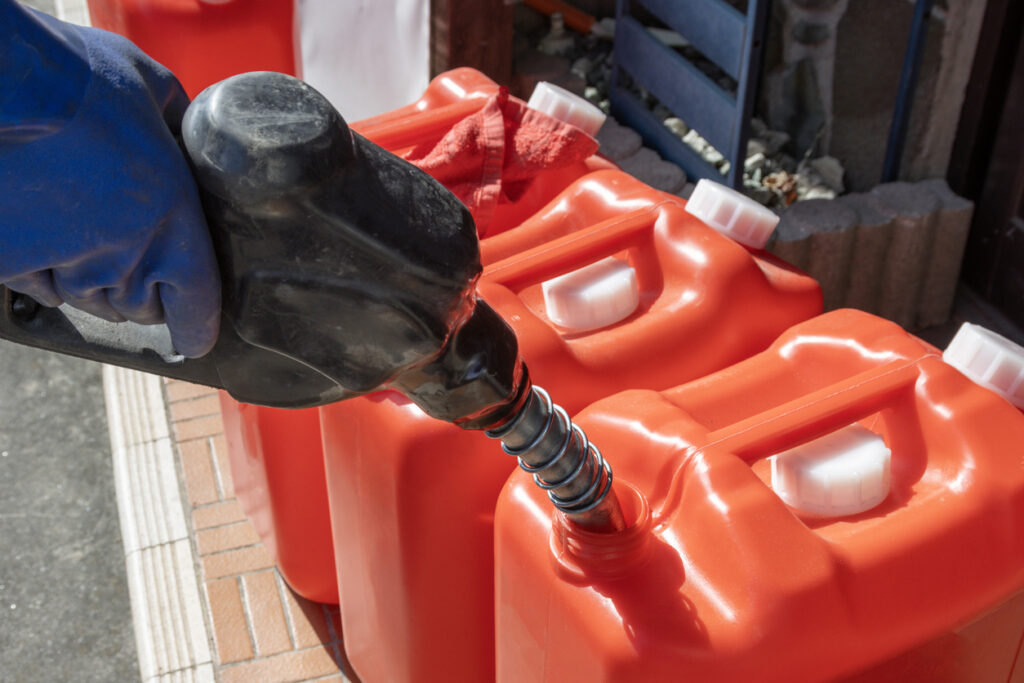
Even if you’ve got the right container, you can’t fill it up while it’s still in your boot or on your back seat. The law requires you to remove portable fuel containers from your vehicle and place them on the ground before filling them.
You’ll see signs at stations telling you to do this in order to unearth any static electricity that could cause a spark. You end up with a much safer process, and it helps if you just follow this simple rule rather than risk a fire in your car.
6. Overfilling your tank
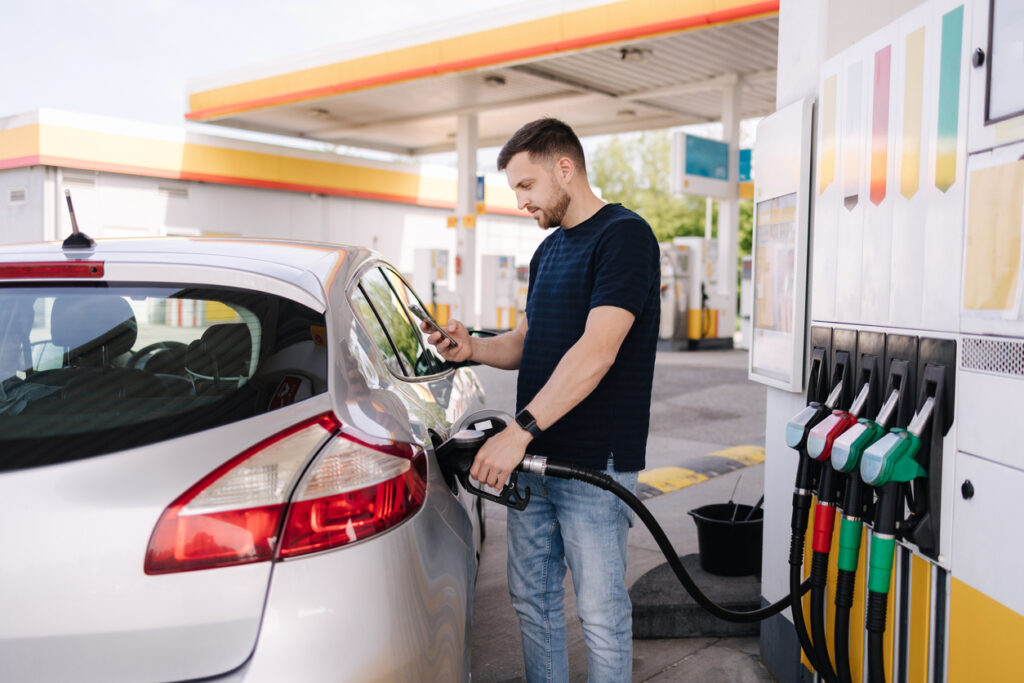
We’ve all tried to squeeze in that extra bit of fuel to round up to a nice number, but overfilling your tank is actually against the law. When the pump clicks off, you’re supposed to stop. Continuing to fill can cause fuel to spill or overflow.
Modern pumps are designed to cut off automatically when your tank is full because of this. You end up damaging your car’s evaporative emissions system if you overfill, and spilled fuel on the forecourt is a fire hazard that could land you with a fine or a bill for clean-up costs.
7. Not supervising children in your vehicle

If you’ve got kids in the car, you need to make sure they’re properly supervised while you’re refuelling. Leaving children unattended in a vehicle at a petrol station is considered neglectful and can result in fines or even child endangerment charges.
Because of this, many parents either bring their kids out of the car with them or make sure another adult is watching them. You end up with potential disasters if kids start playing with buttons, releasing the handbrake, or getting out unsupervised near moving vehicles and fuel pumps.
8. Letting an unaccompanied child under 16 refuel
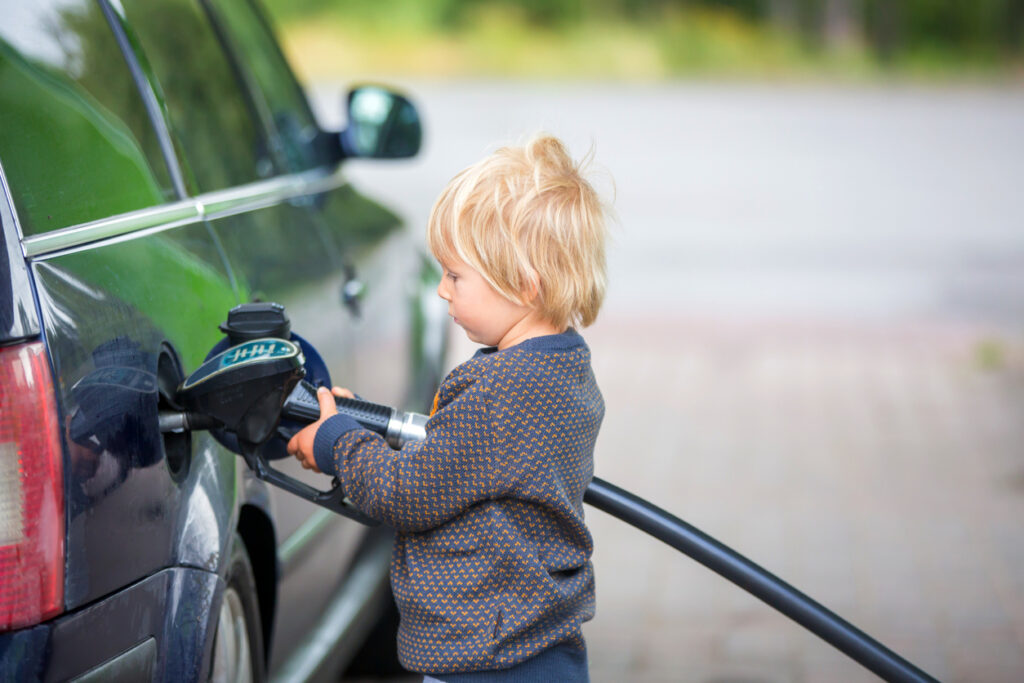
You might think your teenager is responsible enough to fill up the car, but the law says otherwise. Anyone under 16 is prohibited from using petrol pumps, even under supervision, and station staff are legally required to refuse service.
That’s why you’ll sometimes see attendants come rushing over if they spot someone young at the pumps. It helps if you just do the refuelling yourself because the station could lose their licence if they allow underage people to pump petrol, and you could face fines for endangering a minor.
9. Driving off without paying

This one’s pretty obvious, but driving off without paying for fuel, known as “bilking” or “making off without payment,” is theft. It’s a criminal offence that can result in fines up to £1,000, points on your licence, and even a prison sentence for repeat offenders.
That’s why more stations now require you to pay before you pump, especially late at night. You end up with a criminal record if you’re caught, even if you claim it was an accident, so it helps if you always double-check you’ve paid before driving away.
10. Blocking the forecourt or pump
We’ve all been stuck behind someone who’s gone into the shop for ages while their car sits at the pump, but deliberately blocking access to pumps or the forecourt can actually result in you being asked to leave or, in extreme cases, fined for obstruction.
Most stations ask you to move your car to a parking space if you’re going to be more than a few minutes. You end up causing problems for other customers and potentially blocking emergency access, so it helps if you’re considerate and move your car as soon as you’ve finished filling up.
11. Not displaying your registration when paying at night
At many petrol stations, especially during night hours, you’re required to provide or display your vehicle registration number before or while you’re refilling your petrol. This is part of measures to prevent fuel theft and helps stations identify vehicles if someone drives off without paying.
You’ll often see signs asking you to note your registration at the payment window or enter it at pay-at-pump machines. You end up being refused service if you can’t or won’t provide this information, and it helps if you just cooperate because it protects everyone from fuel thieves pushing up prices.
12. Tampering with or damaging station equipment
This should go without saying, but deliberately damaging pumps, payment machines, or any other station equipment is criminal damage. You can be fined, required to pay for repairs, and potentially face prosecution depending on the severity.
Stations have CCTV everywhere to keep an eye on this; it’s not just to catch people driving off without paying. You end up liable for sometimes thousands of pounds in repair costs if you break something, even if you claim it was an accident, so it helps if you treat the equipment with respect.
13. Refusing to follow staff instructions
Petrol station staff have the legal authority to refuse service and ask you to leave the premises if they believe you’re creating a safety hazard or breaking any rules. Refusing to comply with their instructions can result in you being banned from the station or even having the police called.
Arguing with staff when they ask you to put your phone away or move your car is pointless. They’re not being jobsworths, they’re following the law. You end up making things worse for yourself if you kick off, and it helps if you just remember that they’re trying to keep everyone safe, including you.