There was a time when British TV brought everyone together.
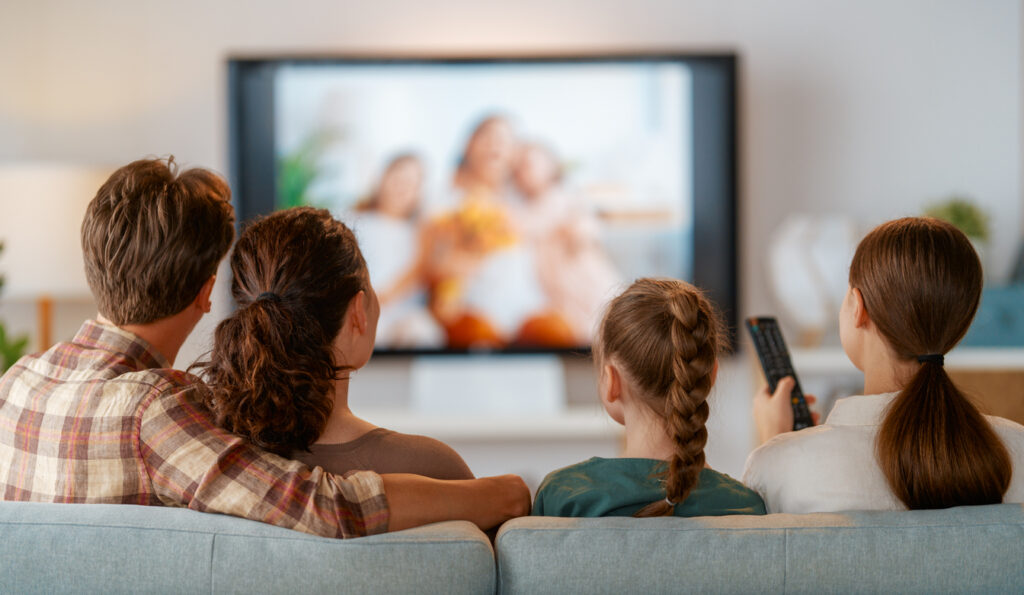
You would settle down on the sofa, knowing millions of others were watching the same thing. Monday mornings at work were full of chatter about what happened on “Strictly,” “Doctor Who,” or the latest big Sunday drama. However, those shared moments have mostly disappeared. People still love watching, just not in the same way. Traditional TV hasn’t vanished entirely, but it has become background noise in a world where viewers call the shots.
Streaming changed everything.
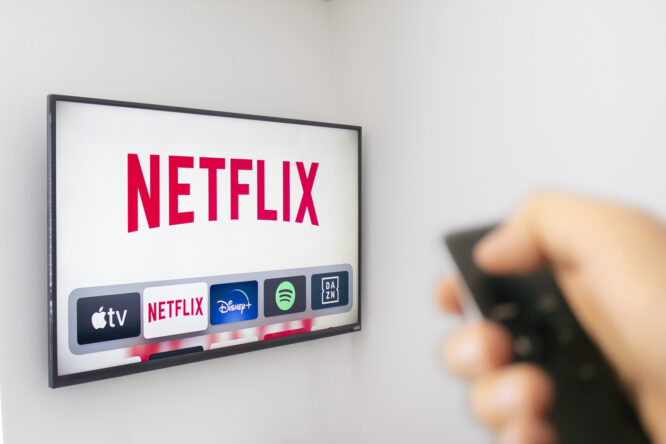
People no longer plan their evenings around what is on at nine o’clock. They open Netflix, iPlayer, or Disney Plus and pick whatever suits their mood. Streaming turned TV from a shared schedule into a personal choice. You can binge, pause, or skip adverts entirely, and once you have had that freedom, it’s hard to go back.
Even big BBC or ITV shows are now watched later online instead of live. Catch-up apps have replaced the TV guide. The excitement of watching something together has been swapped for convenience, and few people seem ready to trade it back.
The new era of British storytelling

For years, British television leaned heavily on royal dramas, safe comedies, and long-running soaps. However, the newer hits have a sharper edge. Blue Lights, for example, throws viewers into the tense world of policing in Belfast. It’s raw, emotional, and deeply human, nothing like the glossy, old-fashioned dramas that once filled Sunday nights.
Then there’s “Baby Reindeer,” the recent Netflix breakout that made people uncomfortable in all the right ways. It told a dark, personal story of obsession and trauma, filmed with honesty that few mainstream networks would have dared to touch. These shows show where British storytelling has moved, less polished, more real, and willing to get messy.
Viewers now want truth, not tradition.

Audiences have outgrown the old formulas. They do not want perfect heroes or overly scripted reality shows. They want honesty, emotion, and flaws that feel recognisable. The success of shows like “Adolescence” and “Blue Lights” prove that viewers crave authenticity more than spectacle.
That change explains why traditional channels struggle. Too many rely on comfort viewing and nostalgia, while streaming platforms experiment with stories that feel immediate and real. People would rather watch something that makes them think than another celebrity dance show.
Adverts and long waits feel ancient.

Patience for adverts or weekly cliffhangers has vanished. Viewers are used to instant access, and watching live TV feels like sitting in traffic when you have already got the keys to a faster route.
It’s not just a lack of patience, but a desire for a bit of rhythm. The pace of how we consume stories has changed. People want to feel immersed, not interrupted. That is why box sets and short series win out over long seasons stretched across months.
The internet replaced the water cooler.

Big TV moments used to be social events. Now they play out online instead. When a shocking twist happens, it’s TikTok, Reddit, and Twitter that explode, not living rooms. Clips, quotes, and reactions spread faster than any scheduled repeat ever could.
Instead of everyone watching the same show, we all share fragments. We see the funniest scenes, the arguments, the emotional bits, but rarely in order. It’s not worse, just different. The conversation moved, and TV followed.
British channels still feel too safe.

Traditional broadcasters have been slow to adapt. They still aim to please everyone, which means playing it safe. However, the world they’re making television for has changed. People want shows that reflect real life, not carefully balanced scripts designed to offend no one.
Meanwhile, streaming platforms are giving space to stories that take risks. A lot of newer dramas dive into moral grey areas that most mainstream shows would avoid. Those risks pay off because they feel honest, and honesty is what viewers remember.
Our attention is split across dozens of screens.

TV used to have your full focus. Now, it competes with your phone, laptop, and every app on them. Most people scroll while watching, so shows need to grab attention immediately. Long introductions or slow pacing just do not survive anymore.
That is why shorter series and fast-moving scripts feel modern. They keep up with how we live, fast, distracted, but always hungry for something that feels real.
We stopped watching together.

There’s something nostalgic about everyone tuning in for the same finale. That collective excitement used to make British TV special. But now, even when we watch the same shows, we do it days or weeks apart.
The freedom to choose has come at the cost of shared experience. We still talk about what we’re watching, just not in sync. It’s less like watching with the nation and more like comparing notes after the fact.
Traditional TV isn’t gone, but it’s definitely changed shape.

British TV is not dying, it’s evolving. The audience still wants great stories, they just want them on their terms. The shows leading the way now are the ones unafraid to be bold, real, and uncomfortable.
What has gone is the sense of routine. We no longer gather around the screen at a set time. But the need for stories, connection, and conversation is still there, it just lives online now, wherever we decide to press play.