Most homeowners look at their place through a very specific lens.

You see what you live with every day, what you’ve got used to, and what you’ve mentally filed under “I’ll deal with that later.” After a while, your brain just stops flagging certain things at all. They blend into the background along with the creaky step and the stiff window.
Surveyors don’t have that familiarity working against them. They walk in cold, with trained eyes and zero emotional attachment, and they notice patterns homeowners almost never clock. Small signs that point to bigger issues—details that don’t feel urgent until someone explains what they usually lead to. It’s rarely about dramatic disasters hiding in plain sight. It’s about quiet clues that get missed simply because living somewhere makes you far less objective about it.
1. Roof problems that don’t look dramatic yet
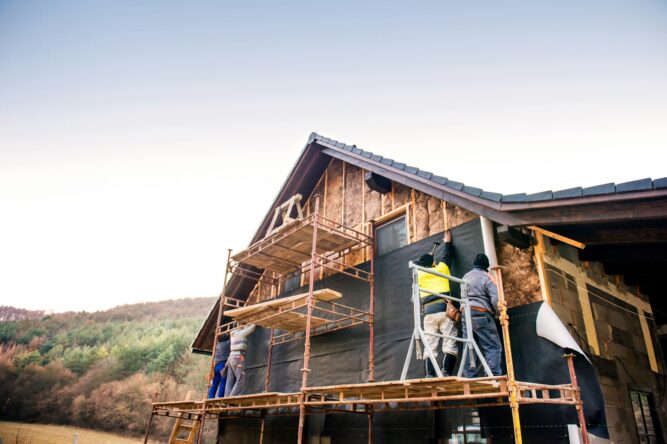
Most homeowners judge a roof with a quick glance from the garden and decide it looks fine. Surveyors take a very different approach, checking whether tiles sit evenly, if any have slipped slightly, and whether ridge tiles are starting to loosen. They pay close attention to flashing around chimneys and roof joints because even tiny gaps here let water in long before a leak shows inside.
Inside the loft, surveyors look at the condition of timbers, not just whether it’s dry on the day. Early signs of rot, insect damage, or long-term moisture exposure are easy to miss if you only poke your head up there once a year. Homeowners often don’t notice roof issues until water stains appear on ceilings, but surveyors usually spot the warning signs years earlier.
2. Damp that gets mistaken for everyday condensation

A lot of people assume damp patches are just condensation from cooking, showers, or drying clothes indoors. Surveyors don’t guess. They test walls, skirting boards, and floors to work out whether moisture is rising from the ground, soaking through from outside, or genuinely just trapped indoor humidity.
This matters because the fix depends entirely on the cause. Condensation might need better ventilation, but rising damp can mean serious work to the damp proof course and internal plaster. Homeowners often paint over patches or live with them for years, while surveyors can tell quickly when something deeper is going on.
3. Cracked or failing pointing between bricks

Hairline cracks in mortar don’t look like a big deal to most people, especially if the bricks themselves look fine. Surveyors know that damaged pointing lets water track into walls, where it causes damp, internal damage, and even frost damage in colder months.
They also look at what kind of mortar has been used. Older UK homes often need lime mortar, but many have been repointed with modern cement that traps moisture. Homeowners rarely realise this difference, but surveyors see it straight away and know how much damage it can cause over time.
4. Timber decay hidden behind paint and plaster
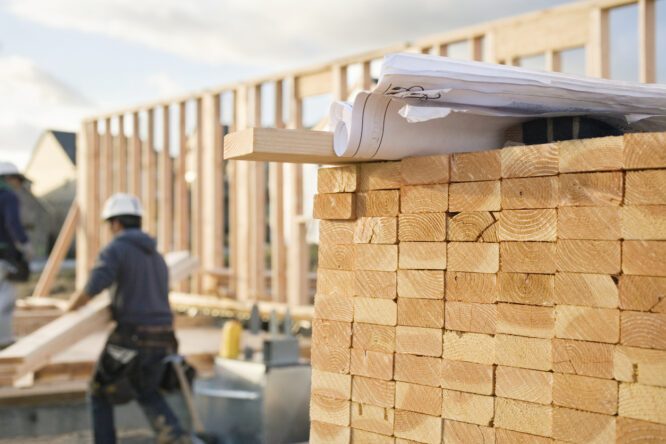
Painted wood can hide a lot. Window frames, floor joists, roof timbers, and fascia boards can look fine on the surface while slowly rotting underneath. Surveyors test timber by probing and checking vulnerable areas where moisture collects, like around downpipes or under windows.
Homeowners usually don’t notice timber decay until floors feel bouncy or windows stop opening properly. By then, repairs are bigger and more disruptive. Surveyors often pick up early decay long before it affects how the house feels day to day.
5. Drainage problems you can’t see from above ground
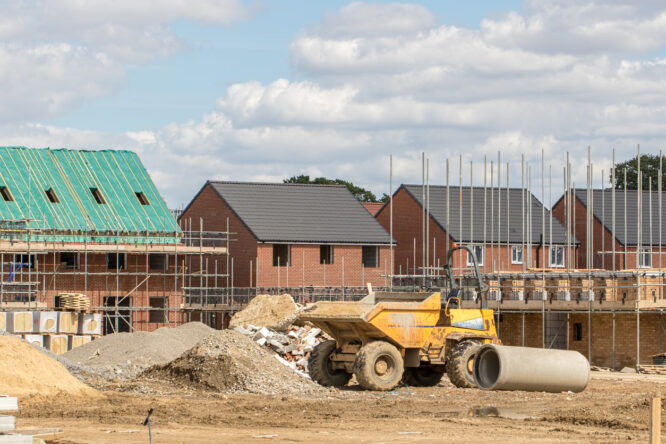
Most people don’t think about drains unless something blocks or smells. Surveyors look for subtle signs like damp ground, sunken patches in the garden, or walls that stay wet after rain. These can point to damaged or collapsed drains underground.
They also consider whether rainwater is being directed away from the house properly. Poor drainage doesn’t just cause soggy lawns, it can undermine foundations over time. Homeowners often assume drains are fine because everything still flushes, but surveyors know that problems can build quietly for years.
6. Chimney issues hidden by height and neglect

Chimneys are easy to forget about, especially if you never use the fireplace. Surveyors check whether chimney stacks are leaning, if mortar at the top is crumbling, and whether pots and caps are cracked or missing. These issues let water into the structure and can cause serious damage inside.
Inside the house, surveyors look at flues and blocked openings. An unused fireplace that hasn’t been properly sealed can still cause damp or safety issues. Homeowners often assume unused means harmless, but surveyors know chimneys need attention whether they’re used or not.
7. Early signs of structural movement
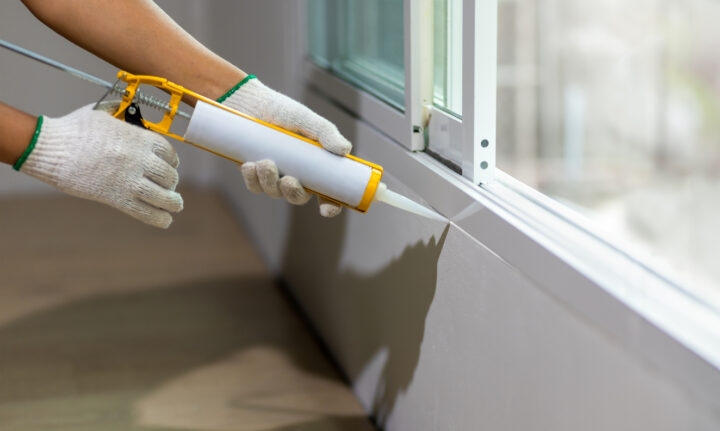
Small cracks around doors and windows often get dismissed as normal settling. Surveyors look closely at their shape, width, and direction. Certain crack patterns suggest historic or ongoing movement rather than harmless shrinkage. They also check whether walls are straight, floors are level, and doors close properly. Homeowners tend to adapt to changes slowly and stop noticing them. Surveyors compare everything objectively, which makes gradual movement much easier to spot.
8. Cavity wall insulation problems
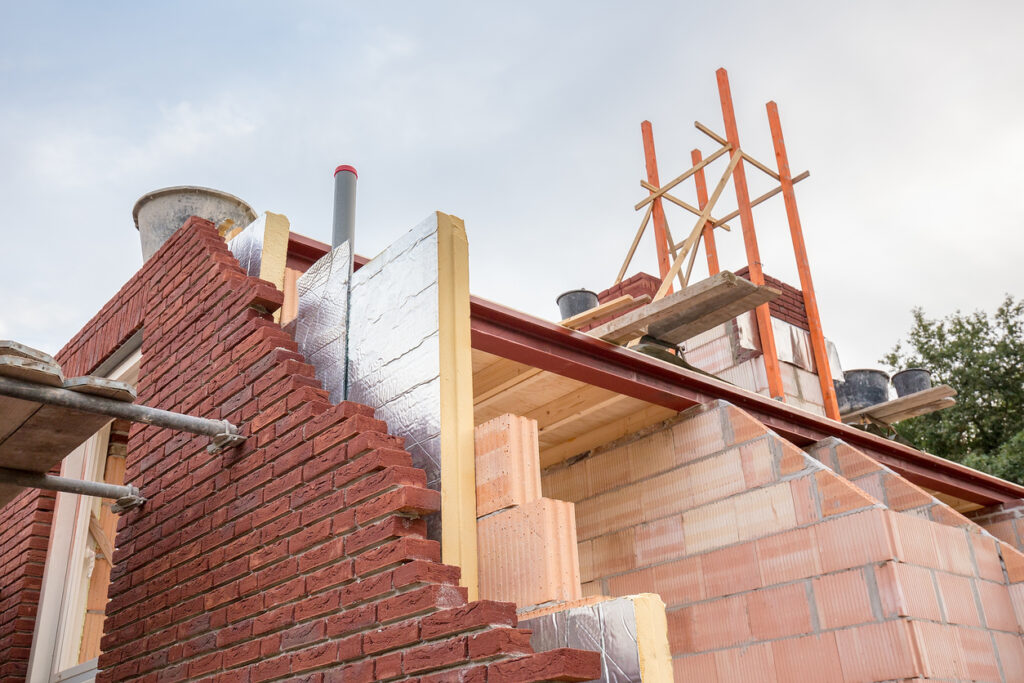
Cavity wall insulation is meant to improve warmth and efficiency, but when it’s installed badly it can cause damp. Surveyors check whether insulation has bridged gaps or blocked weep holes that should allow moisture to escape. Because insulation is hidden, homeowners often don’t connect internal damp patches with what’s inside the walls. Surveyors recognise the signs straight away and know when insulation might be doing more harm than good.
9. Windows and doors that let in water, not just draughts
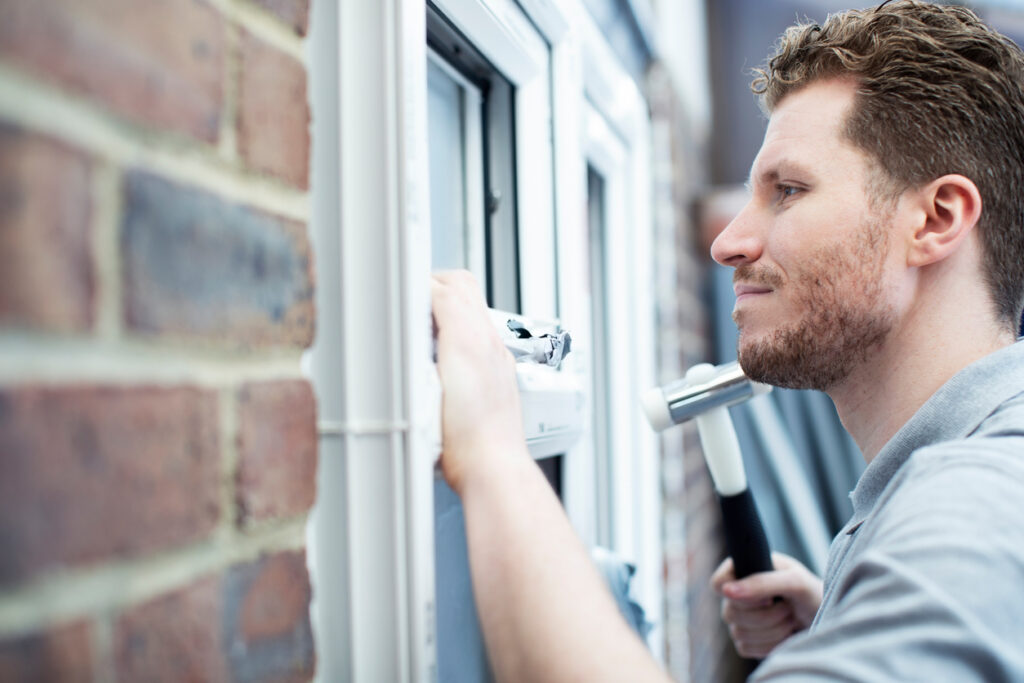
A bit of draught or stiffness is something many homeowners live with. Surveyors look at whether frames are properly sealed, whether flashing around openings is intact, and if water could be getting in during heavy rain. They also check for rot around frames that paint might be hiding. Water damage here often spreads into surrounding walls and floors. Homeowners usually only notice once paint starts bubbling or timber softens, but surveyors catch it much earlier.
10. Suspended timber floors and hidden voids

Many older UK homes have suspended timber floors with air gaps underneath. Surveyors check whether these voids are properly ventilated and dry. Poor airflow leads to damp, rot, and weakening of joists over time. Homeowners often assume creaky or uneven floors are just part of an old house. Surveyors look underneath to see if there’s a deeper issue developing, especially where plumbing or poor ground drainage is involved.
11. Gutters and flashings that look fine from ground level
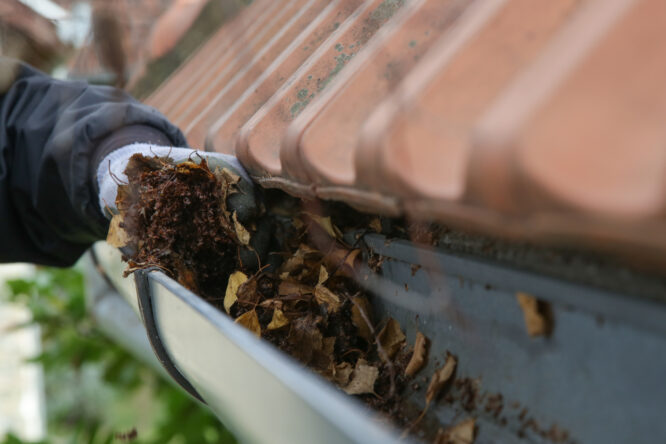
A gutter can look perfectly fine until heavy rain hits. Surveyors check whether gutters slope correctly, if joints leak, and whether water is spilling onto walls instead of flowing into drains. They also inspect flashings where roofs meet walls and chimneys. These areas fail slowly and quietly, causing damp inside long before obvious leaks appear. Homeowners rarely notice until staining shows up indoors.
12. Boundary walls and nearby trees affecting the house
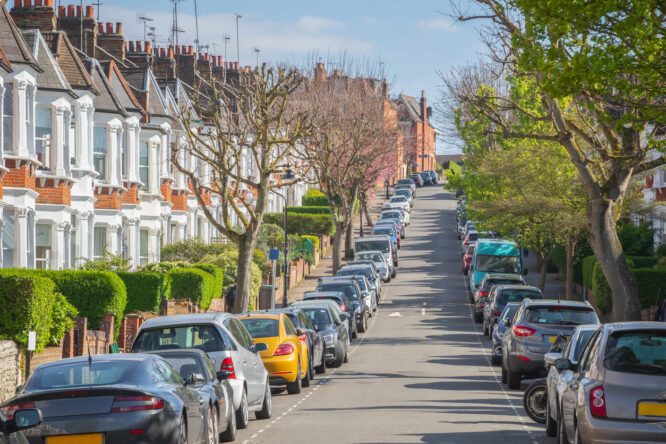
Surveyors don’t stop at the front door. They check boundary walls, fences, and nearby trees to see how they might affect drainage and foundations. Leaning walls or large roots close to the house can cause long-term movement. Homeowners often focus on how nice the garden looks, not what’s happening beneath it. Surveyors think about how water flows, where roots spread, and how those factors affect the structure over time.
13. Loft insulation that causes as many problems as it solves
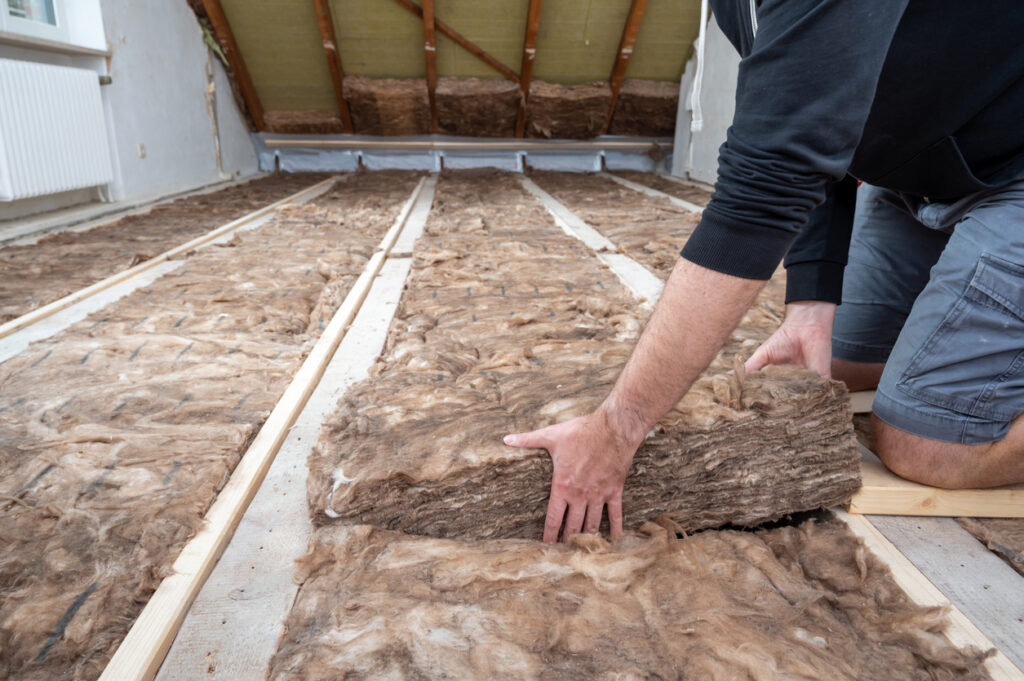
Loft insulation is supposed to reduce heat loss, but surveyors check whether it’s laid evenly and hasn’t blocked ventilation. Poorly installed insulation traps moisture and can lead to rot in roof timbers. Older insulation can also be compressed or contaminated, making it far less effective than homeowners realise. Surveyors assess both the amount and condition, not just whether insulation is present.
14. Damp proof courses that have been bridged
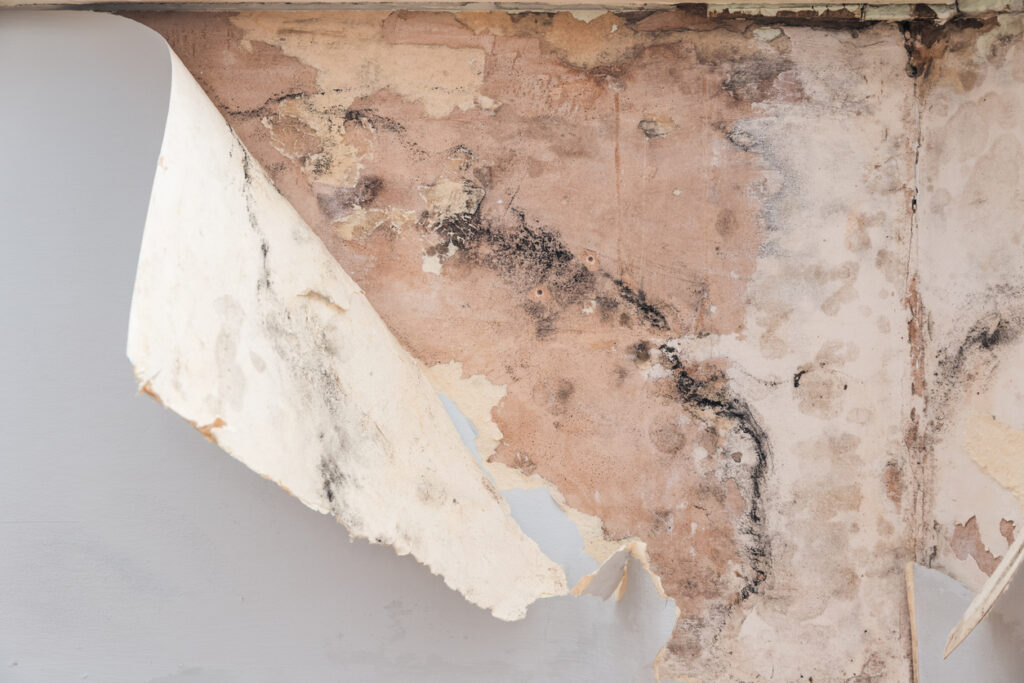
Damp proof courses are only effective if they’re clear and visible. Surveyors check whether soil, patios, decking, or render have been built up above the DPC, allowing moisture to bypass it. Homeowners often add garden features or paving without realising the impact. Surveyors spot these issues quickly and understand how easily small changes outside can cause damp problems inside.
15. Fresh paint and render hiding underlying issues
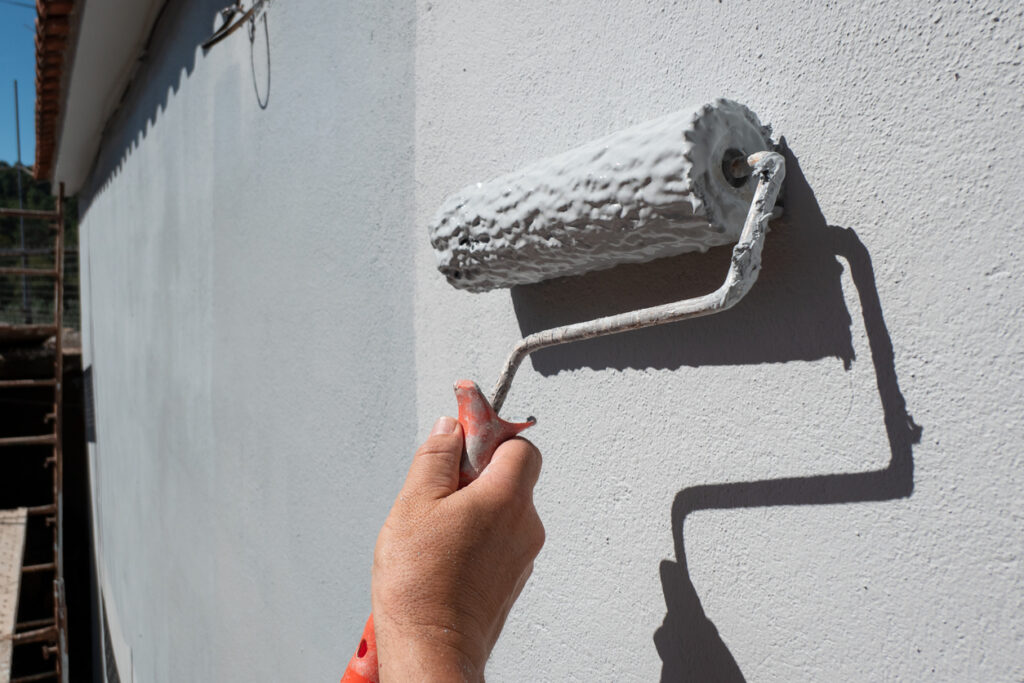
A freshly painted or rendered exterior looks reassuring, but surveyors are cautious. They tap surfaces, check edges, and look for signs that cosmetic work may be covering cracks, damp, or poor repairs. Homeowners tend to trust what looks neat and new. Surveyors assume nothing and focus on what’s underneath, knowing that surface finishes often hide problems rather than fix them.
Surveyors aren’t trying to be negative or alarmist. They’re trained to look past what feels familiar and comfortable and notice the small clues that point to future trouble. Understanding what they see gives homeowners a clearer picture of their property and far fewer surprises down the line.