We’ve all had those nights where the idea of cooking feels like a massive chore and the only solution is scrolling through Uber Eats.
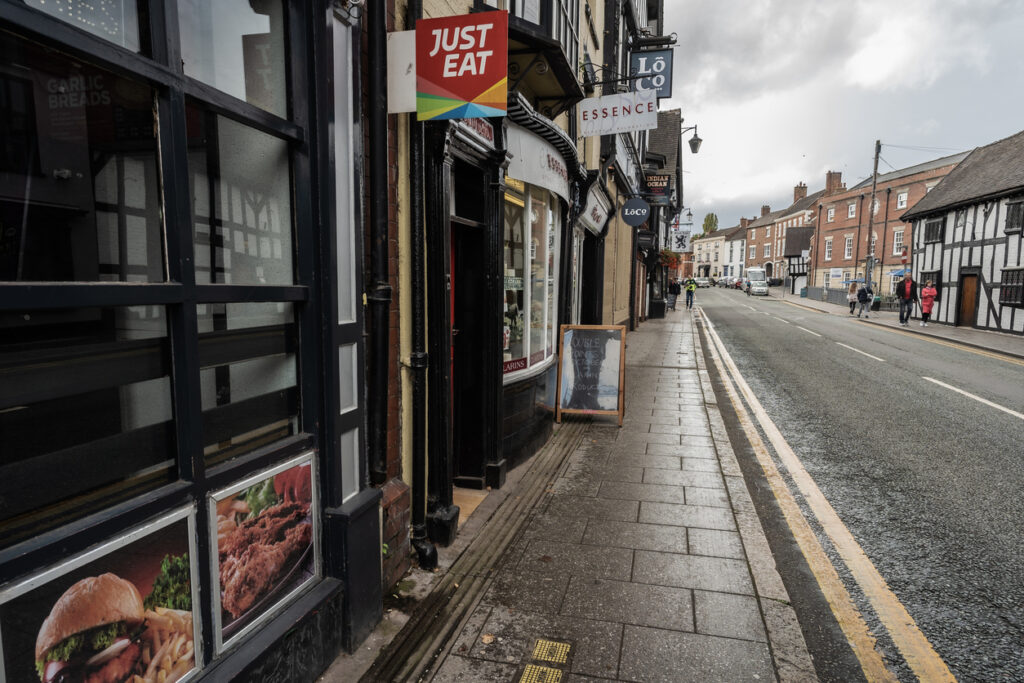
There’s something incredibly satisfying about a meal that arrives at your door in a brown paper bag, but most of us prefer not to think too hard about what’s actually happening behind the scenes. We’re happy to pay for the convenience, but that ease often comes with a hidden cost that goes way beyond the delivery fee and the tip.
If you took a proper look at how that food is actually put together—the ingredients used to keep costs down, the massive amounts of salt and sugar hidden in the sauces, and the hygiene standards that aren’t always what they should be—that Friday night treat might start to look a lot less appealing. It isn’t just about the calories; it’s about the reality of an industry that prioritises speed and profit over your long-term health. These truths about the takeaway world might be enough to make you delete the apps for good.
Only half of takeaways get the top hygiene rating.
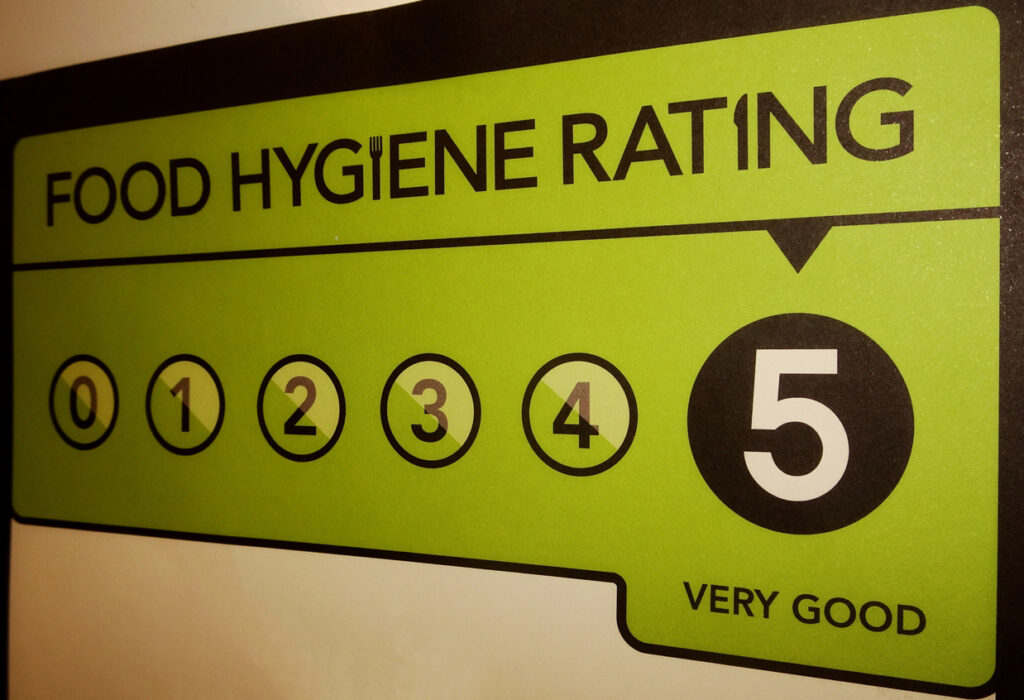
Just 52% of takeaways in the UK achieve the highest food hygiene rating of 5, compared to 62% of restaurants. Takeaways have more volume going through their kitchens and the pressure to get food out fast, which means corners get cut. One in 10 fried chicken shops failed their latest inspection, and over 800 Chinese takeaways have failed food safety checks.
The problem is worse in cities like London, where more than one in four takeaways scored a 3 or lower on hygiene ratings, meaning there are serious issues that need fixing.
Dark kitchens are harder to regulate and often go undetected.
Ghost kitchens or dark kitchens have exploded across the UK, growing from fewer than 1,000 to over 5,500 facilities, but they’re operating in a regulatory grey area. These delivery-only operations have no storefront so environmental health officers struggle to find them, and they often use multiple trading names on apps, which makes tracking them nearly impossible.
They generate two to three times more waste cooking oil per square foot than traditional restaurants because they focus heavily on fried foods, and the lack of guidance from the Food Standards Agency means inspections are inconsistent. You might think you’re ordering from five different restaurants when it’s actually the same grimy kitchen operating under multiple brands.
The average takeaway meal contains more than double the recommended calories.
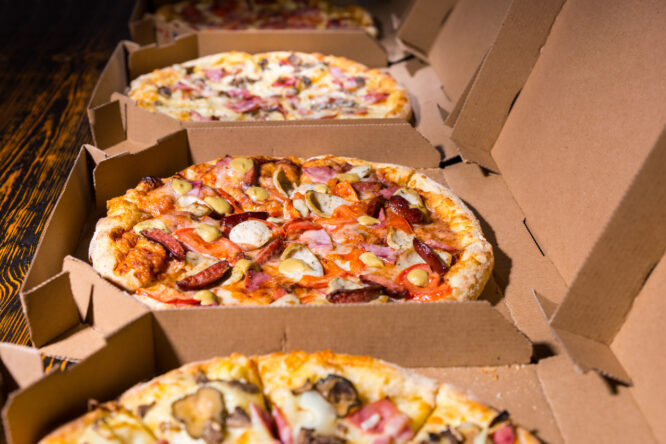
A massive study testing 600 takeaway meals from independent outlets across six UK cities found that 99% exceeded the recommended 600 calories per meal. The average meal contained 1,289 calories, and 57% of meals had more than double the recommended amount. Some meals even exceeded 2,250 calories, which is an entire day’s worth of food in one sitting.
When you order what seems like a normal portion, you’re actually getting enough calories to sustain you for most of the day, but without the nutritional value your body actually needs.
Cooking oil gets reused far more than you’d like to know.
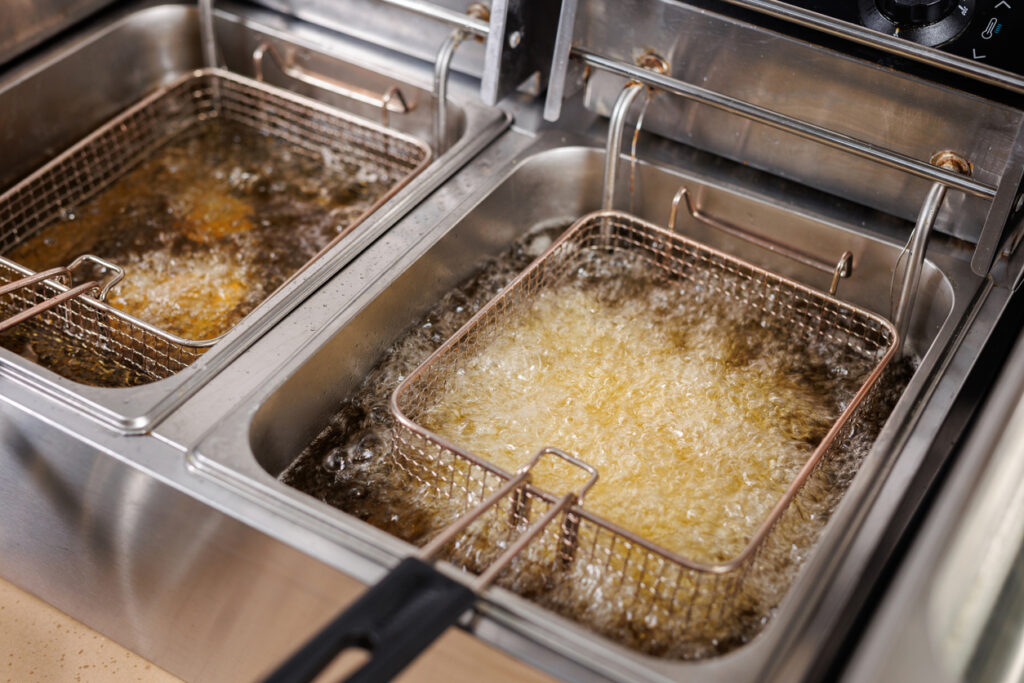
Commercial kitchens commonly reuse frying oil to cut costs, but each time oil is heated it breaks down and produces harmful compounds like aldehydes, free radicals and trans fats. These substances have been linked to inflammation and long-term health risks, yet there’s no strict regulation on how many times oil can be reused before disposal.
The oil gets darker and thicker with each use, foam builds up on top, and the smell shifts from neutral to stale, but many places keep using it until it’s practically black. When oil smells rancid or smokes excessively, it should be binned, but the financial pressure to stretch every penny means some takeaways push it well past that point.
MSG is in far more dishes than you realise.
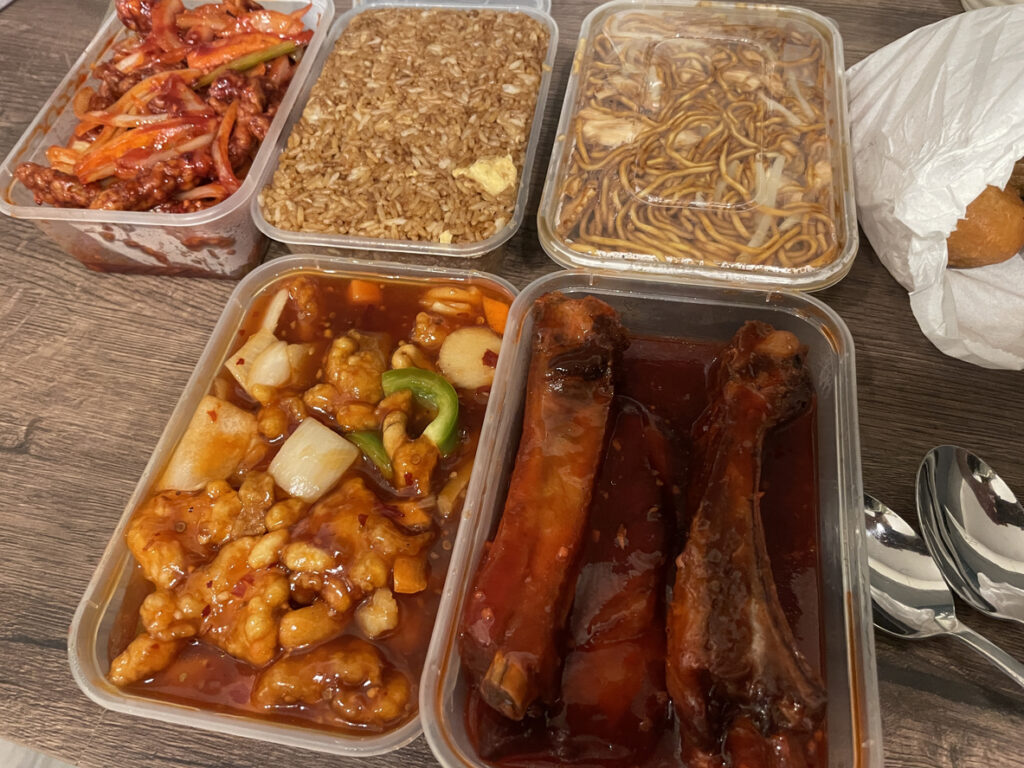
Monosodium glutamate gets added to loads of takeaway food because it enhances flavour cheaply and makes everything taste more satisfying. Chinese food is notorious for it, but it’s also in Indian curries, fried chicken, pizza toppings and kebab seasonings.
Some people are genuinely sensitive to MSG and experience headaches or other reactions, and researchers have linked extensive use to disruptions in the central nervous system and liver function. The problem is that you often have no idea it’s there because it’s not listed on menus, so if you’re trying to avoid it you’re basically gambling every time you order.
Your food’s been sitting around longer than you think.
Dark kitchens and busy takeaways prep food in batches during quiet periods, which means that chicken tikka or sweet and sour pork might have been cooked hours before you ordered it. It gets reheated when your order comes through, and while that’s technically fine from a food safety perspective, it destroys texture and flavour.
Rice is particularly dodgy because it needs to be cooled and stored properly within specific timeframes to avoid bacterial growth, but in high-pressure kitchens those rules don’t always get followed. Leftovers should be eaten or frozen within two days, one day for rice dishes, but there’s no way to know how long ago your rice was actually cooked.
Most curry houses cook everything in ghee, which is pure fat.
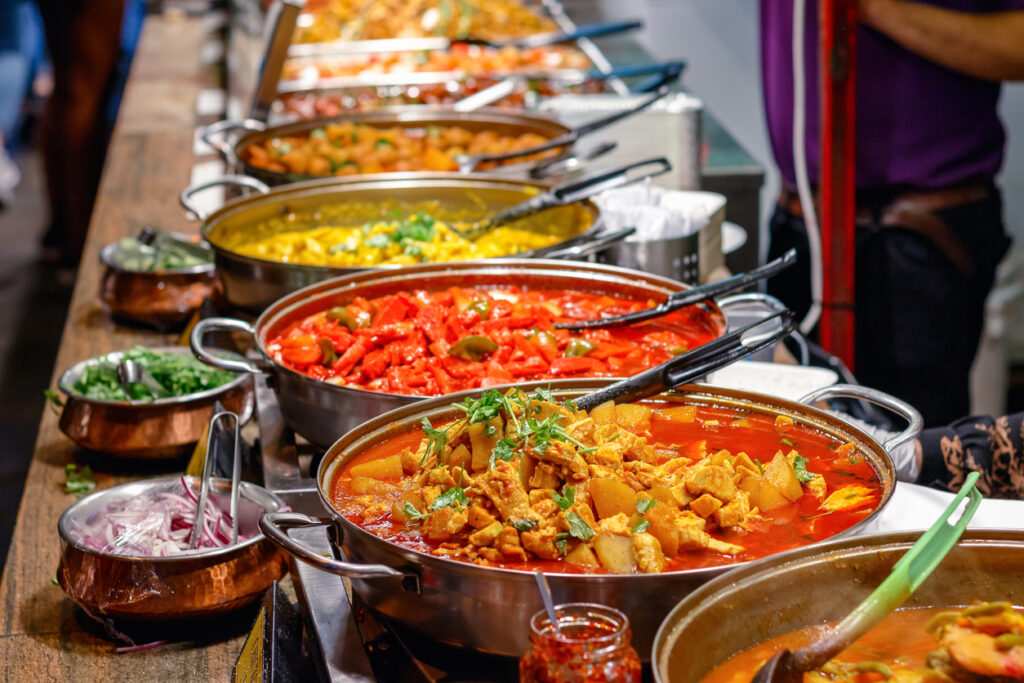
Indian takeaways seem healthy because they’re full of spices and vegetables, but most dishes are cooked in ghee, which is clarified butter and absolutely loaded with saturated fat. Even the rice isn’t safe because pilau and biryani are fried rather than boiled, and they contain other fatty ingredients that pile on the calories.
A standard curry can easily hit over 1,000 calories before you’ve even added the rice or naan, and the salt content is through the roof. The portion sizes are massive too, so even if you think you’re being moderate, you’re probably eating way more than you intended.
Birmingham has the worst food hygiene in the UK.

If you live in Birmingham, you’re statistically more likely to eat from a takeaway with poor hygiene standards than anywhere else in Britain. The city has an average food hygiene rating of just 3.79, with Waltham Forest and Rhondda Cynon Taff close behind.
London boroughs like Newham, Ealing and Waltham Forest all score below 4, which means there are consistent problems that aren’t being fixed. The Isles of Scilly, Dorset and Stockton-On-Tees have the best hygiene ratings, but most people don’t live in those areas so they’re stuck rolling the dice with dodgy establishments.
Kebabs contain a week’s worth of fat and salt in one meal.
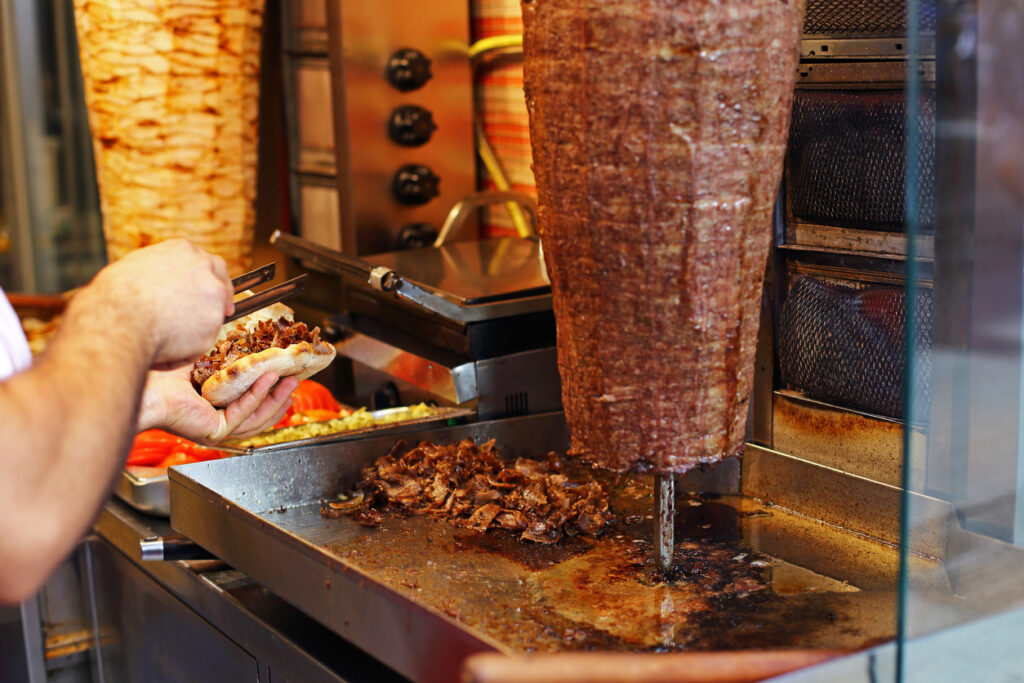
That doner kebab you grab after a night out isn’t just greasy, it’s genuinely dangerous from a nutritional standpoint. A single kebab can contain a week’s worth of saturated fat and salt, and the processed meat is often mechanically recovered rather than being actual cuts of meat.
The garlic sauce that goes on top adds another few hundred calories and even more fat, and the whole thing is designed to taste incredible when you’re drunk because it’s basically pure fat, salt and sugar. Chicken shish kebabs are slightly better, but they’re still cooked on equipment that’s covered in grease from all the other meat.
Food inspections happen without warning, but some places know how to game the system.
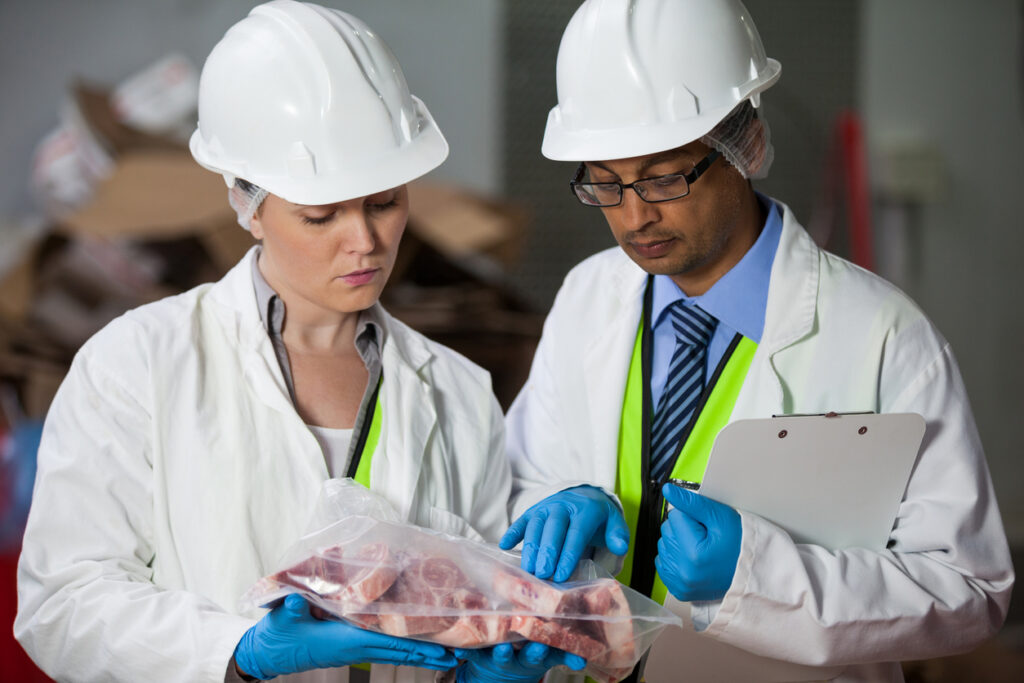
Environmental health officers are supposed to turn up unannounced, but takeaways that have been around for a while know roughly when to expect them based on their previous rating and inspection schedule. Some places do a big clean-up when they think an inspection is due, then let standards slip immediately afterwards.
There are also takeaways that simply don’t register their business properly or operate under the radar, which means they never get inspected at all. Dark kitchens are particularly bad for this because they’re hidden away in industrial units with no visible signage, so regulators don’t even know they exist.
Pizza dipping sauces contain nearly 700 calories on their own.

When you order pizza and add a garlic and herb dip, you’re adding nearly 700 calories of pure fat and salt to your meal without even realising it. These sauces are basically butter mixed with flavouring, and they’re designed to be so tasty that you end up using the whole pot.
The pizza itself is already loaded with cheese and processed toppings like pepperoni, which are high in saturated fats and MSG, so by the time you’ve finished eating you’ve consumed well over 2,000 calories. Deep pan pizzas are even worse because the thicker base means more dough, more cheese and more calories across the board.
Fried chicken places have the worst hygiene record of any takeaway type.
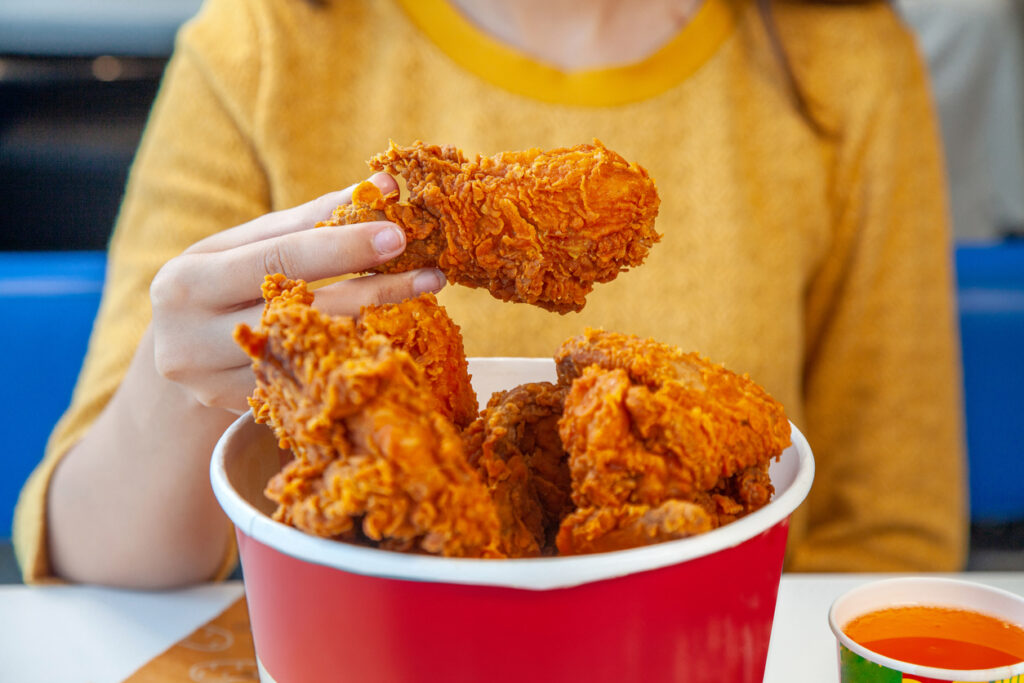
One in 10 fried chicken shops failed their latest food safety inspection, giving them the worst average rating of any takeaway category at just 3.91. These places are often independently run with minimal staff training and high turnover, which creates perfect conditions for poor hygiene standards.
Chicken is particularly risky because it needs to be cooked thoroughly to kill bacteria, but fryers that aren’t maintained properly or oil that’s been used too many times can mean the outside looks crispy while the inside is still undercooked. Inspectors have found everything from cockroaches to dirty equipment to complete lack of hand-washing facilities.
Your delivery driver has zero food safety training.
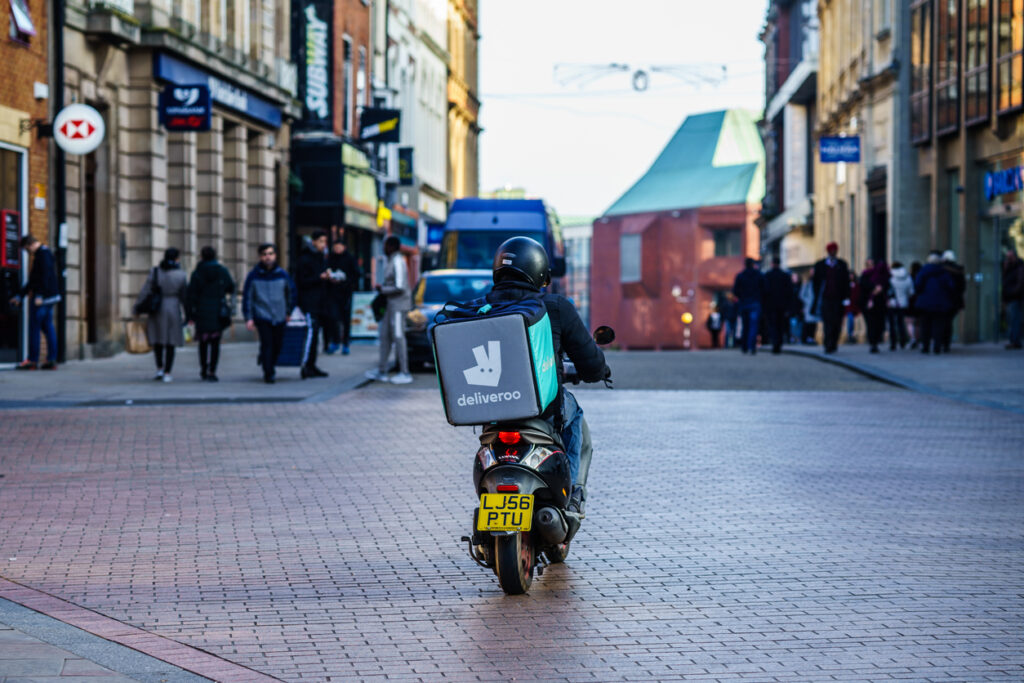
Once your food leaves the kitchen, it’s in the hands of a delivery driver who has probably never had any food hygiene training whatsoever. They’re carrying your meal in insulated bags that might not be cleaned properly between deliveries, and there’s no regulation about how long food can sit in their bag before it reaches you.
If they’re doing multiple drop-offs, your food could be sitting around getting cold and potentially unsafe for 30 minutes or more. Temperature control is crucial for food safety, but there’s absolutely no oversight of what happens during delivery, so you’re just trusting that the driver is doing their best with equipment that may or may not be fit for purpose.