A lot of people love to have a go at British cooking, acting as if our national menu is just a beige pile of sadness.

If you’re the type who’d genuinely choose a plate of kippers or a massive helping of black pudding over some trendy smashed avocado, you’ve probably spent your life being told your tastes are a bit grim. However, there’s a certain pride in sticking to the stuff that actually sustained generations before us.
These dishes aren’t aimed at being fancy or looking good for a photo; they’re bold, punchy flavours that don’t apologise for being a bit intense. If your go-to comfort food involves jellied eels or a spread of Gentleman’s Relish, you’re not just eccentric; you’re keeping a proper, historical palate alive that most people have become too squeamish to handle.
1. Black pudding at breakfast
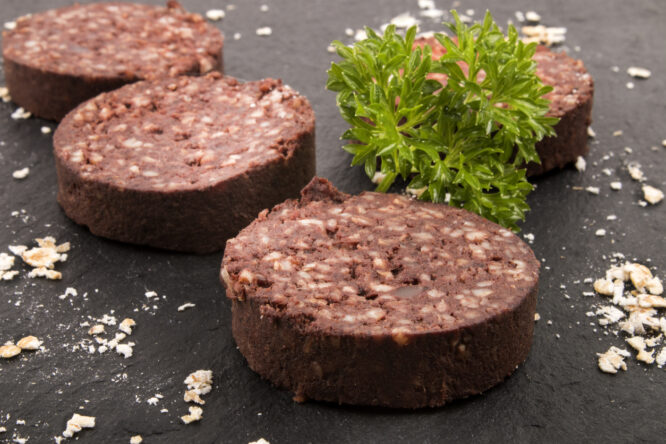
Most people are put off the moment they learn it’s made from blood, but if you love black pudding as part of a full English, you’re eating something that’s been a British staple for centuries. The rich, earthy flavour and crumbly texture aren’t for everyone, but appreciating it means you understand traditional British cooking wasn’t about prettiness or comfort. It was about using every part of the animal and creating something genuinely tasty from ingredients others would waste.
2. Jellied eels without hesitation
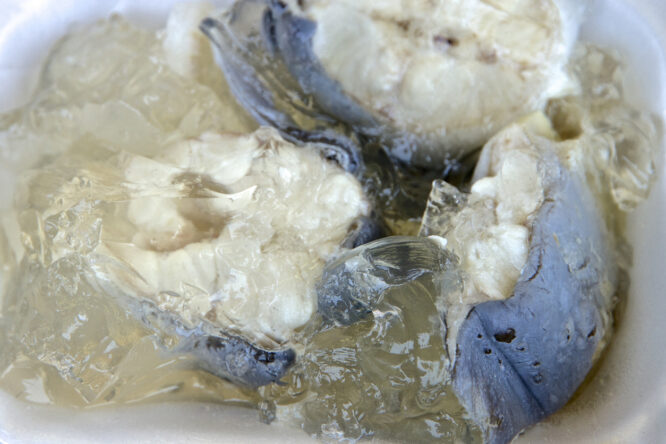
This is proper East End London food that most modern Brits won’t touch. If you can eat jellied eels and actually enjoy them, your palate is traditionally British in a way that’s almost extinct. The gelatinous texture puts people off immediately, but it’s been a working-class staple in London for generations. Liking them means you’re not squeamish about food that looks odd or has unusual textures, which is pretty essential for appreciating older British cuisine.
3. Marmite on toast every morning

The “love it or hate it” divide is real, and if you’re firmly in the love camp, you’ve got a taste for the intense, salty flavours that characterise a lot of traditional British food. Marmite isn’t subtle or apologetic about what it is. Spreading it thick on buttered toast and genuinely enjoying that powerful yeast extract flavour shows you appreciate the bold, uncompromising tastes that defined British breakfast tables for decades.
4. Tripe cooked properly
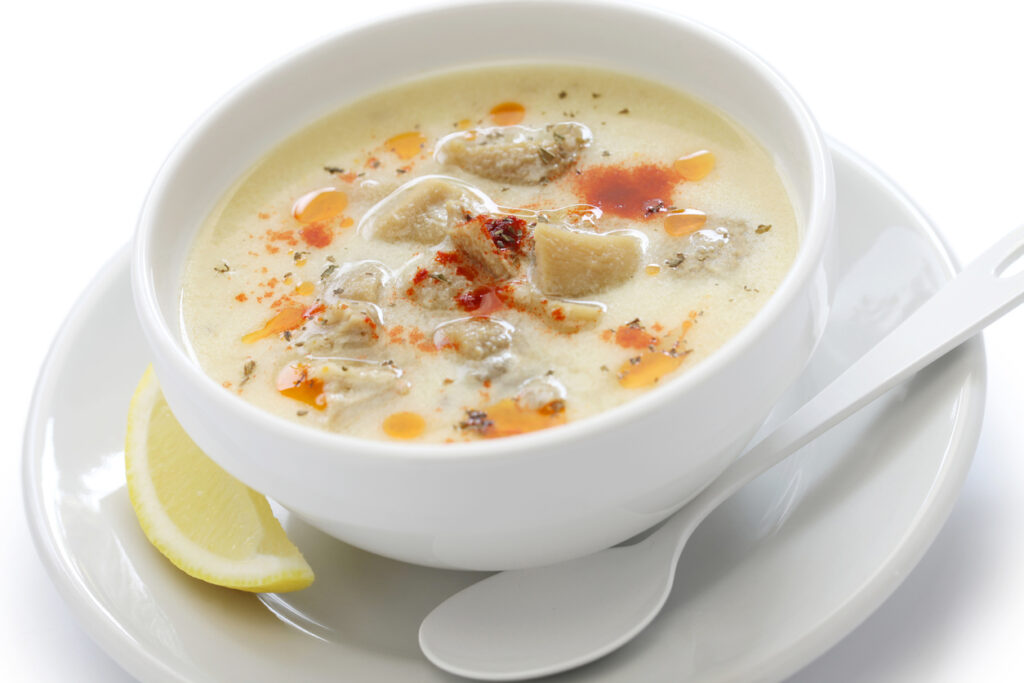
Eating cow stomach isn’t fashionable anymore, and most young British people have never even tried it. If you like tripe, especially done the traditional way with onions and milk, you’re eating something your great-grandparents would have considered normal food. The texture is the main barrier for most people, but once you get past that, tripe has a subtle flavour that works beautifully with the right seasonings. It’s fallen out of favour because it requires skill to prepare and people aren’t willing to try it.
5. Haggis without being Scottish
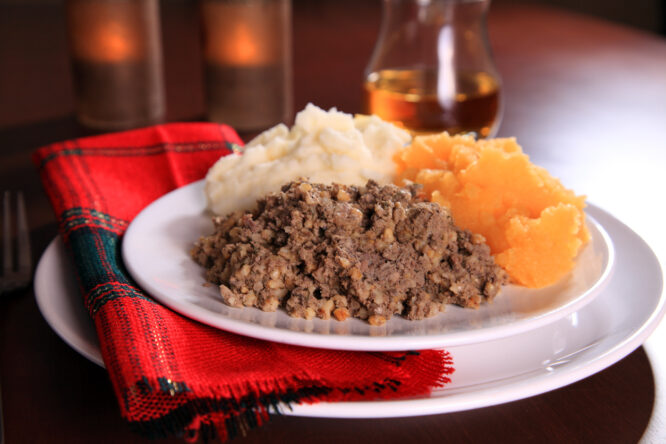
Haggis gets a pass because it’s tied to Scottish identity, but if you’re English and genuinely love it, you’re demonstrating a palate that doesn’t need familiar ingredients to enjoy something. Sheep organs mixed with oatmeal and spices isn’t an easy sell, but the rich, peppery flavour is fantastic when it’s done well. Appreciating haggis means you’re not put off by unconventional ingredients or the slightly grainy texture that makes some people refuse to try it.
6. Spotted dck with proper custard
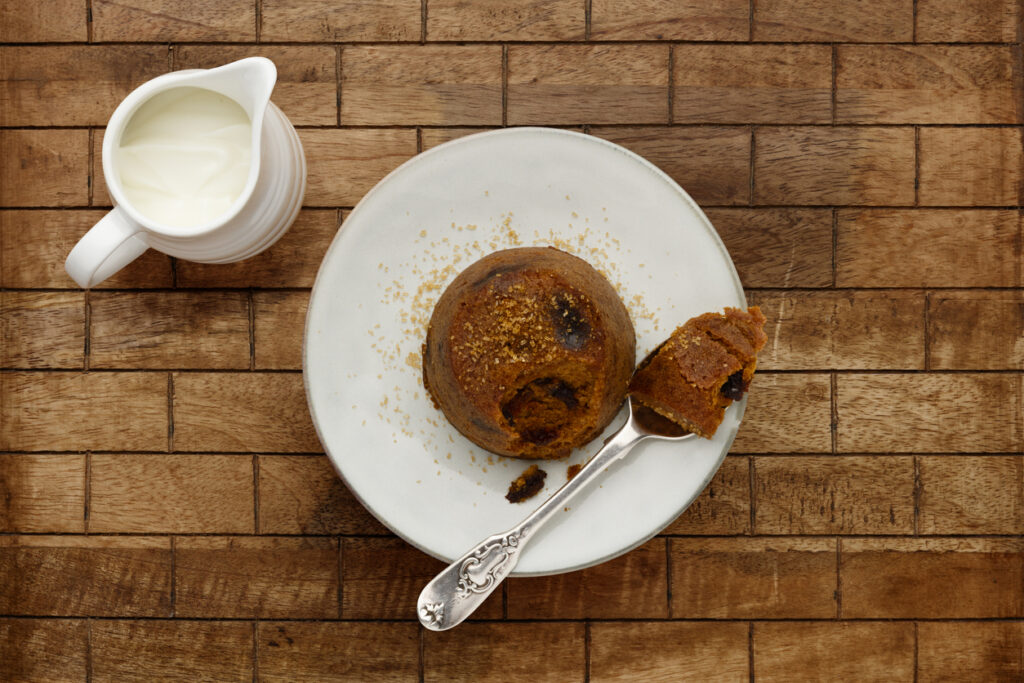
The name alone makes people giggle, but this is a classic British pudding that deserves respect. If you love the dense, sweet suet pudding studded with dried fruit and smothered in custard, you’re eating something that’s been served at British tables since the 1800s. Modern desserts are lighter and more refined, but it’s hearty and filling in a way that reflects traditional British cooking’s practical, no-nonsense approach to food.
7. Fggots in gravy
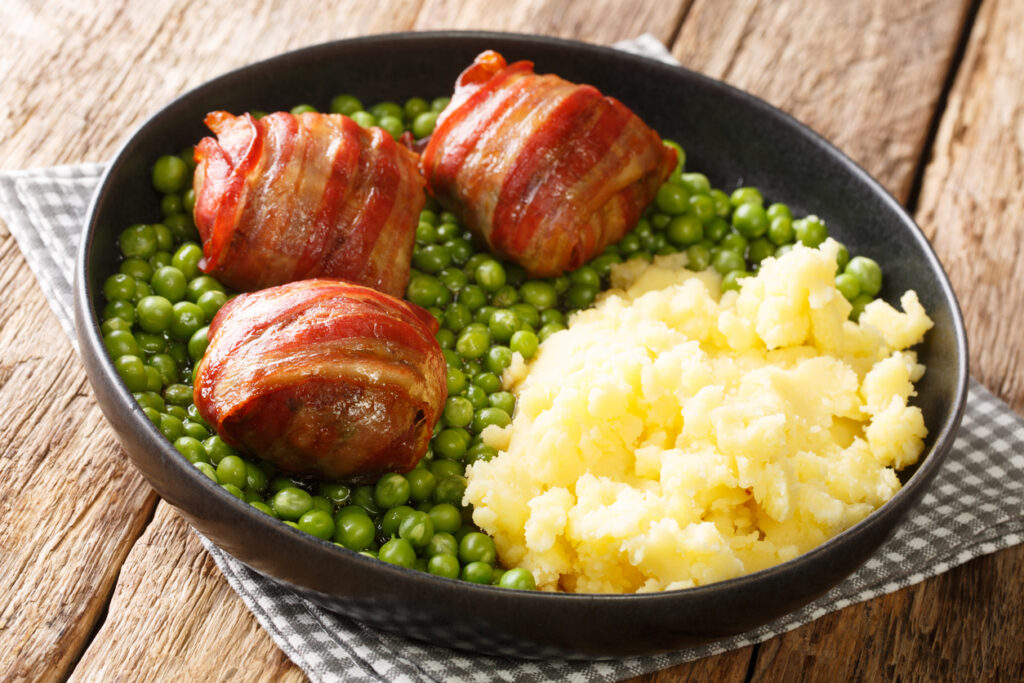
Another name that causes problems, but these are traditional meatballs made from offal, and they’re delicious if you’re not squeamish. They’re rich, savoury, and typically served with mushy peas and gravy in proper working-class style. If you order them at a pub and enjoy them, you’re eating food that most modern Brits have abandoned because they can’t get past what goes into them. Your willingness to eat offal marks you as someone with genuinely traditional tastes.
8. Laverbread from Wales
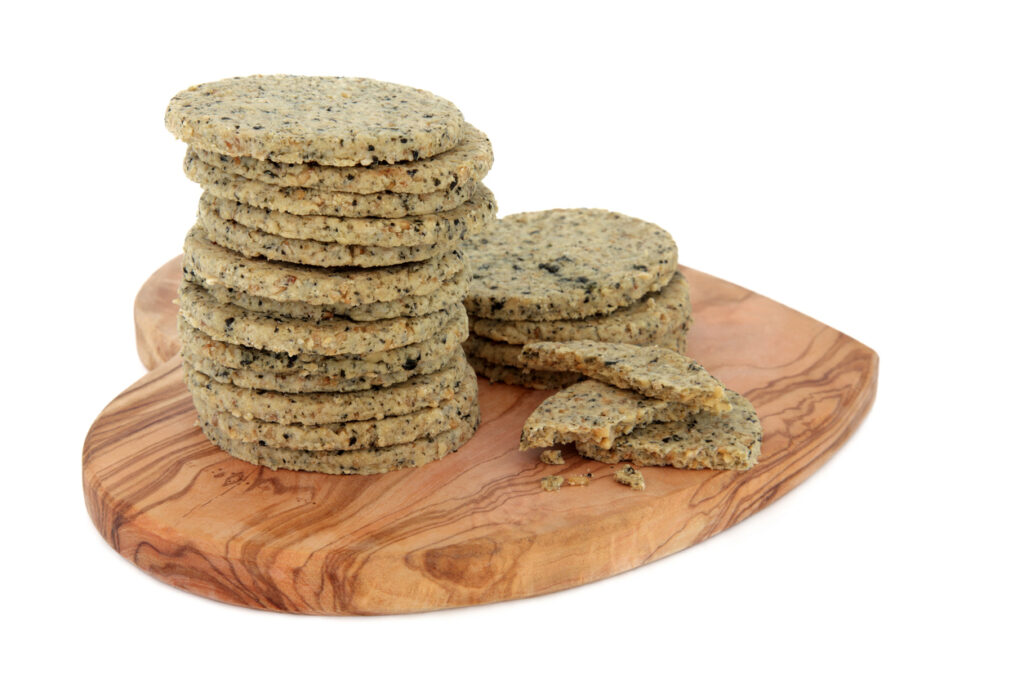
This seaweed-based dish looks like green slime and tastes intensely of the sea, so it’s not winning any popularity contests. If you like laverbread, especially fried up with bacon for breakfast, you’ve got a palate for the kind of regional British food that’s almost disappeared. It’s nutritious and flavourful, but the appearance and strong marine taste put most people off before they even try it. Appreciating it means you’re open to foods that challenge modern expectations of what should be edible.
9. Stargazy pie with whole fish
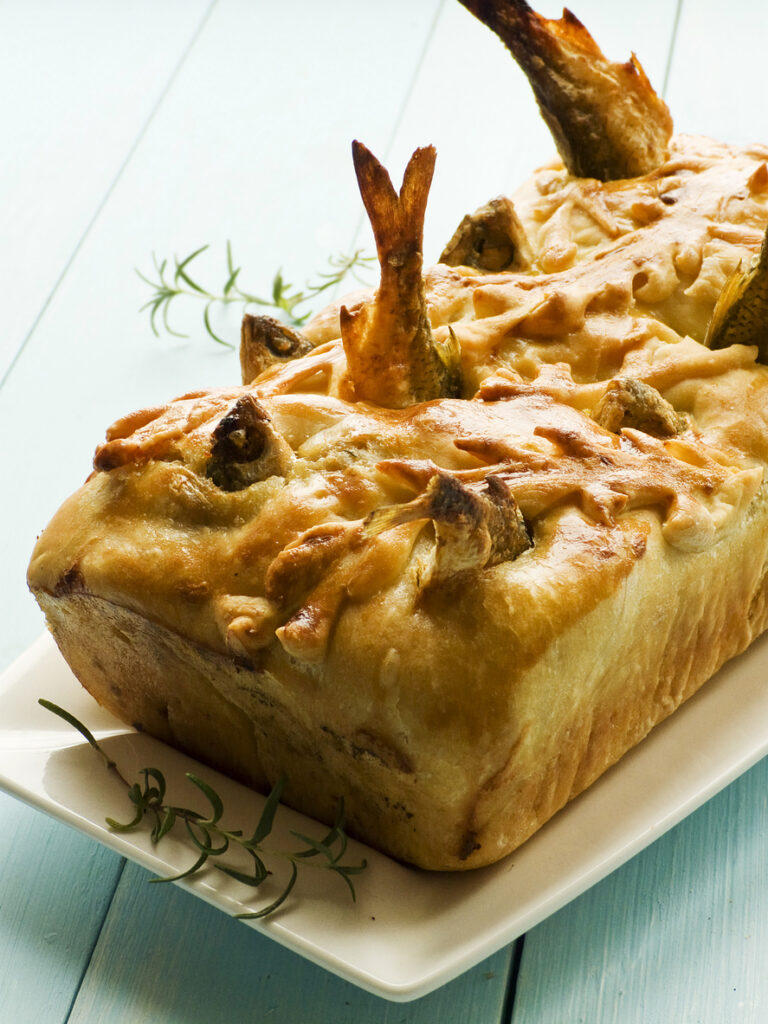
The fish heads poking through the pastry crust make this Cornish dish look absolutely bizarre, but if you can eat it without being put off, you’re embracing traditional British cooking at its most unapologetic. The whole point is using every bit of the fish, including letting the oils from the heads flavour the filling. It’s practical, traditional, and completely at odds with modern ideas about food presentation. Liking it shows you prioritise flavour and tradition over aesthetics.
10. Pease pudding as a side dish
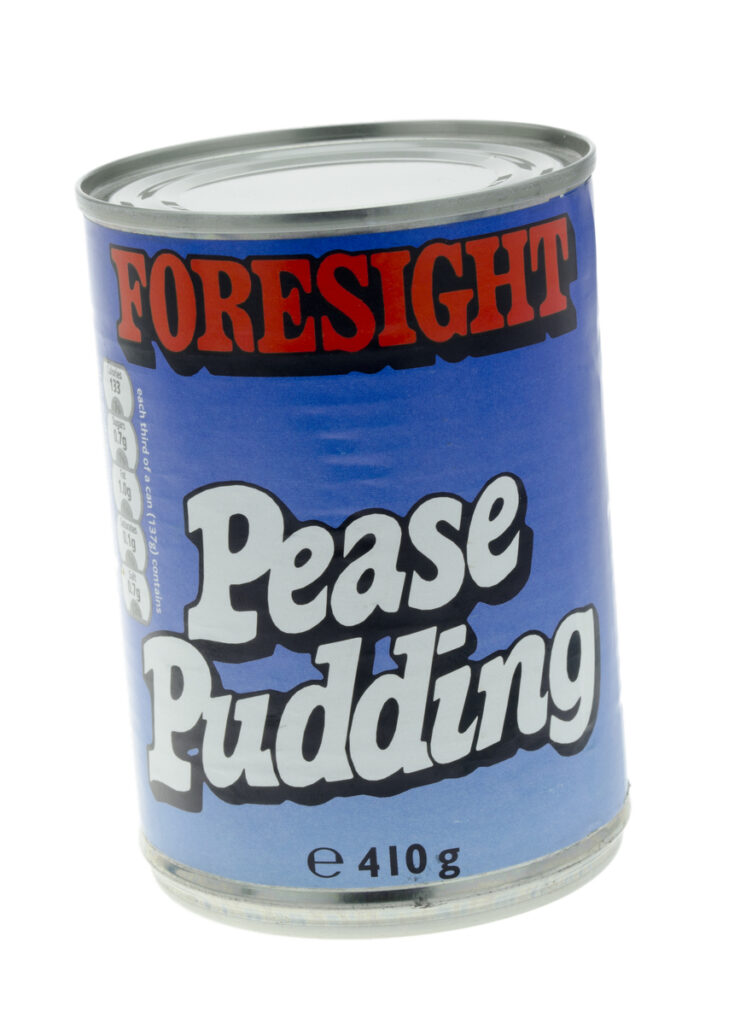
This split pea dish has been a British staple since medieval times, but now it’s mostly found in the North East. If you genuinely enjoy pease pudding, especially spread on bread or served with ham, you’re eating something that’s fallen off most British menus entirely. The thick, porridge-like texture isn’t appealing to everyone, but the earthy, slightly sweet flavour is comforting in a very traditional way. It’s peasant food that doesn’t pretend to be anything else.
11. Bread sauce with roast chicken
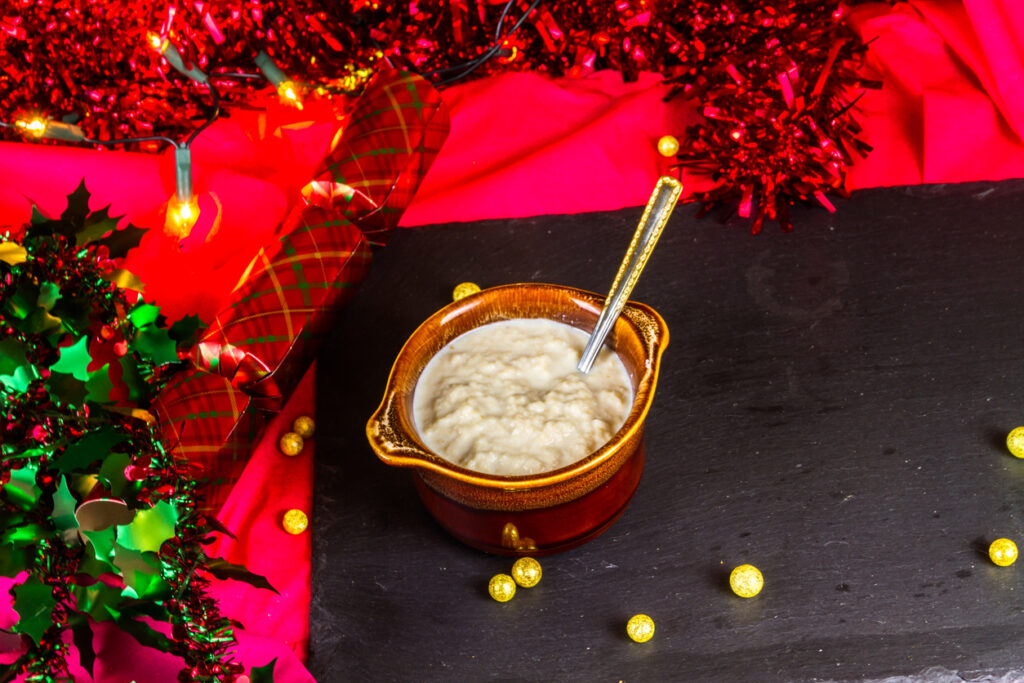
Foreigners find this absolutely baffling, and even many modern Brits skip it. If you insist on having bread sauce with your roast, you’re following a tradition that dates back centuries. It’s simple, stodgy, and not particularly exciting, but it adds a creamy, slightly oniony element to roast dinners that traditional cooks considered essential. Making it from scratch and serving it proudly shows you value old British cooking methods.
12. Mint sauce drowning your lamb
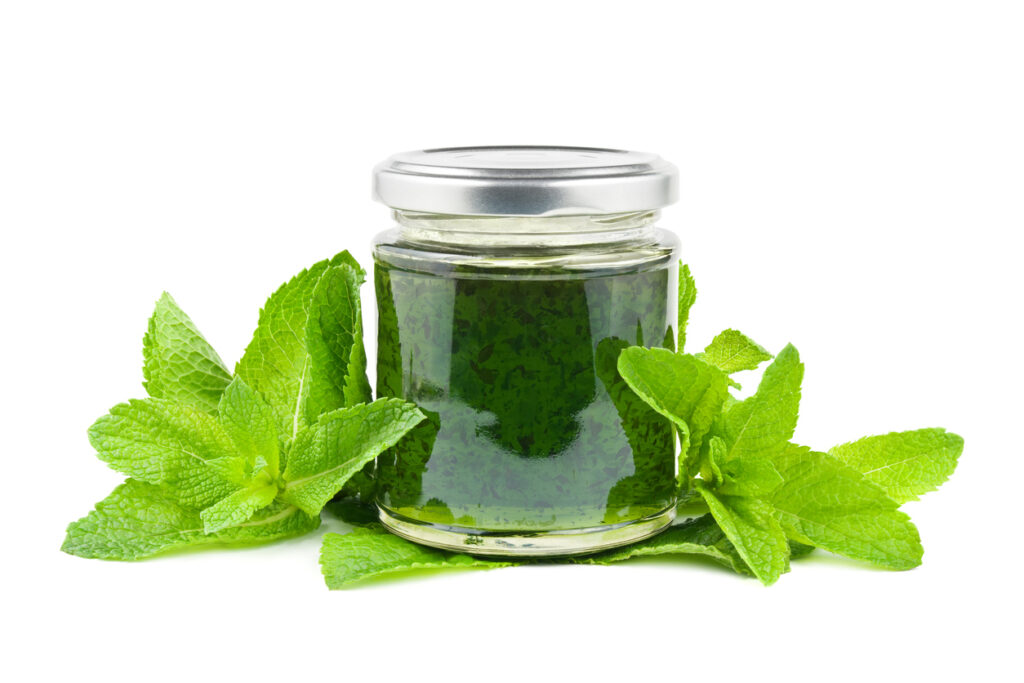
The British obsession with mint sauce on lamb confuses people from other countries, who use garlic and herbs instead. If you pile it on without apology, you’re following a distinctly British tradition that prioritises sharp, acidic flavours to cut through rich meat. It’s not subtle or sophisticated, but it works, and loving it means you appreciate the straightforward flavour combinations that define traditional British cooking.
13. Mushy peas as a deliberate choice
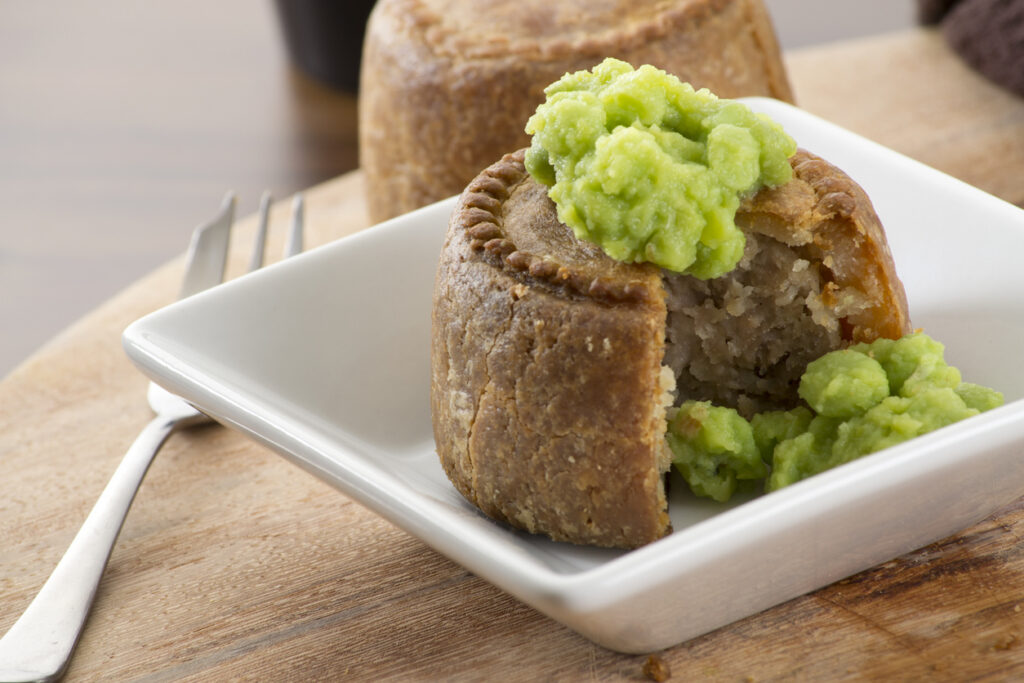
These aren’t just regular peas that got overcooked, they’re a specific type of pea preparation that’s been traditional in Britain for generations. If you actively want mushy peas with your fish and chips instead of regular peas or nothing at all, you understand that the slightly grainy, mild flavour complements fried food perfectly. Most people see them as unappetising mush, but if you grew up with them, they’re an essential part of certain meals.
14. Pickled eggs from the pub jar
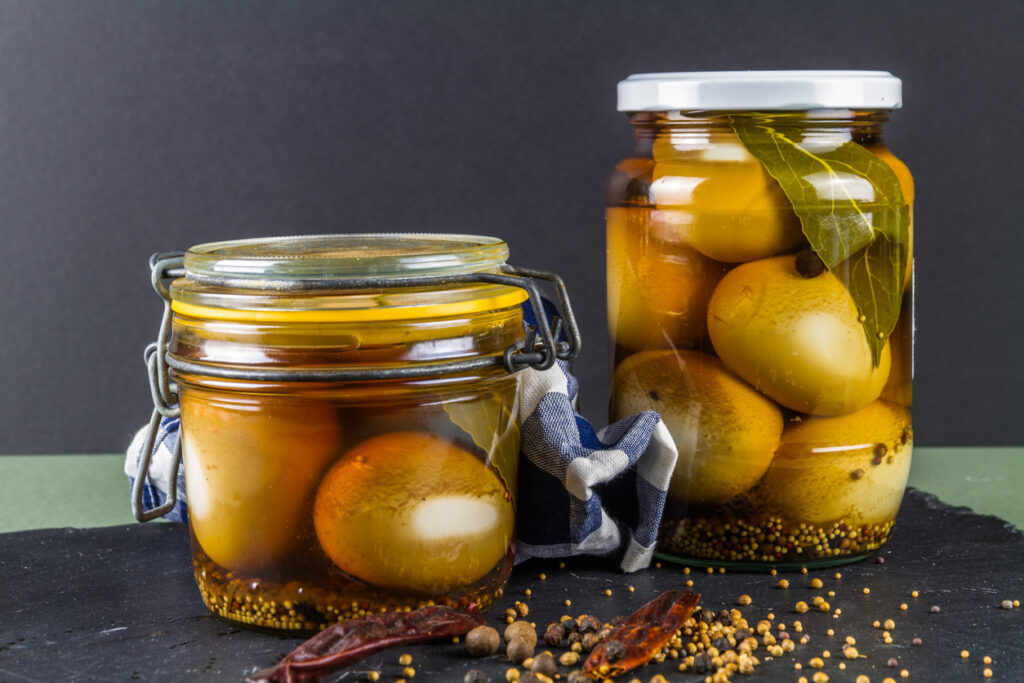
Those eggs sitting in vinegar on the bar aren’t decorative, and if you regularly eat them, you’ve got a taste for the sharp, tangy snacks that used to be common in British pubs. The rubbery texture and vinegar-soaked flavour aren’t for everyone, but they’re traditional pub food that’s mostly disappeared. Enjoying them marks you as someone who appreciates the kind of simple, preserved foods that kept British working people fed for centuries.