We’ve all had those nights where the dinner ends up in the bin, and we’re calling for a takeaway, but some people are just a walking disaster in the kitchen.
Usually, it’s not because they can’t follow a recipe; it’s because they’re making lazy blunders that kill the flavour before the hob is even on. If you’re the type to crowd a pan until the meat just steams in its own grey juices, or if you refuse to season anything until it hits the table, you’re likely the reason your mates always offer to host instead. These 10 habits are a dead giveaway that you’re making a right mess of things.
1. You never taste your food while cooking.
Waiting until everything’s plated to take your first bite means you’ve lost every opportunity to adjust seasoning, add more spice or fix problems before they’re permanent. Good cooks taste constantly throughout the process, checking at each stage to see what the dish needs. You can’t rescue undersalted food once it’s served, and you definitely can’t tell if your sauce is too acidic or your curry needs more depth without actually tasting it.
Professional chefs have spoons going in and out of pots constantly because they know flavours develop and change as food cooks. If you’re just guessing and hoping it’ll turn out fine, you’re cooking blind and setting yourself up for mediocre results every single time.
2. You crowd the pan when trying to get things crispy.

Piling too much food into one pan creates steam instead of the browning and crisping you actually want. The temperature drops when you add cold ingredients, and if there’s no space between pieces, moisture gets trapped and everything just boils in its own juices. You’ll end up with grey, soggy meat or limp vegetables instead of the golden, caramelised results you were aiming for.
Proper browning needs direct contact with a hot surface and room for moisture to escape, so work in batches even if it feels slower. The difference between properly seared chicken and steamed rubbery chicken is usually just about giving everything enough space to breathe.
3. You use the same knife for everything and never sharpen it.

A dull knife is genuinely dangerous because it slips and requires more pressure, which leads to injuries when it finally gives way. You’re also destroying your ingredients by crushing and tearing them instead of making clean cuts that preserve texture and prevent mushiness. Tomatoes turn to mush, herbs get bruised and release bitter flavours, and meat gets shredded rather than sliced properly.
Different knives exist for actual reasons, and using a bread knife on vegetables or a paring knife for a roast shows you don’t understand basic kitchen tools. A sharp chef’s knife makes cooking faster, safer, and produces better results across the board. If you’re sawing away at an onion and getting teary from all the cell damage you’re causing, your knife is the problem.
4. You flip meat constantly and never let it develop a proper crust.

Poking, prodding and flipping every thirty seconds prevents the Maillard reaction from happening, which is what creates flavour and texture on the surface. Good crust needs time in direct contact with heat, and interrupting that process gives you grey, bland meat with no depth. You’re also letting heat escape every time you lift the lid or flip things unnecessarily, which extends cooking time and dries everything out.
Put your protein down, leave it alone until it’s ready to turn, and you’ll get restaurant-quality results instead of sad, pallid disappointments. The same goes for vegetables that need caramelisation—stop stirring them every five seconds and let them actually brown.
5. You add garlic at the same time as onions.
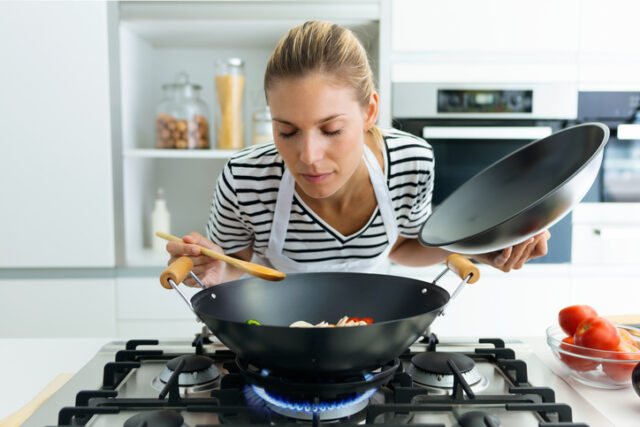
Garlic cooks much faster than onions and burns easily, turning bitter and acrid when it hits hot oil too early in the process. By the time your onions are soft and translucent, your garlic has already passed golden and gone straight to burnt, ruining the entire base of your dish.
Add garlic in the last minute or two before adding liquids or other ingredients, giving it just enough time to become fragrant without crossing into burnt territory. This single timing mistake explains why so many home-cooked curries, stir-fries, and pasta sauces taste harsh instead of aromatic. Burnt garlic can’t be rescued, and it’ll taint everything else you add to the pan.
6. You rinse pasta after draining it.

Running cold water over cooked pasta washes away the starchy coating that helps sauce cling to each piece, leaving you with slippery noodles swimming in a puddle of separated sauce. That starch is gold for creating a cohesive dish, and removing it means your pasta and sauce never properly combine.
You’re also cooling everything down right when you want it hot, forcing you to reheat and potentially overcook your pasta further. The only time you should rinse pasta is when you’re making a cold pasta salad, and even then, some cooks argue against it. Reserve some pasta water before draining, toss your pasta straight into the sauce, and add splashes of that starchy water to bring everything together properly.
7. You don’t read the entire recipe before starting.
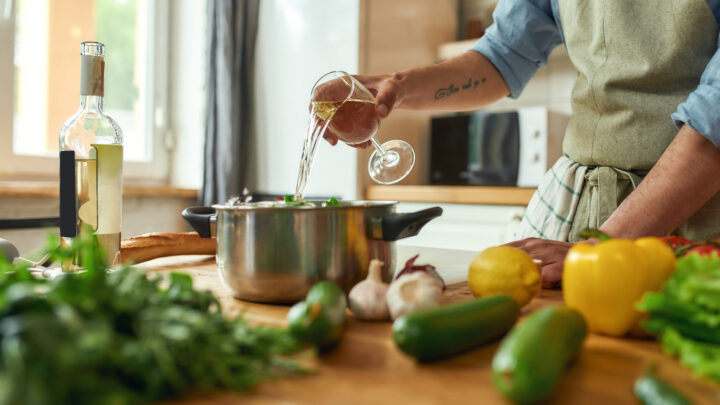
Discovering halfway through that something needs to marinate for four hours or that you’re missing a crucial ingredient creates panic and forces terrible substitutions. You’ll also miss important details about timing, like needing to bring butter to room temperature or starting your oven preheating well before you need it. Recipes are written in a specific order for reasons, and skipping around because you didn’t plan properly leads to burnt garlic, seized chocolate and other disasters.
Professional cooks do their mise en place, getting everything prepped and measured before they start cooking because it prevents chaos and mistakes. If you’re constantly running to the cupboard mid-recipe or realising too late that you can’t actually make what you planned, you’re setting yourself up for stress and failure.
8. You boil when you should simmer and simmer when you should boil.

A rolling boil makes meat tough and stringy, turns vegetables to mush, and causes sauces to break and separate when they need gentle heat to develop properly. Conversely, trying to cook pasta or blanch vegetables in barely bubbling water extends cooking time and produces gummy, waterlogged results.
Understanding when to use high heat and when to pull back makes the difference between tender braised meat and rubber, or between properly cooked rice and burnt, crunchy grains with a soggy top. If your stews are always tough and your pasta always gluey, you’re probably using the wrong temperature for each job. A simmer should show occasional gentle bubbles breaking the surface, not a violent roil that’s splashing everywhere.
9. You never let meat rest after cooking it.
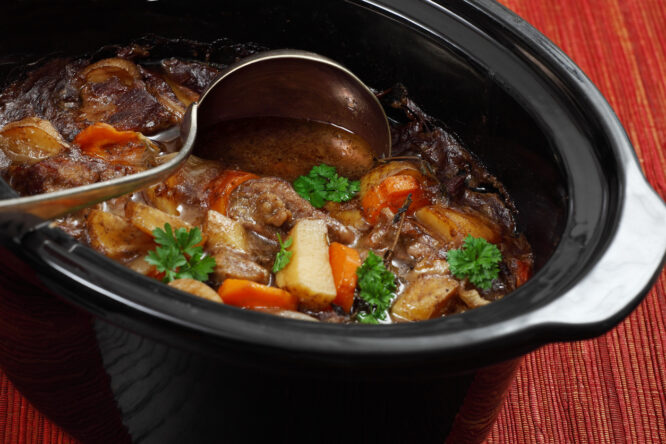
Cutting into a steak or chicken breast straight off the heat sends all the juices running out onto your cutting board, leaving the meat dry and disappointing. Those juices need time to redistribute throughout the meat, which happens during a short rest period where carryover cooking also finishes the job.
You’ve done all the work of cooking something properly, then ruined it in the final step by being too impatient to wait five or 10 minutes. Tent your meat loosely with foil and use that time to make a sauce, prepare sides or set the table. The difference between a juicy, tender result and a dry, disappointing one is often just this single step that terrible cooks always skip.
10. You’re terrified of salt and fat.

Under-seasoned food tastes flat and boring, no matter how good your technique is, and refusing to use adequate fat means you’re missing flavour, texture, and proper cooking temperatures. Salt doesn’t just make things salty. It enhances every other flavour in your dish and balances sweetness and acidity. Fat carries flavour, creates appealing textures and prevents sticking, and using too little leaves you with bland, stuck-on messes.
Professional kitchens use more salt and fat than you’d ever imagine, which is why restaurant food tastes so much better than cautious home cooking. You don’t need to deep-fry everything or dump salt everywhere, but being scared of these essential ingredients guarantees mediocre results every single time.