We’ve all seen that person in a restaurant who treats the staff like they’re part of the furniture, or acts like the entire kitchen should grind to a halt just for them.

It’s a massive lack of awareness that makes everyone around them feel awkward, from the waiter just trying to do their job to the other people trying to enjoy their dinner. Most of the time, these nightmare customers don’t even think they’re doing anything wrong; they’ve just decided that paying for a meal gives them a free pass to be a total pain.
You’re not just there to eat; you’re part of a shared space, and if you’re making life miserable for the people serving you, you’re the problem in the room. These habits are the quickest ways to ensure you’re the person the staff is talking about in the kitchen, and not in a good way.
1. You act offended there’s a wait for a table.

Turning up at peak time and acting like the restaurant personally wronged you is a fast way to sour the mood. Staff can’t magic extra tables into existence, and your huffing doesn’t make the queue move faster. Ask how long it’ll be, decide if you’re staying, then step aside so people can get past. If you’re running late, book ahead next time. A calm start sets the tone for the whole meal.
2. You rewrite the dish like you’re designing a new menu.
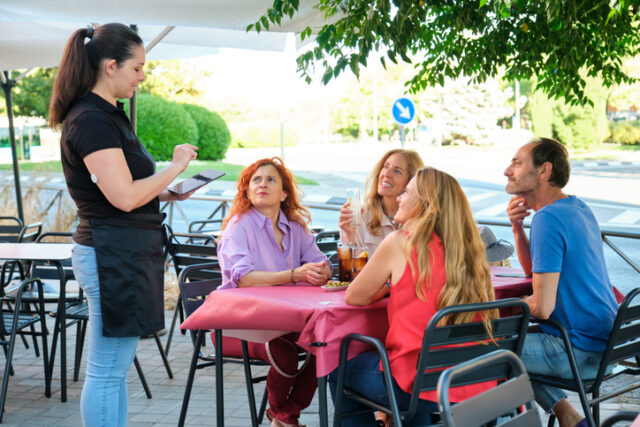
Small swaps are normal, but the nightmare version is changing five things, then acting shocked when it takes longer or comes out different. At that point, you’re ordering a custom build in a busy kitchen. If it’s allergies, be clear and keep it simple. If it’s preference, pick the closest option and let it be what it is. If nothing fits, ask what they recommend instead.
3. You refuse to answer basic order questions.

When a server asks how you want something cooked or what side you want, they’re trying to prevent mistakes. Sighing, mumbling, or not listening, then getting angry later is pure self-inflicted drama. Answer clearly, and if you’re unsure, ask what’s popular. If you’re ordering for someone else, check with them first rather than shouting across the table mid-order. Clear orders mean fewer issues.
4. You click, wave, or shout to get attention.

Finger-clicking, whistling, or calling out across the room is grim. Staff are juggling multiple tables, and demanding attention like that makes everyone else uncomfortable, including the people you’re eating with. Catch their eye, give a small hand raise, and wait a moment. When they do come over, ask for a couple of things at once so they’re not doing endless trips for tiny requests.
5. You treat the server like a personal assistant.

It’s fine to ask for things. It’s not fine to drip-feed requests every two minutes like you’re testing how quickly they’ll respond. It slows the whole section down and creates constant interruptions. Do a quick check of what you need and bundle it. Water, sauces, cutlery, extra napkins, get it all in one ask. If you always want extra sauce, ask when you order.
6. You let your kids run around the restaurant.

Kids being kids is normal. Kids sprinting between tables while adults pretend not to notice is a safety problem. Servers carry hot plates and heavy trays, and one bump can ruin everyone’s night. Keep them close and bring something to do that doesn’t involve roaming. If they’re melting down, step outside for a minute. People don’t judge parents for having kids, they judge the chaos.
7. You turn paying the bill into a long argument.

Splitting the bill isn’t weird. Arguing item by item, changing your mind, and demanding different receipts at the last second is. It holds up the staff and the people waiting for the table. Decide how you’re paying before the bill arrives. If it’s complicated, one person pays and everyone sends their share. If you need receipts for work, mention it early.
8. You treat a mistake like a chance to humiliate someone.

Wrong drinks and mix-ups happen. The nightmare move is raising your voice and making it personal. It makes the situation slower to fix because now staff are dealing with your mood as well. Say what’s wrong, plainly, and let them sort it. You can be firm without being nasty. If you’re unhappy beyond a quick fix, ask to speak to a manager in a normal tone.
9. You’re vague about allergies, then act surprised staff take it seriously.
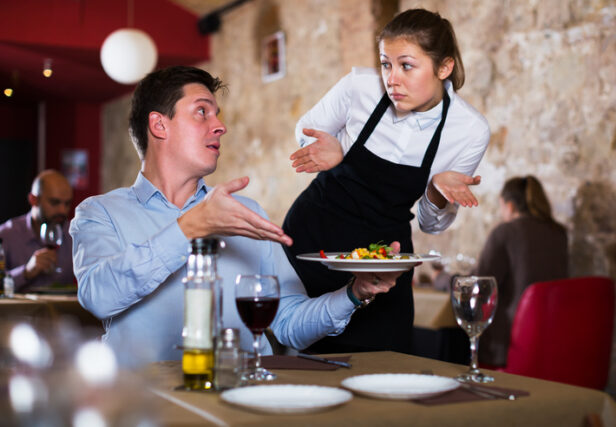
Allergies matter, which is why mixed messages are a nightmare. Saying you’re allergic, then ordering the thing anyway and saying you’ll pick it out puts staff in a risky position. Be clear about what it is and how serious it is. If it’s just a dislike, say that. Honest info helps the kitchen keep you safe and stops everyone guessing what actually matters.
10. You camp at the table when it’s clearly busy.

Hanging around for ages after you’ve finished, especially with empty plates and one warm drink, stops the restaurant turning tables. It also puts staff in an awkward spot because they can’t reset. If it’s quiet and they’re relaxed, linger a bit. If it’s packed, either order another drink or move on. Restaurants aren’t a free lounge when there’s a queue at the door.
11. You send food back because you changed your mind.

Sending something back because it’s wrong is fair. Sending it back because you suddenly don’t fancy it is different. It creates waste and extra work, and it’s not really the restaurant’s fault. If you’re unsure, ask questions before you order. Try new things, sure, but don’t treat your personal taste as a kitchen error. If you hate it, be polite about it.
12. You leave the table like a disaster zone.

Spills happen, and nobody expects perfection. The nightmare is leaving food ground into seats, rubbish scattered, and chairs everywhere like you were trying to make cleaning as hard as possible. You don’t have to stack plates, just be decent. Keep rubbish together, don’t smear food around, and tell staff if something spills so it can be dealt with quickly. Small effort shows.
13. You use tips or reviews like a threat.

Talking about tipping like it’s a reward you might grant, or announcing you’ll leave a review while the server is standing there, turns the meal into a power game. It’s awkward and unnecessary. If service is good, tip normally without the speech. If something’s genuinely bad, calmly tell the manager what happened. Reviews can be fair, but they shouldn’t be revenge writing.