Getting a diagnosis like dementia is a massive blow, but it’s becoming clearer that what you’re putting on your plate every day can actually have a huge impact on how your brain holds up.

It’s easy to feel like your health is entirely down to luck or genetics, but the reality is that certain nutrients are like fuel for your cognitive function. You’re not going to fix everything with a single salad, but if you’re consistently eating things that lower inflammation and protect your neurons, you’re giving yourself a much better chance of staying sharp.
These 14 foods aren’t just random health trends; they’re backed by actual research showing they can help slow down the decline and keep your memory intact for longer. It’s about making small, sustainable moves in your diet that add up to a massive difference for your brain health over the long haul.
1. Leafy greens slow cognitive decline.

Spinach, kale, collard greens and other leafy vegetables are packed with brain-protecting nutrients like folate, vitamin K and lutein. Studies have found that people who eat one serving of leafy greens daily show slower rates of cognitive decline compared to those who rarely eat them. The antioxidants in these vegetables help protect brain cells from damage, while the vitamin K supports healthy brain tissue. Adding a handful of spinach to your morning eggs or having a side salad with dinner can make a real difference over time.
2. Blueberries protect your memory.

Blueberries contain flavonoids called anthocyanins that give them their deep colour and provide powerful brain protection. Research shows that eating blueberries regularly can improve memory and delay cognitive decline by several years. These compounds help reduce inflammation and oxidative stress in the brain, which are both linked to dementia development. Fresh or frozen blueberries work equally well, so you can add them to porridge, yoghurt or smoothies year-round without worrying about seasonality.
3. Fatty fish delivers essential omega-3s.

Salmon, mackerel, sardines, and other oily fish are rich in omega-3 fatty acids, particularly DHA, which makes up a significant portion of your brain tissue. People who eat fish at least once a week have been shown to have lower rates of Alzheimer’s disease and better cognitive function as they age. The omega-3s help maintain the structure of brain cells and support communication between neurons. Aim for two portions of oily fish per week, and if you don’t eat fish, consider a high-quality algae-based omega-3 supplement instead.
4. Nuts support brain health in multiple ways.
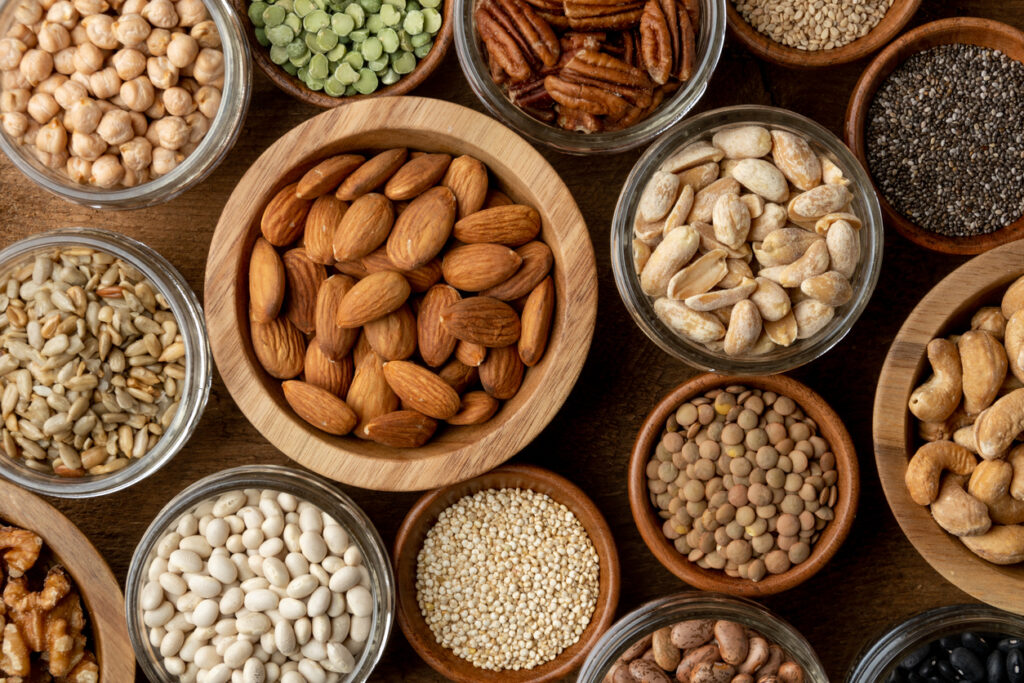
Walnuts, almonds, hazelnuts and other nuts contain vitamin E, healthy fats and antioxidants that protect brain cells from oxidative damage. Studies have linked regular nut consumption to better cognitive function and lower dementia risk, with walnuts showing particularly strong benefits due to their high omega-3 content. A small handful of mixed nuts as a daily snack provides these protective compounds without excessive calories. The vitamin E in nuts is especially important because it’s one of the few antioxidants that can cross the blood-brain barrier.
5. Extra virgin olive oil reduces inflammation.

The Mediterranean diet’s cornerstone ingredient contains oleocanthal, a compound with anti-inflammatory properties similar to ibuprofen. Regular consumption of extra virgin olive oil has been associated with lower rates of cognitive decline and reduced risk of Alzheimer’s disease. The polyphenols in olive oil help clear beta-amyloid proteins from the brain, which are the sticky plaques associated with Alzheimer’s. Use it for cooking at lower temperatures, or drizzle it over finished dishes to preserve its beneficial compounds.
6. Whole grains provide steady energy for your brain.
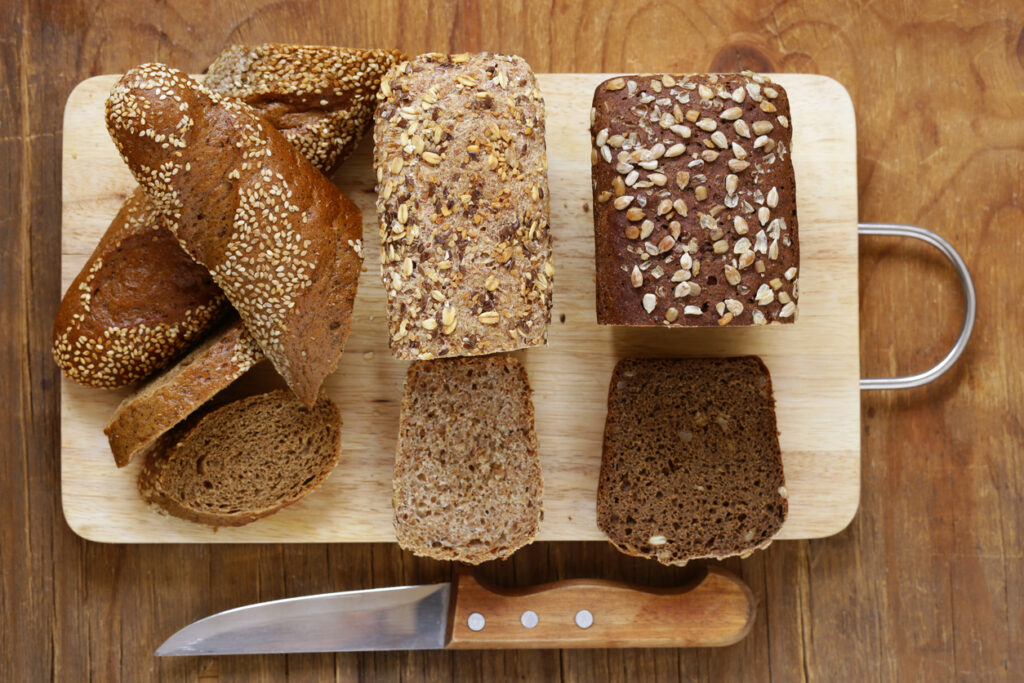
Brown rice, quinoa, oats and whole wheat provide complex carbohydrates that give your brain a steady supply of glucose without the spikes and crashes from refined grains. Your brain uses about 20% of your body’s energy, and it needs a consistent fuel source to function properly. Whole grains also contain B vitamins that support brain health and fibre that helps regulate blood sugar, which is important since diabetes increases dementia risk. Swapping white bread and pasta for whole grain versions is an easy change that benefits your brain long-term.
7. Beans and lentils stabilise blood sugar.
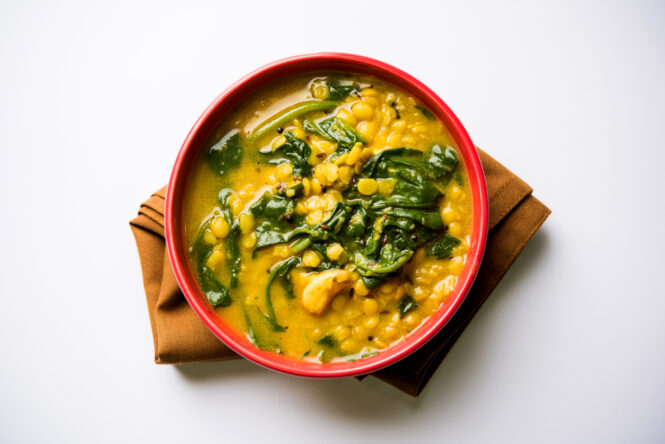
Legumes are packed with fibre, B vitamins and protein while being low on the glycemic index, meaning they don’t cause dramatic blood sugar spikes. Stable blood sugar is crucial for brain health because fluctuations can damage blood vessels in the brain and increase dementia risk. The folate in beans is particularly important for cognitive function and may help prevent brain atrophy. Adding beans to soups, salads or making them the base of meals several times a week provides these protective benefits.
8. Green tea contains powerful brain protectors.

Green tea is rich in catechins, particularly EGCG, which have been shown to protect brain cells from damage and may even help break down the protein plaques associated with Alzheimer’s. Regular green tea drinkers show better cognitive performance and lower rates of cognitive decline compared to non-drinkers. The combination of antioxidants and a modest amount of caffeine also improves focus and attention in the short term. Aim for two to three cups daily, and remember that steeping it for longer releases more beneficial compounds.
9. Dark chocolate improves blood flow to the brain.

Chocolate with at least 70% cocoa contains flavonoids that improve blood flow to the brain and support the growth of new neurons. Studies have found that regular consumption of dark chocolate is associated with better cognitive function and may reduce dementia risk. The flavonoids also have anti-inflammatory and antioxidant properties that protect brain cells. A small square or two daily provides these benefits without excessive sugar or calories, but milk chocolate doesn’t offer the same protection due to lower cocoa content.
10. Broccoli and other cruciferous vegetables contain unique compounds.

Broccoli, cauliflower, Brussels sprouts and cabbage contain glucosinolates that break down into compounds with neuroprotective properties. These vegetables are also high in vitamin K and folate, which support cognitive function and may slow brain ageing. Research suggests that people who eat cruciferous vegetables regularly have better memory and processing speed as they age. Lightly steaming these vegetables preserves more of their beneficial compounds than boiling them until they’re mushy.
11. Turmeric reduces brain inflammation.

The active compound in turmeric, curcumin, has powerful anti-inflammatory and antioxidant effects that may protect against Alzheimer’s disease. Some research suggests it might help break down amyloid plaques in the brain and support the growth of new brain cells. Populations that consume turmeric regularly, like in India, show lower rates of Alzheimer’s disease. For better absorption, combine turmeric with black pepper and a source of fat, like adding it to curries or golden milk made with full-fat milk or coconut milk.
12. Tomatoes provide lycopene for brain protection.

Tomatoes are rich in lycopene, an antioxidant that’s been linked to reduced risk of dementia and stroke. Cooking tomatoes actually increases the availability of lycopene, so tomato sauce, paste, and soup are particularly beneficial. The compound helps protect brain cells from the kind of damage that contributes to Alzheimer’s disease. Including tomatoes in your diet several times a week, whether fresh in salads or cooked in pasta sauces, provides this protective effect.
13. Avocados support healthy blood flow.
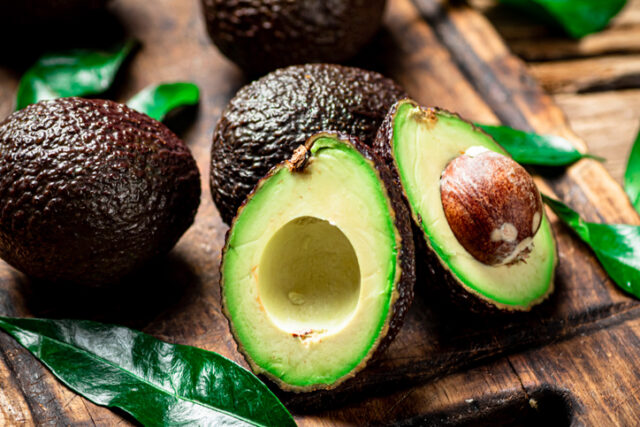
Avocados contain monounsaturated fats that support healthy blood flow, and since your brain needs good circulation to function properly, this is crucial for cognitive health. They’re also rich in vitamin E and folate, both linked to lower dementia risk. The healthy fats in avocados help your body absorb other fat-soluble vitamins from the foods you eat with them. Adding avocado to sandwiches, salads or eating it on toast provides these benefits along with a satisfying, creamy texture.
14. Pumpkin seeds deliver zinc and magnesium.
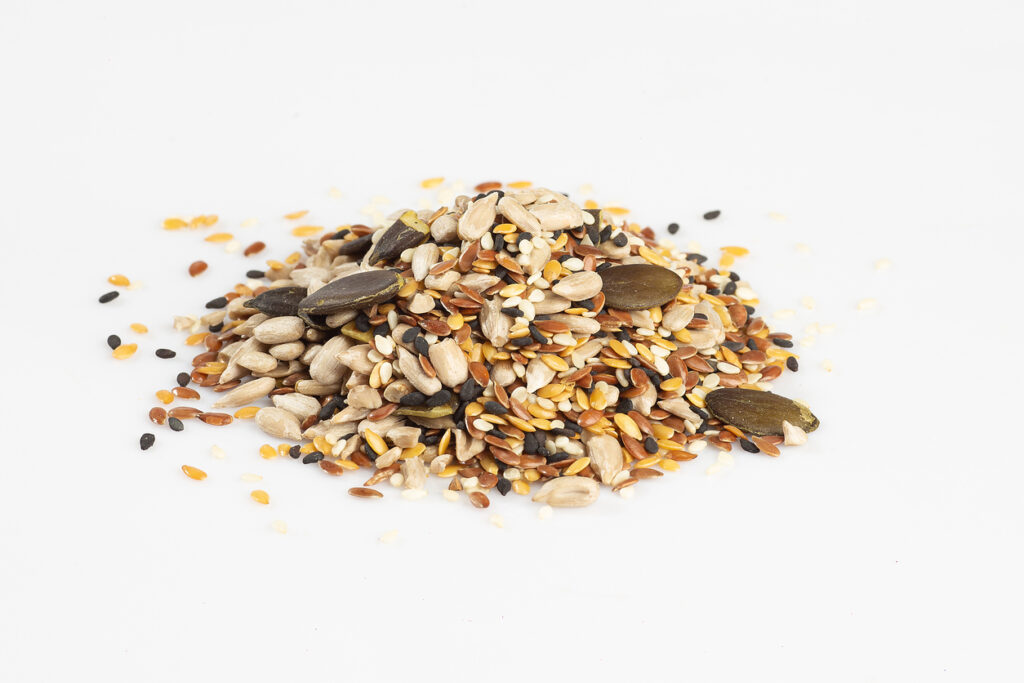
These small seeds are packed with zinc, magnesium, copper and iron, all essential for proper brain function and nerve signalling. Zinc deficiency has been linked to neurological conditions including Alzheimer’s disease, while magnesium supports memory and learning. The antioxidants in pumpkin seeds also protect brain cells from free radical damage. A tablespoon or two sprinkled on salads, soups, or porridge provides a significant amount of these brain-supporting minerals.
No single food will prevent dementia on its own, but consistently including these brain-healthy options in your diet can make a real difference to your cognitive health as you age. The Mediterranean and MIND diets, which emphasise many of these foods, have the strongest research backing for dementia prevention. Combined with other healthy lifestyle factors like regular exercise, good sleep and staying socially connected, eating these foods gives your brain the best chance of staying sharp well into older age.