There’s nothing like a full stomach of regret to accompany your cramped seat and questionable air circulation.

Airports are full of temptation—greasy breakfasts, oversized sandwiches, snacks you’d never normally buy, but not all of them are a good idea when you’re about to be stuck in a metal tube for hours. Some foods that seem harmless on the ground can come back to haunt you mid-flight in very uncomfortable ways. So before you load up at the terminal café, here are the airport foods best left behind if you want a smoother time in the air.
1. Anything heavy and greasy (looking at you, full English)
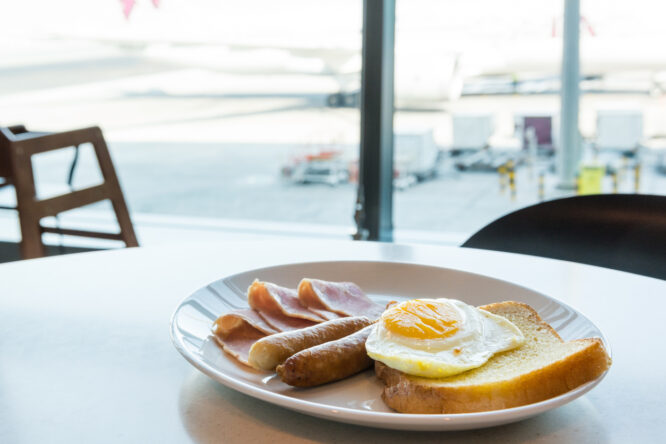
That all-day breakfast might feel like the ultimate pre-flight treat, but your digestive system won’t thank you. Greasy, high-fat meals can slow down digestion, especially once you’re in the air and movement is limited. Combine that with cabin pressure and limited bathroom access, and it’s a recipe for bloating, discomfort, and low-key regret. Lighter meals might not feel as satisfying in the moment, but your body will be much happier in-flight.
2. Too much dairy
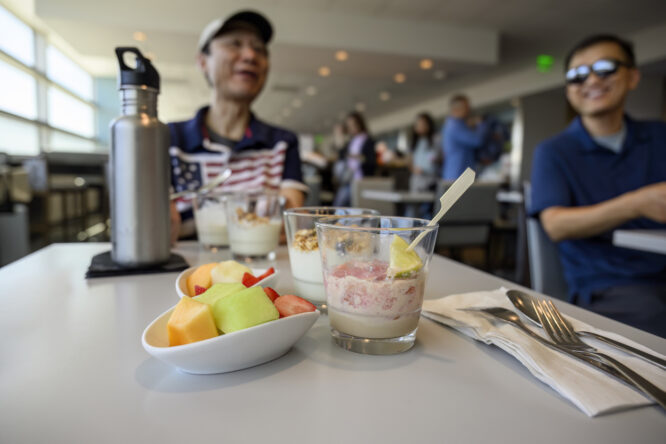
A cheesy panini, creamy coffee, yoghurt pots—it’s easy to overdo it on dairy while waiting to board. But dairy can be tough to digest, especially in stressful or high-altitude environments. For some people, it leads to gas and bloating, which is the last thing you want mid-flight with limited space and nowhere to escape. Save the milkshake for when you land.
3. Cruciferous vegetables (yes, really)
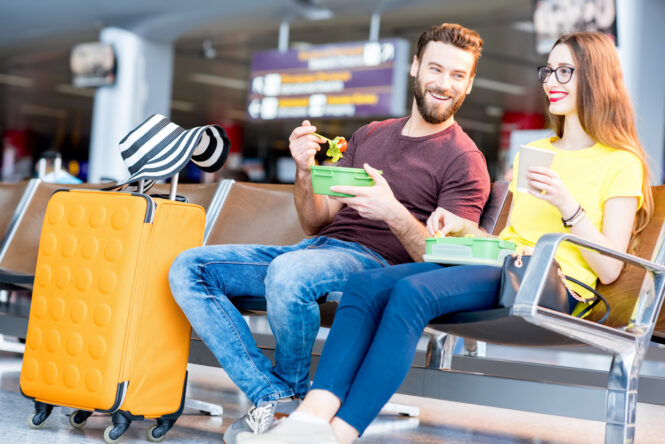
While you might feel virtuous picking a salad, certain veggies like broccoli, cauliflower, and cabbage can cause serious gas once your body’s under cabin pressure. They’re super healthy—but they also produce a lot of air in your gut. That swelling you feel in your waistband an hour into the flight? This could be why. If you’re going green, stick to gentler options like cucumber, spinach, or lettuce.
4. Beans or lentils
Great for fibre, less great for pressurised environments. Beans and lentils can take a while to break down and often cause bloating and excess gas, especially when you’re sitting still for hours at a time. Even that innocent-looking veggie wrap with hummus can be a gamble. If you’re flying soon after eating, you might want to skip anything that’s likely to bubble up later.
5. Spicy foods

That spicy curry or peri-peri wrap might taste great on the ground, but once you’re airborne, your stomach might decide to fight back. Spices can trigger heartburn, especially when you’re strapped in a seat with nowhere to stretch or lie flat. Also, cabin air is dry, so spicy foods can leave you parched and desperate for water, which isn’t always as readily available as you’d hope on budget flights.
6. Fizzy drinks

Soda might seem like a refreshing treat, but carbonated drinks fill your stomach with gas. Combine that with altitude changes, and you’ll likely end up feeling bloated and uncomfortable. Plus, fizzy drinks often come loaded with sugar or artificial sweeteners, which can upset your gut on long flights. Stick to still water, herbal teas, or juice if you want to keep things calm.
7. Alcohol
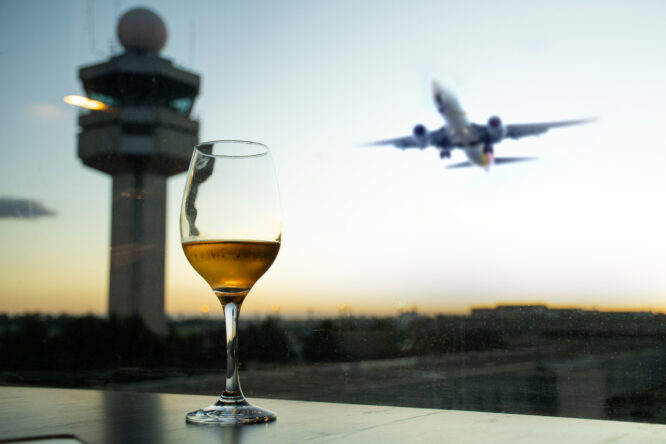
Yes, it’s tempting to start your holiday with a pint or a gin and tonic at the airport bar—but alcohol dehydrates you fast, especially on a flight where the air is already dry. It also disrupts your sleep, irritates your stomach, and can make jet lag worse. One drink is fine, but knocking back several before takeoff is a shortcut to feeling groggy and drained before you’ve even landed.
8. Super salty snacks

Salted peanuts, crisps, pretzels—they’re airport staples, but they’ll leave you even more dehydrated in the air. And because the dry cabin air already messes with your body’s hydration levels, salty snacks only make it worse. If you’re flying long haul, salty food can also contribute to swelling in your feet and ankles. Swap them for mixed nuts, unsalted popcorn, or fruit if you want to snack without the puffiness.
9. Sushi
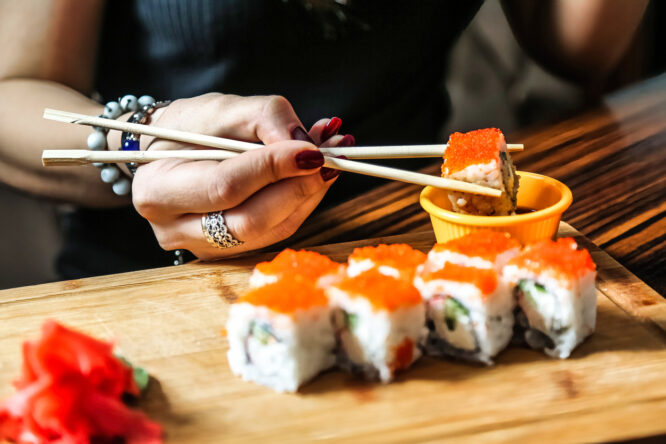
Airport sushi might look fresh, but it often isn’t. Raw fish needs careful handling and refrigeration, which isn’t always guaranteed in a busy terminal. That risk might be small, but food poisoning at 30,000 feet is a whole new level of unpleasant. If you’re craving sushi, go for vegetarian options like cucumber or avocado rolls. Safer for your stomach, and just as satisfying without the gamble.
10. Anything that’s been sitting under a heat lamp for hours
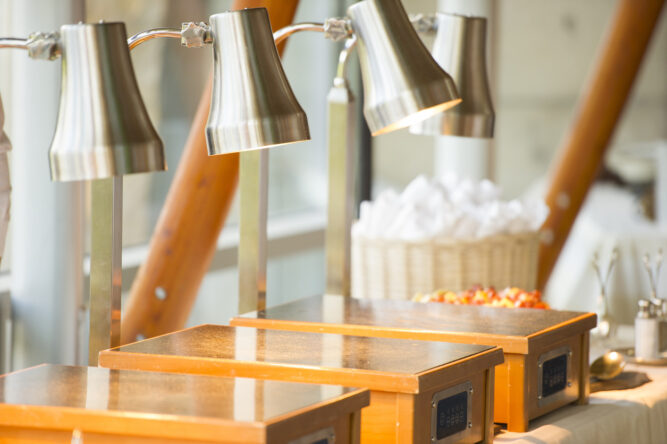
You know the type—those lukewarm sausage rolls, sad slices of pizza, or mystery pies from the hot cabinet that’s been on since 5 a.m. These foods are often overcooked, dried out, and not stored properly. Aside from tasting questionable, they can also harbour bacteria if the temperature control isn’t spot on. Trust your gut—if it looks dodgy, it probably is.
11. Big servings of sugar

Grabbing a muffin or a chocolate bar before your gate feels like a treat, but all that sugar spikes your blood glucose and then sends it crashing—which can leave you feeling moody, jittery, or weirdly drained mid-flight. Instead, try a snack with some protein and fibre to keep your energy more stable. Think oat bars, trail mix, or nut butter on crackers if you’re peckish but don’t want a sugar crash at altitude.
12. Strong-smelling foods
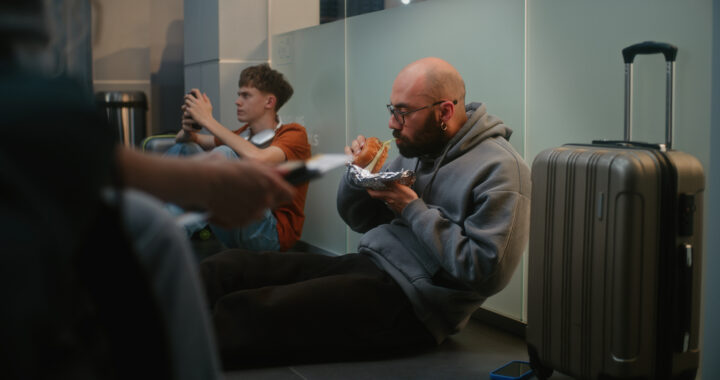
This one’s more about courtesy than digestion, but it still counts. Hot egg sandwiches, tuna melts, or anything drenched in garlic might seem harmless to you, but once you’re on a plane, everyone within a three-row radius will smell it too. Air circulation is limited, and there’s no escape. If you don’t want to be the person everyone side-eyes during boarding, keep your snack choices mild on the nose.