Not every city trying to save the world makes front-page news.

Some of the most game-changing, feel-good ideas are happening under the radar in places that aren’t shouting about their success, but proving that progress doesn’t have to be loud. From eco-friendly design to radical kindness, here are 14 cities doing something different, and giving the rest of us a bit of hope in the process.
1. Amsterdam, Netherlands
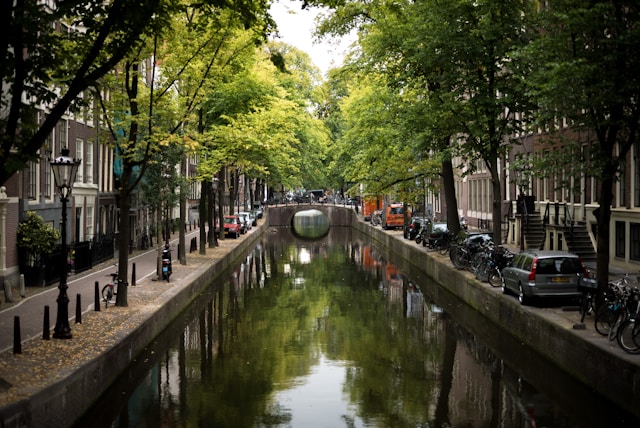
Amsterdam isn’t just a pretty canal city—it’s also leading the way in something called the “Doughnut Economy,” a model that balances human needs with environmental limits. Basically, it’s about living well without wrecking the planet, and the city’s actually trying to shape all its policies around it.
From circular construction to reducing waste, Amsterdam is testing out real ways to live smarter and more sustainably. And it’s doing it all without losing its cool, bike-loving charm, which makes it feel both futuristic and totally human.
2. Vienna, Austria
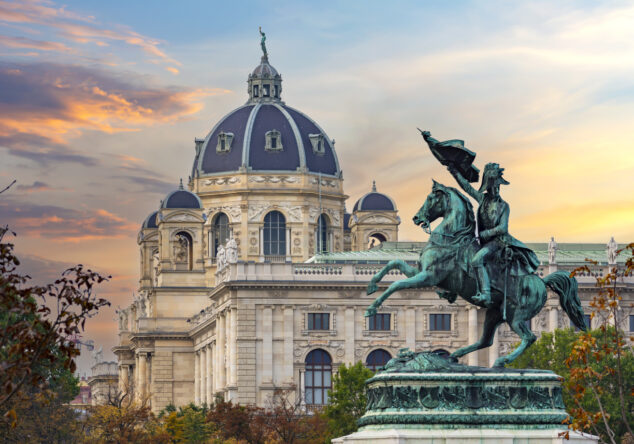
If you want to know what affordable, high-quality housing looks like, Vienna has you covered. Around 60% of its residents live in social or subsidised housing—and we’re not talking grim tower blocks. These are architect-designed, well-kept, and part of thriving communities. The result? Less inequality, lower rent stress, and a city where people actually have time and space to enjoy life. It’s a subtle revolution that proves good housing doesn’t have to be a luxury.
3. Bristol, UK
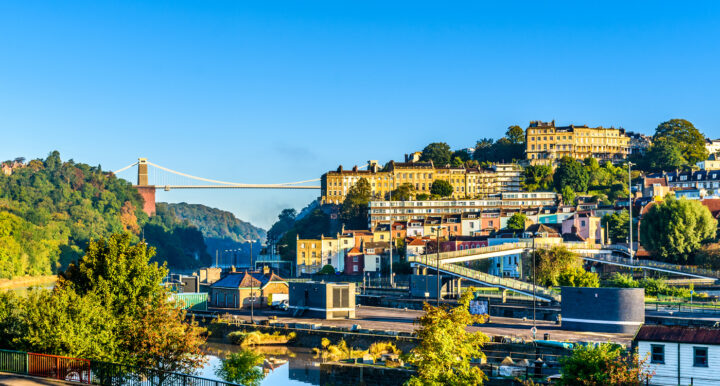
Bristol isn’t just a cool music and arts city, it’s also one of the UK’s greenest. It was the first UK city to declare a climate emergency and is serious about cutting emissions, boosting biodiversity, and getting people involved in decision-making. From community-owned wind farms to its push for sustainable transport, Bristol shows what it looks like when a city actually listens to its citizens. It’s doing the work—and doing it with a strong sense of local pride.
4. Singapore
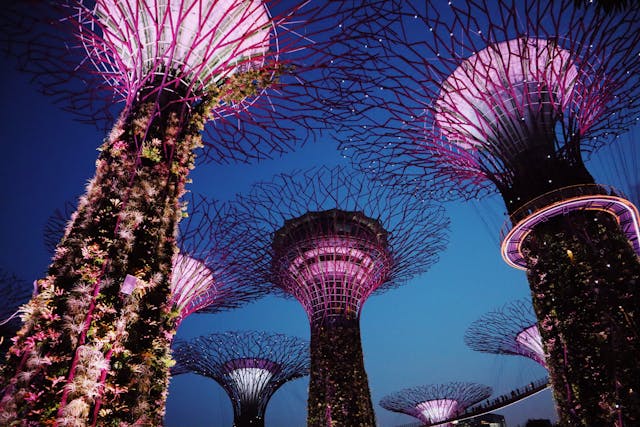
Singapore has managed to become a city full of skyscrapers that somehow also feels like a garden. Think vertical forests, rooftop parks, and climate-conscious architecture that blends green with urban in a way that shouldn’t work, but does. The city is also big on water recycling, sustainable urban planning, and tech-driven environmental solutions. It’s quietly proving that being futuristic doesn’t have to mean being cold or clinical.
5. Medellín, Colombia
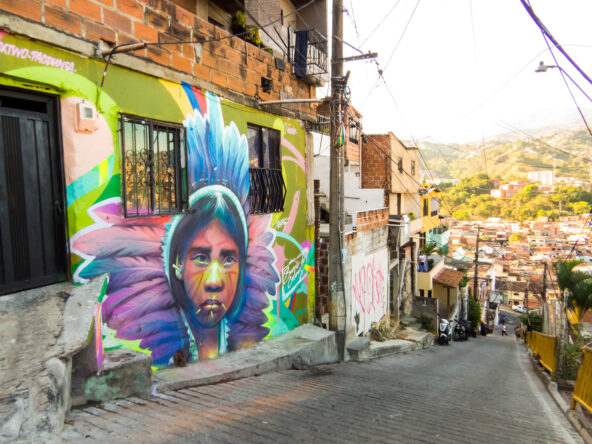
Once known for crime and chaos, Medellín has flipped its story—and it’s one of the most impressive urban turnarounds of the last few decades. The city invested in public transport, parks, and education, especially in poorer areas. Things like outdoor escalators and cable cars now connect hillside communities to the city centre. It’s thoughtful urban planning with a heart, and it’s made Medellín a global example of what inclusive change can look like.
6. Copenhagen, Denmark
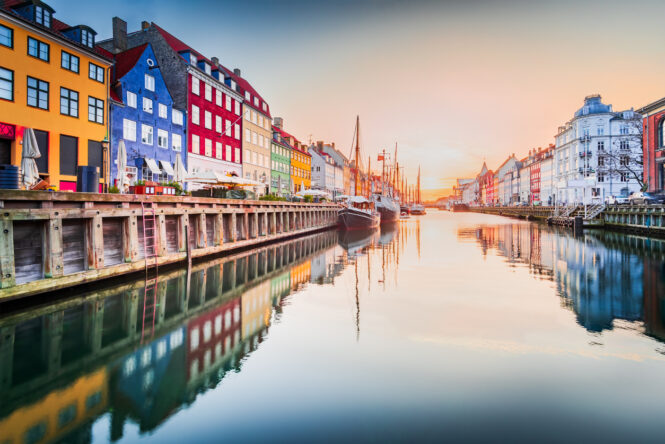
In Copenhagen, biking isn’t just a lifestyle—it’s baked into the city’s DNA. With bike lanes wider than most roads and a goal of becoming carbon-neutral by 2025, it’s one of the most forward-thinking cities in Europe. However, it’s not just about green goals—it’s about livability. Clean air, community spaces, and a slower, more relaxed pace make Copenhagen a quiet success story in what it means to build a truly human city.
7. Tokyo, Japan
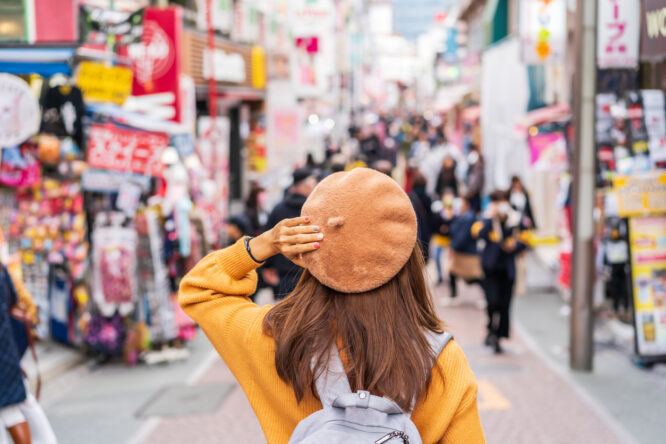
Tokyo might not seem “quiet” on the surface, but underneath the fast pace is a culture of deep respect—for others, for public spaces, and for nature. The city has managed to stay safe, efficient, and emotionally considerate in a way that’s pretty rare. It also has some of the most thoughtful design in the world, from public toilets that are actually beautiful to parks tucked into every neighbourhood. Tokyo is proof that innovation doesn’t always need to be loud to be impressive.
8. Helsinki, Finland
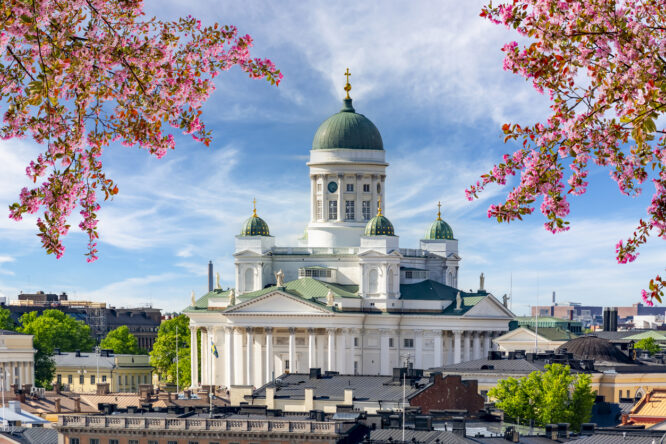
Helsinki has been quietly leading the way in everything from education reform to digital accessibility. It’s one of the first cities to openly share data on how it spends public money, creating more transparency and trust in local government. The city also puts a huge emphasis on well-being—both mental and environmental. Add in its design-first approach to everything from school buildings to libraries, and you’ve got a city that just makes sense.
9. Freiburg, Germany
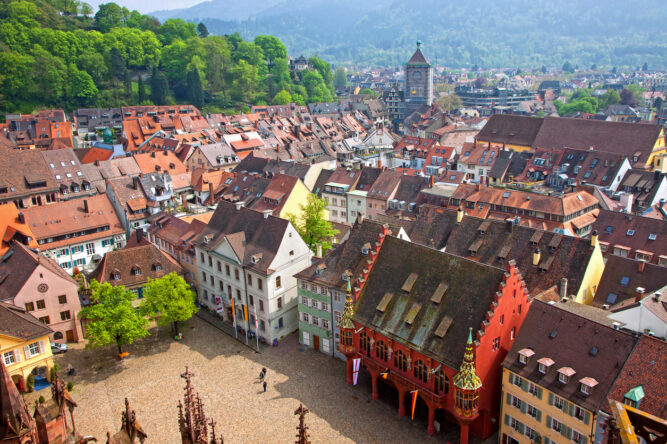
Often called Germany’s “greenest city,” Freiburg has been focused on sustainability for decades. Its layout discourages cars and encourages walking and cycling. Even its neighbourhoods are designed to maximise sunlight and minimise energy waste. It’s a living example of what happens when a city builds for people, not just traffic. And because it’s all done with a sense of calm and consistency, it doesn’t feel radical—it just feels right.
10. Melbourne, Australia
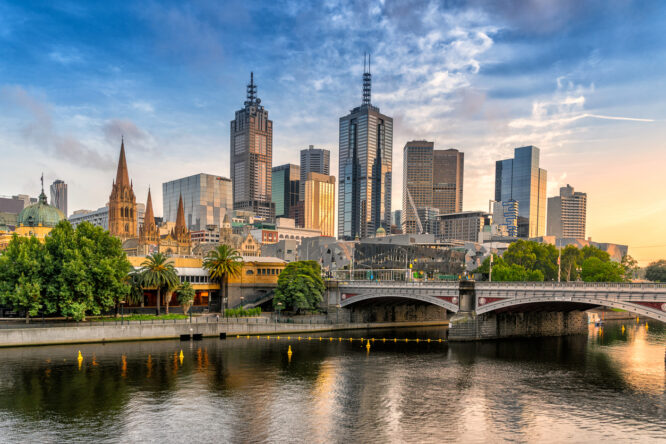
Melbourne’s been making waves with its “Urban Forest Strategy”—an ambitious plan to cool the city and improve air quality by planting thousands of trees. Residents can even email specific trees (yes, really) and many have turned it into a wholesome way to send them love letters. It’s the kind of small, quirky policy that adds charm and heart to a city. But more importantly, it’s making a real difference in adapting to climate change while keeping the city full of character.
11. Seoul, South Korea
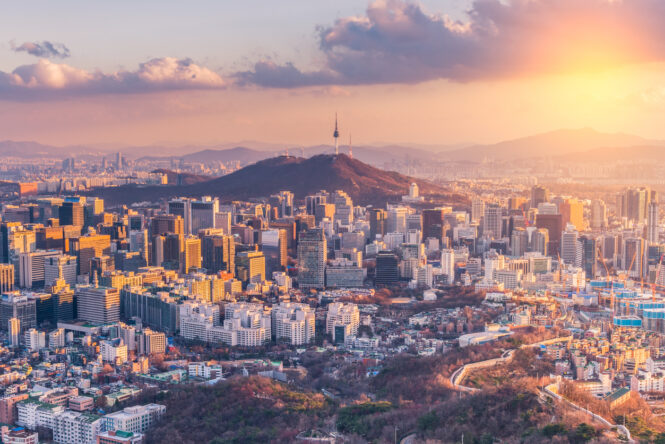
Seoul has transformed old motorways into urban parks, redesigned riverside spaces, and added tonnes of greenery without giving up its fast-paced vibe. The city’s balancing growth with nature in a way that’s surprisingly effective. Its commitment to smart tech, free Wi-Fi in public spaces, and mental health awareness also shows that progress isn’t just about what you build—it’s about how people live and feel in that space.
12. Ljubljana, Slovenia
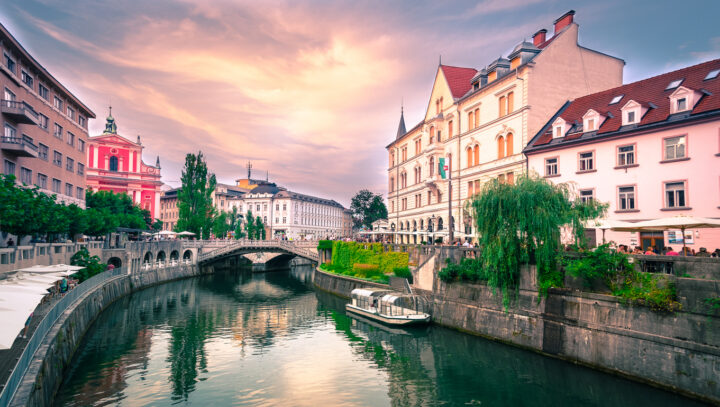
This little-known capital has become a sustainability champ. It pedestrianised its city centre, banned cars from key areas, and invested in clean water and waste systems—all while keeping a laid-back, friendly feel. Ljubljana proves that even smaller cities can make bold moves and still feel cosy and welcoming. It’s a lesson in how to go green without going grey.
13. Paris, France

Paris has been going through a slow but powerful reinvention. Its mayor’s push for the “15-minute city”—where everything you need is within a 15-minute walk or bike ride—is changing how people live and move. From banning cars in certain districts to turning the Seine’s banks into walking areas, Paris is trying to make city life less frantic and more liveable. And in classic French fashion, it’s doing it all with a bit of style.
14. Reykjavik, Iceland
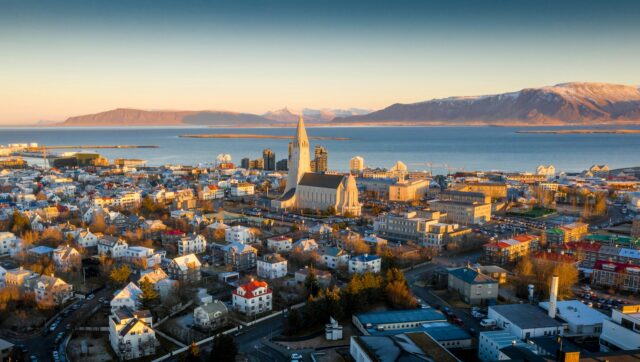
Reykjavik runs almost entirely on renewable energy, thanks to its natural geothermal and hydro resources. That alone is pretty remarkable—but what stands out is how seamlessly it fits into daily life there. The city blends its eco-efforts with a strong sense of cultural identity, creativity, and community care. It’s small, but it’s mighty—and it’s a quiet example of how to live well while caring for the planet.