Good skin isn’t just about creams and serums.

In fact, what might even be more important is what you eat. Nutrition plays a major role in overall health, and that includes your skin. Dermatologists say certain foods help with glow, healing, and fighting inflammation, and these are the ones they often recommend adding to your diet for skin that feels healthier.
1. Fatty fish (salmon, mackerel, sardines)
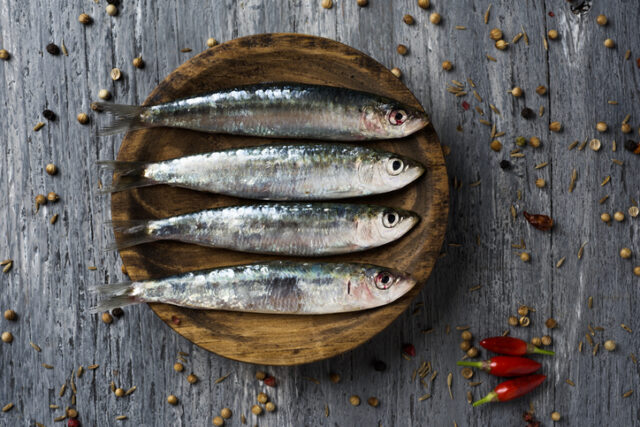
Omega-3s in fatty fish are gold for the skin. They reduce inflammation, help maintain the skin barrier, and may even protect from sun damage. When we lack these fats, skin might get dry, red or more prone to flare-ups.
Derms often suggest including fatty fish 2 to 3 times a week. It delivers not just omega-3s but also protein, which supports skin repair. If fish isn’t your thing, fish oil supplements can help after checking with a doctor.
2. Nuts & seeds (walnuts, sunflower seeds, flaxseeds)
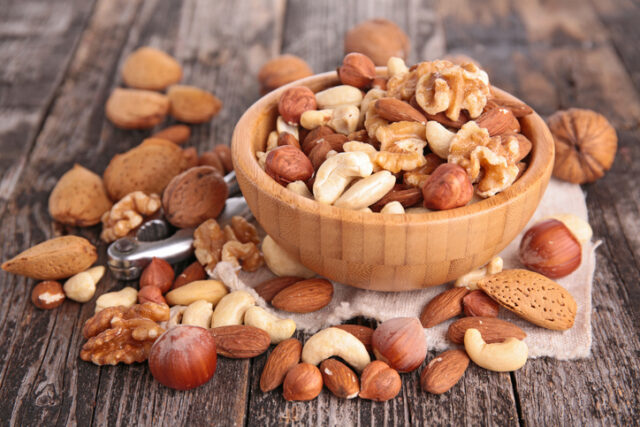
These little powerhouses are full of vitamin E, zinc, and good fats, all of which are ingredients your skin loves. They help protect against oxidative stress (free radicals), calm inflammation, and support healing. When they’re missing, skin tends to look dull or irritated more often.
Adding a handful of mixed nuts or sprinkling seeds over your meals a few times a week gives you those benefits without effort. For example, flaxseed oil or ground flaxseed stains boost hydration and softness in skin, according to recent reviews.
3. Fruits and vegetables high in antioxidants and vitamins (e.g. berries, bell peppers, leafy greens)
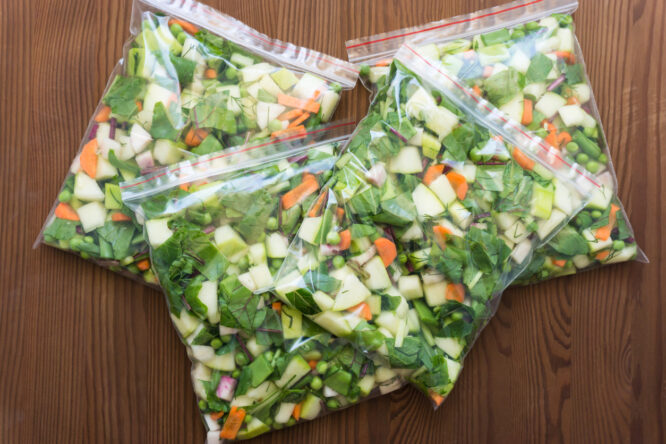
Antioxidants help your skin fight damage from sun, pollution, and daily wear. Vitamin C (found in things like bell peppers, citrus, berries) is especially important for collagen production, which keeps skin firm. When your diet is low in such foods, damage accumulates faster.
Dermatologists advise “eating the rainbow” — aim for many colours in your veg and fruits. Leafy greens like spinach or kale, bright peppers, blueberries all pack nutrients that help skin look more radiant. Pack them fresh, or lightly cooked, so nutrients are preserved.
4. Hydration + water-rich foods

Skin dehydrates easily. When fluid intake is low, skin looks dull, fine lines show up more, and it may even feel tight or flaky. Dermatologists emphasise hydration as a basic but powerful tool, both inside and out.
Drinking enough water (often about 1.5 to 2 litres a day for many people) helps, but eating foods with high water content boosts it too. Think cucumber, tomatoes, melon. These also supply antioxidants and minerals that help with hydration.
5. Olive oil & healthy fats (avocado, extra-virgin olive oil)
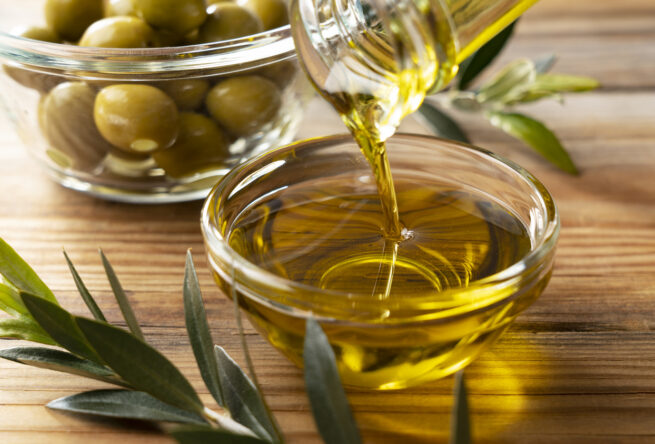
Good fats help keep skin supple, improve elasticity, and support the barrier that holds in moisture and keeps irritants out. Without enough healthy fats, skin can look rougher, age faster, and feel more irritated by environmental stress.
A Mediterranean style diet rich in olive oil, avocado, nuts etc., is often cited by dermatologists for its skin benefits. Including these fats regularly (in dressings, cooking, or just as part of meals) helps the skin stay nourished.
6. Green tea

Green tea is packed with polyphenols (a type of antioxidant) that help reduce inflammation and protect skin from damage. Some studies show regular green tea drinkers have fewer signs of UV damage and better skin texture. If you rely only on topical products, you might be missing this inside boost.
Having a cup or two a day is simple, and it adds up. For some, topical green tea extracts are also used, but eating/drinking it gives systemic support. Just be aware of caffeine for evening consumption.
7. Foods rich in zinc
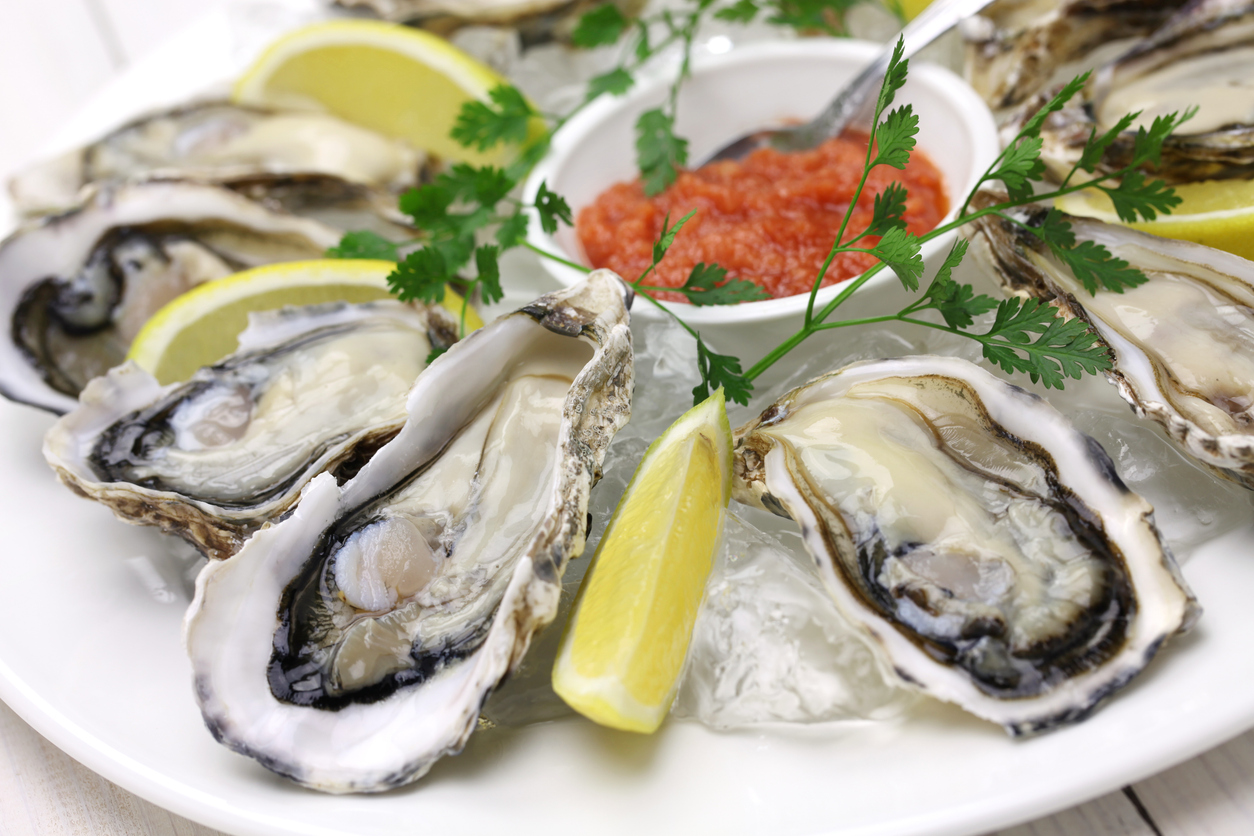
Zinc is crucial for healing, reducing inflammation, and supporting skin oil gland regulation. Dermatologists point out that zinc deficiency is often linked to acne, slower healing, or flaky skin. So, if your diet lacks lean meats, legumes, nuts, or seeds, you might be missing out.
Including good sources of zinc regularly helps. Pumpkin seeds, oysters, beans, whole grains can all help support skin’s recovery from blemishes or irritation. It also helps prevent excessive oil production in some people.
8. Avoiding high-glycaemic foods + sugar spikes

Big sugar hits (from sweets, sugary drinks, refined carbs) can drive spikes in blood sugar and insulin, which may lead to more oil production, breakouts, inflammation, and even damage to collagen and elastin. Dermatologists often warn that diet is part of the acne puzzle.
Reducing sugary items, choosing low glycaemic index carbs (whole-grain, legumes), and balancing meals with protein and healthy fat helps. It steadies skin response rather than triggering crashes or flare-ups.