Why is it that our cars tend to have the most problems over the winter months?

Cold weather car troubles aren’t inevitable disasters, even if it feels like they might be. In reality, they’re usually the result of neglecting your battery during warmer months, when everything seems fine and problems feel far away. Here are some things you can do before the seasons change to keep your vehicle in tip-top shape until spring rolls around again.
1. Start battery care before the temperature drops.

Most people wait until their car won’t start on a freezing morning to think about battery health, but by then you’re dealing with an emergency rather than prevention. Cold weather can reduce battery performance by up to 50%, and it takes 2.5 times more power to start a cold engine.
Get your battery tested and charged during autumn while temperatures are still mild, and you have time to address problems properly. Starting this maintenance routine before winter hits means you’re prepared rather than scrambling for solutions in freezing car parks.
2. Understand that driving doesn’t fully charge your battery.

Your car’s alternator only charges the battery to about 80% capacity during normal driving, which leaves a significant gap that gets worse as time goes on. Partial charging creates a gradual decline in battery health that becomes critical when cold weather demands maximum power.
Use a proper battery charger monthly to top up that missing 20% and maintain optimal battery health year-round. Regular charging can extend your battery’s life by up to three times compared to relying solely on driving to keep it charged.
3. Learn to recognise the early warning signs of battery decline.

Subtle changes in how your car starts or how electrical systems operate often signal developing battery problems before you’re left completely stranded. These early indicators include slightly slower engine turnover, dimmer headlights, or dashboard warning lights that appear intermittently.
Pay attention to these small changes rather than ignoring them until your car won’t start at all. Early intervention with proper charging can often restore battery health before you need expensive emergency repairs or replacement.
4. Know the critical voltage numbers that matter.
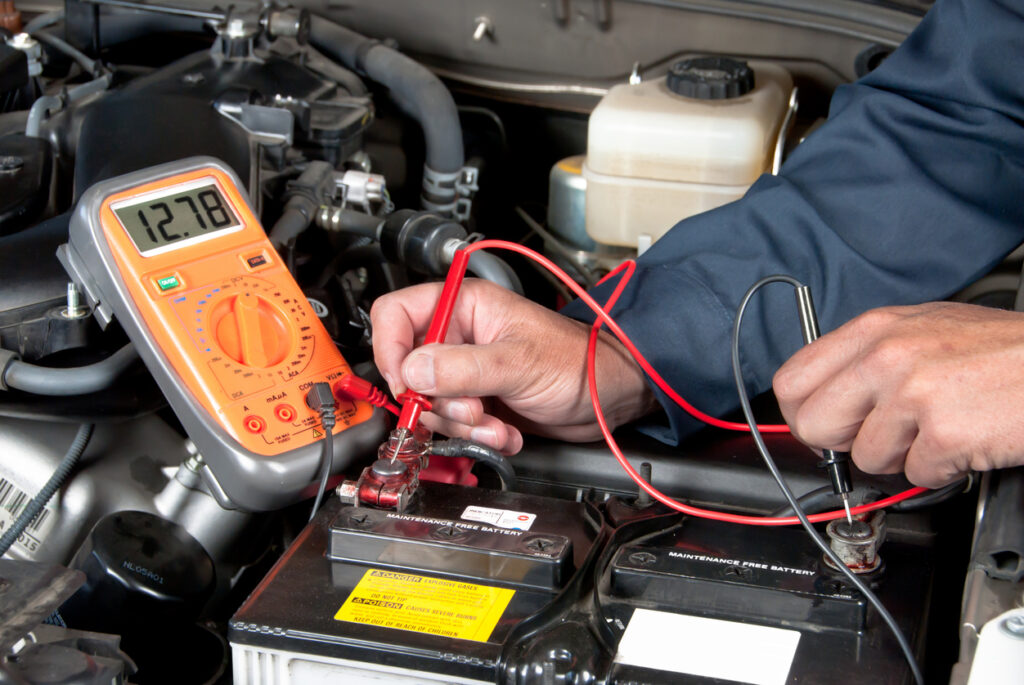
A fully charged battery measures 12.72 volts, but below 12.4 volts, harmful sulphate crystals begin forming that degrade battery capacity permanently. Below 10.4 volts, your battery likely won’t start the car at all, leaving you stranded.
Test your battery voltage regularly with a simple multimeter, rather than guessing about its condition based on how the car seems to be running. These specific numbers give you concrete information about when to take action before problems become emergencies.
5. Invest in a smart charger rather than hoping for the best.
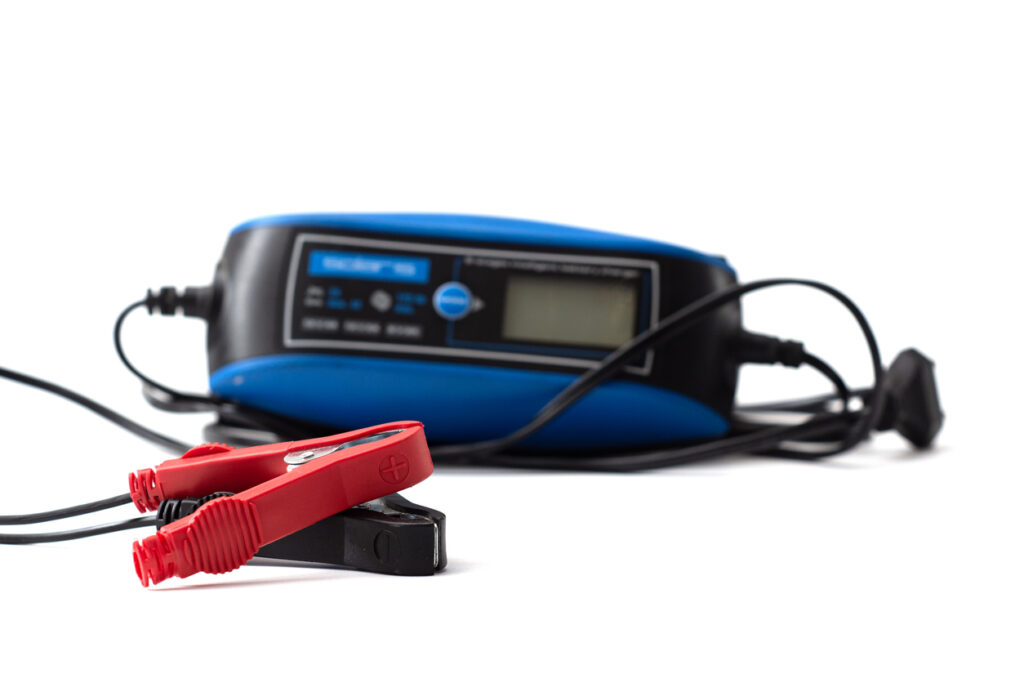
Modern battery chargers automatically detect your battery type, assess its condition, and deliver the appropriate charging cycle without risk of overcharging or damage. Smart chargers eliminate the guesswork and potential mistakes that come with older charging technology.
Choose a charger with adaptive technology that can handle both maintenance charging and battery reconditioning, rather than buying the cheapest option available. Quality chargers protect your investment in both the battery and your vehicle’s electronic systems.
6. Create a monthly charging routine during winter months.

Winter conditions including heated seats, defrosters, increased headlight use, and more frequent short trips all drain your battery faster than summer driving patterns. Monthly charging becomes essential rather than optional during cold weather months.
Schedule battery charging like any other regular maintenance task, rather than waiting until you remember or notice problems. Consistent monthly charging prevents the gradual decline that leads to unexpected failures during the worst possible weather.
7. Consider a maintenance charger for infrequently used vehicles.

Cars that sit unused for days or weeks during winter lose charge gradually and can develop permanent battery damage from prolonged low-voltage conditions. Maintenance chargers provide continuous low-level charging that keeps batteries at optimal levels indefinitely.
Install a maintenance charger system for vehicles you don’t drive daily, rather than letting them sit uncharged for extended periods. Doing so prevents both immediate starting problems and long-term battery degradation from neglect.
8. Understand that battery failure affects more than just starting.

Modern vehicles rely on stable electrical power for engine management systems, safety features, and electronic components that can be damaged by voltage fluctuations from failing batteries. Battery problems create cascading issues that extend far beyond simply not starting.
Treat battery maintenance as protection for your entire vehicle’s electrical system, rather than just ensuring you can start the engine. Proper battery care prevents expensive damage to computers, sensors, and other electronic components.
9. Don’t ignore the role of temperature in charging effectiveness.

Battery charging efficiency changes significantly with temperature, and cold conditions require different charging approaches than warm weather maintenance. Advanced chargers automatically adjust their output based on ambient temperature for optimal results.
Choose charging equipment with built-in temperature compensation rather than using basic chargers that don’t account for seasonal conditions. This technology ensures effective charging regardless of weather conditions in your garage or driveway.
10. Plan charging sessions around your actual schedule.

Knowing exactly when your battery will be fully charged allows you to coordinate charging sessions with your daily routine, rather than guessing and potentially overcharging or leaving the job half-finished. Modern chargers can predict completion times accurately.
Look for chargers that provide time estimates and completion notifications, rather than basic models that offer no feedback about charging progress. This information helps you manage your time and ensures proper charging without constant monitoring.